Sunglasses Prototype
CN → US| HS Code | Tariff Rate | Origin | Destination | Doc |
|---|---|---|---|---|
| 7015100000 | 17.5% | CN | US | Official Doc |
| 9003190000 | 17.5% | CN | US | Official Doc |
| 9004900090 | 20.0% | CN | US | Official Doc |
| 9004100000 | 19.5% | CN | US | Official Doc |
| 7015905000 | 17.5% | CN | US | Official Doc |
Product Images
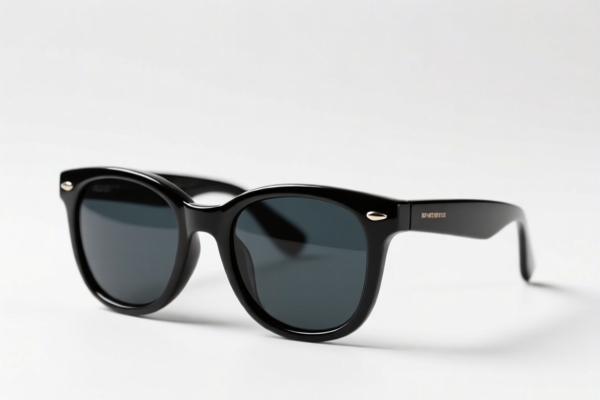
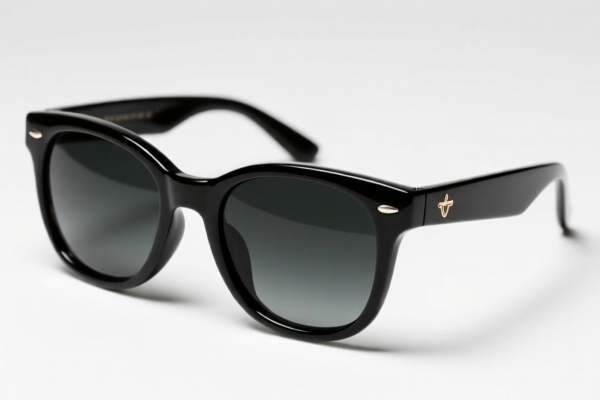
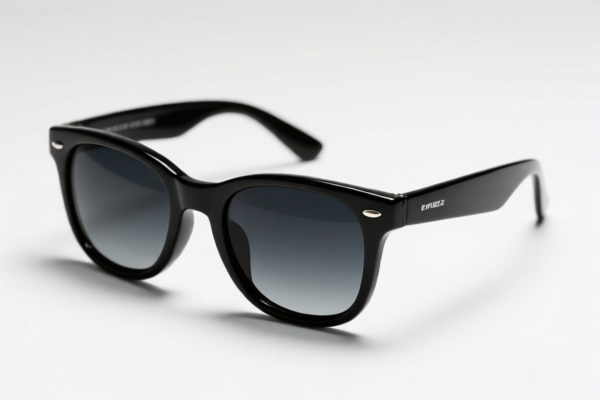
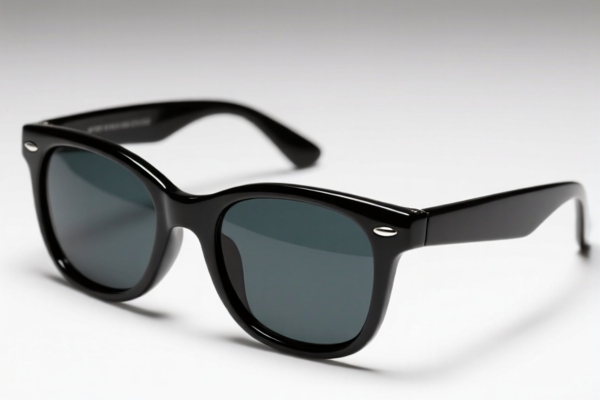
AI Analysis
🕶️ Sunglasses Prototype
🌐 HS Code Reference & Customs Clearance Guide | 2026 Latest Tariff Analysis | Professional Clearance Strategy
📌 I. Product Definition: What is a "Sunglasses Prototype"?
A "Sunglasses Prototype" is a preliminary form or unfinished component of eyewear. In international trade, its classification depends heavily on whether it represents the optical lens blank, the frame structure, or the finished eyewear product in an incomplete state. Misclassification can lead to significant tariff discrepancies and customs delays.
⚠️ Key Distinction Point:
- If it is an unpolished glass/plastic lens blank without optical correction or coating → Chapter 70 (Glass Articles)
- If it is an unfinished frame or shell structure → Chapter 90 (Optical Appliances)
- If it is a semi-finished sunglass unit ready for minor finishing → Chapter 90 (Eyewear)
📦 II. HS Code Classification Matrix (2026 Latest Tariff Authority Reference)
| HS Code | Product Description | Application Scenario | Key Differentiator |
|---|---|---|---|
7015.10.00.00 |
Optical Glass for Lenses (Sun Glasses Prototype) | Unfinished lens blanks for non-prescription or prescription sunglasses | ✅ Raw Glass Material: Fits "glass for non-corrective or corrective glasses" |
9003.19.00.00 |
Frames, Sunglasses, etc. (Unfinished Parts) | Unfinished frame shells, temple arms, or complete frame structures | ✅ Frame Component: Fits "frames and articles for holding lenses" |
9004.90.00.90 |
Eyewear (Non-Optical/Other) | Semi-finished eyewear products, non-safety, non-prescription sunglasses | ✅ Eyewear Article: Fits "other eyewear" not specified elsewhere |
9004.10.00.00 |
Sunglasses | Completed or nearly completed sunglasses | ✅ Finished Product: "Sunglasses" as per name, treated as primary form |
7015.90.50.00 |
Other Optical Glass (Unworked) | Glass/plastic materials not yet optically worked or shaped | ✅ Unworked Glass: Fits "glass not optically worked" |
🔍 Critical Note:
- "Prototype" is not a standard HS term. Customs will look at the physical state of the goods. - Lens vs. Frame: Lenses go to Chapter 70; Frames go to Chapter 90. - Worked vs. Unworked: Unpolished/rough blanks may qualify for lower base tariffs under Chapter 70.
💰 III. 2026 Latest Tariff Rate Breakdown (Including Additional Taxes)
✅ Applicable Country: USA (US)
✅ Country of Origin: China (CN)
✅ Effective Date: November 10, 2025 onwards
🎯 1. 7015.10.00.00 — Optical Glass for Sun Glasses Prototype
| Item | Content |
|---|---|
| Base Tariff | 0.0% (ad valorem) |
| Section 301 Additional Tariff | +7.5% |
| Section 122 Tariff | +10.0% |
| Total Tariff Rate | 17.5% |
| Tax Calculation | CIF Value × 17.5% |
| De Minimis Eligibility | ❌ Not Applicable (Generally >$800 threshold applies, but verify specific value) |
| Legal Basis Path | HTSUS:7015.10.00.00 → Section 301: 7.5% → Section 122: 10% |
📌 Explanation:
- This classification assumes the prototype is primarily glass lens material. - Base tariff is 0%, but additional duties apply. - Total 17.5% is moderate compared to finished goods.
🎯 2. 9003.19.00.00 — Unfinished Frames / Parts
| Item | Content |
|---|---|
| Base Tariff | 0.0% |
| Section 301 Additional Tariff | +7.5% |
| Section 122 Tariff | +10.0% |
| Total Tariff Rate | 17.5% |
| Tax Calculation | CIF Value × 17.5% |
| De Minimis Eligibility | ❌ Not Applicable |
| Legal Basis Path | HTSUS:9003.19.00.00 → Section 301: 7.5% → Section 122: 10% |
📌 Explanation:
- If the prototype is an unfinished frame (e.g., injection-molded shell without hinges or lenses), it falls here. - Same tax rate as lens blanks due to similar trade policy treatment.
🎯 3. 9004.90.00.90 — Other Eyewear (Non-Safety)
| Item | Content |
|---|---|
| Base Tariff | 2.5% |
| Section 301 Additional Tariff | +7.5% |
| Section 122 Tariff | +10.0% |
| Total Tariff Rate | 20.0% |
| Tax Calculation | CIF Value × 20.0% |
| De Minimis Eligibility | ❌ Not Applicable |
| Legal Basis Path | HTSUS:9004.90.00.90 → Section 301: 7.5% → Section 122: 10% |
📌 Explanation:
- If the prototype is considered a complete eyewear article (even if unfinished), it may be classified here. - Higher base tariff (2.5%) results in a higher total duty.
🎯 4. 9004.10.00.00 — Sunglasses
| Item | Content |
|---|---|
| Base Tariff | 2.0% |
| Section 301 Additional Tariff | +7.5% |
| Section 122 Tariff | +10.0% |
| Total Tariff Rate | 19.5% |
| Tax Calculation | CIF Value × 19.5% |
| De Minimis Eligibility | ❌ Not Applicable |
| Legal Basis Path | HTSUS:9004.10.00.00 → Section 301: 7.5% → Section 122: 10% |
📌 Explanation:
- If the prototype is clearly identified as sunglasses in name, even if in early stages, it may be forced into this category. - Base tariff is 2.0%, totaling 19.5%.
🎯 5. 7015.90.50.00 — Other Optical Glass (Unworked)
| Item | Content |
|---|---|
| Base Tariff | 0.0% |
| Section 301 Additional Tariff | +7.5% |
| Section 122 Tariff | +10.0% |
| Total Tariff Rate | 17.5% |
| Tax Calculation | CIF Value × 17.5% |
| De Minimis Eligibility | ❌ Not Applicable |
| Legal Basis Path | HTSUS:7015.90.50.00 → Section 301: 7.5% → Section 122: 10% |
📌 Explanation:
- For glass/plastic materials not yet optically worked. - Fits "unworked glass" description. - Lowest total tariff among finished eyewear categories.
🛠️ IV. Customs Clearance Practical Advice (Real-World Pitfall Avoidance)
✅ 1. Documentation Checklist (Must-Haves)
| Document | Required? | Notes |
|---|---|---|
| ✅ Product Specification Sheet | ✔️ | Must detail material (glass/plastic), stage of completion, and intended use |
| ✅ Physical Photos | ✔️ | Show if it’s a lens blank, frame shell, or partial assembly |
| ✅ Bill of Materials (BOM) | ✔️ | List components to prove if it’s a part or a product |
| ✅ Commercial Invoice | ✔️ | Clearly state "Sunglasses Prototype – Unfinished Lens Blanks" or "Unfinished Frame Parts" |
| ✅ Packing List | ✔️ | Separate lenses from frames if shipped together |
| ✅ Pre-Ruling Letter | ✔️ | Highly Recommended for ambiguous "prototype" status |
✅ 2. Declaration Strategy (Key Mantras)
🔥 "Be Specific, Don't Say 'Prototype' Alone!"
| Scenario | Correct Declaration | Wrong Declaration |
|---|---|---|
| Unpolished Lens Blanks | "Optical Glass Blanks for Sunglasses, Unworked" |
"Sunglasses Prototype" |
| Unfinished Frame Shells | "Unfinished Eyewear Frames, Plastic" |
"Sunglasses Parts" |
| Partial Assembly (Lens in Frame) | "Eyewear, Other, Non-Safety" |
"Sunglasses" |
⚠️ Warning:
- Using the generic term "Sunglasses Prototype" is risky. CBP may interpret it as finished sunglasses and apply higher duties (9004.xxxx). - Always specify what part of the sunglasses it is (Lens vs. Frame).
✅ 3. Special Cases
| Situation | Recommendation |
|---|---|
| Mixed Shipment (Lenses + Frames) | Declare separately under 7015.xxxx and 9003.xxxx to optimize duty if possible |
| OEM Custom Prototypes | Provide design files and sample photos to prove unfinished state |
| Valuation | Ensure CBV (Customs Value) reflects unfinished state, not finished retail price |
🌍 V. Global Market Comparison (2026 Update)
| Country/Region | Recommended HS Code | Total Tariff (China Origin) | Remarks |
|---|---|---|---|
| 🇺🇸 USA | 7015.10.00.00 / 9003.19.00.00 |
17.5% | Best for unworked lenses/frames |
| 🇺🇸 USA | 9004.10.00.00 |
19.5% | If classified as finished sunglasses |
| 🇨🇳 China | 7015.10.00.00 |
0% | Import duty low, but VAT 13% applies |
| 🇪🇺 EU | 9004.10.00.00 |
4.2% + Import VAT | Check for anti-dumping on Chinese eyewear |
📌 Conclusion:
- USA has high additional tariffs (301 + 122) on almost all eyewear categories. - Optimization Strategy: If possible, classify as unworked glass (7015.90.50.00) or unfinished frames (9003.19.00.00) to benefit from 0% base tariff.
📌 VI. Common Mistakes & Pitfalls (Blood Lessons)
❌ Mistake 1: Declaring "Sunglasses Prototype" under 9004.10.00.00 (Finished Sunglasses)
👉 Result: Higher base tariff (2.0% vs 0%) + Risk of audit.
👉 Fix: Prove it’s an unfinished part/lens.
❌ Mistake 2: Mixing lens blanks and frame parts in one HS Code
👉 Result: Confusion during inspection, potential seizure.
👉 Fix: Separate shipments or declare multiple HS Codes on one invoice.
❌ Mistake 3: Ignoring Section 122 Tariff
👉 Result: Underpayment of 10% duty.
👉 Fix: Always include 122 tariff in cost calculations for Chinese goods.
✅ Correct Practice:
"Optical Glass Lens Blanks, Unpolished, for Sunglasses, Model XYZ, Not Yet Optically Worked"
🎯 VII. Conclusion: Precision Saves Money!
🎯 Remember the Mantra:
🔹 "Lens blank = 7015 (0% base)"
🔹 "Frame part = 9003 (0% base)"
🔹 "Finished Sunglass = 9004 (2% base)"
🔹 "Don't use 'Prototype' alone – describe the PART!"
📌 Pro Tip:
If your prototype is highly ambiguous, file for a CBP Binding Ruling (Pre-Ruling) before shipment. This guarantees the correct HS Code and avoids unexpected duties upon entry.
📣 Immediate Action:
📞 Contact a licensed customs broker + Provide detailed product specs + Apply for HS Code Ruling
🚀 Clearance Smooth, Costs Predictable, Profit Maximized!
✨ Professional Clearance Starts with Accurate Classification!
💼 Every Percent of Duty Counts!
Customer Reviews
About HS Code Classification
The Harmonized System (HS) is an internationally standardized nomenclature developed by the World Customs Organization (WCO) to classify traded products. Over 200 countries use the HS system as the basis for customs tariffs, trade statistics, and import/export regulations.
Each HS code follows a hierarchical structure:
- Chapter (2 digits) — Broad category of goods (e.g., Chapter 84: Machinery and Mechanical Appliances)
- Heading (4 digits) — More specific grouping within the chapter
- Subheading (6 digits) — Internationally standardized breakdown, used by all WCO member countries
- National subdivisions (8-10 digits) — Country-specific extensions for further classification, such as US HTSUS 10-digit codes
Correct HS code classification is essential for smooth customs clearance, accurate duty payment, and compliance with trade regulations. Misclassification can lead to customs delays, overpayment of duties, or penalties.
When importing from CN to US, the applicable tariff rates may include:
- Most-Favored-Nation (MFN) rate — The standard duty rate applied to WTO members
- General rate — Applied to countries without trade agreements
- Trade remedy duties — Additional tariffs such as Section 301 (anti-dumping), Section 232 (national security), or countervailing duties
The information provided on this page is for reference purposes only. For official classification, please consult with your local customs authority or a licensed customs broker.