Surgical Instruments (HS 9018498080)
CN → US| HS Code | Tariff Rate | Origin | Destination | Doc |
|---|---|---|---|---|
| 9033009000 | 39.4% | CN | US | Official Doc |
| 9021904080 | 10.0% | CN | US | Official Doc |
| 9021904040 | 10.0% | CN | US | Official Doc |
| 9031808085 | 35.0% | CN | US | Official Doc |
| 9031499000 | 35.0% | CN | US | Official Doc |
Product Images
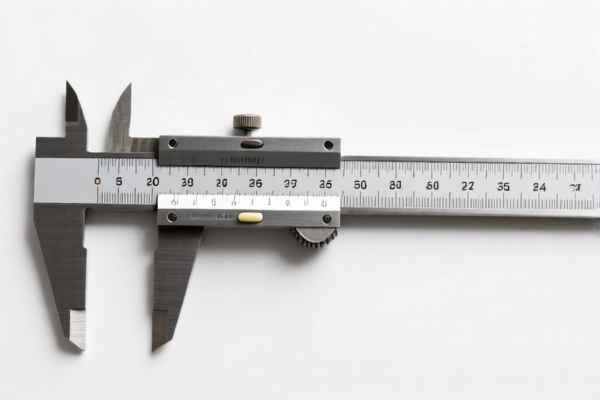
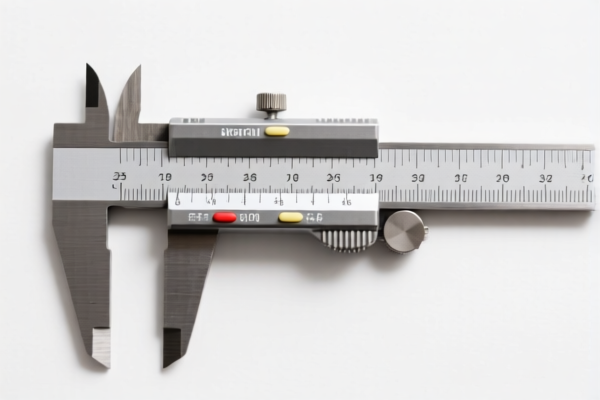
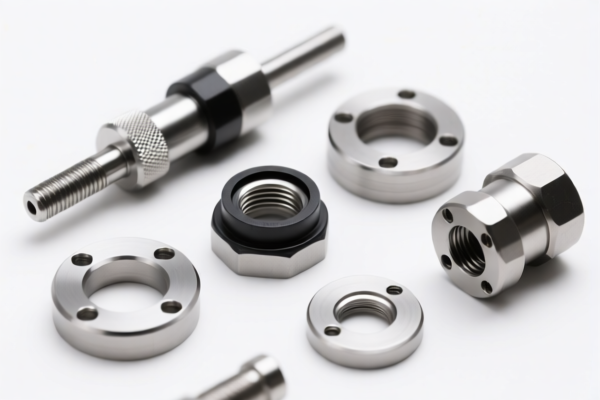
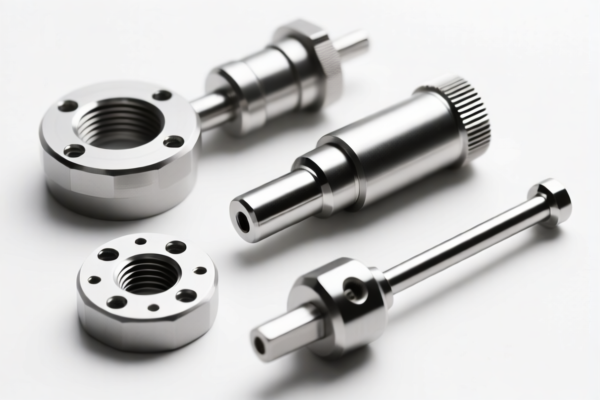
AI Analysis
💉 Surgical Instruments & Medical Parts (HS 9018.49.80.80 & Neighbors)
🌐 HS Code Reference & Customs Clearance Guide | 2026 Latest Tariff Analysis | Professional Clearance Strategy
📌 I. Product Definition: What Exactly Are "Surgical Instruments" in Customs Terms?
In international trade, "Surgical Instruments" is a broad umbrella term that requires precise differentiation based on function, material, and specific medical application. The data provided focuses on two distinct categories: 1. General Medical Device Parts: Components for machines/instruments in Chapter 90 (excluding specific excluded parts). 2. Specific Medical Device Parts: Parts for hearing aids, pacemakers, or other specialized Chapter 90.21 devices.
⚠️ Key Distinction:
- Chapter 90.18 vs. Chapter 90.90: Instruments for physical/psychological examination (like blood pressure monitors) often fall under 90.18, but parts are usually classified under 90.33 (Parts of general medical machinery) or specific subheadings like 90.21 (Pacemakers/Hearing Aids).
- Generic "Surgical Tools" (e.g., scalpels, forceps): Often fall under 90.18 or 90.21, but parts of these specific devices have unique HS codes.
📦 II. HS Code Classification Details (Based on Provided Data)
The following HS Codes are derived strictly from the provided <DATA>. Note that these codes primarily cover parts and specific medical apparatus, not necessarily generic hand tools.
| HS Code | Product Description | Applicable Scenario | Key Tax Note |
|---|---|---|---|
9033.00.90.00 |
Parts & Accessories of Medical Machines General parts for machinery/instruments in Chapter 90. |
Generic parts for medical devices not specifically listed elsewhere (e.g., parts for ventilators, surgical robots, imaging machines). | ⚠️ High Tax: 39.4% Total |
9021.90.40.80 |
Parts for Hearing Aids / Pacemakers Other parts for hearing aids, cardiac pacemakers, etc. |
Specific components for life-sustaining or auditory devices. | ✅ Low Tax: 10.0% Total |
9021.90.40.40 |
Other Parts for Chapter 90.21 Devices Other parts/accessories for medical apparatus in 90.21 (excluding hearing aids/pacemakers). |
Parts for devices like insulin pumps, infusion pumps, or other specialized 90.21 equipment. | ✅ Low Tax: 10.0% Total |
9031.80.80.85 |
Parts of Measurement/Check Instruments For analytical instruments, precision instruments, or complete machines. |
Parts for diagnostic equipment that relies on precision measurement (e.g., parts for lab analyzers, precision surgical robots). | ⚠️ High Tax: 35.0% Total |
9031.49.90.00 |
Parts of Other Optical Instruments For optical instruments & equipment (e.g., endoscopes, optical surgical microscopes). |
Parts for optical surgical devices, microscopes, or optical diagnostic tools. | ⚠️ High Tax: 35.0% Total |
🔍 Critical Insight:
-9033.00.90.00is the "catch-all" for medical machine parts. If your surgical instrument is a complex machine (not a simple hand tool), its parts likely go here.
-9021codes are highly specific. If your device is a pacemaker or hearing aid, use these.
-9031codes apply if your instrument is primarily an optical or precision measurement device (e.g., laser surgery equipment, optical endoscopes).
💰 III. 2026 Latest Tariff Rate Details (US Imports from China)
✅ Applicable Country: United States (US)
✅ Origin: China (CN)
✅ Effective Date: 2025/2026 (Current Trade War Context)
🎯 1. 9033.00.90.00 – General Medical Device Parts
| Item | Content |
|---|---|
| Base Rate | 4.4% (ad valorem) |
| Section 301 Tariff | +25.0% (Trade War) |
| Section 122 Tariff | +10.0% (Retaliatory/Specific Measure) |
| Total Rate | 39.4% |
| Tax Calculation | CIF Value × 39.4% |
| De Minimis Exemption | ❌ Not Eligible |
| Legal Basis | Standard 9033 classification + 301 Footnote + Section 122 |
📌 Explanation:
- This is the most common classification for general medical device parts (e.g., parts for MRI machines, surgical robots, anesthesia machines).
- The 39.4% total tax is significant. Importers must factor this into their landed cost.
🎯 2. 9021.90.40.80 & 9021.90.40.40 – Hearing Aid & Pacemaker Parts
| Item | Content |
|---|---|
| Base Rate | 0.0% |
| Section 301 Tariff | 0.0% |
| Section 122 Tariff | +10.0% |
| Total Rate | 10.0% |
| Tax Calculation | CIF Value × 10.0% |
| De Minimis Exemption | ❌ Not Eligible |
| Legal Basis | Specific subheading for 90.21 devices + Section 122 |
📌 Explanation:
- Significant Savings: Compared to9033.00.90.00, these codes save 29.4% in tariffs.
- Strict Eligibility: Only applies to hearing aids, pacemakers, or other specific 90.21 devices. Cannot be used for general surgical tools or non-specific medical machinery parts.
🎯 3. 9031.80.80.85 & 9031.49.90.00 – Precision/Optical Instrument Parts
| Item | Content |
|---|---|
| Base Rate | 0.0% |
| Section 301 Tariff | +25.0% |
| Section 122 Tariff | +10.0% |
| Total Rate | 35.0% |
| Tax Calculation | CIF Value × 35.0% |
| De Minimis Exemption | ❌ Not Eligible |
| Legal Basis | 90.31 classification + 301 Footnote + Section 122 |
📌 Explanation:
- Applies to optical (e.g., endoscopes, surgical microscopes) or precision measurement devices.
- 35.0% total tax is lower than general medical parts (39.4%) but higher than specialized 90.21 parts (10.0%).
🛠️ IV. Customs Clearance Practical Advice (Avoiding Pitfalls)
✅ 1. Documentation Checklist (Mandatory)
| Document | Required | Notes |
|---|---|---|
| ✅ Product Specification Sheet | ✔️ | Must detail: Function, Origin, Material, Intended Use. |
| ✅ Circuit/Technical Diagrams | ✔️ | Critical for distinguishing between 9033 (General) vs. 9021 (Specific) or 9031 (Optical). |
| ✅ Product Photos (Labeled) | ✔️ | Show铭牌 (Nameplate), connectors, and overall structure. |
| ✅ Third-Party Certifications | ✔️ | FDA 510(k) clearance, CE Mark, ISO 13485 (if applicable). |
| ✅ Commercial Invoice | ✔️ | Must clearly state: "Parts for Medical Device [Model Name]" – Not just "Surgical Instruments". |
| ✅ Packing List | ✔️ | Clearly separate parts from accessories to avoid misclassification. |
✅ 2. Classification Strategy (Key Mantra)
🔥 "Function Defines Code, Specificity Saves Tax!"
| Scenario | Correct HS Code | Why? |
|---|---|---|
| Parts for a Surgical Robot/Analyzer | 9033.00.90.00 |
General machine parts, not specific to 90.21 or optical. |
| Parts for a Pacemaker/Hearing Aid | 9021.90.40.80 |
Specific to 90.21 devices. |
| Parts for an Infusion Pump | 9021.90.40.40 |
Other 90.21 device parts. |
| Lens/Prism for Endoscope | 9031.49.90.00 |
Optical component of a 90.31 device. |
| Generic Scalpel/Forceps (Hand Tool) | Not Listed in Data | Typically 90.18 or 82.12. Not covered by this data. |
⚠️ Warning:
- Do NOT classify pacemaker parts under9033.00.90.00(39.4%) if they qualify for9021.90.40.80(10.0%).
- Do NOT classify optical instrument parts under9033if they are clearly9031.
✅ 3. Special Handling Tips
| Situation | Recommendation |
|---|---|
| OEM Custom Parts | Provide OEM contracts + design specs to prove specific use. |
| Mixed Shipments | Split shipments if possible to apply correct HS codes per item. Avoid "one-size-fits-all" declaration. |
| FDA-Regulated Devices | Ensure FDA prior notice and 510(k) number are on the invoice. Customs may delay if FDA documentation is missing. |
| "Surgical Instruments" Generic Name | Avoid using this generic term in the commercial invoice. Use specific names like "Replacement Part for [Device Model]". |
🌍 V. Global Market Comparison (2026 Context)
| Market | Recommended HS Code | Tariff Rate (China Origin) | Key Requirement |
|---|---|---|---|
| 🇺🇸 USA | 9033.00.90.00 / 9021.90.40.80 |
10% - 39.4% | FDA Compliance + 301/122 Tariffs |
| 🇨🇳 China | 9033.00.90.00 / 9021.90.40.80 |
0% - 6.5% | NMPA (Formerly CFDA) Registration |
| 🇪🇺 EU | 9033.00.90.00 / 9021.90.40.80 |
0% - 4.5% | CE Marking + MDR Compliance |
| 🇯🇵 Japan | 9033.00.90.00 / 9021.90.40.80 |
0% - 5.0% | PMDA Approval |
📌 Conclusion:
- The US market has the highest tariff burden (10%-39.4%) due to Section 301 and 122.
- Precise classification is critical to minimize costs. A misclassification can lead to 29.4% extra tax.
📌 VI. Common Errors & Pitfalls (Blood Lessons)
❌ Error 1: Declaring "Surgical Instrument Parts" generically under 9033.00.90.00 when they are actually for pacemakers.
👉 Consequence: Overpaying 29.4% in tariffs.
👉 Fix: Use 9021.90.40.80.
❌ Error 2: Classifying optical endoscope parts under 9033 instead of 9031.49.90.00.
👉 Consequence: Overpaying 4.4% in tariffs.
👉 Fix: Use 9031.49.90.00.
❌ Error 3: Missing FDA documentation for medical device parts.
👉 Consequence: Customs hold, delays, potential return or destruction.
👉 Fix: Include FDA 510(k) number and FDA prior notice on the invoice.
❌ Error 4: Using "Surgical Tools" as the product name for machine parts.
👉 Consequence: Misclassification risk.
👉 Fix: Use "Parts for [Specific Device Name]".
✅ Correct Practice:
"Replacement Lens Assembly for Surgical Endoscope Model XYZ, FDA 510(k) Cleared, Part #12345"
🎯 VII. Conclusion: Precision Saves Money!
🎯 Remember the Mantra:
🔹 "Specific Parts, Specific Code; General Parts, Higher Cost!"
🔹 "Pacemaker Parts = 10%; General Medical Parts = 39.4%; Optical Parts = 35%!"
🔹 "Customs Clearance Success Starts with Accurate Classification!"
📌 Pro Tip:
If your products are originating from Vietnam, Mexico, or Malaysia, you may be eligible for IEEPA Exemptions or lower tariffs.
Recommend Advance Ruling from US CBP for high-value medical device parts to avoid clearance risks.
📣 Immediate Action:
📞 Contact Professional Customs Broker + Provide Product Specs + Apply for HS Code Pre-Ruling
🚀 Ensure Smooth Clearance, Efficient Export, and Maximized Profit!
✨ Professional Customs Clearance Starts with Accurate Classification!
💼 Your Every Penny of Cost Deserves Precise Calculation!
Customer Reviews
About HS Code Classification
The Harmonized System (HS) is an internationally standardized nomenclature developed by the World Customs Organization (WCO) to classify traded products. Over 200 countries use the HS system as the basis for customs tariffs, trade statistics, and import/export regulations.
Each HS code follows a hierarchical structure:
- Chapter (2 digits) — Broad category of goods (e.g., Chapter 84: Machinery and Mechanical Appliances)
- Heading (4 digits) — More specific grouping within the chapter
- Subheading (6 digits) — Internationally standardized breakdown, used by all WCO member countries
- National subdivisions (8-10 digits) — Country-specific extensions for further classification, such as US HTSUS 10-digit codes
Correct HS code classification is essential for smooth customs clearance, accurate duty payment, and compliance with trade regulations. Misclassification can lead to customs delays, overpayment of duties, or penalties.
When importing from CN to US, the applicable tariff rates may include:
- Most-Favored-Nation (MFN) rate — The standard duty rate applied to WTO members
- General rate — Applied to countries without trade agreements
- Trade remedy duties — Additional tariffs such as Section 301 (anti-dumping), Section 232 (national security), or countervailing duties
The information provided on this page is for reference purposes only. For official classification, please consult with your local customs authority or a licensed customs broker.