THE HANDBAG
CN → US| HS Code | Tariff Rate | Origin | Destination | Doc |
|---|---|---|---|---|
| 4202224020 | 42.4% | CN | US | Official Doc |
| 4602192920 | 40.3% | CN | US | Official Doc |
| 4602112100 | 41.2% | CN | US | Official Doc |
| 4202228980 | 52.6% | CN | US | Official Doc |
| 6305200000 | 23.7% | CN | US | Official Doc |
Product Images

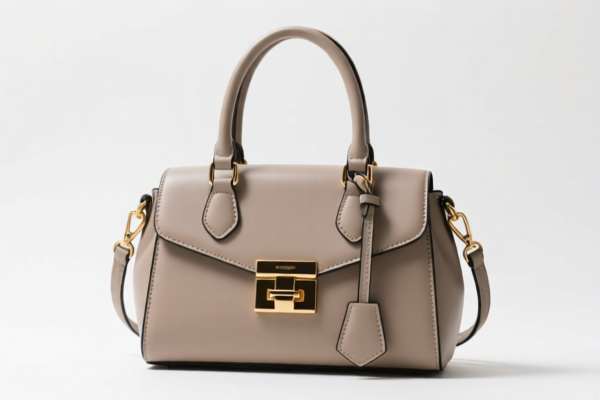
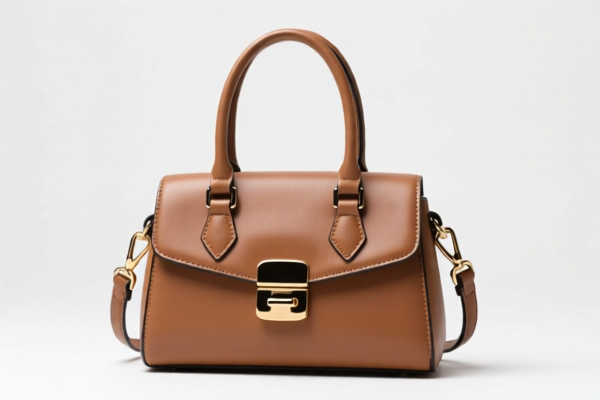
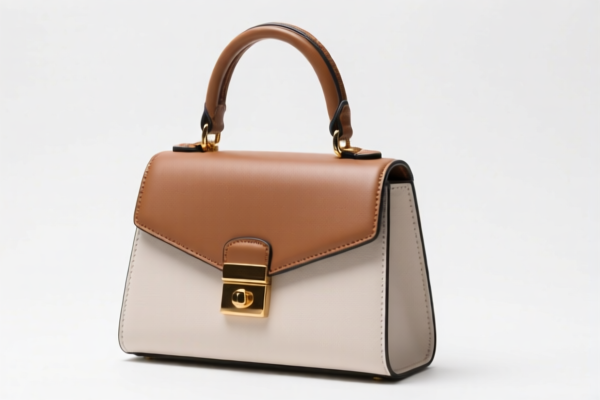
AI Analysis
👜 The Handbag: The Ultimate Guide to HS Code Classification & US Customs Clearance (2026 Edition)
🌐 HS Code Reference & Customs Clearance Guide | 2026 Latest Tariff Analysis | Strategic Import Strategy
📌 Part I: Product Definition & Classification – Do You Really Understand "Handbags"?
A handbag is not just a container; it is a fashion statement and a functional accessory. In international trade, the classification hinges strictly on two factors: Material Composition and Intended Use/Form. Misclassification here can lead to massive tariff discrepancies due to the complex web of US import duties, Section 301 tariffs, and Section 122 tariffs applied to Chinese goods.
⚠️ Key Distinction Points:
- Textile/Cotton Base: If the bag is primarily made of textile materials or cotton, it falls under Chapter 42 or 63.
- Plant Material/Woven: If crafted from bamboo, rattan, or other woven plant materials, it falls under Chapter 46.
- Form Factor: Must be recognizable as a "handbag" or similar carrying article.
📦 Part II: HS Code Classification Details (2026 Latest Tariff Authority Comparison)
Below are the precise HS Codes matched to specific handbag materials as per the provided data. Each code carries a distinct tax burden.
| HS Code | Material Description | Summary | Total Tax Rate (CN Origin) |
|---|---|---|---|
4202.22.40.20 |
Textile Materials / Cotton | Handbags made of textile materials or cotton. | 42.4% |
4602.19.29.20 |
Plant Material Woven | Handbags made of woven plant material products (general). | 40.3% |
4602.11.21.00 |
Bamboo / Rattan Woven | Handbags specifically woven from bamboo, rattan, or similar plant materials. | 41.2% |
4202.22.89.80 |
Other Textiles / Unclassified | Handbags made of other textile materials or unspecified materials. | 52.6% |
6305.20.00.00 |
Cotton Bags | Sacks and bags, specifically made of cotton (not strictly "fashion handbags" but related). | 23.7% |
🔍 Critical Insight:
- Textile vs. Woven: Bags made of woven plant fibers (Bamboo/Rattan) are treated differently than standard textile bags.
- The "Cotton Bag" Trap:6305.20.00.00is significantly cheaper (23.7%) but applies to "Sacks and bags" of cotton, which may not qualify as "fashion handbags" depending on design. If it looks like a luxury handbag but is cotton, customs may reject6305and force4202, jumping the tax to 42.4%+.
- Highest Risk Code:4202.22.89.80carries the highest burden at 52.6% due to a higher base tariff (17.6%).
💰 Part III: 2026 Latest Tariff Rate Breakdown (Including Surcharges & Policy Add-ons)
✅ Applicable Country: United States (US)
✅ Origin: China (CN)
✅ Effective Time: Current tariffs apply (Section 301 & Section 122)
🎯 1. 4202.22.40.20 – Handbags (Textile/Cotton)
| Item | Detail |
|---|---|
| Base Tariff | 7.4% (MFN Rate) |
| Section 301 Surcharge | +25.0% (Trade War Tariff) |
| Section 122 Tariff | +10.0% (Specific Chinese Import Provision) |
| Total Effective Rate | 42.4% |
| Tax Calculation | CIF Value × 42.4% |
| De Minimis Exemption | ❌ Not Eligible (Section 301/122 tariffs generally block de minimis for these categories) |
| Legal Basis | HTSUS 4202.22.40.20 + Footnotes for Sec 301 & Sec 122 |
📌 Explanation:
- The 25% is the standard Section 301 tariff on many textile/consumer goods from China.
- The 10% is an additional levy under Section 122 (31 U.S.C. § 2101 et seq.), targeting specific imports.
- Base 7.4% is the standard Most Favored Nation (MFN) duty for handbags of other materials (including textile components).
🎯 2. 4602.19.29.20 – Handbags (Woven Plant Materials - General)
| Item | Detail |
|---|---|
| Base Tariff | 5.3% |
| Section 301 Surcharge | +25.0% |
| Section 122 Tariff | +10.0% |
| Total Effective Rate | 40.3% |
| Tax Calculation | CIF Value × 40.3% |
| De Minimis Exemption | ❌ Not Eligible |
| Legal Basis | HTSUS 4602.19.29.20 + Footnotes |
📌 Note:
- Woven plant materials often have lower base tariffs (5.3%) compared to standard textiles (7.4% or higher).
- However, the 35% surcharge (25% + 10%) remains constant, making the total still very high.
🎯 3. 4602.11.21.00 – Handbags (Bamboo/Rattan Specific)
| Item | Detail |
|---|---|
| Base Tariff | 6.2% |
| Section 301 Surcharge | +25.0% |
| Section 122 Tariff | +10.0% |
| Total Effective Rate | 41.2% |
| Tax Calculation | CIF Value × 41.2% |
| De Minimis Exemption | ❌ Not Eligible |
| Legal Basis | HTSUS 4602.11.21.00 + Footnotes |
📌 Note:
- Specific bamboo/rattan items (4602.11) have a slightly higher base (6.2%) than general woven plants (4602.19at 5.3%), but the total tax is competitive.
🎯 4. 4202.22.89.80 – Handbags (Other Textiles/Unspecified)
| Item | Detail |
|---|---|
| Base Tariff | 17.6% |
| Section 301 Surcharge | +25.0% |
| Section 122 Tariff | +10.0% |
| Total Effective Rate | 52.6% |
| Tax Calculation | CIF Value × 52.6% |
| De Minimis Exemption | ❌ Not Eligible |
| Legal Basis | HTSUS 4202.22.89.80 + Footnotes |
📌 Warning:
- This is the most expensive classification in the dataset.
- It applies if the material is textile but doesn't fit the specific "Cotton" (4202.22.40.20) or other specific sub-headings.
- 17.6% base is nearly 3x higher than the cotton textile base. Avoid this code if your bag is clearly cotton or woven plant material.
🎯 5. 6305.20.00.00 – Cotton Bags (Sacks/Storage)
| Item | Detail |
|---|---|
| Base Tariff | 6.2% |
| Section 301 Surcharge | +7.5% (Reduced Sec 301 Rate) |
| Section 122 Tariff | +10.0% |
| Total Effective Rate | 23.7% |
| Tax Calculation | CIF Value × 23.7% |
| De Minimis Exemption | ❌ Check Specific Exclusions |
| Legal Basis | HTSUS 6305.20.00.00 |
📌 Crucial Distinction:
- This code has a significantly lower Section 301 rate (7.5%) compared to the standard 25%.
- BUT: It is for "Sacks and bags for the packing of goods," NOT fashion handbags.
- Risk: If you import a fashion tote labeled "Handbag" but classify as6305, Customs may reclassify it to4202(42.4%) + penalties. Only use if the item is purely utilitarian (e.g., bulk packaging, market produce bags).
🛠️ Part IV: Customs Clearance Practical Advice (Battle-Tested Pitfall Guide)
✅ 1. Documentation Checklist (Non-Negotiable)
| Document | Mandatory? | Purpose |
|---|---|---|
| ✅ Product Specification Sheet | ✔️ | Must detail material composition (e.g., "100% Cotton Woven" vs. "Polyester Blend"). |
| ✅ Detailed Photos (Inside/Outside) | ✔️ | To prove "Handbag" form factor vs. "Sack" form factor. |
| ✅ Commercial Invoice | ✔️ | Must clearly state: "Handbag, Made of [Material], Country of Origin: China." |
| ✅ Packing List | ✔️ | To verify quantity and weight. |
| ✅ Material Test Report | ✔️ | If challenged on "Plant Material" vs. "Synthetic Weave," a lab report is vital. |
✅ 2. Declaration Strategy (Key Mnemonics)
🔥 “Material First, Form Second, Avoid ‘Other’ at All Cost!”
| Scenario | Correct Classification | Incorrect Classification | Consequence |
|---|---|---|---|
| Cotton Tote | 4202.22.40.20 (42.4%) |
6305.20.00.00 (23.7%) |
Penalty: If deemed a "Handbag," not a "Sack," you owe ~19% more + fines. |
| Bamboo Woven Bag | 4602.11.21.00 (41.2%) |
4202.22.89.80 (52.6%) |
Overpayment: You lose ~11% in unnecessary tariffs. |
| Mixed Fabric Bag | 4202.22.40.20 (if Textile >50%) |
4202.22.89.80 (52.6%) |
Risk: "Other" codes are audit traps. Prove primary material. |
| Generic "Other" Bag | 4202.22.89.80 (52.6%) |
N/A | High Cost: Only use if no other material category fits. |
✅ 3. Special Circumstances Handling
| Situation | Handling Advice |
|---|---|
| Mixed Materials (e.g., Leather Trim + Cotton Body) | Generally follows the principal material (Cotton → 4202.22.40.20). Do NOT split lines unless distinct articles. |
| "Handbag" vs. "Shoulder Bag" vs. "Clutch" | All fall under 4202.22 if textile. Ensure the description says "Handbag" or "Carrying Article." |
| Section 122 Tariff Exclusions | Check if your specific supplier/product type has any temporary exclusions for Sec 122 (10%). Most fashion handbags do not have exclusions. |
| De Minimis (Section 321) | DO NOT ATTEMPT to ship handbags from China under $800 de minimis if they fall under Sec 301/122. CBP actively blocks these. You must pay the ~40-52% duty. |
🌍 Part V: Global Market Comparison (2026 Snapshot)
| Country | Recommended HS Code | Approx. Total Duty (China Origin) | Notes |
|---|---|---|---|
| 🇺🇸 USA | 4202.22.40.20 |
42.4% | High Sec 301 (25%) + Sec 122 (10%). |
| 🇪🇺 EU | 4202.22.40 |
~12-16% | No Sec 301/122. Standard EU duty for handbags. |
| 🇨🇳 China | 4202.22.40 |
~7-10% | Lower import duty. No punitive surcharges. |
| 🇬🇧 UK | 4202.22.40 |
~12% | Post-Brexit standard rates. |
📌 Conclusion:
- The US market is uniquely punitive for Chinese handbags due to the combination of MFN + Sec 301 + Sec 122.
- Margin Compression: A 42.4% duty means your landed cost nearly doubles. Pricing strategies must account for this.
📌 Part VI: Common Mistakes & Pitfalls (Blood-Ledging Lessons)
❌ Mistake 1: Classifying a Cotton Handbag as 6305.20.00.00 to save tax.
👉 Consequence: CBP reclassifies to 4202. You pay the difference (42.4% - 23.7% = 18.7%) + Interest + Penalties.
❌ Mistake 2: Using "Bag" instead of "Handbag" on the Invoice.
👉 Consequence: Ambiguity leads to holds. Customs asks for clarification, delaying release by 7-14 days.
❌ Mistake 3: Ignoring Section 122 (10%).
👉 Consequence: Underpayment. Many importers forget the 10% Sec 122 layer, thinking only Sec 301 (25%) applies. Total is actually 35%+base.
❌ Mistake 4: Assuming "Woven" means "Plastic."
👉 Consequence: If "Woven" is actually synthetic plastic fibers, it might fall under Chapter 39, not Chapter 46. Misclassification leads to different duty rates and potential fraud allegations.
✅ Correct Practice:
"Women's Handbag, 100% Cotton Woven, with Zipper Closure, Model XYZ, Made in China."
HS Code:4202.22.40.20
🎯 Part VII: Conclusion – Professional Classification Saves Money!
🎯 Remember the Mantra:
🔹 "Cotton Handbag = 4202 (42.4%),
🔹 "Bamboo Woven = 4602 (41.2%),
🔹 "Other Textile = 4202 (52.6%)!
🔹 "Cotton Sack = 6305 (23.7%) – But Are You Sure It's a Sack?"
📌 Pro Tip:
For high-volume imports, consider Advance Rulings from CBP. Pay a small fee to get a binding determination on your specific handbag design. It prevents future audits and penalties.
📣 Immediate Action:
📞 Consult a Customs Broker with specific HS code expertise.
🚀 Audit Your Supplier's Material Declarations.
💼 Factor 42.4% into your FOB/CIF Pricing. Your profit margin depends on it!
✨ Precision in Classification, Profit in Clearance!
💼 Every percent saved is pure profit!
Customer Reviews
About HS Code Classification
The Harmonized System (HS) is an internationally standardized nomenclature developed by the World Customs Organization (WCO) to classify traded products. Over 200 countries use the HS system as the basis for customs tariffs, trade statistics, and import/export regulations.
Each HS code follows a hierarchical structure:
- Chapter (2 digits) — Broad category of goods (e.g., Chapter 84: Machinery and Mechanical Appliances)
- Heading (4 digits) — More specific grouping within the chapter
- Subheading (6 digits) — Internationally standardized breakdown, used by all WCO member countries
- National subdivisions (8-10 digits) — Country-specific extensions for further classification, such as US HTSUS 10-digit codes
Correct HS code classification is essential for smooth customs clearance, accurate duty payment, and compliance with trade regulations. Misclassification can lead to customs delays, overpayment of duties, or penalties.
When importing from CN to US, the applicable tariff rates may include:
- Most-Favored-Nation (MFN) rate — The standard duty rate applied to WTO members
- General rate — Applied to countries without trade agreements
- Trade remedy duties — Additional tariffs such as Section 301 (anti-dumping), Section 232 (national security), or countervailing duties
The information provided on this page is for reference purposes only. For official classification, please consult with your local customs authority or a licensed customs broker.