Textile Articles (HS 6307908500)
CN → US| HS Code | Tariff Rate | Origin | Destination | Doc |
|---|---|---|---|---|
| 6307909891 | 24.5% | CN | US | Official Doc |
| 6307909887 | 24.5% | CN | US | Official Doc |
| 6307909885 | 24.5% | CN | US | Official Doc |
| 6304996040 | 20.7% | CN | US | Official Doc |
| 6304910170 | 23.3% | CN | US | Official Doc |
Product Images
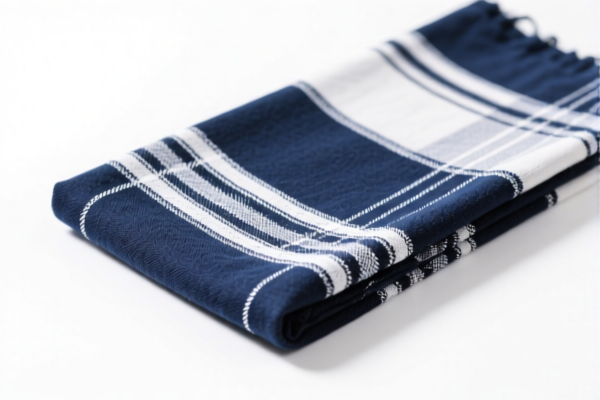
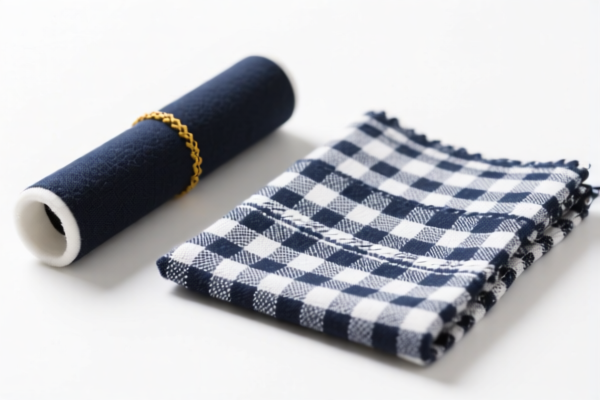
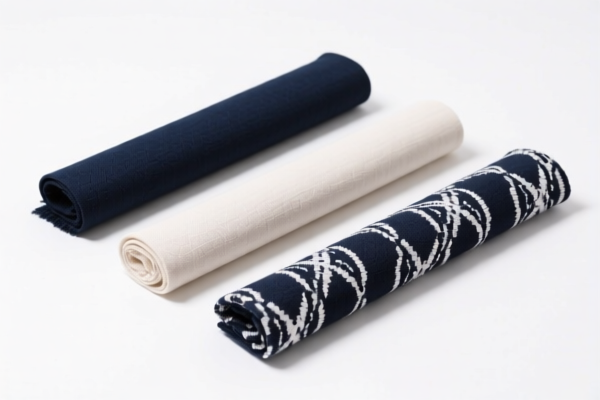
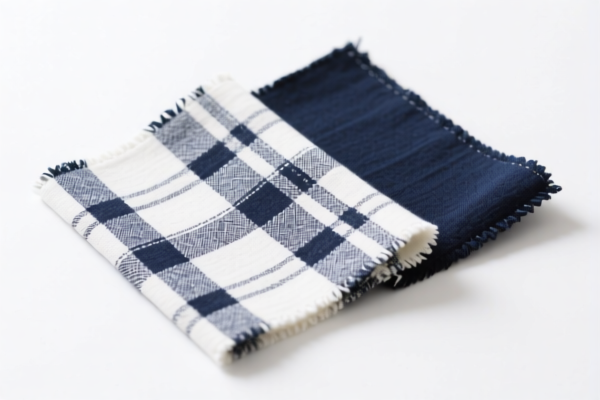
AI Analysis
🧵 Textile Articles & Other Made-Up Textile Products (HS 6307.90 / 6304.99)
🌐 HS Code Reference & Customs Clearance Guide | 2026 Latest Tariff Analysis | Professional Classification Strategy
📌 I. Product Definition: What Are "Textile Articles"?
In international trade, "Textile Articles" (Chapter 63) refers to other made-up textile articles, specifically those not specified elsewhere. This category is often a "catch-all" for textile goods that don't fit into bedding, clothing, or industrial filter fabrics.
The core characteristic is that they are made up (cut, sewn, assembled) but are not garments or household linens like sheets/duvets.
⚠️ Key Distinction:
- If it is a home furnishing (curtains, cushions) → 6304
- If it is an industrial/commercial accessory or "other" textile item → 6307
- Material Matters: Whether it is natural fiber or man-made fiber can shift the sub-code, but often falls under "Other" in the 6307/6304 broad categories.
📦 II. HS Code Classification Matrix (2026 Latest Tariff对照)
Based on the provided data, here are the specific HS Codes applicable to "Textile Articles," categorized by their nature and material attributes.
| HS Code | Product Description & Classification Logic | Applicable Scenario | Material/Conflict Note |
|---|---|---|---|
6307.90.98.91 |
Other Made-Up Textile Articles (Catch-all) | General textile accessories, non-specified textile goods | ✅ No Conflict: Matches general "Textile Articles." Classified as a residual "Other" category. |
6307.90.98.87 |
Other Made-Up Textile Articles (Man-made Fiber) | Items containing synthetic/man-made fibers | ✅ No Conflict: Consistent in form. May contain man-made fibers. |
6307.90.98.85 |
Other Made-Up Textile Articles (Specific Sub-category) | Subset of 6307.90, potentially specific man-made fiber types | ⚠️ Clarification: Data notes conflict with 6307.90.98.87 regarding man-made fibers, but both fall under 6307.90. |
6304.99.60.40 |
Non-Knitted/Non-Crocheted Home Textiles | Household textiles not specified elsewhere (e.g., decorative cushions, non-stitching) | ✅ No Conflict: Fits "Non-knitted" attribute. |
6304.91.01.70 |
Knitted/Crocheted Home Textiles (Catch-all) | Knitted home textiles, decorative items, lacks specific description | ✅ No Conflict: Fits "Knitted/Crocheted" attribute. General residual category. |
🔍 Critical Analysis:
- Group 1: "Other" Textile Accessories (6307)
- Codes:6307.90.98.91,6307.90.98.87,6307.90.98.85
- These are for items like tool bags, technical textile cases, or miscellaneous textile products not meant for home decoration.
- Tax Impact: High (24.5%) due to additional tariffs.
- Group 2: Home Textiles (6304)
- Codes:
6304.99.60.40(Non-knitted),6304.91.01.70(Knitted)- These are for household use (curtains, bedcovers, etc.).
- Tax Impact: Moderate to High (20.7% - 23.3%).
💰 III. 2026 Tariff Rate Breakdown (USA Imports from China)
✅ Applicable Country: United States (US)
✅ Origin: China (CN)
✅ Effective Date: Ongoing (Post-2018 Trade War Rates)
🎯 1. "Other" Textile Articles (HS 6307.90 Series)
Codes: 6307.90.98.91, 6307.90.98.87, 6307.90.98.85
| Item | Detail |
|---|---|
| Base Tariff | 7.0% |
| Section 301 Tariff | 7.5% |
| Section 122 Tariff | 10.0% |
| Total Effective Rate | 24.5% |
| Tax Calculation | CIF Value × 24.5% |
| De Minimis Exemption | ❌ Not Applicable (High tariff goods usually excluded or subject to strict scrutiny) |
| Legal Basis | USITC Section 6307 |
📌 Explanation:
- These codes fall under "Other made-up articles."
- The 24.5% rate is a composite of the base MFN rate (7%), Section 301 surcharge (7.5%), and additional Section 122/China-specific penalties (10%).
- Risk: High. Customs may challenge whether the item truly fits "Other" or if it should be a different home textile category.
🎯 2. Non-Knitted Home Textiles (HS 6304.99.60.40)
| Item | Detail |
|---|---|
| Base Tariff | 3.2% |
| Section 301 Tariff | 7.5% |
| Section 122 Tariff | 10.0% |
| Total Effective Rate | 20.7% |
| Tax Calculation | CIF Value × 20.7% |
| Legal Basis | USITC Section 6304 |
📌 Explanation:
- Slightly lower base tariff (3.2%) compared to general "Other" articles.
- Still subject to significant Section 122 and 301 add-ons.
🎯 3. Knitted/Crocheted Home Textiles (HS 6304.91.01.70)
| Item | Detail |
|---|---|
| Base Tariff | 5.8% |
| Section 301 Tariff | 7.5% |
| Section 122 Tariff | 10.0% |
| Total Effective Rate | 23.3% |
| Tax Calculation | CIF Value × 23.3% |
| Legal Basis | USITC Section 6304 |
📌 Explanation:
- Knitted items have a higher base tariff (5.8%) than non-knitted (3.2%).
- Total rate is intermediate between the two other categories.
🛠️ IV. Customs Clearance Strategy & Best Practices
✅ 1. Documentation Checklist (Mandatory)
| Document | Requirement | Reason |
|---|---|---|
| Commercial Invoice | Must specify "Textile Article" + Material Composition (e.g., 100% Cotton, Polyester) | Crucial for determining if it fits 6307 (Other) or 6304 (Home). |
| Product Description | Detailed: e.g., "Polyester Tool Bag, Woven, No Brand" | Avoid vague terms like "Textile Item." |
| Material Declaration | Exact fiber content (% of natural vs. synthetic) | Determines sub-code within 6307/6304. |
| Photos | Clear images of the item, labels, and seams | Proves it is "made-up" and not raw fabric. |
| Function Description | Explain the use (Industrial? Home? Decorative?) | Key to distinguishing 6307 (Other) vs. 6304 (Home). |
✅ 2. Classification Logic (Decision Tree)
🔥 Rule of Thumb:
"Is it for Home Use? → 6304. Is it Industrial/Accessory/Other? → 6307."
| Scenario | Recommended HS Code | Why? |
|---|---|---|
| Decorative Cushion Cover (Non-knitted) | 6304.99.60.40 |
Home textile, non-knitted. |
| Knitted Pillow Cover | 6304.91.01.70 |
Home textile, knitted. |
| Tool Roll / Camera Bag (Textile) | 6307.90.98.91 |
Not a home textile; "Other" made-up article. |
| Synthetic Fiber Rope Bag | 6307.90.98.87 |
Man-made fiber content specified. |
| Unspecified Textile Accessory | 6307.90.98.85 |
Residual "Other" category. |
✅ 3. Common Pitfalls & Avoidance
❌ Error 1: Classifying a Curtain as 6307.90.98.91 ("Other").
👉 Consequence: Curtains are Home Textiles (6304). Misclassification leads to underpayment if 6304 has higher duties, or delays for inspection.
👉 Fix: Use 6304.99.60.40 or 6304.91.01.70.
❌ Error 2: Ignoring Knitted vs. Woven distinction in 6304.
👉 Consequence: 6304.91 (Knitted) and 6304.99 (Non-Knitted) have different base rates.
👉 Fix: Check the manufacturing process. Knitted = interlocking loops. Woven = interlacing threads.
❌ Error 3: Vague Description "Textile Bag."
👉 Consequence: Customs cannot determine if it’s a tool bag (6307) or a laundry bag (6304).
👉 Fix: Specify Material (e.g., Cotton, Polyester) and Function (e.g., "For holding drills").
🌍 V. Global Market Comparison (2026)
| Country/Region | Recommended HS Code | Tariff Rate | Notes |
|---|---|---|---|
| 🇺🇸 USA | 6307.90.98.91 / 6304.99.60.40 |
20.7% - 24.5% | High tariffs due to Section 301 & 122. |
| 🇨🇳 China | 6307.90.98.91 |
~9% - 10% | Import duties for foreign textile articles. |
| 🇪🇺 EU | 6307.90 |
0% - 4% | Generally lower, but subject to anti-dumping if origin is China. |
| 🇬🇧 UK | 6307.90 |
0% - 4% | Post-Brexit tariffs aligned with EU but independent rules. |
📌 Conclusion:
- USA is the most expensive market for Chinese textile articles due to 24.5% effective rate.
- Home Textiles (6304) are slightly cheaper (20.7%) than "Other" accessories (24.5%).
📌 VI. Final Recommendations for Importers
-
Pre-Classification Ruling:
Submit an HS Code Ruling Request to US CBP before shipping. Provide samples/photos. This locks in the duty rate and avoids surprise penalties. -
Material Transparency:
Clearly state fiber content on the invoice. Ambiguity leads to "Other" classifications, which often carry higher scrutiny. -
Avoid "De Minimis" Reliance:
Do not assume $800 de minimis applies. Textile articles are often excluded from low-value exemptions when Section 122/301 tariffs are involved. -
Packaging:
If shipping Knitted vs. Woven, ensure the packing list distinguishes them. Customs officers may physically inspect to determine the construction method.
🎯 Summary Formula:
Home Textile (Knitted):
6304.91.01.70→ 23.3%
Home Textile (Woven):6304.99.60.40→ 20.7%
Other/Accessory Textile:6307.90.98.91→ 24.5%
💼 Action Step:
📝 Define the product's END-USE (Home vs. Industrial) and CONSTRUCTION (Knitted vs. Woven).
📞 Consult Customs Broker to select between 6304 and 6307.
🚀 Avoid misclassification fines by being precise in documentation.
✨ Precision in Classification = Savings in Customs Duties!
💼 Don't let vague descriptions cost you 24.5%!
Customer Reviews
About HS Code Classification
The Harmonized System (HS) is an internationally standardized nomenclature developed by the World Customs Organization (WCO) to classify traded products. Over 200 countries use the HS system as the basis for customs tariffs, trade statistics, and import/export regulations.
Each HS code follows a hierarchical structure:
- Chapter (2 digits) — Broad category of goods (e.g., Chapter 84: Machinery and Mechanical Appliances)
- Heading (4 digits) — More specific grouping within the chapter
- Subheading (6 digits) — Internationally standardized breakdown, used by all WCO member countries
- National subdivisions (8-10 digits) — Country-specific extensions for further classification, such as US HTSUS 10-digit codes
Correct HS code classification is essential for smooth customs clearance, accurate duty payment, and compliance with trade regulations. Misclassification can lead to customs delays, overpayment of duties, or penalties.
When importing from CN to US, the applicable tariff rates may include:
- Most-Favored-Nation (MFN) rate — The standard duty rate applied to WTO members
- General rate — Applied to countries without trade agreements
- Trade remedy duties — Additional tariffs such as Section 301 (anti-dumping), Section 232 (national security), or countervailing duties
The information provided on this page is for reference purposes only. For official classification, please consult with your local customs authority or a licensed customs broker.