Textile Composite Plastic Translucent Board
CN → US| HS Code | Tariff Rate | Origin | Destination | Doc |
|---|---|---|---|---|
| 3921121100 | 39.2% | CN | US | Official Doc |
| 5903102010 | 35.0% | CN | US | Official Doc |
| 3921121500 | 41.5% | CN | US | Official Doc |
| 5903102090 | 35.0% | CN | US | Official Doc |
| 3920435000 | 39.2% | CN | US | Official Doc |
Product Images
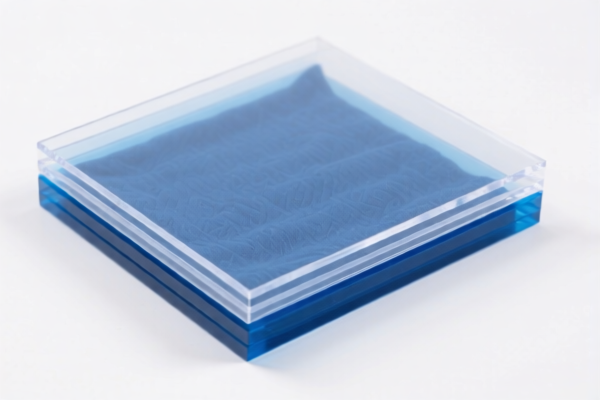
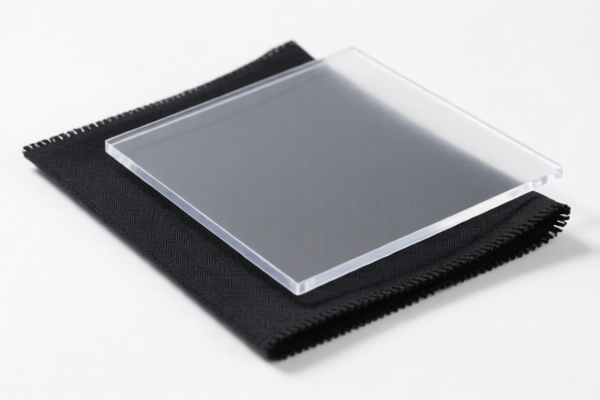
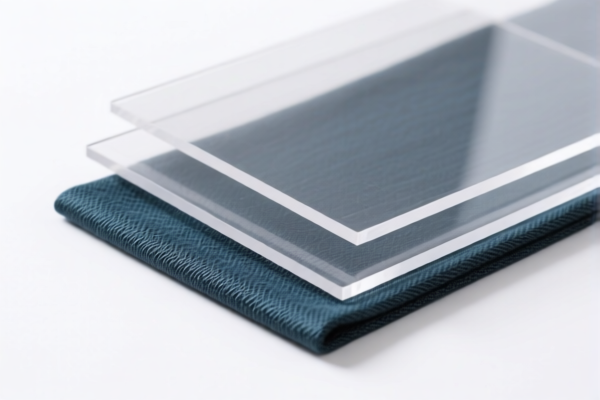
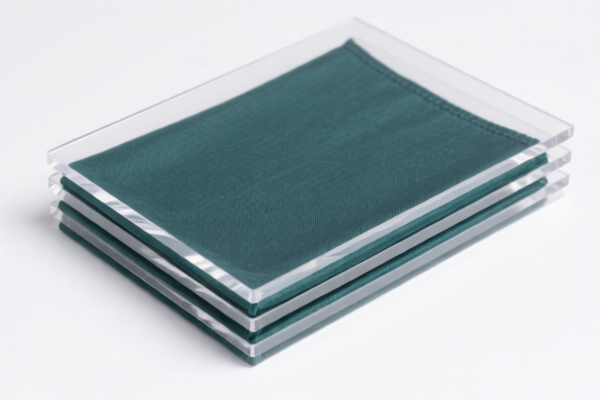
AI Analysis
🏗️ Textile Composite Plastic Translucent Board (PVC + Fabric Composite)
🌐 HS Code Reference & Customs Clearance Guide | 2026 Latest Tariff Analysis | Professional Clearance Strategy
📌 I. Product Definition & Classification: Do You Really Understand "PVC Composite Boards"?
The Textile Composite Plastic Translucent Board is a hybrid material widely used in construction (awnings, greenhouse covers), signage (lightboxes), and industrial applications (tarpaulins, tents). It is composed of a PVC (Polyvinyl Chloride) coating or lamination bonded to a textile fabric base (usually polyester or fiberglass).
In international trade, the classification depends critically on whether customs views this product primarily as a Plastic Sheet/Membrane or as an Impregnated/Laminated Textile Fabric.
⚠️ Key Distinction Point:
- If the fabric is considered the essential character, and the PVC is merely a surface treatment/coating → Classify under Chapter 59 (Impregnated Textiles).
- If the plastic layer provides the structural integrity, or it is sold as a rigid/semi-rigid board/sheet where plastic is dominant → Classify under Chapter 39 (Plastics).
📦 II. HS Code Classification Details (2026 Latest Tariff Authoritative Comparison)
Based on the provided data, there are 5 potential HS Codes depending on the specific composition, thickness, and manufacturing process. The duty rates vary significantly due to US Trade Policy (Section 301 & IEEPA).
| HS Code | Product Description | Key Classification Logic | Total Tax Rate (US/CN) |
|---|---|---|---|
3921.12.11.00 |
PVC Plates/Sheets/Films, Reinforced/Composite | Plastic-centric: PVC board/sheet including composite fabric attributes. Fits "Plastic plates/sheets" category. | 39.2% |
5903.10.20.10 |
Textile Fabrics, Impregnated/Covered with PVC | Textile-centric: "PVC" indicates material, "Composite Fabric" fits "Textile fabrics impregnated/coated/laminated". | 35.0% |
3921.12.15.00 |
PVC Plates/Sheets, Combined with Textile Materials | Hybrid/Specific: PVC board/sheet specifically combined with textile materials as per structural requirements. | 41.5% |
5903.10.20.90 |
Other Textile Fabrics, Impregnated/Covered with PVC | Textile-centric: General PVC-coated laminated textile fabrics (if not specified for lightbox/signage use). | 35.0% |
3920.43.50.00 |
Other Plates/Sheets of Polyvinyl Chloride | Pure Plastic-centric: PVC polymer-made plates/sheets ("Other" category), ignoring the fabric composite aspect. | 39.2% |
🔍 Crucial Reminder:
- The highest tax (41.5%) applies if classified under 3921.12.15.00 (Specific PVC composite board).
- The lowest tax (35.0%) applies if classified under 5903 (Textile fabrics), provided the product is clearly defined as a flexible fabric/roll.
- Misclassification Risk: Declaring a thick, rigid "board" as a "textile fabric" may lead to customs rejection. Declaring a flexible "tarpaulin" as a "rigid plate" is also risky.
💰 III. 2026 Latest Tariff Rate Breakdown (Including Surcharges & Policy Add-ons)
✅ Applicable Country: United States (US)
✅ Origin: China (CN)
✅ Effective Date: Since Nov 10, 2025 (and subsequent imports)
🎯 1. 3921.12.11.00 & 3920.43.50.00 —— PVC Plates/Sheets (Plastic Category)
| Item | Content |
|---|---|
| Base Duty Rate | 4.2% (Ad Valorem) |
| Section 301 Surcharge | +25.0% (USITC Footnote 9903.88.01 or similar Section 301 provisions) |
| IEEPA Surcharge | +10.0% (Against China/HK products, effective from Nov 10, 2025) |
| Total Tax Rate | 39.2% |
| Tax Calculation | CIF Value × 39.2% |
| De Minimis Exemption | ❌ Not Eligible (deny_de_minimis) |
| Legal Basis Path | IEEPA:9903.01.25 → Section 301 → USITC:3921.12.11.00 / 3920.43.50.00 |
📌 Explanation:
- These codes fall under Chapter 39 (Plastics).
- The 25% is the standard Section 301 tariff on many plastic products from China.
- The 10% is the specific IEEPA surcharge added in late 2025.
- Total Burden: Nearly 40% of the product value is lost to tariffs.
🎯 2. 5903.10.20.10 & 5903.10.20.90 —— Impregnated Textile Fabrics (Textile Category)
| Item | Content |
|---|---|
| Base Duty Rate | 0.0% (Ad Valorem) |
| Section 301 Surcharge | +25.0% |
| IEEPA Surcharge | +10.0% |
| Total Tax Rate | 35.0% |
| Tax Calculation | CIF Value × 35.0% |
| De Minimis Exemption | ❌ Not Eligible (deny_de_minimis) |
| Legal Basis Path | IEEPA:9903.01.24 → Section 301 → USITC:5903.10.20.10 / 5903.10.20.90 |
📌 Explanation:
- These codes fall under Chapter 59 (Textile Fabrics).
- Although the base duty is 0%, the 25% Section 301 and 10% IEEPA surcharges still apply.
- Total Burden: 35%, which is 4.2 percentage points lower than the Chapter 39 options.
- Strategy: If the product can be legitimately classified as a "Textile Fabric" (e.g., sold in rolls, flexible, primarily for covering/tarpaulin use), this offers significant savings.
🎯 3. 3921.12.15.00 —— Specific PVC Composite Boards (Plastic Category)
| Item | Content |
|---|---|
| Base Duty Rate | 6.5% (Ad Valorem) |
| Section 301 Surcharge | +25.0% |
| IEEPA Surcharge | +10.0% |
| Total Tax Rate | 41.5% |
| Tax Calculation | CIF Value × 41.5% |
| De Minimis Exemption | ❌ Not Eligible (deny_de_minimis) |
| Legal Basis Path | IEEPA:9903.01.25 → Section 301 → USITC:3921.12.15.00 |
📌 Explanation:
- This is the most expensive classification.
- It implies a specific type of PVC board combined with textiles, often viewed as a specialized construction material.
- Avoid this code unless the product is rigid, thick, and clearly a "board/panel" rather than a flexible fabric.
🛠️ IV. Customs Clearance Practical Advice (Real-World Pitfall Avoidance Guide)
✅ 1. Required Documentation List (No Missing Items)
| Document | Must Provide? | Description |
|---|---|---|
| ✅ Product Specification Sheet | ✔️ | Include dimensions, weight per sqm, PVC thickness, fabric type (polyester/fg), translucency level. |
| ✅ Composition Ratio | ✔️ | Clearly state % of PVC vs. Fabric. This determines Chapter 39 vs. Chapter 59. |
| ✅ Product Photos | ✔️ | Show flexibility (bending test) to support "fabric" classification if claiming 5903. |
| ✅ Commercial Invoice | ✔️ | Accurate description: "PVC Coated Polyester Fabric" vs. "PVC Composite Board". |
| ✅ Packing List | ✔️ | Indicate if sold in rolls (fabric) or cut sheets (board). |
| ✅ Certificate of Origin (CO) | ✔️ | For proof of Chinese origin. |
✅ 2. Declaration Tips (Key Mantra)
🔥 “Rolls = Textile (35%), Boards = Plastic (39-41.5%)! Flexibility Matters!”
| Scenario | Correct Declaration | Wrong Practice |
|---|---|---|
| Flexible rolls, used for tarps/tents | 5903.10.20.10 (Textile) |
Declaring as "Plastic Sheet" → 39.2% |
| Rigid panels, used for signage/lightboxes | 3921.12.11.00 (Plastic) |
Declaring as "Fabric" → Risk of reclassification penalty |
| Thick, stiff composite | 3921.12.15.00 (Specific Plastic) |
Declaring as "Thin Fabric" → Customs rejection |
| Lightbox film (flexible) | 5903.10.20.90 (Textile) |
Declaring as "Board" → 41.5% |
📌 Note:
- If the product is semi-rigid (can be bent but holds shape), it is a gray area.
- Best Practice: Provide a flexibility test report or photos showing it can be rolled without cracking. This supports the Chapter 59 (Textile) argument, saving 4.2%-6.5% in tariffs.
✅ 3. Special Circumstances
| Situation | Handling Suggestion |
|---|---|
| Lightbox Film (Translucent) | If it’s a thin, flexible film on a fabric base, argue for 5903.10.20.90 (35%). If it’s a rigid acrylic/PVC board, use 3921.12.11.00 (39.2%). |
| Greenhouse Covering | Usually flexible, roll-packed. Strongly support 5903.10.20.10 (35%). |
| Construction Panel | If it’s a rigid panel for building walls, use 3921.12.15.00 (41.5%). Do not try to misclassify rigid panels as fabric. |
| Mixed Containers | If shipping both flexible films and rigid boards, declare separately. Do not lump them under one HS code. |
🌍 V. Global Market Comparison (2026 Latest)
| Country/Region | Recommended HS Code | Tariff (China Origin) | Certification | Remarks |
|---|---|---|---|---|
| 🇺🇸 USA | 5903.10.20.10 (Textile) |
35% | N/A | Lowest rate if classified as textile. 3921 is 39.2%. |
| 🇨🇳 China | 5903.10.20.10 |
~2-5% | N/A | Low import duty. |
| 🇪🇺 EU | 5903.10.20 |
0-6% | CE/REACH | VAT applies. |
| 🇦🇺 Australia | 5903.10.20 |
5% | N/A | Standard GST applies. |
📌 Conclusion:
- The USA is the most critical market due to high surcharges.
- Classification is key: Saving 4.2% on a $1M shipment = $42,000 savings.
- Textile classification (35%) is cheaper than Plastic classification (39.2%-41.5%).
- Strategy: If the product allows, lean towards Chapter 59 (Textile) declaration to minimize costs.
📌 VI. Common Mistakes & Pitfall Guide (Blood & Tears Lessons)
❌ Mistake 1: Calling a rigid PVC board a "PVC Coated Fabric" to get 35% tax.
👉 Consequence: Customs inspects, finds it’s rigid, reclassifies to 3921.12.15.00 → 41.5% + fines + delay.
❌ Mistake 2: Declaring flexible film as "Plastic Sheets" (3921) without reason.
👉 Consequence: Overpaying 4.2%-6.5% unnecessarily.
❌ Mistake 3: Ignoring the IEEPA 10% surcharge.
👉 Consequence: Unexpected bill at port. Both Chapter 39 and 59 have the 10% IEEPA add-on.
❌ Mistake 4: Mixing "Board" and "Film" in one invoice line item.
👉 Consequence: Customs request for clarification, potential detention of goods.
✅ Correct Approach:
"PVC Coated Polyester Fabric, Flexible, Translucent, Sold in Rolls, for Tent/Coverage Use" →
5903.10.20.10(35%)
"Rigid PVC Composite Panel, for Signage, Cut to Size" →3921.12.11.00(39.2%)
🎯 VII. Conclusion: Professional Declaration, Save Cost, Ensure Clearance!
🎯 Remember the Mantra:
🔹 "Rolls are Textile (35%), Boards are Plastic (39-41.5%)."
🔹 "Flexibility proves Textile, Rigidity proves Plastic."
🔹 "Don’t pay 41.5% when 35% is possible."
📌 Pro Tip:
If your product is on the edge (semi-rigid), consider pre-ruling (Advance Ruling) with US CBP. Provide samples and photos. This gives you legal certainty before shipping.
Also, check if your supplier can provide a Certificate of Composition proving the textile base is substantial enough to justify Chapter 59.
📣 Immediate Action:
📞 Contact your customs broker.
📄 Provide Product Photos (bending test).
📄 Ask: "Can we classify this as 5903.10.20.10 to save 4.2%?"
🚀 Clearance Efficiency, Cost Reduction, Profit Maximization!
✨ Professional Clearance Starts with Accurate Classification!
💼 Every Percent Saved is Pure Profit!
Customer Reviews
About HS Code Classification
The Harmonized System (HS) is an internationally standardized nomenclature developed by the World Customs Organization (WCO) to classify traded products. Over 200 countries use the HS system as the basis for customs tariffs, trade statistics, and import/export regulations.
Each HS code follows a hierarchical structure:
- Chapter (2 digits) — Broad category of goods (e.g., Chapter 84: Machinery and Mechanical Appliances)
- Heading (4 digits) — More specific grouping within the chapter
- Subheading (6 digits) — Internationally standardized breakdown, used by all WCO member countries
- National subdivisions (8-10 digits) — Country-specific extensions for further classification, such as US HTSUS 10-digit codes
Correct HS code classification is essential for smooth customs clearance, accurate duty payment, and compliance with trade regulations. Misclassification can lead to customs delays, overpayment of duties, or penalties.
When importing from CN to US, the applicable tariff rates may include:
- Most-Favored-Nation (MFN) rate — The standard duty rate applied to WTO members
- General rate — Applied to countries without trade agreements
- Trade remedy duties — Additional tariffs such as Section 301 (anti-dumping), Section 232 (national security), or countervailing duties
The information provided on this page is for reference purposes only. For official classification, please consult with your local customs authority or a licensed customs broker.