Tire (HS Code 4011300050)
CN → US| HS Code | Tariff Rate | Origin | Destination | Doc |
|---|---|---|---|---|
| 4011801010 | 35.0% | CN | US | Official Doc |
| 4011300050 | 35.0% | CN | US | Official Doc |
| 4011300010 | 35.0% | CN | US | Official Doc |
| 4011300050 | 35.0% | CN | US | Official Doc |
| 4011300050 | 35.0% | CN | US | Official Doc |
Product Images
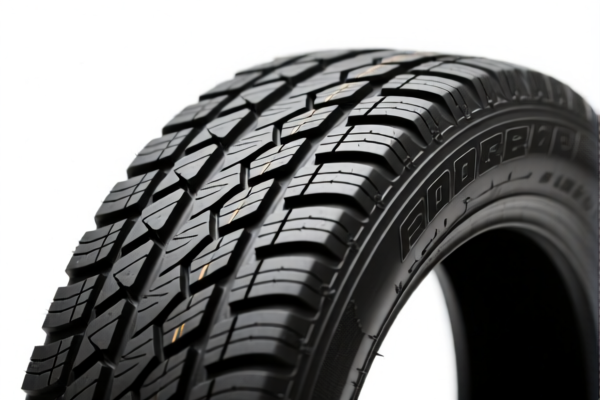
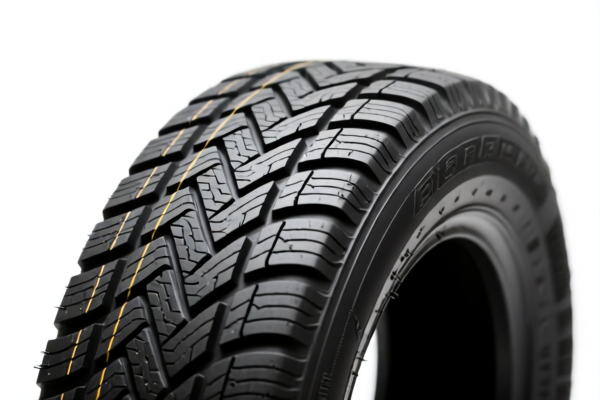
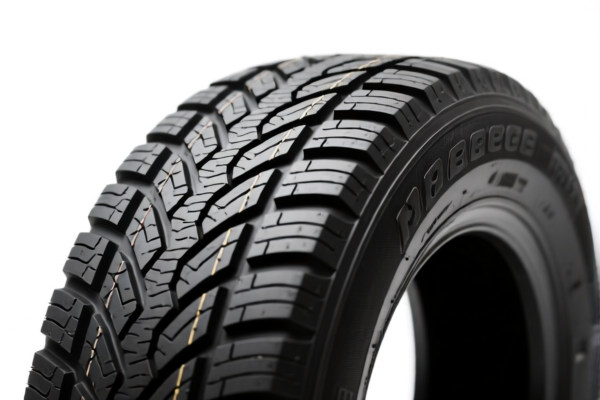
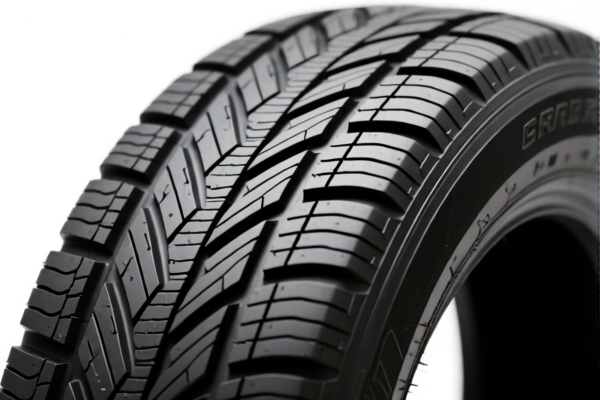
AI Analysis
🛞 Tires: The High-Stakes Classification Guide (HS Code 4011.30.00.50)
🌐 HS Code Reference & Customs Clearance Guide | 2026 Latest Tariff Analysis | Strategic Clearance Strategy
📌 1. Product Definition & Classification: Do You Really Understand "Tires"?
Tires are the critical interface between a vehicle and the road, determining safety, performance, and efficiency. In international trade, they are strictly regulated under Chapter 40 (Rubber and Articles Thereof).
The specific HS Code 4011.30.00.50 refers to:
"Rubber Pneumatic Tires, Fitted for Other Vehicles"
(Often interpreted as a "catch-all" or residual category for vehicle tires not specifically assigned to passenger cars, trucks, buses, or aircraft in other subheadings.)⚠️ Key Distinction:
- Passenger Car Tires usually fall under4011.20.
- Truck/Bus Tires usually fall under4011.30(but often require specific 8-digit/10-digit codes like.10or.80).
- Aircraft Tires fall under4011.30.00.10.
-4011.30.00.50is the "Residual" or "Other" category for rubber pneumatic tires that do not fit the precise definitions of passenger, truck, bus, or aviation tires, or meet specific "catch-all" classification logic.
📦 2. HS Code Classification Details (2026 Latest Tariff Authority Mapping)
Based on the provided data, here is the detailed mapping of the HS Codes and their tax implications.
| HS Code | Product Description | Applicable Scenario | Tax Status (US Import from China) |
|---|---|---|---|
4011.30.00.50 |
Rubber Pneumatic Tires (Catch-All/Other) | Tires for vehicles not specifically classified elsewhere (e.g., certain agricultural, off-road, or industrial vehicles where specific codes don't apply). | 35% Total Duty |
4011.30.00.10 |
Rubber Pneumatic Tires for Aircraft | Specifically for civil aviation aircraft. | 35% Total Duty |
4011.80.10.10 |
Rubber Tires (General/Other) | Non-pneumatic tires or other rubber tire types not covered above. | 35% Total Duty |
4011.30.00.50 |
Rubber Pneumatic Tires (Aviation Logic Match) | Note: Despite the description, this code is listed with aviation-like logic in some systems but retains the 35% rate. | 35% Total Duty |
🔍 Critical Insight:
- All listed HS Codes carry a total tax rate of 35%.
- There is no tax advantage in choosing4011.30.00.50over4011.30.00.10for aircraft tires if you are importing from China, as both are taxed at 35%.
- Misclassification Risk: If you are importing aircraft tires and declare them under4011.30.00.50instead of4011.30.00.10, you may face customs scrutiny for incorrect description, even if the rate is the same. Always use the most specific code (4011.30.00.10for aircraft).
💰 3. 2026 Latest Tariff Rate Breakdown (Including Additional Duties)
✅ Applicable Country: United States (US)
✅ Country of Origin: China (CN)
✅ Effective Date: Ongoing (Post-Section 301 & IEEPA measures)
🎯 Universal Rate for All Listed Codes (4011.30.00.50, 4011.30.00.10, 4011.80.10.10)
| Item | Content |
|---|---|
| Base Tariff Rate | 0% (Ad Valorem) |
| Section 301 Additional Tariff | +25% (Under US Trade Law Section 301) |
| IEEPA Section 122 Tariff | +10% (Under International Emergency Economic Powers Act) |
| Total Tax Rate | 35% |
| Duty Calculation | CIF Value × 35% |
| De Minimis Exemption | ❌ Not Applicable (Deny De Minimis) |
| Legal Basis Path | USITC:4011.30.00.50 → FOOTNOTE:301 (25%) → IEEPA:122 (10%) |
📌 Explanation:
- "Section 301 Tariff 25%": Applied to Chinese imports of rubber tires under specific trade remedy lists.
- "IEEPA Tariff 10%": Additional surcharge under Section 122 of the Trade Expansion Act, targeting strategic imports from China.
- Total 35%: This is a very high effective duty rate. Importers must factor this into their cost structure immediately.
🛠️ 4. Practical Clearance Advice (Real-World Pitfall Guide)
✅ 1. Required Documentation Checklist (Non-Negotiable)
| Document | Must Provide | Notes |
|---|---|---|
| ✅ Product Specification Sheet | ✔️ | Must specify: Size, Ply Rating, Tread Pattern, Vehicle Type (e.g., "Off-Road Vehicle," "Agricultural Tractor"). |
| ✅ Technical Drawings/Photos | ✔️ | Show sidewall markings (DOT code, size, type). |
| ✅ Commercial Invoice | ✔️ | Clearly state: "Rubber Pneumatic Tires, Model XYZ, Made in China." |
| ✅ Certificate of Origin (CO) | ✔️ | Essential for verifying Chinese origin. |
| ✅ Packing List | ✔️ | List quantities, weights, and dimensions per box/pallet. |
| ✅ Import License/Compliance Certs | ✔️ | For aircraft tires: FAA/EASA compliance docs. For vehicle tires: DOT safety standards. |
✅ 2. Declaration Tips (Key Mnemonics)
🔥 "Specify the Vehicle, Not Just the Tire!"
| Scenario | Correct Declaration | Wrong Practice |
|---|---|---|
| Aircraft Tires | Use 4011.30.00.10 + "For Aircraft Use" |
Declaring as 4011.30.00.50 → Risk of customs delay for misclassification. |
| Off-Road/Industrial Tires | Use 4011.30.00.50 + "For Tractors/Construction Vehicles" |
Using vague terms like "General Tires" → May trigger additional scrutiny. |
| Passenger Car Tires | Use 4011.20... (NOT 30 series) |
Using 4011.30... → Wrong HS Code, potential penalty. |
| Non-Pneumatic Tires | Use 4011.80... |
Declaring as pneumatic → Major discrepancy. |
✅ 3. Special Case Handling
| Scenario | Handling Advice |
|---|---|
| OEM Tires for Specific Vehicles | Provide the end-user vehicle type (e.g., "Fit for John Deere Tractor") to justify 4011.30.00.50. |
| Aircraft Tires | Must declare as 4011.30.00.10. Even if the rate is the same, incorrect classification can lead to fines for providing false information. |
| Mixed Shipments | If a shipment contains both aircraft and general tires, split the lines in the entry. Do not consolidate under one code unless identical. |
| Transshipment via Third Countries | If shipped via Vietnam or Mexico, but origin is China, you still pay 35%. Customs looks at the country of origin, not the port of entry. |
🌍 5. Global Market Comparison (2026 Latest)
| Country/Region | Recommended HS Code | Tariff (China Origin) | Certification | Notes |
|---|---|---|---|---|
| 🇺🇸 USA | 4011.30.00.50 / .10 |
35% (25% Sec 301 + 10% IEEPA) | DOT (for vehicles), FAA (for aircraft) | Highest barrier; no de minimis. |
| 🇨🇳 China | 4011.30.00.50 |
~5-10% (Import Duty) | CCC | Low duty, but check for environmental taxes. |
| 🇪🇺 EU | 4011.30 |
0% (if no trade barrier) | ECE R54 (Trucks), R75 (Cars) | No additional retaliatory tariffs, but strict safety certs. |
| 🇬🇧 UK | 4011.30 |
0% | UKCA Mark | Post-Brexit rules apply. |
| 🇯🇵 Japan | 4011.30 |
0% | JIS/JATMA | Low duty, high inspection standards. |
📌 Conclusion:
- The US market is the most expensive for Chinese-made tires due to the 35% effective tariff.
- No duty advantage exists between4011.30.00.50and4011.30.00.10for Chinese goods.
- Compliance is key: Misclassifying aircraft tires (4011.30.00.10) as general tires (4011.30.00.50) can lead to legal risks, even if the tax is the same.
📌 6. Common Errors & Pitfalls (Blood & Tears Lessons)
❌ Error 1: Declaring Aircraft Tires under 4011.30.00.50
👉 Consequence: Customs may flag for "False Description." Even though the rate is 35%, you risk penalties for inaccurate paperwork.
✅ Fix: Always use 4011.30.00.10 for aircraft tires.
❌ Error 2: Assuming "De Minimis" applies
👉 Consequence: Tires are excluded from the $800 de minimis exemption for Chinese goods.
✅ Fix: Plan for 35% duty payment on all shipments.
❌ Error 3: Using "Tires" as the product name without specifying "Pneumatic" or "Non-Pneumatic"
👉 Consequence: Customs may request additional documentation, causing 2-4 week delays.
✅ Fix: Use precise names: "Rubber Pneumatic Tires for Off-Road Vehicles."
❌ Error 4: Ignoring the IEEPA 10% Surcharge
👉 Consequence: Underestimating landed cost by 10%, leading to profit margin erosion.
✅ Fix: Include 35% in all cost calculations.
🎯 7. Conclusion: Smart Classification, Cost Control, and Compliance
🎯 Key Takeaways:
🔹 "For Aircraft Tires: Use
4011.30.00.10. For Others: Use4011.30.00.50. Both pay 35% from China."
🔹 "35% is the floor, not the ceiling. Misclassification adds risk without saving money."
🔹 "No De Minimis: Pay attention to every pallet."
📌 Pro Tip:
If your tires are not from China (e.g., Vietnam, Thailand, EU), you may qualify for 0% or lower tariffs in the US.
✅ Recommendation:
📞 Consult a Customs Broker: Verify the exact vehicle application to ensure the most specific HS Code is used.
📑 Apply for an Advance Ruling: If your tire type is unique, request a binding ruling from CBP to avoid disputes.
📣 Immediate Action:
🚀 Accurate Documentation + Correct HS Code = Smooth Clearance
💼 Your Profit Margin Depends on Your Classification!
✨ Professional Customs Clearance Starts with Precision!
💼 Every Penny of Duty Must Be Justified!
Customer Reviews
About HS Code Classification
The Harmonized System (HS) is an internationally standardized nomenclature developed by the World Customs Organization (WCO) to classify traded products. Over 200 countries use the HS system as the basis for customs tariffs, trade statistics, and import/export regulations.
Each HS code follows a hierarchical structure:
- Chapter (2 digits) — Broad category of goods (e.g., Chapter 84: Machinery and Mechanical Appliances)
- Heading (4 digits) — More specific grouping within the chapter
- Subheading (6 digits) — Internationally standardized breakdown, used by all WCO member countries
- National subdivisions (8-10 digits) — Country-specific extensions for further classification, such as US HTSUS 10-digit codes
Correct HS code classification is essential for smooth customs clearance, accurate duty payment, and compliance with trade regulations. Misclassification can lead to customs delays, overpayment of duties, or penalties.
When importing from CN to US, the applicable tariff rates may include:
- Most-Favored-Nation (MFN) rate — The standard duty rate applied to WTO members
- General rate — Applied to countries without trade agreements
- Trade remedy duties — Additional tariffs such as Section 301 (anti-dumping), Section 232 (national security), or countervailing duties
The information provided on this page is for reference purposes only. For official classification, please consult with your local customs authority or a licensed customs broker.