Tire (HS Code 4011802010)
CN → US| HS Code | Tariff Rate | Origin | Destination | Doc |
|---|---|---|---|---|
| 4011205050 | 38.4% | CN | US | Official Doc |
| 4011801010 | 35.0% | CN | US | Official Doc |
| 4011205030 | 38.4% | CN | US | Official Doc |
| 4011802010 | 39.0% | CN | US | Official Doc |
| 4011205010 | 38.4% | CN | US | Official Doc |
Product Images
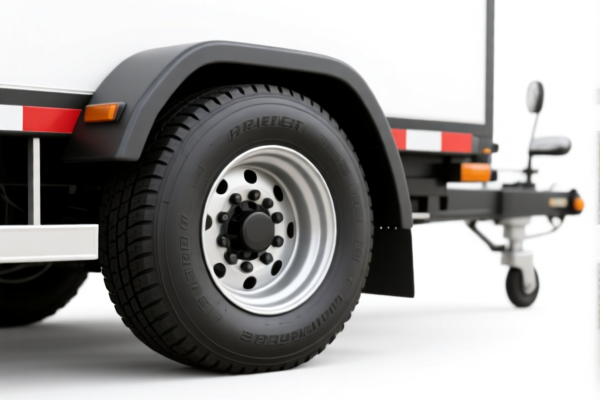
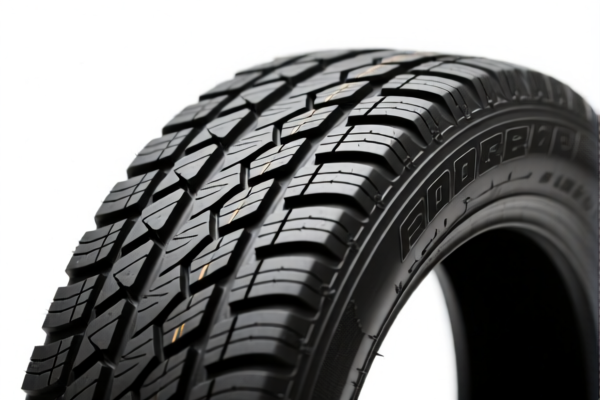
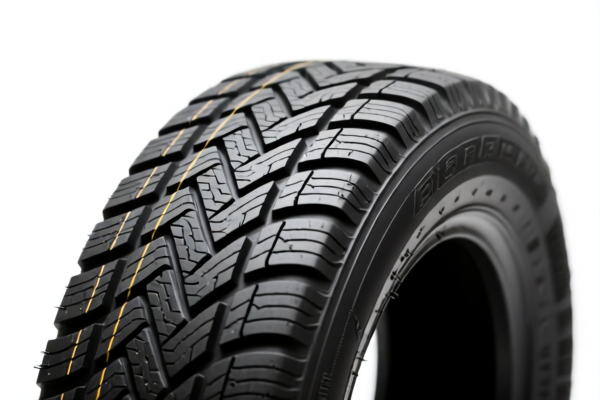
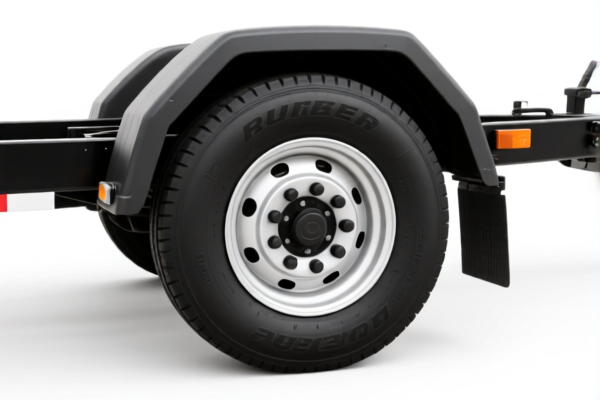
AI Analysis
🚛 Tires (Specifically HS Code 4011.80.20.10 & Neighbors)
🌐 HS Code Reference & Customs Clearance Guide | 2026 Latest Tariff Breakdown | Professional Clearance Strategy
📌 1. Product Definition & Classification: Do You Know Which "Tire" You Are Importing?
Tires are critical components for automotive and industrial transport. In international trade, not all tires are created equal. The difference between a "Passenger Car Tire" and a "Truck/Bus Tire" or "Off-the-Road (OTR) Tire" can mean a difference of thousands of dollars in duties due to specific US trade restrictions (Section 301 & Section 122).
The user input "Tire (HS Code 4011802010)" points directly to Rubber Pneumatic Tires, New, but specifically aligns with subheadings often used for Truck, Bus, or Heavy-Duty Tires. However, the data provided highlights a cluster of related HS codes with slightly different tax implications.
⚠️ Key Distinction:
- 4011.20.xxxx: Typically refers to Passenger Vehicle Tires (cars, SUVs).
- 4011.80.xxxx: Typically refers to Truck, Bus, and Heavy-Duty Tires (including OTR).
- Crucial Note: Despite similar names, the tax rates vary due to base duties and specific trade section tariffs.
📦 2. HS Code Classification Details (2026 Latest Tariff Authority Cross-Reference)
Based on the provided data, here is the breakdown of the specific HS codes associated with "Tires":
| HS Code | Product Description | Application Scenario | Tax Profile Summary |
|---|---|---|---|
4011.80.20.10 |
Rubber Pneumatic Tires, New (Similar to 4011802010) | Trucks, Buses, Heavy-Duty Vehicles. This is the most likely match for the user's "4011802010" input. | 39.0% Total (Highest) |
4011.80.10.10 |
Rubber Tires, Material & Use Identical | General Heavy-Duty Tires. Often used for specific industrial or military applications within the 80xx series. | 35.0% Total (Lowest Base Duty) |
4011.20.50.50 |
Rubber Pneumatic Tires, Non-Road Use & Others | Off-the-Road (OTR) Tires (e.g., forklifts, excavators) or specific non-standard pneumatic tires. | 38.4% Total |
4011.20.50.30 |
Rubber Pneumatic Tires, Bus/Truck Related | Bus & Truck Tires. Note: This falls under 4011.20 (often passenger category) but specifies heavy use. | 38.4% Total |
4011.20.50.10 |
Other Rubber Pneumatic Tires (Sub-detail) | Miscellaneous/Other Pneumatic Tires. Used for less common or residual categories not covered above. | 38.4% Total |
🔍 Critical Reminder:
- HS Code 4011.80.20.10 carries the highest total tax rate (39.0%) among these options due to a slightly higher base duty (4.0%).
- HS Code 4011.80.10.10 offers the lowest total tax rate (35.0%) because it has 0% base duty, despite having the same additional tariffs.
- Misclassification between "Passenger" (4011.20) and "Truck/Bus" (4011.80) is the #1 cause of customs delays and penalties.
💰 3. 2026 Latest Tariff Rate Breakdown (Including Add-Ons & Policy Surcharges)
✅ Applicable Country: United States (US)
✅ Origin: China (CN)
✅ Effective Time: Current active tariffs (Section 301 & Section 122)
🎯 1. 4011.80.20.10 —— Truck/Bus Heavy-Duty Tires
| Item | Content |
|---|---|
| Base Duty Rate | 4.0% |
| Section 301 Surcharge | +25.0% (Additional Duty under US Trade Law Section 301) |
| Section 122 Surcharge | +10.0% (Tariff under Section 122, often related to national security/industrial base) |
| Total Tax Rate | 39.0% |
| Tax Calculation | CIF Value × 39.0% |
| De Minimis Eligibility | ❌ Not Eligible (Deny De Minimis) |
| Legal Basis Path | USITC:4011.80.20.10 → Section 301 → Section 122 |
📌 Explanation:
- This code represents standard heavy-duty tires with a 4% base tariff.
- The 25% Section 301 tariff is standard for Chinese rubber goods.
- The 10% Section 122 is an additional layer, pushing the total to 39%.
- High Cost Alert: This is the most expensive option in the dataset.
🎯 2. 4011.80.10.10 —— Rubber Tires (Identical Material/Use)
| Item | Content |
|---|---|
| Base Duty Rate | 0.0% |
| Section 301 Surcharge | +25.0% |
| Section 122 Surcharge | +10.0% |
| Total Tax Rate | 35.0% |
| Tax Calculation | CIF Value × 35.0% |
| De Minimis Eligibility | ❌ Not Eligible (Deny De Minimis) |
| Legal Basis Path | USITC:4011.80.10.10 → Section 301 → Section 122 |
📌 Note:
- This code has a 0% base duty, which saves you 4% compared to4011.80.20.10.
- If your product specification allows, classifying under this code (if technically accurate) can save significant costs.
- Often used for specific industrial or non-standard pneumatic tires that fall under the "80" heading but not the "20" subheading.
🎯 3. 4011.20.50.50 / 4011.20.50.30 / 4011.20.50.10 —— Non-Road / Bus / Other Pneumatic Tires
| Item | Content |
|---|---|
| Base Duty Rate | 3.4% |
| Section 301 Surcharge | +25.0% |
| Section 122 Surcharge | +10.0% |
| Total Tax Rate | 38.4% |
| Tax Calculation | CIF Value × 38.4% |
| De Minimis Eligibility | ❌ Not Eligible (Deny De Minimis) |
| Legal Basis Path | USITC:4011.20.50.x → Section 301 → Section 122 |
📌 Note:
- These codes fall under 4011.20 (Passenger/Car tires) but are specified for non-road, bus, or other uses.
- The base duty is 3.4%, resulting in a 38.4% total rate.
- Warning: Do not misclassify a Truck Tire (4011.80) as a Car Tire (4011.20) to avoid tariffs. The base duty difference (4.0% vs 3.4%) is minor compared to the risk of classification fraud.
🛠️ 4. Customs Clearance Practical Advice (Real-World Pitfall Avoidance)
✅ 1. Documentation Checklist (Non-Negotiable)
| Document | Must Provide | Explanation |
|---|---|---|
| ✅ Product Spec Sheet | ✔️ | Must include: Outer Diameter, Width, Ply Rating, Tread Pattern, Intended Vehicle Type (Car/Truck/Bike). |
| ✅ Tire sidewall Photo | ✔️ | Clear image showing DOT Code, Size (e.g., 225/60R16), and Max Load. |
| ✅ Commercial Invoice | ✔️ | Must specify "Rubber Pneumatic Tire, New" and precise HS Code. Avoid generic "Tire" without details. |
| ✅ Certificate of Origin | ✔️ | If not from China, apply for preferential tariffs. If from China, confirm Country of Origin precisely. |
| ✅ Packing List | ✔️ | List quantities per carton, total gross weight. Tires are bulky; weight matters for freight and inspection. |
✅ 2. Declaration Tips (Key Mnemonics)
🔥 "Size Matters, Type Defines, Base Duty Varies!"
| Scenario | Correct Declaration | Incorrect Practice |
|---|---|---|
| Passenger Car Tire | 4011.20.xxxx (Base 3.4%) |
Misdeclare as Truck Tire → Penalty |
| Truck/Bus Tire | 4011.80.20.10 (Base 4.0%) |
Misdeclare as Car Tire → Audit Risk |
| OTR (Forklift/Excavator) | 4011.20.50.50 (Non-Road) |
Misdeclare as General Tire → Delay |
| Retreaded Tires | 4012.xxxx (Different Heading) |
Declare as "New Tire" → Fraud |
| Tire Inner Tubes | 4009.xxxx (Separate Heading) |
Include in Tire Value without separation → Valuation Issue |
✅ 3. Special Case Handling
| Scenario | Handling Advice |
|---|---|
| OEM Private Label Tires | Ensure the invoice matches the brand on the sidewall. Mismatches trigger inspections. |
| "4011802010" Ambiguity | The user input 4011802010 lacks periods. Ensure it is mapped to 4011.80.20.10. Confirm if it is Radial or Non-Radial (Radial is usually 4011.20 or 4011.80; Non-Radial may differ). Note: Data assumes Radial Pneumatic for 4011.80. |
| Mixed Containers | If a container has both Car Tires (4011.20) and Truck Tires (4011.80), declare separately. Mixing them can complicate audit trails. |
| Section 301 Exclusions | Check if your specific tire model was ever on the USITC exclusion list (most are not anymore). Assume 25%+10% is mandatory. |
🌍 5. Global Market Customs Comparison (2026 Latest)
| Country/Region | Recommended HS Code | Tariff (China Origin) | Certification | Remarks |
|---|---|---|---|---|
| 🇺🇸 USA | 4011.80.20.10 |
39.0% (4% Base + 35% Add-ons) | No specific US tire safety cert for import, but DOT code required. | Highest Tariff Regime |
| 🇨🇳 China | 4011.80.20.10 |
~10-15% (Varies) | CCC (if applicable) | Low import duty, high production volume |
| 🇪🇺 EU | 4011.80 |
3.5% - 4.5% | ECE R117 (Noise/Wet Grip) | No Section 301/122 tariffs |
| 🇧🇷 Brazil | 4011.80 |
~14% - 20% | INMETRO | Complex tax structure (ICMS, IPI) |
| 🇲🇽 Mexico | 4011.80 |
0% - 5% (USMCA) | NOM | Check USMCA origin for zero duty |
📌 Conclusion:
- USA is the most expensive market for Chinese tires due to Section 301 (25%) + Section 122 (10%).
- Total effective tariff is 35% - 39%.
- Consider supply chain diversification (Vietnam, Thailand, Mexico) if volume is high, as these countries may have 0% or lower tariffs under USMCA or GSP (if applicable).
📌 6. Common Errors & Pitfall Guide (Lessons Learned)
❌ Error 1: Declaring a Truck Tire (4011.80) as a Passenger Tire (4011.20)
👉 Consequence: If caught, penalties for undervaluation of duty. Even if duty is slightly lower (3.4% vs 4.0%), the risk of an audit outweighs the savings.
❌ Error 2: Ignoring Section 122 (10%) in cost calculation
👉 Consequence: Profit margin erosion. Many suppliers only quote "301 Tariff (25%)" but forget the additional 10% Section 122. Total cost is 35-39%, not 25-28.5%.
❌ Error 3: Vague Description: "Tires"
👉 Consequence: Customs may detain shipment for lack of detail. Must include "Rubber Pneumatic, New, for [Vehicle Type]".
❌ Error 4: Misreading HS Code Digits
👉 Consequence: 4011.80.20.10 vs 4011.80.10.10. The last digits matter for statistical reporting and specific duty applications.
✅ Correct Practice:
"Rubber Pneumatic Tires, New, Radial, 11R22.5, For Heavy Duty Trucks, DOT Certified, HS Code: 4011.80.20.10"
🎯 7. Conclusion: Precision in Classification Saves Thousands!
🎯 Remember the Golden Rule:
🔹 "Truck Tires are 39%, Car Tires are 38.4%, Don't Guess, Check the Base!"
🔹 "Section 301 + Section 122 = 35% Add-On. Don't Forget the 4% Base!"
📌 Pro Tip:
If you are importing large volumes, consider Advance Rulings from CBP (U.S. Customs and Border Protection) to confirm the exact HS Code for your specific tire model (e.g., OTR vs. Truck vs. Bus). This protects you from retroactive penalties.
📣 Immediate Action:
📞 Verify HS Code with your freight forwarder.
📉 Calculate landed cost using 39% (for 4011.80.20.10) or 35% (for 4011.80.10.10).
🚀 Ensure DOT codes are visible on all tires before shipping.
✨ Professional Clearance Starts with Accurate Classification!
💼 Your Profit Margin Depends on the Last Digit of the HS Code!
Customer Reviews
About HS Code Classification
The Harmonized System (HS) is an internationally standardized nomenclature developed by the World Customs Organization (WCO) to classify traded products. Over 200 countries use the HS system as the basis for customs tariffs, trade statistics, and import/export regulations.
Each HS code follows a hierarchical structure:
- Chapter (2 digits) — Broad category of goods (e.g., Chapter 84: Machinery and Mechanical Appliances)
- Heading (4 digits) — More specific grouping within the chapter
- Subheading (6 digits) — Internationally standardized breakdown, used by all WCO member countries
- National subdivisions (8-10 digits) — Country-specific extensions for further classification, such as US HTSUS 10-digit codes
Correct HS code classification is essential for smooth customs clearance, accurate duty payment, and compliance with trade regulations. Misclassification can lead to customs delays, overpayment of duties, or penalties.
When importing from CN to US, the applicable tariff rates may include:
- Most-Favored-Nation (MFN) rate — The standard duty rate applied to WTO members
- General rate — Applied to countries without trade agreements
- Trade remedy duties — Additional tariffs such as Section 301 (anti-dumping), Section 232 (national security), or countervailing duties
The information provided on this page is for reference purposes only. For official classification, please consult with your local customs authority or a licensed customs broker.