Tire (HS Code 4012124025)
CN → US| HS Code | Tariff Rate | Origin | Destination | Doc |
|---|---|---|---|---|
| 4011205030 | 38.4% | CN | US | Official Doc |
| 4011205050 | 38.4% | CN | US | Official Doc |
| 4011801010 | 35.0% | CN | US | Official Doc |
Product Images
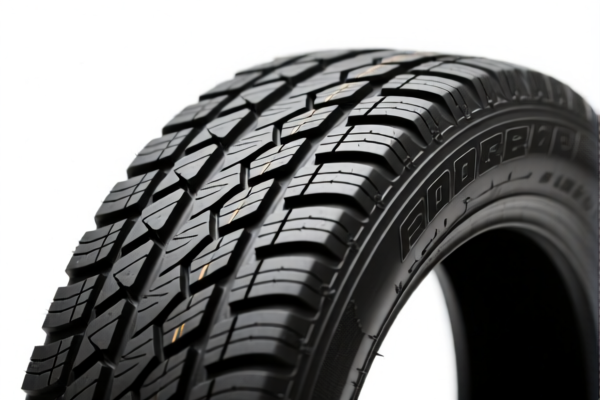
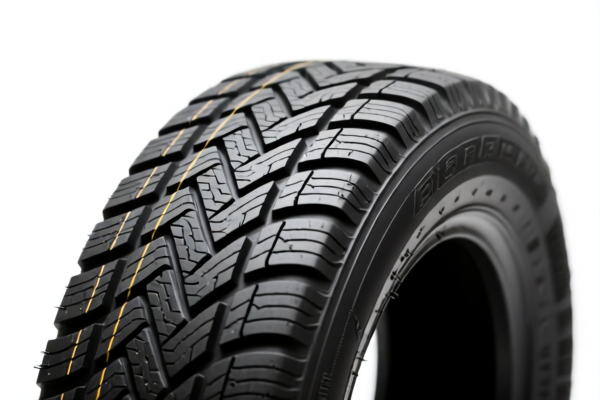
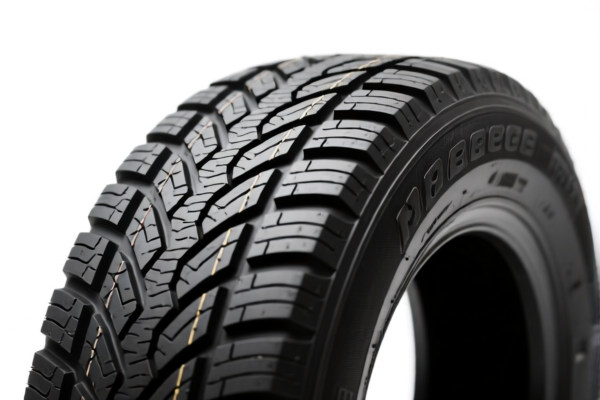
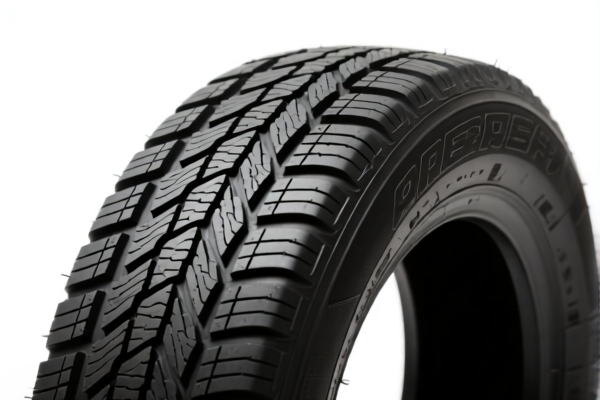
AI Analysis
🚛 Tires (Tires for Passenger Cars, Trucks, Buses & Off-Road)
🌐 HS Code Reference & Customs Clearance Guide | 2026 Latest Tariff Analysis | Professional Clearance Strategy
📌 I. Product Definition & Classification: Are You Classifying Correctly?
Tires are critical safety components for vehicles, classified primarily under Chapter 40 (Rubber and Articles Thereof). However, the HS Code varies significantly based on material, type (pneumatic/non-pneumatic), and intended use (passenger car, bus/truck, or off-road).
⚠️ Critical Distinction:
- 4012.12.40.25 refers specifically to Used Pneumatic Tires for passenger cars.
- The data provided in your query (4011...) refers to New Pneumatic Tires.
- Misclassification leads to severe penalties, seizure, or excessive duties.
📦 II. HS Code Classification Details (Based on Provided Data)
The following HS Codes are derived from the provided <DATA> and reflect New Pneumatic Rubber Tires. Note that 4012.12.40.25 (Used Tires) is NOT included in the provided tax data, implying a mismatch. The provided data focuses on New Tires for specific vehicle types.
| HS Code | Product Description | Target Vehicle | Material | Key Classification Logic |
|---|---|---|---|---|
4011.20.50.30 |
New Pneumatic Rubber Tires for buses or trucks | Buses & Trucks | Rubber | Explicitly matches "Bus/Truck related" use. |
4011.20.50.50 |
New Pneumatic Rubber Tires (Other) | Other/General | Rubber | Inferred as non-off-road, non-specified new tires. |
4011.80.10.10 |
New Pneumatic Rubber Tires (Other) | Other/General | Rubber | Broad category for other new pneumatic tires. |
🔍 Important Note on
4012.12.40.25:
This code typically refers to USED tires for passenger cars. If you are importing NEW tires, DO NOT use this code. Using a "Used Tire" code for new products is a major customs violation. The provided tax data applies to NEW tires under 4011.
💰 III. 2026 Latest Tariff Rate Breakdown (High Tariff Scenario)
✅ Applicable Country: United States (US)
✅ Origin: China (CN) (Implied by "122 Clause" and "Add-on Tariffs")
✅ Effective Date: 2025/2026 (Current Trade Environment)
🎯 1. HS Code 4011.20.50.30 — New Tires for Buses/Trucks
| Item | Detail |
|---|---|
| Base Tariff | 3.4% |
| Section 301 / Add-on Tariff | 25.0% |
| Section 122 Clause Tariff | 10.0% |
| Total Tariff Rate | 38.4% |
| Tax Calculation | CIF Value × 38.4% |
| De Minimis Eligibility | ❌ No (High risk of audit/seizure) |
| Legal Basis Path | USITC:4011.20.50.30 → Section 301: Footnote 9903.88.01 → Section 122: UFLPA/Trade Act |
📌 Explanation:
- Base 3.4%: Standard MFN rate for rubber tires.
- 25% Add-on: Result of US-China trade tensions (Section 301).
- 10% Section 122: Additional tariff on specific Chinese imports.
- Total 38.4%: Extremely high cost. Must be factored into pricing.
🎯 2. HS Code 4011.20.50.50 — Other New Pneumatic Tires
| Item | Detail |
|---|---|
| Base Tariff | 3.4% |
| Section 301 / Add-on Tariff | 25.0% |
| Section 122 Clause Tariff | 10.0% |
| Total Tariff Rate | 38.4% |
| Tax Calculation | CIF Value × 38.4% |
| De Minimis Eligibility | ❌ No |
| Legal Basis Path | USITC:4011.20.50.50 → Section 301 → Section 122 |
📌 Explanation:
- Same tax structure as4011.20.50.30.
- Applies when the specific "Bus/Truck" designation is not explicitly clear, or for other commercial vehicles not covered by .30.
🎯 3. HS Code 4011.80.10.10 — Other New Pneumatic Tires
| Item | Detail |
|---|---|
| Base Tariff | 0.0% |
| Section 301 / Add-on Tariff | 25.0% |
| Section 122 Clause Tariff | 10.0% |
| Total Tariff Rate | 35.0% |
| Tax Calculation | CIF Value × 35.0% |
| De Minimis Eligibility | ❌ No |
| Legal Basis Path | USITC:4011.80.10.10 → Section 301 → Section 122 |
📌 Explanation:
- Lower Base Rate (0%): This code often covers tires that do not fit the specific "Bus/Truck" or "Passenger Car" sub-headings more precisely, sometimes benefiting from a lower base MFN rate.
- Total 35.0%: Slightly cheaper than the 38.4% rates, but still very high.
- Caution: Misusing this code to avoid the 3.4% base rate on bus/truck tires can lead to reclassification penalties.
🛠️ IV. Customs Clearance Practical Advice (Avoiding Pitfalls)
✅ 1. Required Documentation Checklist
| Document | Required | Description |
|---|---|---|
| ✅ Product Specification Sheet | ✔️ | Must include: Tire Size (e.g., 225/65R17), Load Index, Speed Rating, Tread Pattern, DOT Number, Country of Origin. |
| ✅ Commercial Invoice | ✔️ | Clearly state: "NEW RUBBER TIRE FOR MOTOR VEHICLES", HS Code, Unit Price, Total CIF Value. |
| ✅ Packing List | ✔️ | Detail number of tires per pallet, gross/net weight. |
| ✅ Country of Origin Certificate | ✔️ | Crucial for determining Section 301 and 122 applicability. |
| ✅ DOT Compliance Label | ✔️ | Each tire must have a DOT stamp indicating US safety standards. |
| ✅ Bill of Lading/Air Waybill | ✔️ | Proof of shipment. |
✅ 2. Declaration Tips (Key Mantra)
🔥 "New vs. Used is Life or Death! Specify Vehicle Type Precisely!"
| Scenario | Correct Declaration | Wrong Declaration |
|---|---|---|
| New Bus Tires | 4011.20.50.30 |
Using 4012 (Used) code → Seizure! |
| New Passenger Car Tires | Check specific 4011.12 or 4011.20 subheadings | Using generic 4011.80 if specific fits better |
| Tires + Rims (Mounted) | Often classified as "Parts" or separate if not mounted for sale | Claiming as "Tires" when rims are included |
| Used Tires | 4012.12.40.25 (or similar) |
Using new tire codes → Fraud! |
✅ 3. Special Cases
| Case | Handling Advice |
|---|---|
| OEM Tires | Provide original equipment manufacturer (OEM) documents to prove origin and quality. |
| Mixed Container | If container has both new and used tires, segregate clearly. Mixing leads to inspection of the whole shipment. |
| Chinese Origin | Expect 35-38.4% tariffs. Plan margin accordingly. Consider third-country transshipment risks (strict scrutiny). |
🌍 V. Global Market Comparison (2026)
| Country/Region | Recommended HS Code (New) | Base Tariff | Additional Duties (China) | Total Est. | Notes |
|---|---|---|---|---|---|
| 🇺🇸 USA | 4011.20.50.30 / .50 / .80 |
0-3.4% | +35% (301+122) | 35-38.4% | Highest tariffs. Strict DOT rules. |
| 🇨🇳 China | 4011.20 |
0-10% | None | 0-10% | Lower barriers for imports. |
| 🇪🇺 EU | 4011 |
4.5% | None | 4.5% | CE marking required for some components. |
| 🇲🇽 Mexico | 4011 |
0-5% | NAFT/USMCA checks | 0-5% | Proximity to US allows flexible logistics. |
📌 Conclusion:
- USA is the most challenging market due to high tariffs and strict regulatory checks.
- EU and China are more tariff-friendly.
- Always verify the "New" vs. "Used" status.
📌 VI. Common Mistakes & Pitfalls
❌ Mistake 1: Using 4012.12.40.25 (Used Tires) for New Tires.
👉 Consequence: Customs seizure, fines, and potential import ban. Used tires have different environmental regulations.
❌ Mistake 2: Omitting DOT Number on labels.
👉 Consequence: Rejection at US border. DOT compliance is mandatory.
❌ Mistake 3: Misclassifying Bus/Truck Tires as Passenger Car Tires to get a lower base rate (if applicable).
👉 Consequence: Audit, back-tariffs, and penalties.
❌ Mistake 4: Ignoring Section 122 tariffs.
👉 Consequence: Unexpected 10% charge on top of 301 tariffs.
✅ Correct Practice:
"New Pneumatic Rubber Tires for Buses, Size 12R22.5, Load Range H, DOT USABC12345, Made in China"
🎯 VII. Conclusion: Precision Classification Saves Money!
🎯 Key Takeaways:
🔹 "New Tires: 35-38.4% Duty. Used Tires: Different Code!"
🔹 "DOT Number is Mandatory for USA!"
🔹 "Always provide Spec Sheets to avoid Classification Disputes!"
📌 Pro Tip:
If you are importing Used Tires (4012.12.40.25), ensure you have proper environmental compliance documentation. If you are importing New Tires, use the 4011 codes provided and budget for high US tariffs.
📣 Immediate Action:
📞 Contact a Licensed Customs Broker for pre-classification ruling.
📄 Ensure DOT Labels are Applied Correctly.
📊 Calculate Landed Cost with 38.4% Duty for US Imports.
✨ Professional Clearance Starts with Accurate Classification!
💼 Your Profit Margin Depends on Correct Tariff Codes!
Customer Reviews
About HS Code Classification
The Harmonized System (HS) is an internationally standardized nomenclature developed by the World Customs Organization (WCO) to classify traded products. Over 200 countries use the HS system as the basis for customs tariffs, trade statistics, and import/export regulations.
Each HS code follows a hierarchical structure:
- Chapter (2 digits) — Broad category of goods (e.g., Chapter 84: Machinery and Mechanical Appliances)
- Heading (4 digits) — More specific grouping within the chapter
- Subheading (6 digits) — Internationally standardized breakdown, used by all WCO member countries
- National subdivisions (8-10 digits) — Country-specific extensions for further classification, such as US HTSUS 10-digit codes
Correct HS code classification is essential for smooth customs clearance, accurate duty payment, and compliance with trade regulations. Misclassification can lead to customs delays, overpayment of duties, or penalties.
When importing from CN to US, the applicable tariff rates may include:
- Most-Favored-Nation (MFN) rate — The standard duty rate applied to WTO members
- General rate — Applied to countries without trade agreements
- Trade remedy duties — Additional tariffs such as Section 301 (anti-dumping), Section 232 (national security), or countervailing duties
The information provided on this page is for reference purposes only. For official classification, please consult with your local customs authority or a licensed customs broker.