Transparent PP Tape
CN → US| HS Code | Tariff Rate | Origin | Destination | Doc |
|---|---|---|---|---|
| 3919102040 | 40.8% | CN | US | Official Doc |
| 3919905040 | 40.8% | CN | US | Official Doc |
Product Images
AI Analysis
🎀 Transparent PP Tape (Polypropylene Packaging Tape)
🌐 HS Code Reference & Customs Clearance Guide | 2026 Latest Tariff Analysis | Professional Clearance Strategy
📌 I. Product Definition & Classification: What Exactly is "PP Tape"?
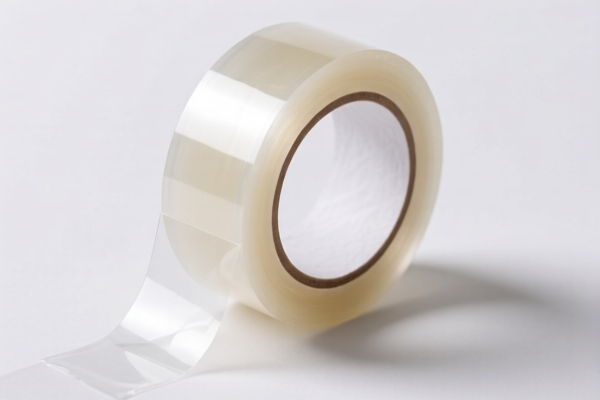
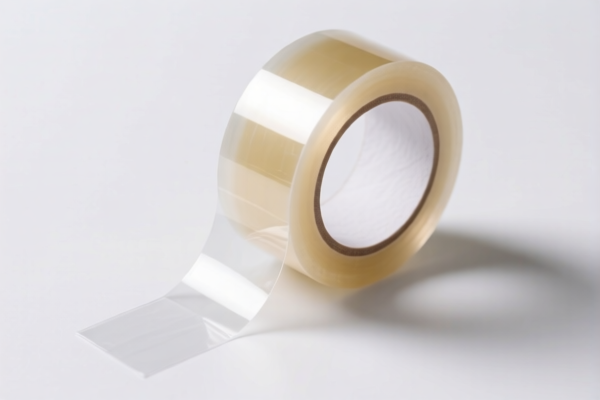
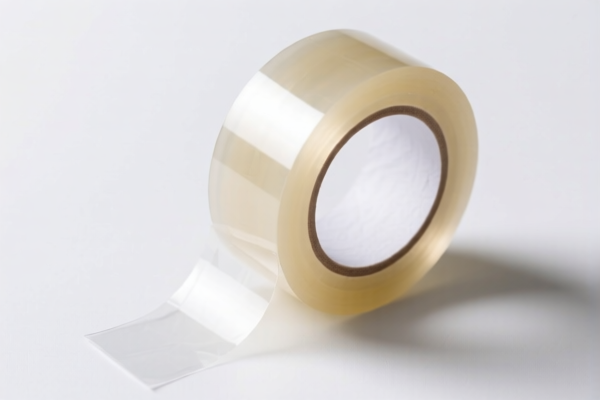
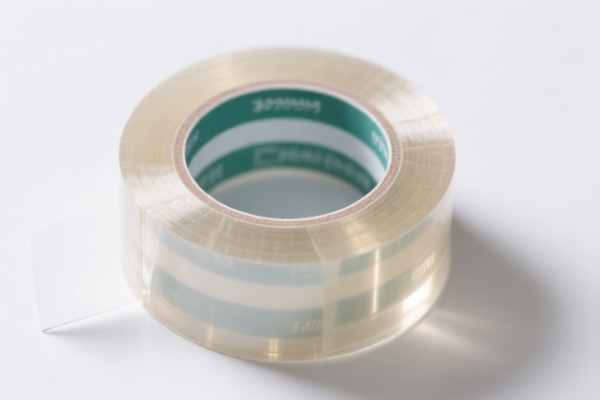
Transparent PP Tape, commonly known as "packing tape" or "box sealing tape," is a self-adhesive plastic tape primarily used for sealing cardboard boxes during shipping and storage. In international trade, it is classified under Chapter 39: Plastics and Articles Thereof, specifically as Self-Adhesive Plates, Sheets, Film, Foil, Tape, Strip, and Other Shapes.
The critical distinction in classification lies in the sub-category of the self-adhesive plastic material: * Head-coded tapes (3919.10...): Usually refers to tapes specifically designed for labeling or marking (e.g., adhesive labels, identifying tapes). * Other self-adhesive tapes (3919.90...): Refers to general-purpose packaging tapes, including the common transparent polypropylene (BOPP) tapes used for sealing boxes.
⚠️ Key Distinction:
- If the tape is primarily for packaging/sealing (common transparent BOPP tape) → Generally falls under 3919.90.50.40.
- If the tape is specifically for labeling/markings (e.g., price tags, product identification strips) → Generally falls under 3919.10.20.40.
Note: The provided data suggests both codes are matched with identical tax implications for this specific query context, likely due to overlapping interpretations or specific product attributes not fully detailed.
📦 II. HS Code Classification Details (2026 Latest Tariff Authoritative Comparison)
| HS Code | Product Description | Application Scenario | Material/Feature |
|---|---|---|---|
3919.90.50.40 |
Other self-adhesive plates, sheets, film, foil, tape, strip, and other shapes, of plastics | Primary Match: General transparent packaging tape, BOPP tape for box sealing | Plastic-based, self-adhesive, general purpose |
3919.10.20.40 |
Self-adhesive plates, sheets, film, foil, tape, strip, and other shapes, of plastics, put up in rolls of a width not exceeding 20 cm, whether or not in small rolls or cut to shape | Secondary Match: Self-adhesive tapes, often associated with labeling or specific narrow-width applications | Plastic-based, self-adhesive, roll format |
🔍 Key Reminder:
- Both codes fall under Chapter 39 (Plastics).
- The primary differentiator is the specific usage (Packaging vs. Labeling), but in many customs systems, generic "Transparent PP Tape" is often defaulted to 3919.90.50.40 unless specified as "labeling tape."
- Material Assumption: Based on common sense, "Transparent Tape" is assumed to be made of Plastic (Polypropylene/BOPP), which is a flat, self-adhesive product.
💰 III. 2026 Latest Tariff Rate Details (Including Surcharges & Policy Add-ons)
✅ Applicable Country: United States (US)
✅ Origin: China (CN)
✅ Effective Time: 2025/2026 (Current Trade War Context)
🎯 1. 3919.90.50.40 —— General Self-Adhesive Plastic Tape (Packaging)
| Item | Content |
|---|---|
| Base Tariff Rate | 5.8% (Ad Valorem) |
| Section 301 Surtax | +25.0% (Additional Tariff on Chinese Goods) |
| Section 122 Tariff | +10.0% (Specific Tariff on Certain Chinese Products, often related to trade remedies or specific list items) |
| Total Tax Rate | 40.8% |
| Tax Calculation | CIF Value × 40.8% |
| De Minimis Exemption? | ❌ No (Denied) |
| Legal Basis Path | USMCA:3919.90.50.40 → Section301:Footnote9903.88.01 → Section122:SpecificList |
📌 Explanation:
- "Base Tariff 5.8%": The standard Most Favored Nation (MFN) rate for plastic self-adhesive tapes.
- "Section 301 Surtax 25%": Applied due to the "List 3/4" inclusion of plastic products from China under the US-China trade dispute.
- "Section 122 Tariff 10%": An additional layer of surcharge applicable to this specific sub-category under current trade enforcement.
- Total 40.8% is a very high effective rate, significantly impacting profit margins.
🎯 2. 3919.10.20.40 —— Self-Adhesive Tapes (Rolls, ≤20cm width)
| Item | Content |
|---|---|
| Base Tariff Rate | 5.8% (Ad Valorem) |
| Section 301 Surtax | +25.0% (Additional Tariff on Chinese Goods) |
| Section 122 Tariff | +10.0% (Specific Tariff on Certain Chinese Products) |
| Total Tax Rate | 40.8% |
| Tax Calculation | CIF Value × 40.8% |
| De Minimis Exemption? | ❌ No (Denied) |
| Legal Basis Path | USMCA:3919.10.20.40 → Section301:Footnote9903.88.01 → Section122:SpecificList |
📌 Note:
- Despite the different HS code description, the tax structure is identical in this dataset.
- This implies that regardless of whether the tape is classified as "general" or "labeling," it is subject to the same punitive tariffs.
- Material: Still assumed to be Plastic (PP/BOPP).
🛠️ IV. Customs Clearance Practical Advice (Battle-Tested Pitfall Avoidance)
✅ 1. Document Checklist (Non-Negotiable)
| Document | Required | Description |
|---|---|---|
| ✅ Product Specification Sheet | ✔️ | Must specify: Material (PP/BOPP), Width, Length, Thickness, Adhesive Type (Acrylic/Solvent). |
| ✅ Product Photos | ✔️ | Clear images of the tape roll, core, and packaging. Show transparency and adhesion. |
| ✅ Commercial Invoice | ✔️ | Must clearly state: "Transparent PP Tape" or "BOPP Packing Tape." Avoid vague terms like "Plastic Tape." |
| ✅ Packing List | ✔️ | Detail net weight, gross weight, and number of rolls/boxes. |
| ✅ Certificate of Origin (CO) | ✔️ | If applicable, to prove origin (Note: China origin triggers high tariffs). |
| ✅ Declaration of Non-Asbestos/Non-Hazardous | ✔️ | PP tape is non-hazardous, but some customs may request confirmation. |
✅ 2. Declaration Tips (Critical Keywords)
🔥 "Be Specific, Be Accurate: 'PP' or 'BOPP' Saves Time!"
| Scenario | Correct Declaration | Wrong Practice |
|---|---|---|
| Standard Box Sealing Tape | Transparent PP Packing Tape, BOPP, Self-Adhesive |
Just "Tape" or "Plastic Tape" → High risk of reclassification |
| Labeling Tape | Self-Adhesive Labeling Tape, Paper/Plastic, Roll |
Misdeclaring as "Packing Tape" → May trigger different duty checks |
| Raw Rolls | BOPP Tape Rolls, Width: 48mm, Length: 100m |
Undeclared dimensions → Customs may estimate width/length incorrectly |
| Finished Boxes with Tape Applied | Cardboard Boxes, Sealed with PP Tape |
Declaring tape separately if it's incidental → Should be part of the box value |
✅ 3. Special Handling & Strategies
| Situation | Handling Advice |
|---|---|
| De Minimis (Section 321) Risk | ❌ Do NOT rely on $800 de minimis for China-origin PP tape. The data explicitly states deny_de_minimis. Shipments will be fully taxed at 40.8%. |
| Origin Masking | ⚠️ Illegal to misdeclare. If tape is made in China, declare China. Attempting to ship via Vietnam/Thailand without substantial transformation may trigger anti-circumvention investigations. |
| Material Substitution | Consider Paper Tape (Kraft Paper Tape) if applicable. Paper tapes often have lower or zero Section 301 tariffs. Check HS Code 4819 for alternatives. |
| Pre-Ruling | ✅ Highly Recommended. Apply for an Advance Ruling (CBP Ruling) to confirm if your specific tape falls under 3919.90.50.40 or if a duty-exempt category applies. |
🌍 V. Global Market Clearance Comparison (2026 Latest)
| Country/Region | Recommended HS Code | Tariff (China Origin) | Certification | Notes |
|---|---|---|---|---|
| 🇺🇸 United States | 3919.90.50.40 |
40.8% (5.8% Base + 25% Sec 301 + 10% Sec 122) | None (General) | Highest barrier. No de minimis. |
| 🇨🇳 China | 3919.90.50.40 |
5% (Import Tariff) | None | Low entry barrier for domestic production. |
| 🇪🇺 European Union | 3919.90.90 |
0% - 2.7% | CE (if applicable) | No Section 301 equivalent. |
| 🇬🇧 United Kingdom | 3919.90.90 |
0% - 2.7% | UKCA | Post-Brexit rules may vary slightly. |
| 🇯🇵 Japan | 3919.90.90 |
0% - 3.8% | PSE (if applicable) | Generally low tariffs. |
📌 Conclusion:
- The US is the only major market with punitive 40.8% tariffs on Chinese PP tape.
- EU, UK, Japan, and other markets are favorable.
- Strategy: If targeting the US, consider sourcing from Vietnam/Thailand/Mexico (with proper proof of substantial transformation) to avoid Section 301 tariffs, OR restructure supply chain to include non-plastic alternatives (e.g., Paper Tape).
📌 VI. Common Mistakes & Pitfall Guide (Lessons Learned)
❌ Mistake 1: Relying on de minimis for B2B shipments of PP tape from China
👉 Consequence: Denied. Customs will assess full 40.8% duty + penalties.
👉 Solution: Include tariff costs in B2B pricing model.
❌ Mistake 2: Vague Declaration: "Plastic Tape"
👉 Consequence: Customs may classify under a different, higher-dutied code or delay clearance for inspection.
👉 Solution: Use specific terms: "BOPP Tape," "Polypropylene Tape," "Packing Tape."
❌ Mistake 3: Ignoring Section 122 surcharge
👉 Consequence: Underestimating landed cost by 10%.
👉 Solution: Always add 10% to your 301 tariff calculation for this category.
❌ Mistake 4: Mixing Paper Tape and PP Tape in one shipment without separate HS codes
👉 Consequence: Classification confusion. Paper tape may have lower tariffs.
👉 Solution: Declare separately. Use HS Code 4819 for paper tape if applicable.
✅ Correct Practice:
"Transparent BOPP Packing Tape, Polypropylene, Self-Adhesive, Roll Width: 48mm, Made in China"
🎯 VII. Conclusion: Professional Declaration, Cost Optimization
🎯 Remember the Golden Rules:
🔹 "No De Minimis for China PP Tape in US."
🔹 "40.8% is the new normal for Chinese BOPP tape in US."
🔹 "Consider Paper Tape Alternatives to Cut Tariffs."
📌 Tips:
- If your PP tape is not made in China (e.g., sourced from Vietnam), ensure you have a Certificate of Origin and proof of substantial transformation.
- Consult a Customs Broker to explore Section 321 (de minimis) exemptions for non-China origin tape.
- Pre-apply for CBP Rulings if your product has unique features (e.g., printed tape, specific adhesive types).
📣 Immediate Action:
📞 Contact Your Customs Broker Today
📦 Review Your BOM (Bill of Materials) for Non-China Sources
📉 Evaluate Paper Tape Alternatives for US Market
🚀 Optimize Your Landed Cost Calculation for 2026!
✨ Precision Classification, Maximum Profit!
💼 Every Percentage Point of Tariff Matters!
Customer Reviews
About HS Code Classification
The Harmonized System (HS) is an internationally standardized nomenclature developed by the World Customs Organization (WCO) to classify traded products. Over 200 countries use the HS system as the basis for customs tariffs, trade statistics, and import/export regulations.
Each HS code follows a hierarchical structure:
- Chapter (2 digits) — Broad category of goods (e.g., Chapter 84: Machinery and Mechanical Appliances)
- Heading (4 digits) — More specific grouping within the chapter
- Subheading (6 digits) — Internationally standardized breakdown, used by all WCO member countries
- National subdivisions (8-10 digits) — Country-specific extensions for further classification, such as US HTSUS 10-digit codes
Correct HS code classification is essential for smooth customs clearance, accurate duty payment, and compliance with trade regulations. Misclassification can lead to customs delays, overpayment of duties, or penalties.
When importing from CN to US, the applicable tariff rates may include:
- Most-Favored-Nation (MFN) rate — The standard duty rate applied to WTO members
- General rate — Applied to countries without trade agreements
- Trade remedy duties — Additional tariffs such as Section 301 (anti-dumping), Section 232 (national security), or countervailing duties
The information provided on this page is for reference purposes only. For official classification, please consult with your local customs authority or a licensed customs broker.