Unprocessed Sheepskin
CN → US| HS Code | Tariff Rate | Origin | Destination | Doc |
|---|---|---|---|---|
| 4301300000 | 10.0% | CN | US | Official Doc |
| 4102103000 | 12.0% | CN | US | Official Doc |
| 4301900000 | 10.0% | CN | US | Official Doc |
| 4102101000 | 17.5% | CN | US | Official Doc |
| 5101111000 | 35.0% | CN | US | Official Doc |
Product Images
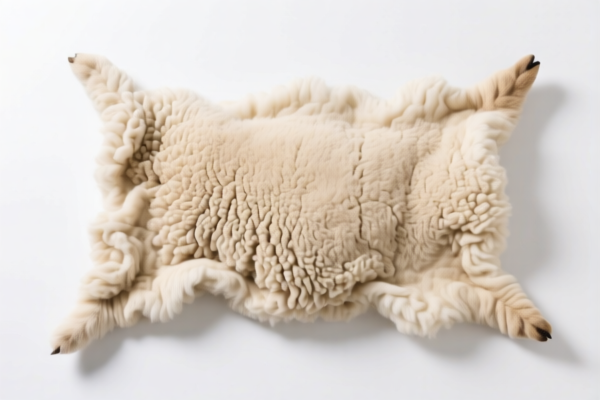
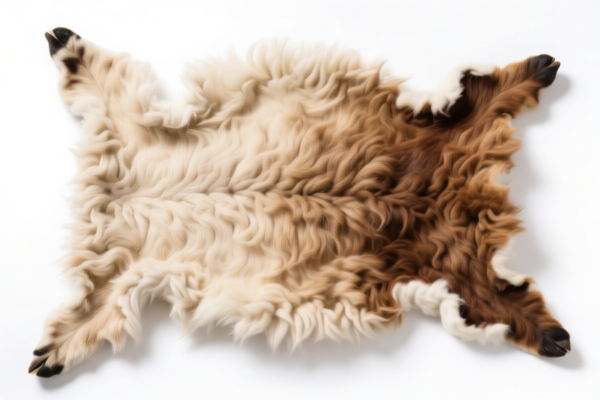
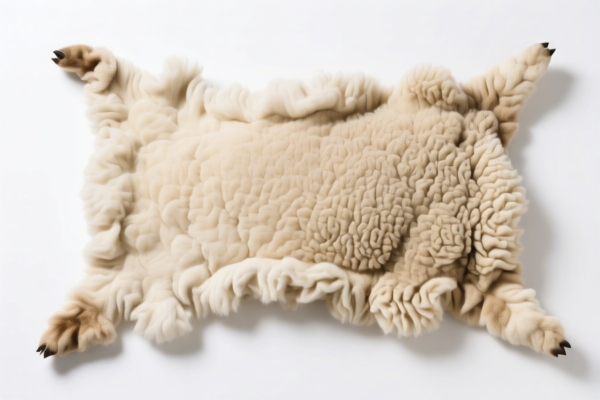
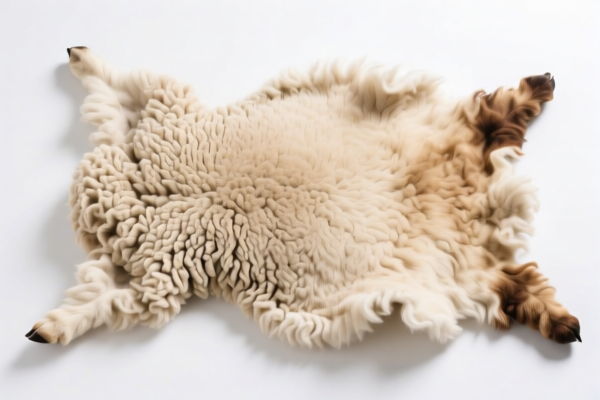
AI Analysis
🐑 Unprocessed Sheepskin (Raw Sheepskins & Lambskins)
🌐 HS Code Reference & Customs Clearance Guide | 2026 Latest Tariff Analysis | Professional Customs Strategy
📌 I. Product Definition & Classification: What Exactly Is "Unprocessed Sheepskin"?
Unprocessed sheepskin, in the context of international trade and customs classification, refers to raw animal skins obtained from sheep or lambs that have not undergone tanning, curing, or significant processing. The classification hinges on two critical factors:
1. State of Preservation: Is it merely salted/dried (raw skin) or does it retain the wool/fleece intact?
2. Material Nature: Is it treated as a leather precursor (Chapter 41) or a furskin (Chapter 43)?
⚠️ Critical Distinction:
- If the skin is raw, unsalted/salted, but wool/hide is intact → Often classified under Chapter 43 (Fur skins) if the wool is valuable/intact, or Chapter 41 (Raw hides & skins) if it’s treated as a leather raw material.
- If it is raw, salted, and processed into pelts with wool → Chapter 43.
- If it is raw, salted, and intended for tanning into leather → Chapter 41.
📦 II. HS Code Classification Details (2026 Latest Tariff Authority Alignment)
Based on the provided data, here are the specific HS Codes for "Unprocessed Sheepskin" and their corresponding tax implications:
| HS Code | Product Description | Applicable Scenario | Key Classification Criteria |
|---|---|---|---|
4301.30.00.00 |
Raw Sheepskin Wool Fur, Material: Sheep Wool Fur, Form: Raw Fur, Complies with Lamb & Similar Fur Scope | Intact wool pelts, high-value fur grade, not for immediate tanning into leather | ✅ Raw Fur (Chapter 43) |
4102.10.30.00 |
Raw Sheepskin Wool Fur, Material: Sheepskin, Form: Untanned Raw Fur, Complies with Sheep or Lamb Raw Skin Scope | Raw skins salted/dried, intended for leather production, wool may be removed or less valuable | ✅ Raw Skin (Chapter 41) |
4301.90.00.00 |
Raw Sheepskin Wool Fur, Material: Cashmere (Fur Type), Form: Raw Fur (Slices/Shreds) | Damaged, sliced, or shredded raw fur, not suitable as whole pelts | ✅ Raw Fur Scrap (Chapter 43) |
4102.10.10.00 |
Raw Sheepskin Wool Fur, Material: Sheepskin or Lambskin, Form: Unpre-tanned Primary State | Raw hides/skins in prime condition, ready for tanning, no wool or wool removed | ✅ Raw Hide/Skin (Chapter 41) |
5101.11.10.00 |
Sheep Wool Fur, Material: Uncombed or Unwashed Wool/Fleece, Form: Raw Wool (Primary State) | Note: This code applies to wool/fleece separated from skin, not the skin itself. If the product is only wool, not the hide. | ❌ Wool Only (Chapter 51) |
🔍 Key Reminder:
- Chapter 43 (4301) applies to fur skins (wool intact, valuable as fur).
- Chapter 41 (4102) applies to raw hides/skins (for leather production).
- Chapter 51 (5101) applies only to wool/fleece, not the skin. If the skin is included, it’s misclassified.
💰 III. 2026 Latest Tariff Rate Details (Including Surcharges, Policy Add-ons)
✅ Applicable Country: United States (US)
✅ Origin: China (CN)
✅ Effective Date: November 10, 2025 onwards (including subsequent imports)
🎯 1. 4301.30.00.00 —— Raw Sheepskin Wool Fur (Lamb/Similar Fur)
| Item | Content |
|---|---|
| Base Tariff | 0% (ad valorem) |
| Section 301 (122-Clause) Surcharge | +10% |
| Total Tariff Rate | 10.0% |
| Tax Calculation | CIF Value × 10% |
| De Minimis Exemption | ❌ Not Eligible (Section 301 goods excluded) |
| Legal Basis Path | Section 301: 122 → HTSUS: 4301.30.00.00 |
📌 Explanation:
- Base tariff is 0% because raw fur skins often have low base duties.
- The 10% surcharge is from Section 301 (122-Clause) targeting Chinese-origin goods.
- Total cost impact: 10%, which is moderate compared to manufactured goods.
🎯 2. 4102.10.30.00 —— Raw Sheepskin (Untanned Raw Fur, Sheep/Lamb Raw Skin)
| Item | Content |
|---|---|
| Base Tariff | 2.0% |
| Section 301 (122-Clause) Surcharge | +10% |
| Total Tariff Rate | 12.0% |
| Tax Calculation | CIF Value × 12% |
| De Minimis Exemption | ❌ Not Eligible |
| Legal Basis Path | Section 301: 122 → HTSUS: 4102.10.30.00 |
📌 Explanation:
- Base tariff is 2% for raw sheepskins.
- The 10% surcharge applies under Section 301.
- Total cost impact: 12%, higher than fur skins due to base duty.
🎯 3. 4301.90.00.00 —— Raw Sheepskin Wool Fur (Slices/Shreds)
| Item | Content |
|---|---|
| Base Tariff | 0.0% |
| Section 301 (122-Clause) Surcharge | +10% |
| Total Tariff Rate | 10.0% |
| Tax Calculation | CIF Value × 10% |
| De Minimis Exemption | ❌ Not Eligible |
| Legal Basis Path | Section 301: 122 → HTSUS: 4301.90.00.00 |
📌 Explanation:
- Similar to whole pelts, raw fur scraps have 0% base duty.
- 10% surcharge applies.
- Total cost impact: 10%.
🎯 4. 4102.10.10.00 —— Raw Sheepskin/Lambskin (Unpre-tanned Primary State)
| Item | Content |
|---|---|
| Base Tariff | 0.0% |
| Section 301 Surcharge (7.5%) | +7.5% |
| Section 301 (122-Clause) Surcharge | +10% |
| Total Tariff Rate | 17.5% |
| Tax Calculation | CIF Value × 17.5% |
| De Minimis Exemption | ❌ Not Eligible |
| Legal Basis Path | Section 301: 7.5% + Section 301: 122 → HTSUS: 4102.10.10.00 |
📌 Explanation:
- This code incurs two surcharges: 7.5% + 10% = 17.5% total.
- This is the highest tariff among raw sheepskin classifications in the dataset.
- Critical: Ensure correct classification to avoid overpayment or misdeclaration.
🎯 5. 5101.11.10.00 —— Uncombed/Unwashed Wool (Raw Wool)
| Item | Content |
|---|---|
| Base Tariff | 0.0% |
| Section 301 Surcharge (25%) | +25% |
| Section 301 (122-Clause) Surcharge | +10% |
| Total Tariff Rate | 35.0% |
| Tax Calculation | CIF Value × 35% |
| De Minimis Exemption | ❌ Not Eligible |
| Legal Basis Path | Section 301: 25% + Section 301: 122 → HTSUS: 5101.11.10.00 |
📌 Explanation:
- Warning: This code is for wool, not skin. If you declare "sheepskin" but use this code, it’s a misclassification.
- Base tariff 0%, but 35% total surcharge makes it the most expensive if misapplied.
- Only use if shipping raw wool fibers, not skins.
🛠️ IV. Customs Clearance Practical Advice (Real-World Pitfall Avoidance)
✅ 1. Required Documentation Checklist (All Mandatory)
| Document | Required | Notes |
|---|---|---|
| ✅ Product Specifications | ✔️ | Details: species (sheep/lamb), preservation method (salted/dried), wool status, weight, dimensions |
| ✅ Photos of Product | ✔️ | Clear images showing skin texture, wool presence, any defects, and labeling |
| ✅ Commercial Invoice | ✔️ | Must specify "Raw Sheepskin" or "Raw Lambskin," not generic "Animal Skin" |
| ✅ Packing List | ✔️ | Include weight per pelt, total number, packaging type |
| ✅ Certificate of Origin | ✔️ | Required for determining Section 301 applicability |
| ✅ Treatment Certificate | ✔️ | If salted/cured, provide proof of preservation method |
| ✅ Customs Broker Declaration | ✔️ | Use correct HS Code based on wool vs. no wool, pelt vs. shred |
✅ 2. Declaration Tips (Key Mnemonics)
🔥 "Wool Intact = Fur (43), Wool Removed = Skin (41), Wool Only = Fleece (51)!"
| Scenario | Correct Declaration | Wrong Practice |
|---|---|---|
| Raw sheepskin with intact wool | 4301.30.00.00 (10%) |
Declare as 4102 → 12% or 17.5% → Overpay! |
| Raw sheepskin wool removed/salted | 4102.10.30.00 (12%) or 4102.10.10.00 (17.5%) |
Declare as 4301 → 10% → Underpay & Penalty! |
| Shredded/sliced raw fur | 4301.90.00.00 (10%) |
Declare as 4102 → 12% → Overpay! |
| Raw wool fibers (no skin) | 5101.11.10.00 (35%) |
Declare as 4301 → 10% → Major Misclassification! |
✅ 3. Special Cases Handling
| Scenario | Handling Advice |
|---|---|
| Mixed Shipments (Skins + Wool) | Declare separately. Wool goes to 5101, skins to 4102 or 4301. Mixing causes delays. |
| OEM Custom Tanning | If intended for immediate tanning, use 4102.10.30.00 or 4102.10.10.00. Provide tannery contract. |
| Luxury Fur Grade | Use 4301.30.00.00 if wool is intact and high-quality. Lower tariff (10% vs. 17.5%). |
| Damaged/Scrap Fur | Use 4301.90.00.00 (10%). Provide damage report. |
| De Minimis Misconception | ❌ Never assume de minimis applies. Section 301 goods are explicitly excluded. |
🌍 V. Global Market Customs Comparison (2026 Latest)
| Country/Region | Recommended HS Code | Tariff Rate | Certification Requirements | Notes |
|---|---|---|---|---|
| 🇺🇸 USA | 4301.30.00.00 or 4102.10.30.00 |
10%–17.5% | No special certs | Section 301 applies. Highest surcharge risk. |
| 🇨🇳 China | 4301.30.00.00 or 4102.10.30.00 |
0%–2% | None | No Section 301. Low duty. |
| 🇪🇺 EU | 4102.10.30.00 or 4301.30.00.00 |
0%–6.5% | No special certs | No surcharges. Favorable for raw hides. |
| 🇬🇧 UK | 4102.10.30.00 or 4301.30.00.00 |
0%–6.5% | No special certs | Post-Brexit, similar to EU. |
| 🇯🇵 Japan | 4102.10.30.00 or 4301.30.00.00 |
0%–3.5% | No special certs | Low tariffs. |
📌 Conclusion:
- USA is the only market with Section 301 surcharges (10%–35%).
- EU, UK, Japan, and China offer lower or zero base duties.
- Strategic Advice: If shipping to the US, consider processing in a third country (e.g., Mexico, Vietnam) to avoid Section 301, if feasible.
📌 VI. Common Errors & Pitfall Avoidance (Lessons Learned)
❌ Error 1: Declaring "Raw Sheepskin" as 5101.11.10.00 (Wool)
👉 Consequence: 35% tariff vs. 10–12% → Massive overpayment!
👉 Fix: Confirm if skin is included. If yes, use Chapter 41 or 43.
❌ Error 2: Mixing intact fur pelts (4301) with raw skins (4102) in one HS Code
👉 Consequence: Customs audit, delays, fines.
👉 Fix: Separate declarations. Fur pelts → 4301; Raw skins → 4102.
❌ Error 3: Assuming De Minimis ($800) applies to raw sheepskins
👉 Consequence: Goods seized, penalties. Section 301 excludes de minimis.
👉 Fix: Prepare full customs entry for all shipments to the US.
❌ Error 4: Vague Description ("Animal Skin")
👉 Consequence: Customs ambiguity, potential reclassification to higher tariff.
👉 Fix: Use precise terms: "Raw Salted Sheepskin, Intact Wool" or "Raw Sheep Hides, Wool Removed."
✅ Correct Declaration Example:
"Raw Sheepskins, Salted, Intact Wool, Grade A, 50pcs, Net Weight 500kg, HS Code 4301.30.00.00, Origin: China"
🎯 VII. Conclusion: Precise Classification Saves Costs!
🎯 Remember the Mnemonics:
🔹 "Wool On = Fur (43), Wool Off = Skin (41), Wool Only = Fleece (51)!"
🔹 "US Tariff: Fur 10%, Skin 12–17.5%, Wool 35%. Choose wisely!"
🔹 "No De Minimis for Section 301. Full declaration required!"
📌 Pro Tip:
- If your sheepskin is high-value fur, use 4301.30.00.00 (10%) to minimize duties.
- If it’s for leather production, use 4102.10.30.00 (12%) or 4102.10.10.00 (17.5%) based on wool status.
- Avoid 5101.11.10.00 unless shipping pure wool fibers.
📣 Immediate Action:
📞 Consult a licensed customs broker + Provide product photos + Apply for HS Code Pre-Ruling if unsure.
🚀 Ensure compliant declaration, avoid penalties, and optimize your supply chain costs!
✨ Professional Customs Clearance Starts with Accurate Classification!
💼 Every percent of duty saved is pure profit!
Customer Reviews
About HS Code Classification
The Harmonized System (HS) is an internationally standardized nomenclature developed by the World Customs Organization (WCO) to classify traded products. Over 200 countries use the HS system as the basis for customs tariffs, trade statistics, and import/export regulations.
Each HS code follows a hierarchical structure:
- Chapter (2 digits) — Broad category of goods (e.g., Chapter 84: Machinery and Mechanical Appliances)
- Heading (4 digits) — More specific grouping within the chapter
- Subheading (6 digits) — Internationally standardized breakdown, used by all WCO member countries
- National subdivisions (8-10 digits) — Country-specific extensions for further classification, such as US HTSUS 10-digit codes
Correct HS code classification is essential for smooth customs clearance, accurate duty payment, and compliance with trade regulations. Misclassification can lead to customs delays, overpayment of duties, or penalties.
When importing from CN to US, the applicable tariff rates may include:
- Most-Favored-Nation (MFN) rate — The standard duty rate applied to WTO members
- General rate — Applied to countries without trade agreements
- Trade remedy duties — Additional tariffs such as Section 301 (anti-dumping), Section 232 (national security), or countervailing duties
The information provided on this page is for reference purposes only. For official classification, please consult with your local customs authority or a licensed customs broker.