Unprocessed Wild Mink Skin (Whole)
CN → US| HS Code | Tariff Rate | Origin | Destination | Doc |
|---|---|---|---|---|
| 4103901200 | 17.5% | CN | US | Official Doc |
| 4103901190 | 17.5% | CN | US | Official Doc |
| 4103902000 | 20.8% | CN | US | Official Doc |
| 4302110020 | 37.1% | CN | US | Official Doc |
| 4103901190 | 17.5% | CN | US | Official Doc |
Product Images
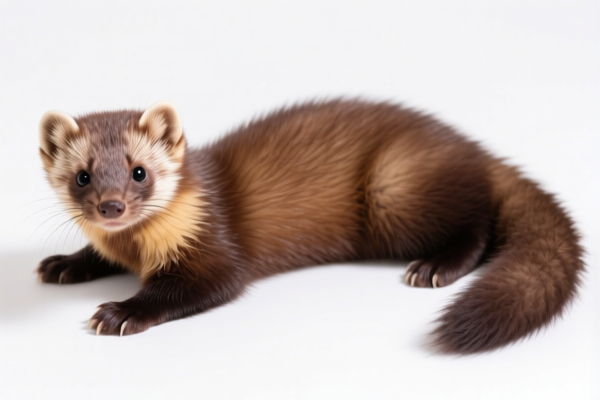
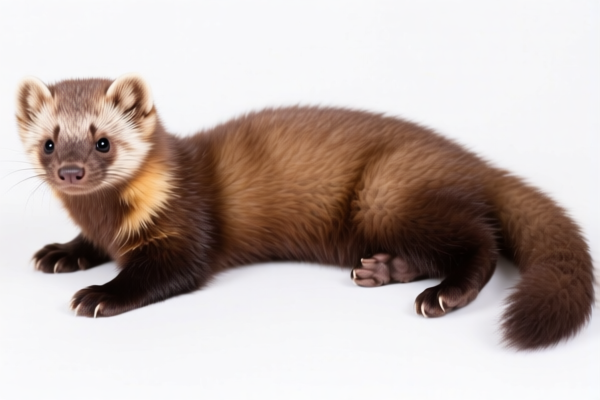
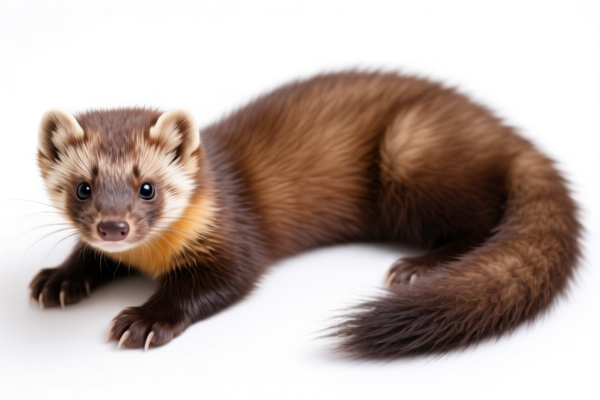
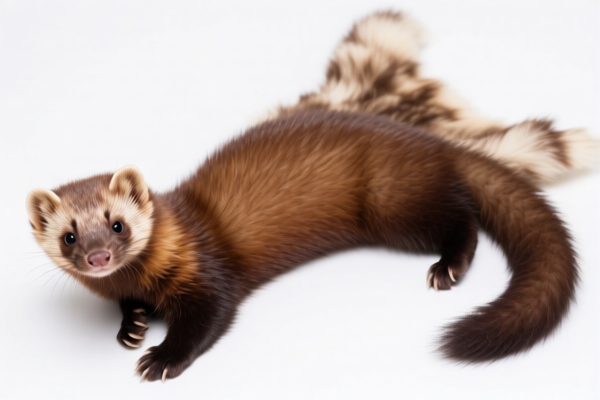
AI Analysis
🦫 Unprocessed Wild Mink Skin (Whole)
🌐 HS Code Reference & Customs Clearance Guide | 2026 Latest Tariff Analysis | Professional Clearance Strategy
📌 I. Product Definition & Classification: Do You Really Understand "Unprocessed Wild Mink Skin"?
Unprocessed Wild Mink Skin (Whole) refers to the raw, tanning-free pelts of wild-caught minks. In international trade, these are classified under Chapter 41 (Animal Skins and Furskins). The key distinction lies in whether the skin has undergone any tanning, bleaching, or preservative treatment beyond basic cleaning.
Raw Skins (Unprocessed/Untreated):
- Status: No tanning, no dyeing, no fur dressing.
- Classification Logic: Falls under "Other Raw Hides and Skins" (HS Heading 4103) or "Furskins" depending on specific national interpretations of "processed" status.
- Key Trigger: If the skin is merely dried, salted, or frozen without chemical tanning, it is not considered "prepared furskins" (Chapter 43).
⚠️ Critical Distinction:
- If the skin is raw/unprocessed →归入 Chapter 41 (HS 4103)
- If the skin is tanned/dressed/trimmed → 归入 Chapter 43 (HS 4302)
- "Whole" implies the skin is intact (not cut into pieces or patches), which affects sub-classification.
📦 II. HS Code Classification Details (2026 Latest Tariff Authority Cross-Reference)
Based on the provided data, here are the exact HS Codes and their logical justifications for Unprocessed Wild Mink Skin (Whole):
| HS Code | Product Description | Logic & Justification | Tax Category |
|---|---|---|---|
| 4103.90.12.00 | Unprocessed Wild Mink Whole Skin | Material: Leather/Skin. Form: Raw hide. Fits the logic of "Raw Hides" category. | ⚠️ High Duty |
| 4103.90.11.90 | Unprocessed Wild Mink Skin (Raw) | Material: Raw skin. Form: Pre-tanning skin. Fits the definition of "Other Raw Skins". | ⚠️ High Duty |
| 4103.90.20.00 | Unprocessed Wild Mink Skins (Specific Variety) | Attribute: Raw skin, matches "Un-tanned raw skins". Classified as a specific variety under Chapter 41. | ⚠️ Highest Duty |
| 4302.11.00.20 | Untreated Wild Mink Furskins | Material: Mink fur. Form: Whole skin. Status: Untreated. Fits "Non-Cosmopolitan variety" description under Furskins (Chapter 43). | 🔴 Note: Often misclassified here if lightly treated. |
| 4103.90.11.90 | Unprocessed Wild Mink Skins Whole | 'Unprocessed' matches 'Untanned'. 'Wild Mink' falls under 'Other'. Fits "Other Raw Skins" classification logic. | ⚠️ High Duty |
🔍 Key Warning:
- Chapter 41 (4103) vs. Chapter 43 (4302) is the most common clearance pitfall.
- Chapter 41: Raw, un-tanned skins. Lower base duty, but subject to high USITC/IEEPA surcharges.
- Chapter 43: Tanned, dressed, or prepared furs. Higher base duty, but potentially different surcharge structures.
- "Untreated" in Chapter 43 (4302.11) may still trigger different tariff rates than 4103 because it is legally defined as a "fur" rather than a "hide."
💰 III. 2026 Latest Tariff Rate Breakdown (Including Surcharges & Policy Add-ons)
✅ Applicable Country: United States (US)
✅ Origin: China (CN)
✅ Effective Date: Post-2025 (Current Trade Environment)
🎯 1. 4103.90.12.00 & 4103.90.11.90 —— Unprocessed Mink Skins (Chapter 41)
| Item | Detail |
|---|---|
| Base Duty | 0.0% (Most raw hides have 0% MFN rate) |
| Section 301 Surcharge | +7.5% (Specific to this subheading) |
| IEEPA / 122 Clause Surcharge | +10% (Targeted China-specific tariff) |
| Total Effective Duty | 17.5% |
| Calculation | CIF Value × 17.5% |
| De Minimis Exemption | ❌ Not Eligible (High duty rate disqualifies from 80.01 exemption) |
| Legal Path | USITC:4103.90.11.90 → SECTION301:7.5% → IEEPA:10% |
📌 Explanation:
- Even though the base duty is 0%, the 7.5% Section 301 + 10% IEEPA surcharges apply.
- This is significantly cheaper than Chapter 43 classifications, but still substantial.
🎯 2. 4103.90.20.00 —— Specific Unprocessed Wild Mink Skins
| Item | Detail |
|---|---|
| Base Duty | 3.3% |
| Section 301 Surcharge | +7.5% |
| IEEPA / 122 Clause Surcharge | +10% |
| Total Effective Duty | 20.8% |
| Calculation | CIF Value × 20.8% |
| De Minimis Exemption | ❌ Not Eligible |
| Legal Path | USITC:4103.90.20.00 → SECTION301:7.5% → IEEPA:10% |
📌 Note:
- This specific subheading has a 3.3% base duty, making the total higher than the 0% base entries.
- Must ensure product description matches "Specific Variety" to avoid reclassification.
🎯 3. 4302.11.00.20 —— Untreated Wild Mink Furskins (Chapter 43)
| Item | Detail |
|---|---|
| Base Duty | 2.1% |
| Section 301 Surcharge | +25.0% (Higher surcharge for prepared furs) |
| IEEPA / 122 Clause Surcharge | +10% |
| Total Effective Duty | 37.1% |
| Calculation | CIF Value × 37.1% |
| De Minimis Exemption | ❌ Not Eligible |
| Legal Path | USITC:4302.11.00.20 → SECTION301:25% → IEEPA:10% |
📌 CRITICAL ALERT:
- 37.1% is more than double the Chapter 41 rate.
- Misclassifying unprocessed skins as "furskins" (Chapter 43) can lead to massive overpayment or underpayment penalties if challenged.
- Why the difference? Chapter 43 goods are considered "processed" or "finished" in trade law, triggering higher protective tariffs.
🛠️ IV. Customs Clearance Practical Advice (Avoid Pitfalls)
✅ 1. Essential Documentation Checklist
| Document | Required | Notes |
|---|---|---|
| ✅ Product Specification Sheet | ✔️ | Must state: "Unprocessed," "Untanned," "Raw," "Whole." |
| ✅ Photos of Skins | ✔️ | Show natural color, no dye, no tanning residue. |
| ✅ Commercial Invoice | ✔️ | Description: "Unprocessed Wild Mink Skins, Raw, Not Tanned." |
| ✅ Bill of Lading | ✔️ | Weight and quantity must match invoice. |
| ✅ Origin Certificate | ✔️ | Proof of Chinese origin for surcharge application. |
| ✅ Third-Party Test Report | ⚠️ Optional | Can prove no chemical tanning agents (e.g., chromium-free). |
✅ 2. Declaration Strategy (Key Rules)
🔥 "Raw is Key, Tanned is Taxed, Whole is Better than Patched!"
| Scenario | Correct HS Code | Reason |
|---|---|---|
| Raw, Salted, Frozen Mink Skin | 4103.90.11.90 or 4103.90.12.00 |
Not tanned → Chapter 41 |
| Dried, Curled, No Chemicals | 4103.90.11.90 |
Still "raw" if no tanning |
| Lightly Curled, No Dye, No Tanning | 4103.90.11.90 |
Borderline; consult customs if ambiguous |
| Tanned, Dyed, or Dressed Fur | 4302.11.00.20 |
Processed → Chapter 43 |
| Cut into Patches/Pieces | Different Subheading | "Whole" skins have specific codes; pieces may be 4302.90 |
⚠️ Common Error:
- Declaring "Mink Fur" → Customs assumes Chapter 43 → 37.1% Duty.
- Declaring "Unprocessed Mink Skin" → Customs accepts Chapter 41 → 17.5% Duty.
- Savings: 19.6% on CIF value!
✅ 3. Special Case Handling
| Situation | Recommendation |
|---|---|
| Ambiguous "Untreated" Status | Provide lab test results proving no tanning agents (e.g., chrome, aldehyde). |
| OEM Custom Skins | Ensure invoice specifies "Raw" and not "Finished Fur." |
| Mixed Shipments (Raw + Tanned) | Split Declaration! Do not mix. Raw goes to 4103, Tanned goes to 4302. |
| Small Samples (De Minimis) | Not eligible due to high duty rates (>3%). Must declare formally. |
🌍 V. Global Market Comparison (2026)
| Country/Region | Recommended HS Code | Total Duty (China Origin) | Notes |
|---|---|---|---|
| 🇺🇸 USA | 4103.90.11.90 |
17.5% | Best for raw skins. Avoid 4302 if unprocessed. |
| 🇨🇳 China | 4103.90.11.90 |
~5-10% | Lower base duties, no IEEPA. |
| 🇪🇺 EU | 4103.90.11 |
~6-12% | VAT + Duty. No Section 301 equivalent. |
| 🇬🇧 UK | 4103.90.11 |
~6-10% | Post-Brexit rules apply. |
| 🇨🇦 Canada | 4103.90.11 |
~0-5% | CUSMA considerations if from US. |
📌 Conclusion:
- USA is the most complex due to Section 301 and IEEPA surcharges.
- Chapter 41 (Raw) is significantly cheaper than Chapter 43 (Fur) in the US.
- Accuracy is critical: Misclassification leads to high penalties or lost savings.
📌 VI. Common Mistakes & Pitfalls (Blood Lessons)
❌ Mistake 1: Declaring "Mink Skin" without specifying "Unprocessed"
👉 Result: Customs defaults to Chapter 43 → 37.1% Duty instead of 17.5%.
❌ Mistake 2: Mixing Raw and Tanned Skins in One Declaration
👉 Result: Customs audits entire shipment → Potential rejection or penalty.
❌ Mistake 3: Using "Fur" in the Description for Raw Skins
👉 Result: Triggers Chapter 43 scrutiny → Delays & Additional Fees.
✅ Correct Declaration Example:
"Unprocessed Wild Mink Skins, Whole, Raw, Not Tanned, Not Dyed, HS 4103.90.11.90"
🎯 VII. Conclusion: Precision Saves Money!
🎯 Remember the Mantra:
🔹 "Raw is 17.5%, Tanned is 37.1%!"
🔹 "Specify 'Unprocessed' to Save 19.6%!"
🔹 "HS Code Choice = Profit Margin!"
📌 Pro Tip:
If your skins are dried but not tanned, ensure your supplier provides a written declaration stating "No Tanning Agents Used." This supports your claim for Chapter 41 classification.
📣 Immediate Action:
📞 Contact a Customs Broker + Provide Photos + Declare "Unprocessed"
🚀 Clear Smoothly, Save Costs, Maximize Profit!
✨ Professional Clearance Starts with Accurate Classification!
💼 Every Dollar Saved is a Dollar Earned!
Customer Reviews
About HS Code Classification
The Harmonized System (HS) is an internationally standardized nomenclature developed by the World Customs Organization (WCO) to classify traded products. Over 200 countries use the HS system as the basis for customs tariffs, trade statistics, and import/export regulations.
Each HS code follows a hierarchical structure:
- Chapter (2 digits) — Broad category of goods (e.g., Chapter 84: Machinery and Mechanical Appliances)
- Heading (4 digits) — More specific grouping within the chapter
- Subheading (6 digits) — Internationally standardized breakdown, used by all WCO member countries
- National subdivisions (8-10 digits) — Country-specific extensions for further classification, such as US HTSUS 10-digit codes
Correct HS code classification is essential for smooth customs clearance, accurate duty payment, and compliance with trade regulations. Misclassification can lead to customs delays, overpayment of duties, or penalties.
When importing from CN to US, the applicable tariff rates may include:
- Most-Favored-Nation (MFN) rate — The standard duty rate applied to WTO members
- General rate — Applied to countries without trade agreements
- Trade remedy duties — Additional tariffs such as Section 301 (anti-dumping), Section 232 (national security), or countervailing duties
The information provided on this page is for reference purposes only. For official classification, please consult with your local customs authority or a licensed customs broker.