Used Pneumatic Tires (Bus)
CN → US| HS Code | Tariff Rate | Origin | Destination | Doc |
|---|---|---|---|---|
| 4012208000 | 35.0% | CN | US | Official Doc |
| 4012206000 | 35.0% | CN | US | Official Doc |
| 8714100020 | 17.5% | CN | US | Official Doc |
| 8714998000 | 27.5% | CN | US | Official Doc |
| 4004000000 | 35.0% | CN | US | Official Doc |
Product Images
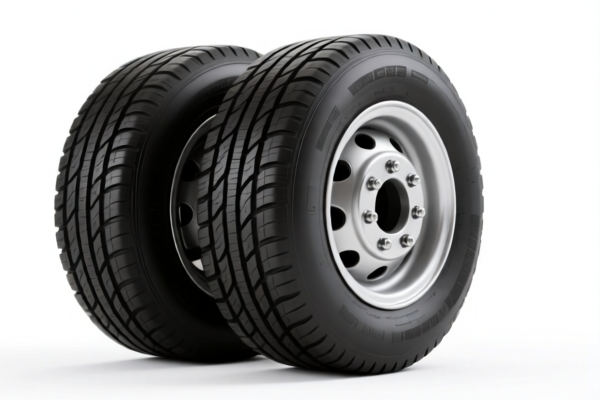
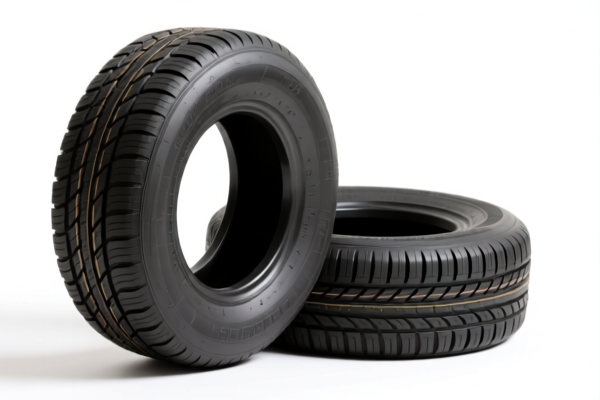
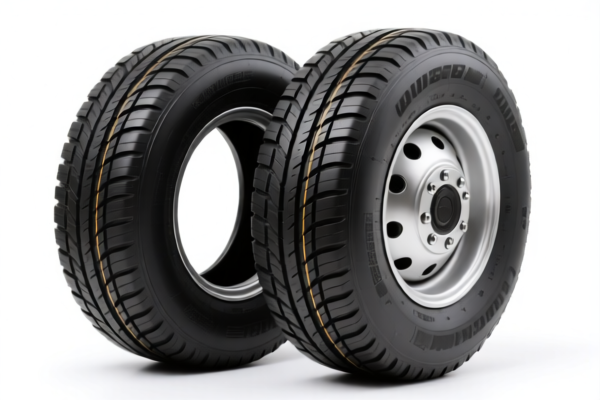
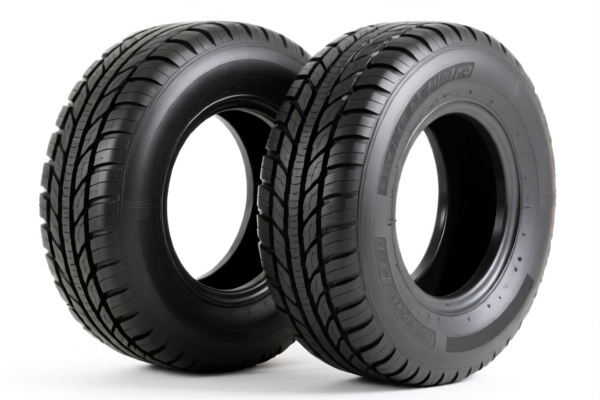
AI Analysis
🚛 Used Pneumatic Tires for Buses: Strategic Customs Classification & Duty Breakdown (2026)
🌐 HS Code Reference & Clearance Guide | 2026 Latest Tariff Analysis | Professional Clearance Strategy
📌 I. Product Definition & Classification: Do You Truly Understand "Used Bus Tires"?
Used pneumatic tires intended for buses are not merely "rubber goods"; they are critical vehicle components subject to strict material and usage-based classification. In international trade, the distinction between a standalone tire, a complete wheel assembly, and scrap material dictates the duty rate significantly.
Key Distinctions: * Standalone Used Tires: Rubber only, no rim/wheel assembly. → Chapter 40 * Tires Mounted on Rims/Wheels: Complete unit. → Chapter 87 * Scrap/Recycled Rubber: Damaged, cut, or processed waste. → Chapter 40
⚠️ Critical Classification Point:
- If the tire is separated from the rim → Classify under 4012.20.xxxx (Used Pneumatic Tires).
- If the tire is mounted on a rim/wheel (even if used) → Classify under 8714.10.00.20 (Motorcycle/Vehicle Wheels & Tires).
- If the product is damaged/processed into chunks/fibers → Classify under 4004.00.00.00 (Rubber Waste).
📦 II. HS Code Classification Matrix (2026 Latest Tariff Authority)
| HS Code | Product Description | Application Scenario | Key Feature |
|---|---|---|---|
4012.20.60.00 |
Used Inflated Tires (Rubber Material, Vehicle Use) | Standard bus tires, removed from vehicles for reuse/recycling. | ✅ Standalone Tire |
4012.20.80.00 |
Used Pneumatic Tires (Rubber Material, Vehicle Use) | General category for used vehicle tires, including bus tires. | ✅ Standalone Tire |
8714.10.00.20 |
Motorcycle/Vehicle Wheels & Tires (Rubber, Vehicle Parts) | Tires mounted on rims or sold as a wheel assembly. | ✅ Mounted on Rim |
8714.99.80.00 |
Other Vehicle Parts/Accessories (Rubber) | Mixed components, brackets, or non-standard rubber accessories for vehicles. | ❌ Non-Tire Part |
4004.00.00.00 |
Rubber Waste/Scrap & Debris | Recycled rubber, shredded tires, waste from tire manufacturing. | ✅ Scrap Material |
🔍 Focus Reminder:
- Standalone Used Tires fall under 4012.20. The total duty is 35.0%.
- Tires on Rims fall under 8714.10.00.20. The total duty is 17.5%.
- Scrap Rubber falls under 4004.00.00.00. The total duty is 35.0%.
💰 III. 2026 Latest Tariff Rate Breakdown (Including Surcharges & Policy Add-ons)
✅ Applicable Country: United States (US)
✅ Origin: China (CN)
✅ Effective Date: November 10, 2025 (and subsequent imports)
🎯 1. 4012.20.80.00 & 4012.20.60.00 —— Used Pneumatic Tires (Standalone)
| Item | Content |
|---|---|
| Base Tariff Rate | 0.0% (Ad Valorem) |
| USITC Additional Tariff | +25.0% (Section 301 Tariff) |
| Section 122 Tariff | +10.0% (Specific provision for certain goods) |
| Total Tariff Rate | 35.0% |
| Tax Calculation | CIF Value × 35% |
| De Minimis Exemption Eligible? | ❌ No (High duty threshold prevents de minimis relief) |
| Legal Basis Path | USITC:4012.20 → FOOTNOTE:Section 301 (25%) → Section 122 (10%) |
📌 Explanation:
- "Base Tariff 0%": Standard MFN rate for used tires is often zero, but additional surcharges apply.
- "USITC +25%": Standard Section 301 tariff on Chinese goods.
- "122 Clause +10%": Specific additional levy applied to this category.
- Total 35%: This is a high-cost category. Importers must factor this into landed cost calculations.
🎯 2. 8714.10.00.20 —— Wheels & Tires (Mounted/Assembly)
| Item | Content |
|---|---|
| Base Tariff Rate | 0.0% (Ad Valorem) |
| USITC Additional Tariff | +7.5% (Section 301 Tariff - Lower Bracket) |
| Section 122 Tariff | +10.0% |
| Total Tariff Rate | 17.5% |
| Tax Calculation | CIF Value × 17.5% |
| De Minimis Exemption Eligible? | ❌ No |
| Legal Basis Path | USITC:8714.10 → FOOTNOTE:Section 301 (7.5%) → Section 122 (10%) |
📌 Note:
- Significant Savings: Classifying as "Wheels & Tires" (mounted) attracts only 7.5% USITC vs. 25% for standalone tires.
- Condition: The tire must be physically mounted on the rim or clearly presented as a wheel assembly.
🎯 3. 4004.00.00.00 —— Rubber Waste/Scrap
| Item | Content |
|---|---|
| Base Tariff Rate | 0.0% (Ad Valorem) |
| USITC Additional Tariff | +25.0% |
| Section 122 Tariff | +10.0% |
| Total Tariff Rate | 35.0% |
| Tax Calculation | CIF Value × 35% |
| De Minimis Exemption Eligible? | ❌ No |
| Legal Basis Path | USITC:4004.00 → FOOTNOTE:Section 301 (25%) → Section 122 (10%) |
📌 Warning:
- Even though it's "waste," the duty remains 35% due to Section 301 and 122 clauses.
- Ensure proper documentation proving it is scrap/recyclable, not damaged usable tires (which might require different handling).
🎯 4. 8714.99.80.00 —— Other Vehicle Parts
| Item | Content |
|---|---|
| Base Tariff Rate | 10.0% (Ad Valorem) |
| USITC Additional Tariff | +7.5% |
| Section 122 Tariff | +10.0% |
| Total Tariff Rate | 27.5% |
| Tax Calculation | CIF Value × 27.5% |
| Legal Basis Path | USITC:8714.99 → FOOTNOTE:Section 301 (7.5%) → Section 122 (10%) |
📌 Note:
- This code is for non-tire accessories (e.g., rubber bumpers, mounts). Do not misclassify tires here.
🛠️ IV. Customs Clearance Practical Advice (Real-World Pitfall Guide)
✅ 1. Essential Documentation Checklist (Non-Negotiable)
| Document | Required? | Description |
|---|---|---|
| ✅ Commercial Invoice | ✔️ | Must clearly state "Used Pneumatic Tires for Buses" or "Tires Mounted on Rims". |
| ✅ Packing List | ✔️ | Detail count, dimensions, and whether tires are mounted or unmounted. |
| ✅ Bill of Lading/Air Waybill | ✔️ | Standard shipping documents. |
| ✅ Certificate of Origin (CO) | ✔️ | Proves Chinese origin (triggers 301/122 tariffs). |
| ✅ Product Photos | ✔️ | Crucial: Show tread depth, condition, and if mounted on rim. |
| ✅ Detailed Description | ✔️ | Include size, ply rating, brand, and "Used" status. |
✅ 2. Declaration Strategy (Key Mnemonic)
🔥 "Mounted is Cheaper, Standalone is Expensive! Classify Right, Save Thousands!"
| Scenario | Correct HS Code | Total Duty | Why? |
|---|---|---|---|
| Used Tire + Rim | 8714.10.00.20 |
17.5% | Classified as "Wheel/Tire Assembly" → Lower USITC rate (7.5%). |
| Used Tire Only | 4012.20.60.00 / .80.00 |
35.0% | Classified as "Used Tire" → Higher USITC rate (25%). |
| Shredded Rubber | 4004.00.00.00 |
35.0% | Classified as "Scrap" → High duty despite being waste. |
| Rubber Bumper/Mount | 8714.99.80.00 |
27.5% | Classified as "Other Part" → Base 10% + 7.5% + 10%. |
✅ 3. Special Circumstances Handling
| Scenario | Handling Advice |
|---|---|
| Mixed Shipment (Tires + Rims) | If tires are mounted, declare as 8714.10.00.20 for the whole unit to benefit from 17.5% duty. Do not split if they are sold as a set. |
| Damaged/Torn Tires | If unusable for driving, consider declaring as Scrap (4004.00.00.00) if allowed by destination rules, but duty is still 35%. Ensure "Scrap" status is documented. |
| Recycled Rubber Granules | Use 4004.00.00.00. Provide processing certificates to prove it is not a usable tire. |
| OEM Used Tires (Return Cargo) | If returning to the original exporter, check for Return Goods procedures to mitigate duties. |
🌍 V. Global Market Clearance Comparison (2026)
| Country/Region | Recommended HS Code | Total Duty (China Origin) | Certification | Notes |
|---|---|---|---|---|
| 🇺🇸 USA | 8714.10.00.20 (Mounted) |
17.5% | None specific | Best rate for assemblies. |
| 🇺🇸 USA | 4012.20.80.00 (Standalone) |
35.0% | None specific | High duty for standalone used tires. |
| 🇨🇳 China | 4012.20.80.00 |
~5-10% | CCC (if new, less strict for used) | Lower duty for recycling imports. |
| 🇪🇺 EU | 4012.20 |
0-4% | CE/ROHS (if applicable) | No Section 122/301 equivalent. |
| 🇦🇺 Australia | 4012.20 |
5% | ECB (Engineered Components) | Moderate duty. |
📌 Conclusion:
- USA has unique high tariffs (Section 301 + 122) for Chinese rubber goods.
- Mounting tires on rims (8714.10) is a strategic cost-saving measure (17.5% vs. 35%).
- Scrap (4004) does not offer a duty exemption in the US.
📌 VI. Common Errors & Pitfalls (Blood Lessons)
❌ Error 1: Declaring mounted tires as "Used Tires" (4012.20)
👉 Consequence: Pay 35% duty instead of 17.5%. Overpayment of 17.5%!
❌ Error 2: Declaring scrap rubber as "Used Tires"
👉 Consequence: Misdeclaration risk, potential fines, or rejection if product doesn't match HS definition.
❌ Error 3: Ignoring Section 122 Clause
👉 Consequence: Underpaying duties by 10%. Customs will issue a demand for payment + penalties.
❌ Error 4: Using "Tire" for a Wheel Assembly
👉 Consequence: Customs may reclassify to 8714.10.00.20 but assess back-duties if not declared correctly.
✅ Correct Practice:
"Used Bus Tires Mounted on Steel Rims, Size 12R22.5, Brand XYZ, Origin China" → Declare as
8714.10.00.20.
🎯 VII. Conclusion: Precision Classification, Cost Optimization!
🎯 Remember the Mnemonic:
🔹 "Mounted is 17.5%, Standalone is 35%!"
🔹 "Rim + Tire = Wheel Class, Save Half the USITC Surcharge!"
🔹 "Scrap is Still 35%, Don't Be Fooled by 'Waste' Labels!"
📌 Pro Tip:
If you are importing used bus tires from China to the US:
1. Inspect Condition: Ensure they are truly "used" and not counterfeit new tires.
2. Check Mounting Status: If possible, mount tires on rims to utilize the 8714.10.00.20 classification for lower duties.
3. Apply for Advance Ruling: If unsure, request an HS Code Advance Ruling from CBP to avoid post-clearance audits.
📣 Immediate Action:
📞 Consult a licensed customs broker
📸 Provide clear photos of tires (mounted vs. unmounted)
🚀 Optimize your HS Code to minimize the 35% trap!
✨ Professional Clearance Starts with Precise Classification!
💼 Your Cost Savings Are Worth the Details!
Customer Reviews
About HS Code Classification
The Harmonized System (HS) is an internationally standardized nomenclature developed by the World Customs Organization (WCO) to classify traded products. Over 200 countries use the HS system as the basis for customs tariffs, trade statistics, and import/export regulations.
Each HS code follows a hierarchical structure:
- Chapter (2 digits) — Broad category of goods (e.g., Chapter 84: Machinery and Mechanical Appliances)
- Heading (4 digits) — More specific grouping within the chapter
- Subheading (6 digits) — Internationally standardized breakdown, used by all WCO member countries
- National subdivisions (8-10 digits) — Country-specific extensions for further classification, such as US HTSUS 10-digit codes
Correct HS code classification is essential for smooth customs clearance, accurate duty payment, and compliance with trade regulations. Misclassification can lead to customs delays, overpayment of duties, or penalties.
When importing from CN to US, the applicable tariff rates may include:
- Most-Favored-Nation (MFN) rate — The standard duty rate applied to WTO members
- General rate — Applied to countries without trade agreements
- Trade remedy duties — Additional tariffs such as Section 301 (anti-dumping), Section 232 (national security), or countervailing duties
The information provided on this page is for reference purposes only. For official classification, please consult with your local customs authority or a licensed customs broker.