Vehicle Body Parts (8708210000)
CN → US| HS Code | Tariff Rate | Origin | Destination | Doc |
|---|---|---|---|---|
| 8708106010 | 87.5% | CN | US | Official Doc |
| 8302306000 | 38.5% | CN | US | Official Doc |
| 8302303060 | 87.0% | CN | US | Official Doc |
| 8708295110 | 0.0% | CN | US | Official Doc |
| 8708292500 | 0.0% | CN | US | Official Doc |
Product Images

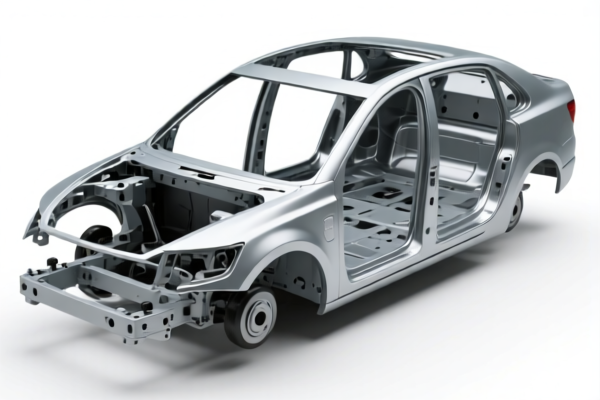
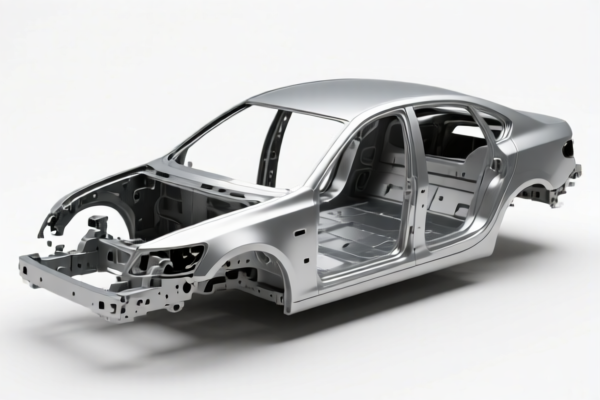
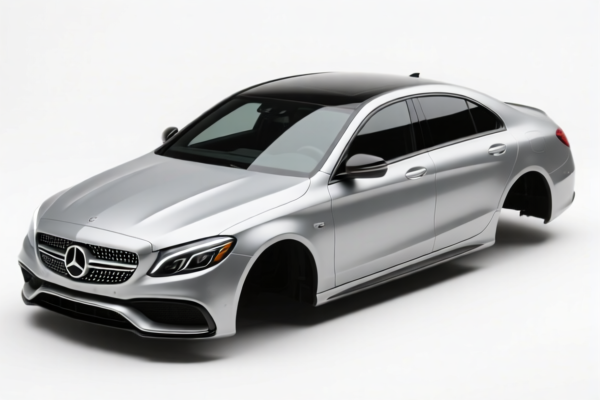
AI Analysis
🚗 Vehicle Body Parts (8708.21.00.00 vs. Potential Misclassifications)
🌐 HS Code Reference & Customs Clearance Guide | 2026 Latest Tariff Analysis | Professional Clearance Strategy
📌 I. Product Definition: Are You Sure These Are "Body Parts"?
"Vehicle Body Parts" (Vehicle Body Parts) is a broad term in international trade. In the Harmonized System (HS), this typically falls under Chapter 87: Vehicles Other Than Railway or Tramway Rolling Stock.
However, the specific HS Code you provided (8708.21.00.00) refers specifically to "Bumpers and parts thereof".
⚠️ Critical Distinction:
- If the product is indeed a bumper (front/rear impact protection),8708.21.00.00is correct.
- If the product is a general body panel (door, hood, fender, quarter panel) or general hardware,8708.21.00.00may be incorrect, leading to severe under-declaration penalties.
📦 II. HS Code Classification Details (Based on Provided Data)
The user input suggests 8708.21.00.00, but the provided <DATA> suggests five other potential classifications depending on the exact nature of the "Body Parts." Below is the detailed breakdown of why each might apply and the associated tax implications.
⚠️ Warning: The Data Provided Suggests Multiple Potential HS Codes
The <DATA> indicates that "Vehicle Body Parts" is being evaluated against several codes, implying ambiguity in the product description.
| HS Code | Product Description (from Data) | Relevance to "Vehicle Body Parts" |
|---|---|---|
| 8708.10.60.10 | Bumpers and parts thereof (Auto Body Parts) | ✅ High Match if product is a bumper. |
| 8302.30.60.00 | Mounting hardware, fittings, accessories for vehicles | ❌ Low Match unless it's purely hardware (e.g., brackets). |
| 8302.30.30.60 | Mounting hardware, fittings for cars | ❌ Low Match unless it's purely hardware. |
| 8708.29.51.10 | Other body parts and accessories | ✅ High Match if not a bumper (e.g., doors, hoods). |
| 8708.29.25.00 | Other body parts and accessories | ✅ High Match if not a bumper. |
💰 III. 2026 Latest Tariff Rate Breakdown (Including Additional Duties)
✅ Applicable Country: United States (US)
✅ Origin: China (CN) (Implied by the high "Additional Tariffs" mentioned in data)
✅ Effective Time: 2025-11-10 onwards (including subsequent imports)
🎯 1. 8708.10.60.10 — Bumpers and Parts (Steel/Aluminum/Copper)
Use if the part is a bumper and made of steel, aluminum, or copper.
| Item | Content |
|---|---|
| Base Rate | 2.5% |
| Section 301 Tariff | +25.0% |
| Section 232 Tariff | +50.0% (For Steel, Aluminum, Copper products) |
| Total Rate | 87.5% |
| Calculation | CIF Value × 87.5% |
| De Minimis Exemption | ❌ No (High duty prevents de minimis benefit) |
| Legal Basis | Section 301, Section 232, HTSUS 8708.10.60.10 |
📌 Explanation:
- This is the highest possible rate for body parts due to the combination of Section 301 (Trade War) and Section 232 (National Security on Steel/Aluminum). - Crucial: If the bumper is made of plastic, glass, or composite materials, the 50% Section 232 tariff does not apply, potentially lowering the rate to 27.5% (2.5% + 25%).
🎯 2. 8302.30.60.00 / 8302.30.30.60 — Mounting Hardware & Fittings
Use if the "body parts" are actually brackets, hinges, latches, or mounting clips.
| Item | Content |
|---|---|
| Base Rate | 2.0% - 3.5% |
| Section 301 Tariff | +25.0% |
| Section 232 Tariff | +50.0% (If Steel/Aluminum/Copper) |
| Total Rate | 87.0% (Steel/Alu) or 38.5% (Non-metal) |
| Calculation | CIF Value × [Total Rate] |
| De Minimis Exemption | ❌ No |
📌 Explanation:
- If these are plastic clips, the total rate is 38.5% (3.5% base + 25% 301 + no 232).
- If these are steel brackets, the total rate is 87.0% (2.0% base + 25% 301 + 50% 232).
🎯 3. 8708.29.51.10 / 8708.29.25.00 — Other Body Parts (Non-Bumpers)
Use if the product is a door, hood, fender, trunk lid, or general body panel (not a bumper).
| Item | Content |
|---|---|
| Base Rate | 2.5% |
| Section 301 Tariff | +25.0% |
| Section 232 Tariff | +10.0% (Standard for general auto parts under 122 Clause) |
| Total Rate | 2.5% + 35.0% = 37.5% (Approximate based on data format 2.5%+35.0%) |
| Calculation | CIF Value × 37.5% |
| De Minimis Exemption | ❌ No |
📌 Explanation:
- These codes are for general body components.
- The tax detail in the data shows2.5% base + 25% 301 + 10% 122 Clause.
- Note: The data shows2.5% <u></u>+35.0%, which likely means the total effective duty is 37.5% (2.5 + 35). This is significantly cheaper than bumpers (87.5%) if the parts are not made of steel/aluminum subject to Section 232.
🛠️ IV. Customs Clearance Practical Advice (Battle-Tested Pitfall Guide)
✅ 1. Essential Documentation (Do Not Miss)
| Document | Required? | Explanation |
|---|---|---|
| Product Specification Sheet | ✅ Yes | Must clearly state material (Steel, Plastic, Aluminum) to determine Section 232 applicability. |
| Product Photos | ✅ Yes | Clear images showing shape (Bumper vs. Panel vs. Bracket) to justify HS Code. |
| Commercial Invoice | ✅ Yes | Description must be specific (e.g., "Front Bumper Cover, Plastic, PP Material"). Avoid generic "Vehicle Body Parts." |
| Origin Certificate | ✅ Yes | To confirm Chinese origin and assess tariff liability. |
| Bill of Lading | ✅ Yes | To verify shipment details. |
✅ 2. Declaration Strategy (Key Tips)
🔥 "Material Matters, Shape Defines, Name Specifics!"
| Scenario | Correct HS Code | Why? |
|---|---|---|
| Plastic Bumper Cover | 8708.10.60.10 (or similar) |
It is a bumper. No Section 232 (50%) because it's not steel/aluminum. Total ~27.5%. |
| Steel Bumper Bracket | 8302.30.30.60 |
It is hardware. Subject to Section 232 (50%). Total ~87.0%. |
| Steel Door Panel | 8708.29.51.10 |
It is a body part, not a bumper. No Section 232 on auto parts unless specifically classified under steel products. Total ~37.5%. |
| Plastic Clip/Bolt | 8302.30.60.00 |
It is hardware. No Section 232. Total ~38.5%. |
📌 Critical Warning:
- Do NOT use "Vehicle Body Parts" as the sole description. Customs will reject it or misclassify it, leading to audits.
- Specify Material: "Steel" triggers Section 232. "Plastic" does not. This can save you 50% in duties.
✅ 3. Special Circumstances
| Situation | Handling Advice |
|---|---|
| Mixed Materials (e.g., Steel frame with plastic cover) | Declare the primary functional material. If the bumper is mostly plastic, argue for non-Section 232 classification. |
| Aftermarket Parts | Ensure they are not marked with OEM logos unless authorized. Counterfeit claims can lead to seizure. |
| Used Parts | Note: Section 301 and 232 duties still apply to used parts from China. |
| De Minimis ($800) | Not Applicable. High duties prevent de minimis exemption. Always file formal entry. |
🌍 V. Global Market Comparison (2026)
| Country | Recommended HS Code | Duty Rate (China Origin) | Notes |
|---|---|---|---|
| 🇺🇸 USA | 8708.10.60.10 (Bumper) |
87.5% (Steel/Alu) | Highest duty due to 301 + 232. |
| 🇺🇸 USA | 8708.29.51.10 (Body Panel) |
37.5% | Lower if not steel/aluminum hardware. |
| 🇨🇳 China | 8708.10.60.10 |
10% | Standard import duty for China into China? (N/A for export) |
| 🇪🇺 EU | 8708.21.00.00 |
4.5% + Countervailing Duties | Check for EU anti-subsidy measures on auto parts. |
📌 Conclusion:
- USA is the most expensive market for Chinese vehicle body parts due to Section 301 and Section 232.
- Material composition is the #1 factor in duty reduction. Plastic/Composite parts are significantly cheaper to import than Steel/Aluminum.
📌 VI. Common Errors & Pitfalls (Lessons Learned)
❌ Error 1: Classifying a Steel Bumper as a generic "Body Part" (8708.29)
👉 Consequence: Customs may reclassify to 8708.10 and add Section 232 (50%), leading to back-taxes + penalties.
❌ Error 2: Declaring Plastic Hardware as Steel to avoid paperwork
👉 Consequence: If tested and found to be plastic, you might save 50%, but if caught lying, you face fraud charges. Always be accurate.
❌ Error 3: Using "Vehicle Body Parts" in description
👉 Consequence: Customs may request additional info, causing delays and potential detention.
❌ Error 4: Ignoring Section 232 for Steel/Aluminum
👉 Consequence: Paying only 27.5% when you owe 77.5% or 87.5%.
✅ Correct Approach:
"Front Bumper Cover, Plastic (PP), For Toyota Camry, Model XYZ" → 8708.10.60.10 (No 232)
"Steel Bumper Reinforcement Bar, For Ford F-150" → 8708.10.60.10 (With 232)
🎯 VII. Conclusion: Precision Classification Saves Money!
🎯 Remember:
🔹 "Material is Key: Steel/Alu = 50% Extra. Plastic = Save Big!"
🔹 "Bumper vs. Panel: Bumpers have specific codes. Panels have others. Don't mix them!"
🔹 "301 + 232 + Base = The Total Cost. Plan for 87.5% for Steel Bumpers."
📌 Pro Tip:
If your parts are Plastic or Composite, ensure your invoice clearly states "Non-Steel, Non-Aluminum Material" to avoid unnecessary Section 232 duties.
Request a Pre-Ruling from CBP if the material is ambiguous.
📣 Act Now:
📞 Consult a customs broker with material-specific HS Code expertise.
🚀 Optimize your supply chain by sourcing non-steel components if possible.
💼 Your duty bill is as precise as your product description.
✨ Professional Customs Clearance Starts with Accurate Classification!
💼 Every Percent Saved is Pure Profit!
Customer Reviews
About HS Code Classification
The Harmonized System (HS) is an internationally standardized nomenclature developed by the World Customs Organization (WCO) to classify traded products. Over 200 countries use the HS system as the basis for customs tariffs, trade statistics, and import/export regulations.
Each HS code follows a hierarchical structure:
- Chapter (2 digits) — Broad category of goods (e.g., Chapter 84: Machinery and Mechanical Appliances)
- Heading (4 digits) — More specific grouping within the chapter
- Subheading (6 digits) — Internationally standardized breakdown, used by all WCO member countries
- National subdivisions (8-10 digits) — Country-specific extensions for further classification, such as US HTSUS 10-digit codes
Correct HS code classification is essential for smooth customs clearance, accurate duty payment, and compliance with trade regulations. Misclassification can lead to customs delays, overpayment of duties, or penalties.
When importing from CN to US, the applicable tariff rates may include:
- Most-Favored-Nation (MFN) rate — The standard duty rate applied to WTO members
- General rate — Applied to countries without trade agreements
- Trade remedy duties — Additional tariffs such as Section 301 (anti-dumping), Section 232 (national security), or countervailing duties
The information provided on this page is for reference purposes only. For official classification, please consult with your local customs authority or a licensed customs broker.