Wide format Label Paper Roll
CN → US| HS Code | Tariff Rate | Origin | Destination | Doc |
|---|---|---|---|---|
| 3919905040 | 40.8% | CN | US | Official Doc |
| 4821904000 | 35.0% | CN | US | Official Doc |
| 4811412100 | 35.0% | CN | US | Official Doc |
| 4811492100 | 35.0% | CN | US | Official Doc |
| 4821902000 | 35.0% | CN | US | Official Doc |
| 3919102055 | 40.8% | CN | US | Official Doc |
Product Images
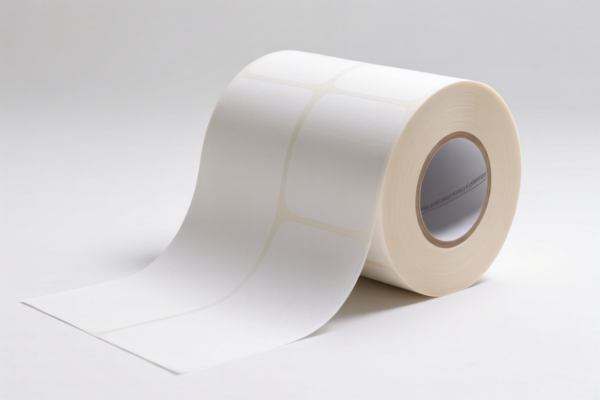
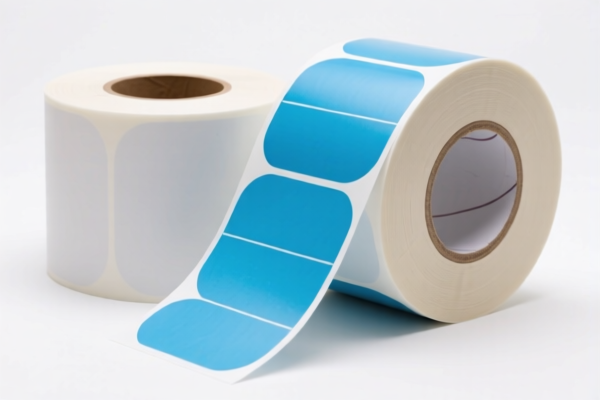
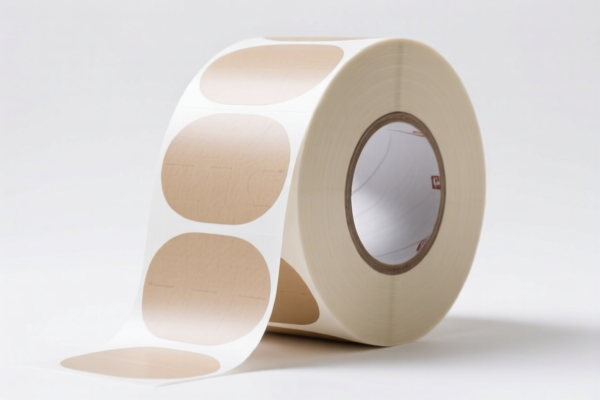
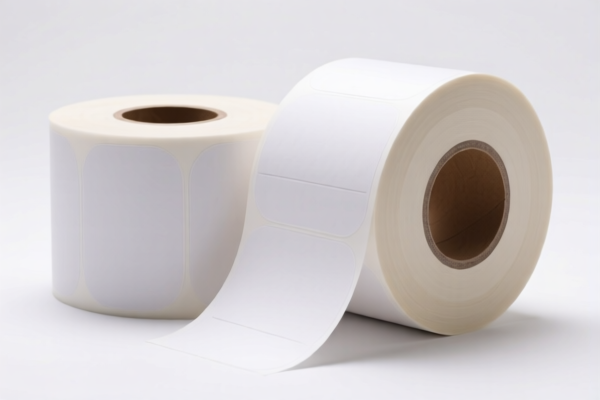
AI Analysis
🏷️ Wide Format Label Paper Roll
🌐 HS Code Reference & Customs Clearance Guide | 2026 Latest Tariff Breakdown | Strategic Clearance Strategy
📌 I. Product Definition & Classification: Is Your Label Paper Actually Paper?
"Label Paper Roll" is a generic trade term that masks the critical material composition. In international trade, the distinction between Plastic/Composite Materials and Paper Materials determines whether you face a 40.8% tax rate or a 35.0% rate.
The classification depends entirely on the substrate material: * Plastic/Composite Base: If the backing or face material is synthetic (e.g., BOPP, PET, PVC) or a composite where plastic is dominant, it falls under HS 3919. * Paper Base: If the substrate is primarily wood pulp/paper, even if coated, it falls under HS 4821 or 4811.
⚠️ Critical Distinction Point:
- If the label is sticky and the base is Plastic/Composite → HS 3919 (Higher Tax)
- If the label is sticky and the base is Paper → HS 4821/4811 (Lower Tax)
📦 II. HS Code Classification Details (2026 Latest Tariff Authority)
| HS Code | Product Description | Material Inference | Tax Rate |
|---|---|---|---|
3919.90.50.40 |
Plastic Tape / Self-adhesive Products in rolls | Plastic or Composite Material; Flat,带状 (strip-like) shape. | 40.8% |
4821.90.40.00 |
Paper Labels (Other) | Primarily Paper; Matches "Paper Label" material requirements. | 35.0% |
4811.41.21.00 |
Adhesive Paper in Rolls | Paper Material; Rolled format; Self-adhesive property. | 35.0% |
4811.49.21.00 |
Coated/Self-adhesive Paper (Other) | Paper Material; Rolled format; Glued or Self-adhesive features. | 35.0% |
4821.90.20.00 |
Paper Labels (Specific) | "Paper Label" name matches material; "Roll" is common storage form. | 35.0% |
3919.10.20.55 |
Self-adhesive Plastic Tape | Paper or Plastic-coated; Rolled; Fits "Other" flat strip category. | 40.8% |
🔍 Key Insight:
- HS 3919 codes imply a Plastic/Composite nature, triggering the higher tax bracket due to USITC duties on synthetic goods.
- HS 4821/4811 codes imply a Paper nature, benefiting from lower base duties (0% vs 5.8%).
- The "Wide Format" descriptor does not change the material-based classification but confirms the Roll (卷装) format.
💰 III. 2026 Latest Tariff Rate Breakdown (Including Surtaxes & Policy Add-ons)
✅ Applicable Country: USA (US)
✅ Origin: China (CN)
✅ Effective Date: Post-November 2025 Import Cycle
🎯 1. HS 3919 Series (Plastic/Composite Labels)
Codes: 3919.90.50.40, 3919.10.20.55
| Item | Content |
|---|---|
| Base Duty Rate | 5.8% (Ad Valorem) |
| Section 301 Surtax | +25.0% (USITC Footnote for China-origin plastics) |
| IEEPA Surtax | +10.0% (China/HK specific emergency tariff) |
| Total Tax Rate | 40.8% |
| Calculation Basis | CIF Value × 40.8% |
| De Minimis Exemption? | ❌ NO (Cannot use Section 321/De Minimis for duty avoidance) |
| Legal Basis Path | USITC:3919 → 301 Section: 25% → IEEPA: 10% |
📌 Explanation:
- The 5.8% base rate applies to plastic self-adhesive tapes/labels.
- The 25% Section 301 tax is the heavy burden on Chinese plastic goods.
- The 10% IEEPA tax is an additional layer on top.
- Total 40.8% is significant. Misclassifying plastic as paper to avoid this is considered fraud.
🎯 2. HS 4821 / 4811 Series (Paper Labels)
Codes: 4821.90.40.00, 4811.41.21.00, 4811.49.21.00, 4821.90.20.00
| Item | Content |
|---|---|
| Base Duty Rate | 0.0% (Ad Valorem) |
| Section 301 Surtax | +25.0% (USITC Footnote for China-origin paper goods) |
| IEEPA Surtax | +10.0% (China/HK specific emergency tariff) |
| Total Tax Rate | 35.0% |
| Calculation Basis | CIF Value × 35.0% |
| De Minimis Exemption? | ❌ NO (Denied for Chinese origin under current rules) |
| Legal Basis Path | USITC:4821/4811 → 301 Section: 25% → IEEPA: 10% |
📌 Note:
- Although the base duty is 0%, the 25% Section 301 tax still applies to Chinese paper products.
- The 10% IEEPA tax also applies.
- Total 35.0% is 5.8% lower than the plastic classification.
- Strategic Advantage: If your label backing is paper (even if coated), this is the optimal classification.
🛠️ IV. Customs Clearance Practical Advice (Battle-Tested Pitfall Guide)
✅ 1. Documentation Checklist (Mandatory)
| Document | Required | Purpose |
|---|---|---|
| ✅ Product Specification Sheet | ✔️ | Must explicitly state Substrate Material (Paper vs. BOPP/PET) |
| ✅ Material Composition Certificate | ✔️ | Third-party lab report confirming % of paper vs. plastic |
| ✅ Product Photos | ✔️ | Show texture (matte/glossy paper) and tear test (paper tears, plastic stretches) |
| ✅ Commercial Invoice | ✔️ | Use precise description: "Paper-based Self-Adhesive Label Roll" or "Plastic-based Label Roll" |
| ✅ Packing List | ✔️ | Confirm "Roll" format to match HS code structure |
✅ 2. Classification Strategy (Key Mantra)
🔥 “Material Defines Code, Paper Saves 5.8%!”
| Scenario | Correct HS Code | Tax Rate | Risk if Wrong |
|---|---|---|---|
| Paper Base (Standard Label Paper) | 4821.90.40.00 or 4811.41.21.00 |
35.0% | Misclassifying as Plastic → Pay 40.8% (Overpayment) |
| Plastic/Composite Base (Synthetic Label) | 3919.90.50.40 |
40.8% | Misclassifying as Paper → Audit Risk, Penalties, Back Taxes |
| Unknown/Mixed Material | 3919.90.50.40 (Conservative) |
40.8% | Default to Plastic if composition is unclear |
✅ 3. Special Cases & Handling
| Situation | Handling Advice |
|---|---|
| Thermal Paper Labels | Usually Paper-based. Use 4821 codes. Confirm no plastic coating. |
| BOPP/PET Labels | Plastic-based. Must use 3919 codes. Do not attempt to claim "Paper". |
| Composite Material | If >50% plastic by weight/value, 3919 is safer. |
| Wide Format | No special HS change. Ensure description includes "Wide Format" to prevent ambiguity at USCBP. |
🌍 V. Global Market Comparison (2026 Context)
| Country/Region | Recommended HS Code | Total Tax (China Origin) | Key Requirement | Note |
|---|---|---|---|---|
| 🇺🇸 USA | 4821.90.40.00 (Paper) |
35.0% | Section 301 + IEEPA Apply | Best Option if Paper |
| 🇺🇸 USA | 3919.90.50.40 (Plastic) |
40.8% | Section 301 + IEEPA Apply | Higher cost for synthetics |
| 🇨🇳 China (Export) | N/A | N/A | N/A | N/A |
| 🇪🇺 EU | 3703/4811 | Varies | CE/RoHS for some | No Section 301 equivalent |
📌 Conclusion:
- USA is the primary concern due to叠加 taxes (Section 301 + IEEPA).
- Optimization Opportunity: Switch to Paper-based labels if functionally possible to save 5.8% on CIF value.
- Documentation is Key: US Customs (CBP) will challenge "Label Paper" without proof of material.
📌 VI. Common Errors & Pitfalls (Lessons Learned)
❌ Error 1: Using "Label" as the sole description.
👉 Consequence: CBP assigns a default code, often 3919 (Plastic), leading to 40.8% tax.
✅ Fix: Specify "Paper-based" or "Plastic-based" in the description.
❌ Error 2: Assuming "Paper Roll" means 0% tax.
👉 Consequence: Ignoring Section 301 (25%) and IEEPA (10%) leads to severe penalties.
✅ Fix: Remember, even paper has 35% total duty from China.
❌ Error 3: Misidentifying Composite Materials.
👉 Consequence: Claiming Paper for a BOPP/PE composite.
✅ Fix: Get a Material Analysis Report. If it tears cleanly, it's paper. If it stretches, it's plastic.
🎯 VII. Conclusion: Professional Clearance, Cost Efficiency!
🎯 Remember the Mantra:
🔹 "Paper = 35%, Plastic = 40.8%. Know your substrate!"
🔹 "Describe the Material, Not Just the Use."
🔹 "Section 301 + IEEPA = 35-40%. Plan Ahead."
📌 Pro Tip:
If your label product is exclusively paper-based, emphasize this in the commercial invoice:
"Self-adhesive Paper Labels, Paper Substrate, Wide Format, for Packaging Use."
This helps CBP quickly approve 4821/4811 codes, avoiding delays.
📣 Immediate Action:
📞 Consult your supplier for the exact substrate material (Paper vs. BOPP).
📄 Request a Material Certificate before shipment.
🚀 Optimize your HS Code to save 5.8% on every shipment to the USA.
✨ Professional clearance starts with precise classification!
💼 Your margin depends on the right HS Code!
Customer Reviews
About HS Code Classification
The Harmonized System (HS) is an internationally standardized nomenclature developed by the World Customs Organization (WCO) to classify traded products. Over 200 countries use the HS system as the basis for customs tariffs, trade statistics, and import/export regulations.
Each HS code follows a hierarchical structure:
- Chapter (2 digits) — Broad category of goods (e.g., Chapter 84: Machinery and Mechanical Appliances)
- Heading (4 digits) — More specific grouping within the chapter
- Subheading (6 digits) — Internationally standardized breakdown, used by all WCO member countries
- National subdivisions (8-10 digits) — Country-specific extensions for further classification, such as US HTSUS 10-digit codes
Correct HS code classification is essential for smooth customs clearance, accurate duty payment, and compliance with trade regulations. Misclassification can lead to customs delays, overpayment of duties, or penalties.
When importing from CN to US, the applicable tariff rates may include:
- Most-Favored-Nation (MFN) rate — The standard duty rate applied to WTO members
- General rate — Applied to countries without trade agreements
- Trade remedy duties — Additional tariffs such as Section 301 (anti-dumping), Section 232 (national security), or countervailing duties
The information provided on this page is for reference purposes only. For official classification, please consult with your local customs authority or a licensed customs broker.