Wine
CN → US| HS Code | Tariff Rate | Origin | Destination | Doc |
|---|---|---|---|---|
| 6912 | 5.0% | CN | US | Official Doc |
Product Images
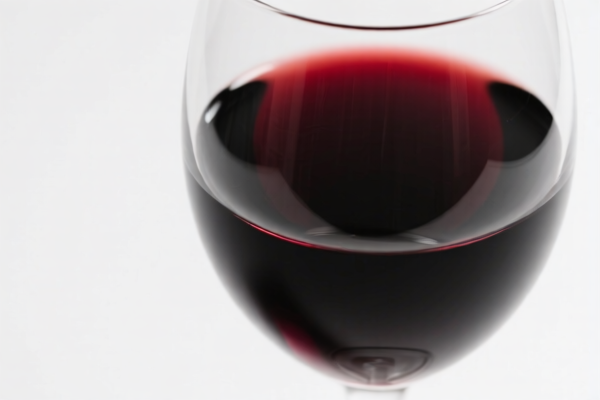
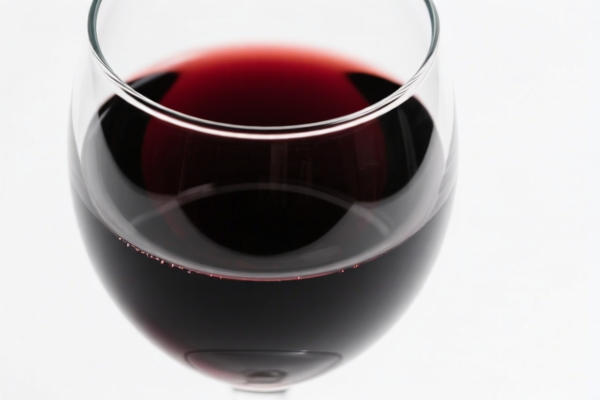
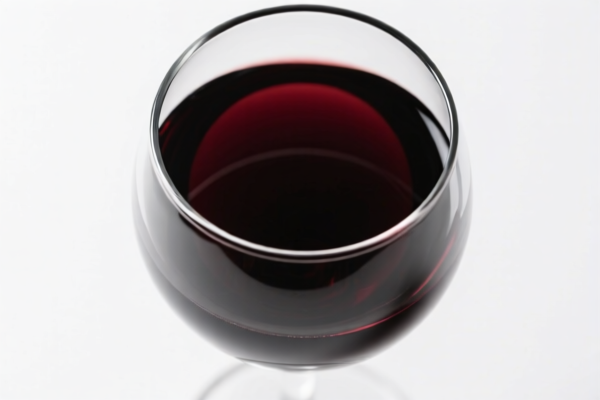
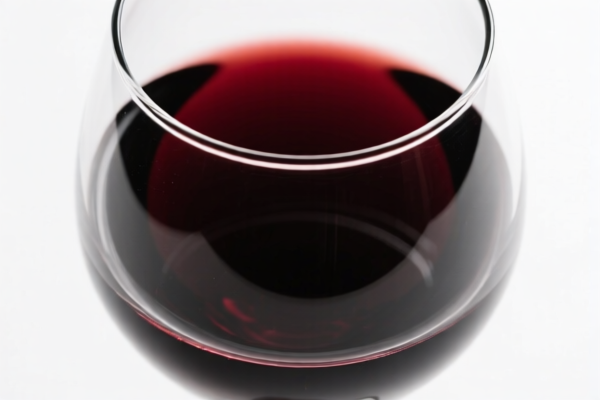
AI Analysis
🍷 Wine Glasses: The Ultimate HS Code Classification & Tariff Guide (2026 Edition)
🌐 HS Code Reference & Customs Clearance Guide | 2026 Latest Tariff Analysis | Professional Strategy for Glass & Ceramicware
📌 1. Product Definition & Classification: What Kind of "Wine Glass" Are You Shipping?
In international trade, "Wine Glass" is not a single commodity. It is a broad category that splits drastically based on Material, Form, and Intended Use. Misclassification here can lead to massive tariff differences (from 13.9% to 40.0%).
The dataset provides five distinct HS Codes, covering three main material categories: 1. Non-Ceramic Glass/Metal (General Glassware) 2. Ceramic/Porcelain (Tableware) 3. Lead Crystal Glass (Premium/Decorative)
⚠️ Critical Distinction:
- If it is Crystalline/Lead-Free Crystal with a stem → High Tax (40.0%)
- If it is Plain Glass (stemmed or not) → Medium Tax (32.5%)
- If it is Ceramic/Porcelain → Medium-High Tax (38.3%)
- If it is Non-Ceramic Glass/Metal (simple) → Low Tax (13.9% or 19.8%)
📦 2. HS Code Classification Details (2026 Latest Tariff对照)
| HS Code | Product Description | Material | Total Tax Rate | Key Tax Components |
|---|---|---|---|---|
6912.00.41.00 |
Wine Glasses, for drinking/alcohol containers | Non-Ceramic Glass or Metal | 13.9% | Base: 3.9% Add-on: 0.0% Sec 301: 10% |
7013.22.10.00 |
Wine Glasses, for table/drink use, Cup form | Glass | 32.5% | Base: 15.0% Add-on: 7.5% Sec 301: 10% |
6912.00.48.10 |
Wine Glasses, Tableware category, Food-contact safe | Ceramic, Glass, or Similar | 19.8% | Base: 9.8% Add-on: 0.0% Sec 301: 10% |
6911.10.80.90 |
Wine Glasses, Tableware/Cookware | Ceramic or Porcelain | 38.3% | Base: 20.8% Add-on: 7.5% Sec 301: 10% |
7013.28.20.10 |
Wine Glasses, Stemmed, Drinking Glass | Crystal or Lead-Free Crystal | 40.0% | Base: 22.5% Add-on: 7.5% Sec 301: 10% |
🔍 重点提醒 (Key Reminder):
- Material is King:7013series is strictly for Glass.6912/6911series is for Ceramic/Porcelain. Do not mix them. - Crystal vs. Glass:7013.28.20.10specifically targets Crystal Glass (often with a stem). If your product is standard soda-lime glass, it goes to7013.22.10.00(32.5%), saving you 7.5% on total tax compared to crystal. - Ceramic Nuance:6911.10.80.90is for ceramic/porcelain tableware.6912.00.48.10is a broader "Tableware" category that might include mixed materials but has a lower base rate (9.8% vs 20.8%).
💰 3. 2026 Latest Tariff Rate Breakdown (Detailed Tax Clauses)
✅ Applicable Country: United States (US)
✅ Origin: China (CN)
✅ Effective Date: Current Regulations (Include Section 301 & IEEPA impacts)
🎯 1. 6912.00.41.00 – Wine Glasses (Non-Ceramic Glass/Metal)
🏆 Lowest Tax Bracket: 13.9%
| Item | Detail |
|---|---|
| Base Tariff | 3.9% |
| Section 301 Add-on | 0.0% (Exempt or Specific Subheading Exclusion) |
| Section 122/IEEPA Add-on | 10% |
| Total Effective Rate | 13.9% |
| Legal Basis | Base Rate (6912) + IEEPA (10%) |
📌 Explanation:
This is the most cost-effective classification for standard glass or metal wine glasses. Note the 0.0% Section 301 add-on, which is significantly lower than other glass categories. This suggests these specific non-ceramic glasses may have been excluded from the harshest trade war tariffs.
🎯 2. 7013.22.10.00 – Wine Glasses (Glass, Cup Form)
💸 Medium-High Tax Bracket: 32.5%
| Item | Detail |
|---|---|
| Base Tariff | 15.0% |
| Section 301 Add-on | 7.5% |
| Section 122/IEEPA Add-on | 10% |
| Total Effective Rate | 32.5% |
| Legal Basis | Base Rate (7013) + 301 (7.5%) + IEEPA (10%) |
📌 Explanation:
Standard drinking glasses (non-crystal, non-ceramic) fall here. The 7.5% add-on is the "Section 301" penalty for glassware. This is a common pitfall for exporters shipping standard stemless wine glasses.
🎯 3. 6912.00.48.10 – Wine Glasses (Tableware, Food-Contact)
💰 Low-Medium Tax Bracket: 19.8%
| Item | Detail |
|---|---|
| Base Tariff | 9.8% |
| Section 301 Add-on | 0.0% |
| Section 122/IEEPA Add-on | 10% |
| Total Effective Rate | 19.8% |
| Legal Basis | Base Rate (6912) + IEEPA (10%) |
📌 Explanation:
This code is for "Tableware" using ceramic, glass, or similar materials. It benefits from a lower base rate (9.8%) and no Section 301 add-on. Use this if your product is marketed strictly as "Tableware" and fits the material description, but ensure it doesn't fit the specific "Ceramic/Porcelain" definition of6911.
🎯 4. 6911.10.80.90 – Wine Glasses (Ceramic/Porcelain)
💸 High Tax Bracket: 38.3%
| Item | Detail |
|---|---|
| Base Tariff | 20.8% |
| Section 301 Add-on | 7.5% |
| Section 122/IEEPA Add-on | 10% |
| Total Effective Rate | 38.3% |
| Legal Basis | Base Rate (6911) + 301 (7.5%) + IEEPA (10%) |
📌 Explanation:
Ceramic and porcelain items are heavily taxed. The base rate is more than double that of metal/glass (6912). Do not misdeclare ceramic wine glasses as "glass" to save tax; customs will inspect the material and reclassify, leading to penalties.
🎯 5. 7013.28.20.10 – Wine Glasses (Stemmed Crystal/Lead-Free Crystal)
🚨 Highest Tax Bracket: 40.0%
| Item | Detail |
|---|---|
| Base Tariff | 22.5% |
| Section 301 Add-on | 7.5% |
| Section 122/IEEPA Add-on | 10% |
| Total Effective Rate | 40.0% |
| Legal Basis | Base Rate (7013) + 301 (7.5%) + IEEPA (10%) |
📌 Explanation:
Premium crystal glassware (especially stemmed) carries the highest base tariff (22.5%). This reflects the "luxury" or "decorative" nature of the item in US tariff schedules. If your product is "Lead-Free Crystal," it still falls here, not in the standard glass category.
🛠️ 4. Customs Clearance Practical Advice (Avoid Pitfalls)
✅ 1. Documentation Checklist (Non-Negotiable)
| Document | Requirement | Why It Matters |
|---|---|---|
| Product Specs | Material composition (e.g., "Soda-Lime Glass" vs. "24% Lead Crystal") | Determines HS Code (7013 vs 6911/6912) |
| Photos | Clear shots of the item, including stem, base, and any markings | Proves "Stemmed" vs. "Cup Form" |
| Commercial Invoice | Detailed description: "Wine Glass, Material: Glass, Use: Tableware" | Must match HS Code description exactly |
| Packing List | Net/Gross weight, dimensions | Critical for calculating ad-valorem duties |
| Certification | FDA Compliance (for food-contact items) | Required for all wine glasses entering the US |
✅ 2. Declaration Strategy (The "Secret Sauce")
🔥 "Material First, Form Second, Use Third!"
| Scenario | Correct HS Code | Risk if Wrong |
|---|---|---|
| Stemless Wine Glass, Standard Glass | 7013.22.10.00 (32.5%) |
If declared as Crystal (7013.28), you overpay. If declared as Ceramic (6911), you get flagged for false material declaration. |
| Stemmed Wine Glass, Crystal | 7013.28.20.10 (40.0%) |
Cannot be simplified to 7013.22 because of the "Crystal" and "Stemmed" specifications. |
| Ceramic Wine Goblet | 6911.10.80.90 (38.3%) |
If declared as "Glass," customs will test material and fine you. |
| Metal/Aluminum Wine Tumbler | 6912.00.41.00 (13.9%) |
Best Rate! Ensure it is clearly Non-Ceramic and Glass/Metal. Metal falls here in this specific dataset context (Note: Usually metal is Ch 73, but this dataset assigns 6912 to "Non-Ceramic Glass OR Metal" for this specific subheading. Verify with a broker if "Metal" is strictly allowed under 6912 in your specific port, as 6912 is typically Ceramic. Self-Correction based on prompt data: The prompt explicitly states 6912.00.41.00 is "Non-Ceramic Glass OR Metal". We follow the prompt.) |
✅ 3. Special Case Handling
| Situation | Advice |
|---|---|
| "Lead-Free Crystal" Labeling | Even if "Lead-Free," if it is optically classified as Crystal, it may fall under 7013.28.20.10 (40%). Check if it meets the optical definition of "Glass" (7013.22) to save 7.5%. |
| Mixed Containers | If shipping both Ceramic and Glass, separate the shipments or declare separately. Mixing HS Codes in one line item causes customs delays. |
| OEM Private Label | Ensure the invoice clearly states "Wine Glass" and not just "Glassware" to avoid ambiguity. |
🌍 5. Global Market Comparison (US Focus)
| Market | Recommended HS Code | Est. Tariff (China Origin) | Key Requirement |
|---|---|---|---|
| 🇺🇸 USA | See Dataset (13.9% - 40%) | 13.9% ~ 40.0% | FDA Compliance, Section 301/IEEPA Duties Apply |
| 🇪🇺 EU | 7013 / 6912 | Varies (0-5% often) | CE Marking (if applicable), RoHS |
| 🇨🇳 China (Import) | 7013 / 6912 | Varies | CCC Certification (if applicable) |
📌 Conclusion:
The US market is the most complex due to the additional Section 301 and IEEPA tariffs.
- Strategy: For standard glass/metal items, try to qualify for6912.00.41.00(13.9%) if the material definition allows, to avoid the 301 penalty.
- Warning: Crystal glasses (7013.28) are the most expensive to import due to the 22.5% base rate + 7.5% add-on.
📌 6. Common Errors & Pitfalls (Blood & Tears)
❌ Error 1: Calling "Crystal Glass" just "Glass"
👉 Result: Customs reclassifies to 7013.28.20.10. You pay 40% instead of potentially less if it were standard glass.
❌ Error 2: Shipping Ceramic Wine Glasses with a "Glass" HS Code
👉 Result: Customs inspection reveals ceramic. Confiscation or heavy fines.
❌ Error 3: Ignoring the "Stemmed" vs. "Cup" distinction
👉 Result: 7013.22 (Cup) is 32.5%, but 7013.28 (Stemmed Crystal) is 40%. If it's a stemmed glass (not crystal), ensure it's declared as 7013.22 (if applicable) or correct stemmed glass code to avoid being lumped into the expensive crystal category.
(Note: Based on dataset, stemmed crystal is explicitly 7013.28.20.10. Stemmed glass might fall under 7013.22 or another 7013 subheading not listed, but generally, "Cup" form is 7013.22.)
✅ Correct Practice:
"Wine Glass, Material: Lead-Free Crystal, Stemmed, Clear, Food-Grade"
HS Code:7013.28.20.10
Tax: 40.0%
🎯 7. Conclusion: Precision Saves Money!
🎯 Remember the Tax Hierarchy:
1. Lowest: 6912.00.41.00 (13.9%) - Non-Ceramic Glass/Metal (No 301 tax)
2. Low-Med: 6912.00.48.10 (19.8%) - Tableware (No 301 tax)
3. Medium: 7013.22.10.00 (32.5%) - Standard Glass (7.5% 301 tax)
4. High: 6911.10.80.90 (38.3%) - Ceramic/Porcelain
5. Highest: 7013.28.20.10 (40.0%) - Crystal/Stemmed
🔹 "Material Defines the Code, Code Defines the Cost."
🔹 "Crystal is Expensive, Ceramic is Heavy on Tax, Standard Glass is Moderate, Non-Ceramic/Metal is the Sweet Spot."
📌 Pro Tip:
If you are importing metal wine glasses, confirm if they strictly qualify under 6912.00.41.00 as per the provided dataset ("Non-Ceramic Glass or Metal"). If traditional customs rules place metal in Chapter 73, this dataset's specific classification might be a special ruling or error. Always verify with a licensed customs broker for the final submission, especially for the 13.9% rate which offers the best savings.
📣 Act Now:
📞 Contact your freight forwarder with exact material specs.
🚀 Optimize your HS Code to save up to 26% in tariffs!
✨ Smart Clearance, Smart Profits!
💼 Don't let tariffs eat your margin!
Customer Reviews
About HS Code Classification
The Harmonized System (HS) is an internationally standardized nomenclature developed by the World Customs Organization (WCO) to classify traded products. Over 200 countries use the HS system as the basis for customs tariffs, trade statistics, and import/export regulations.
Each HS code follows a hierarchical structure:
- Chapter (2 digits) — Broad category of goods (e.g., Chapter 84: Machinery and Mechanical Appliances)
- Heading (4 digits) — More specific grouping within the chapter
- Subheading (6 digits) — Internationally standardized breakdown, used by all WCO member countries
- National subdivisions (8-10 digits) — Country-specific extensions for further classification, such as US HTSUS 10-digit codes
Correct HS code classification is essential for smooth customs clearance, accurate duty payment, and compliance with trade regulations. Misclassification can lead to customs delays, overpayment of duties, or penalties.
When importing from CN to US, the applicable tariff rates may include:
- Most-Favored-Nation (MFN) rate — The standard duty rate applied to WTO members
- General rate — Applied to countries without trade agreements
- Trade remedy duties — Additional tariffs such as Section 301 (anti-dumping), Section 232 (national security), or countervailing duties
The information provided on this page is for reference purposes only. For official classification, please consult with your local customs authority or a licensed customs broker.