Wire Mesh (HS Code 7314493000)
CN → US| HS Code | Tariff Rate | Origin | Destination | Doc |
|---|---|---|---|---|
| 7314311000 | 85.0% | CN | US | Official Doc |
| 7314390000 | 85.0% | CN | US | Official Doc |
| 8309900080 | 37.6% | CN | US | Official Doc |
| 7314315010 | 85.0% | CN | US | Official Doc |
Product Images


AI Analysis
🕸️ Wire Mesh (Metal Wire Netting)
🌐 HS Code Reference & Customs Clearance Guide | 2026 Latest Tariff Analysis | Professional Entry Strategy
📌 I. Product Definition & Classification: What Exactly is "Wire Mesh"?
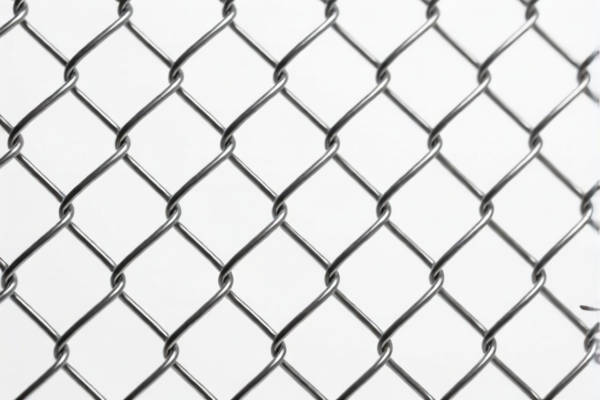
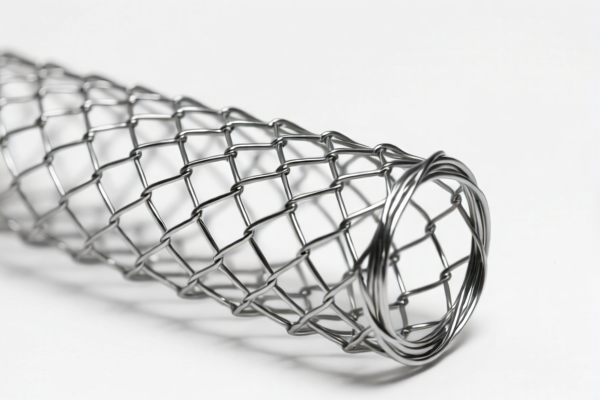
Wire Mesh, generally referred to as Metal Wire Netting, is a fundamental industrial and construction material made from metal wires (typically iron or steel) woven, welded, or expanded into a grid pattern. It is widely used for fencing, reinforcement, filtration, sieving, and architectural decoration.
In international trade, the classification depends heavily on the manufacturing process (welded vs. woven vs. expanded) and the material composition. The core HS Chapter is 73 (Articles of Iron or Steel), specifically 7314, which covers "Wire cloth and other wire netting... of iron or steel."
⚠️ Key Distinction Point:
- If the mesh is welded (grid pattern formed by welding intersecting wires) → Generally falls under 7314.
- If the mesh is woven (interlaced threads) → May fall under 7314 or potentially 8309 if considered a fitting/accessory, though 7314 is primary for structural mesh.
- If it is expanded (slitted and stretched metal) → Falls under 7314.
📦 II. HS Code Classification Details (Based on Provided Data)
Based on the specific input data for Wire Mesh (HS Code 7314493000), here are the relevant classifications and their logical justifications:
| HS Code | Product Description & Logic | Material/Structure Match |
|---|---|---|
7314.31.10.00 |
Wire Mesh: Specifically describes "Metal Wire Netting" matching material (Iron/Steel Wire) and form (Grid/Fence). | ✅ Exact Match: Iron/Steel wire, Grid structure. |
7314.39.00.00 |
Wire Mesh: Fits Chapter 7314 attribute "Wire netting of iron or steel". Belongs to welded grates, nets, and fences category. | ✅ Broad Match: Iron/Steel, Welded/Net/Fence context. |
7314.31.50.10 |
Wire Mesh: Consistent with specific sub-heading requirements for "Metal Wire Welded Net". Matches material and grid form. | ✅ Specific Match: Welded wire mesh, specific detail alignment. |
7314.49.30.00 |
Wire Mesh: Based on input HS 7314493000. Classified as "Wire netting of iron or steel". Fits welded grates, nets, and fences. | ✅ Input Match: Directly references the user's provided 7314493000 structure. |
8309.90.00.80 |
Wire Mesh: Classified as a metal product/accessory. Material is steel. Categorized under "Metal fittings / Other metal products". | ⚠️ Alternative/Accessory View: Treats mesh as a "fitting" rather than a primary netting product. |
🔍 Critical Note:
- The primary and most accurate classification for structural Wire Mesh is within 7314 (Iron/Steel Wire Netting).
-8309.90.00.80is a secondary or less precise classification, treating the mesh as a general metal accessory/fitting. This results in a significantly different tax burden.
- All7314variants listed above are subject to high additional tariffs due to US-China trade policies.
💰 III. 2026 Latest Tariff Rate Breakdown (Including Surtaxes)
✅ Applicable Country: United States (US)
✅ Origin: China (CN)
✅ Effective Date: Ongoing (as per 2026 context)
🎯 1. Classifications under 7314 (7314.31.10.00, 7314.39.00.00, 7314.31.50.10, 7314.49.30.00)
| Item | Detail |
|---|---|
| Base Duty Rate | 0.0% (Ad Valorem) |
| Section 301 Surtax | +25.0% (Additional duty on Chinese goods) |
| Section 122 Surtax | +50.0% (Specific surtax on Steel, Aluminum, Copper products under Section 122 provisions) |
| Total Tariff Rate | 85.0% |
| Tax Calculation | CIF Value × 85% |
| De Minimis Eligibility | ❌ None (High tariffs negate de minimis benefits) |
| Legal Basis Path | USITC:7314.xxxx → Section 301: 25% → Section 122: 50% |
📌 Explanation:
- Base Rate: 0% reflects the standard MFN (Most Favored Nation) duty for wire mesh of iron/steel.
- Section 301 (+25%): Applies to almost all Chinese-made steel products.
- Section 122 (+50%): A critical surtax specifically targeting steel, aluminum, and copper products imported under certain national security provisions. This dramatically increases the cost.
- Total: 85% is an extremely high tariff barrier, significantly impacting profitability.
🎯 2. Classification under 8309 (8309.90.00.80)
| Item | Detail |
|---|---|
| Base Duty Rate | 2.6% (Ad Valorem) |
| Section 301 Surtax | +25.0% (Additional duty on Chinese goods) |
| Total Tariff Rate | 37.6% |
| Tax Calculation | CIF Value × 37.6% |
| De Minimis Eligibility | ❌ None |
| Legal Basis Path | USITC:8309.90.00.80 → Section 301: 25% |
📌 Explanation:
- By classifying the wire mesh as a metal accessory/fitting (8309) rather than wire netting (7314), you may avoid the Section 122 50% surtax.
- However, the Base Duty (2.6%) is higher than the 0% base for 7314.
- Net Result: 37.6% is still high, but significantly lower than the 85.0% applied to 7314 codes.
- Risk: Customs may challenge this classification if the item is clearly used as a fence, filter, or structural mesh (which fits 7314 better). Misclassification can lead to penalties.
🛠️ IV. Customs Clearance Practical Advice (Real-World Pitfall Guide)
✅ 1. Document Preparation Checklist (Non-negotiable)
| Document | Required | Notes |
|---|---|---|
| ✅ Product Specification Sheet | ✔️ | Must detail wire diameter, mesh size (e.g., 1/2" x 1/2"), tensile strength, and coating (galvanized, PVC, etc.). |
| ✅ Product Photos | ✔️ | Clear images showing the weld points (for 7314) or weave pattern. |
| ✅ Commercial Invoice | ✔️ | Must clearly state: "Wire Mesh, Iron/Steel, [Dimensions], [Usage]". Avoid vague terms like "Metal Grid". |
| ✅ Packing List | ✔️ | Must match invoice exactly. |
| ✅ Certificate of Origin (CO) | ✔️ | Mandatory for proving CN origin, triggering Section 301/122. |
| ✅ Bill of Lading (B/L) | ✔️ | Standard shipping document. |
✅ 2. Classification Strategy & Risk Assessment
| Scenario | Recommended HS Code | Estimated Tax | Risk Level |
|---|---|---|---|
| Standard Welded Fence Mesh | 7314.31.10.00 or 7314.49.30.00 |
85.0% | 🟢 Low Risk (Accurate classification, but high tax) |
| Industrial Filter Screen / Sieve | 7314.39.00.00 |
85.0% | 🟢 Low Risk |
| Metal Fastening Hardware / Clips | 8309.90.00.80 |
37.6% | 🔴 High Risk (If item is clearly mesh/netting, not a fitting) |
| Non-Steel Mesh (e.g., Copper) | Check 7415/7615 | Varies | 🟡 Medium Risk (Requires verification of material) |
🔥 "Classification Saves Money, But Accuracy Saves Your Ship!"
- If you use8309to save on Section 122 tax, ensure the product is genuinely a fitting or accessory. If it is a large roll of fencing, Customs will likely reclassify it to 7314 and charge 85% + penalties.
- Recommendation: For large-volume fencing or structural mesh, accept the 85% tax under 7314 to ensure compliance. For small, mixed-use metal mesh components,8309might be defensible.
✅ 3. Special Handling Tips
| Situation | Advice |
|---|---|
| Coated Mesh (PVC/Galvanized) | Still falls under 7314 (73.14 covers coated wire mesh). Do not try to classify as plastic products. |
| Roll vs. Cut Pieces | Both are 7314. Ensure packaging indicates "Rolls" if applicable. |
| Section 122 Exemptions | Currently, there are no broad exemptions for steel mesh. Verify if your specific steel grade qualifies for any historical exclusions (rare). |
| De Minimis (Section 321) | ❌ Not Applicable. Tariffs >50% generally disqualify de minimis entry. |
🌍 V. Global Market Comparison (2026)
| Country/Region | Recommended HS Code | Estimated Duty (CN Origin) | Notes |
|---|---|---|---|
| 🇺🇸 USA | 7314.xxxx |
85.0% | Includes 25% Sec 301 + 50% Sec 122. |
| 🇨🇳 China | 7314.xxxx |
~0-10% | Low base rate, no Section 301/122. |
| 🇪🇺 EU | 7314.xxxx |
~5-7% | Standard MFN. No Section 301. |
| 🇬🇧 UK | 7314.xxxx |
~5-7% | Post-Brexit tariff schedule similar to EU. |
| 🇦🇺 Australia | 7314.xxxx |
~5% | No special surtaxes on steel mesh. |
📌 Conclusion:
- The USA is the most challenging market for Wire Mesh due to the 85% combined tariff.
- Competitors in EU/UK/Asia face significantly lower duties (5-10%).
- Strategy: Consider pricing adjustments, or explore supply chain shifts to non-CN origins if viable, to mitigate the US tariff burden.
📌 VI. Common Mistakes & Pitfalls (Blood & Tears Guide)
❌ Mistake 1: Classifying Steel Wire Mesh under Plastic Chapters (39) because it's PVC-coated.
👉 Consequence: Misclassification penalty. Coated steel mesh is still classified under 7314.
❌ Mistake 2: Using 8309 for Large Fence Rolls to avoid Section 122 tax.
👉 Consequence: Customs audit → Reclassification to 7314 → Back taxes (85% vs 37.6%) + Interest + Penalties.
❌ Mistake 3: Ignoring Section 122.
👉 Consequence: Underpayment of 50%. Customs will detect this for steel products.
❌ Mistake 4: Vague Invoice Description ("Metal Net").
👉 Consequence: Delayed clearance. Customs will request detailed specs to determine 7314 vs 7217 vs 8309.
✅ Correct Practice:
"Welded Wire Mesh, Galvanized Steel, 1" Mesh, 4'x8' Sheets, for Agricultural Fencing"
Use7314.31.10.00or7314.49.30.00.
🎯 VII. Conclusion: Professional Entry, Cost Control, Efficiency!
🎯 Key Takeaway:
🔹 Wire Mesh = 7314 (Iron/Steel Netting).
🔹 Total Tax in US = 85% (0% Base + 25% Sec 301 + 50% Sec 122).
🔹 Alternative8309(37.6%) is risky and only suitable for genuine accessories, not primary mesh products.
📌 Tips:
- If you are importing large volumes, factor in the 85% cost in your pricing model.
- Consider pre-classification rulings from CBP if the product type is ambiguous (e.g., specialty industrial mesh).
- Always ensure Section 301 and 122 surtaxes are included in your landed cost calculation.
📣 Immediate Action:
📞 Consult a licensed customs broker.
📄 Provide detailed product specs.
📉 Evaluate if the 85% duty allows for profitable entry, or if you need to explore alternative markets.
✨ Professional Clearance, Starting from Accurate Classification!
💼 Every cent of cost should be precisely calculated!
Customer Reviews
About HS Code Classification
The Harmonized System (HS) is an internationally standardized nomenclature developed by the World Customs Organization (WCO) to classify traded products. Over 200 countries use the HS system as the basis for customs tariffs, trade statistics, and import/export regulations.
Each HS code follows a hierarchical structure:
- Chapter (2 digits) — Broad category of goods (e.g., Chapter 84: Machinery and Mechanical Appliances)
- Heading (4 digits) — More specific grouping within the chapter
- Subheading (6 digits) — Internationally standardized breakdown, used by all WCO member countries
- National subdivisions (8-10 digits) — Country-specific extensions for further classification, such as US HTSUS 10-digit codes
Correct HS code classification is essential for smooth customs clearance, accurate duty payment, and compliance with trade regulations. Misclassification can lead to customs delays, overpayment of duties, or penalties.
When importing from CN to US, the applicable tariff rates may include:
- Most-Favored-Nation (MFN) rate — The standard duty rate applied to WTO members
- General rate — Applied to countries without trade agreements
- Trade remedy duties — Additional tariffs such as Section 301 (anti-dumping), Section 232 (national security), or countervailing duties
The information provided on this page is for reference purposes only. For official classification, please consult with your local customs authority or a licensed customs broker.