Woven Baskets
CN → US| HS Code | Tariff Rate | Origin | Destination | Doc |
|---|---|---|---|---|
| 4602110700 | 35.0% | CN | US | Official Doc |
| 4602110900 | 45.0% | CN | US | Official Doc |
| 4601920500 | 37.7% | CN | US | Official Doc |
| 3926909989 | 22.8% | CN | US | Official Doc |
Product Images
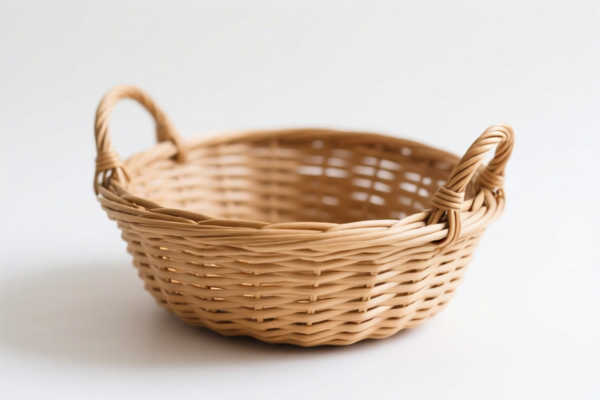
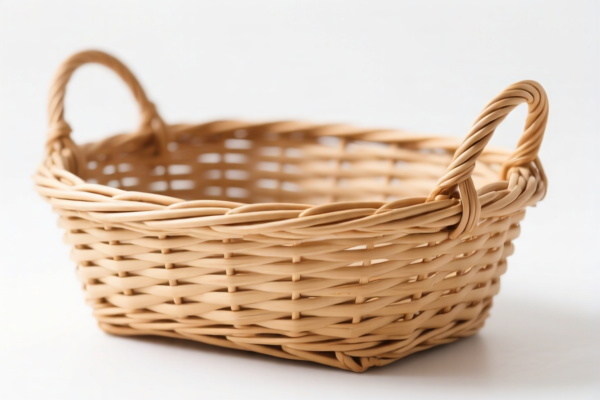
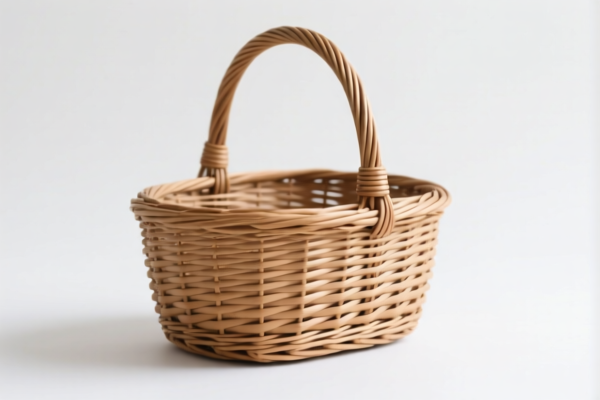
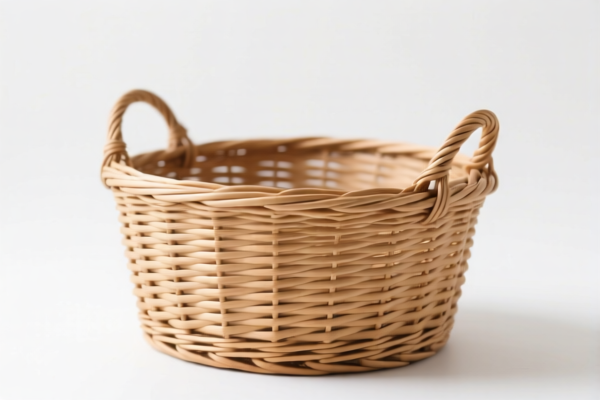
AI Analysis
🧺 Woven Baskets (编织篮/编织花篮)
🌐 HS Code Reference & Customs Clearance Guide | 2026 Latest Tariff Analysis | Professional Strategy for US Imports
📌 I. Product Definition & Classification: Do You Really Know "Woven Baskets"?
Woven baskets, in international trade, are not a single uniform category. Their classification depends strictly on Material, Form/Structure, and Usage. Importers often make the fatal mistake of assuming all "baskets" fall under one code, leading to massive tariff discrepancies.
Key Distinctions:
* Natural Fiber Baskets (Bamboo/Willow/Rattan): Classified under Chapter 46. Subject to high punitive tariffs (Section 301 + 122).
* Plastic/Synthetic Fiber Baskets: Classified under Chapter 39. Generally lower base tariffs but still subject to additional duties.
* Flower Baskets vs. General Storage Baskets: Specific descriptions can shift the HS Code from 4602.11 to 4601.92 or vice versa, altering the base tax rate significantly.
⚠️ Critical Note:
- If the basket is made of bamboo, willow, or other plant materials, it falls under HS 4602 or 4601.
- If the basket is made of plastic strands or synthetic materials, it falls under HS 3926.
- Misclassification leads to severe penalties. A plastic basket declared as bamboo will result in a higher tax bill and potential audit.
📦 II. HS Code Classification Details (Based on Provided Data)
Based on the provided dataset, here are the specific HS Codes and their corresponding tax structures for Woven Baskets imported into the United States.
| HS Code | Product Summary | Material/Structure | Total Tax Rate |
|---|---|---|---|
4602.11.07.00 |
Woven Baskets, Basket Form | Bamboo, Willow, or similar plant fibers | 35.0% |
4602.11.09.00 |
Woven Flower Baskets | Plant materials (Bamboo, Rattan, etc.) | 45.0% |
4601.92.05.00 |
Woven Flower Baskets | Bamboo weaving crafts (Materials & similar products) | 37.7% |
3926.90.99.89 |
Woven Flower Baskets | Plastic fibers or synthetic materials | 22.8% |
💰 III. 2026 Latest Tariff Rate Breakdown (Detailed Analysis)
✅ Applicable Country: United States (US)
✅ Origin: China (CN) (Implied by the "122 Clause" and high surtaxes typical of US-China trade)
✅ Effective Time: Current US Tariff Regime (Post-2024 Adjustments)
🎯 1. 4602.11.07.00 —— Woven Baskets (Bamboo/Willow)
| Item | Content |
|---|---|
| Base Tariff | 0.0% |
| Section 301 Surtax | 25.0% |
| Section 122 Tariff | 10.0% |
| Total Rate | 35.0% |
| Calculation | CIF Value × 35% |
| De Minimis Eligibility | ❌ No |
| Legal Basis | HTSUS:4602.11.07.00 → Section 301 + Section 122 |
📌 Explanation:
- 0% Base: Standard most-favored-nation (MFN) rate for general woven baskets is often 0%.
- 25% Surcharge: The standard Section 301 tariff on Chinese goods in this category.
- 10% Surcharge: Additional duty under Section 122 (often applied to specific textiles/fibers or as a retaliatory measure).
- Total 35%: High impact. Essential for cost calculation.
🎯 2. 4602.11.09.00 —— Woven Flower Baskets (Plant Material)
| Item | Content |
|---|---|
| Base Tariff | 10.0% |
| Section 301 Surtax | 25.0% |
| Section 122 Tariff | 10.0% |
| Total Rate | 45.0% |
| Calculation | CIF Value × 45% |
| De Minimis Eligibility | ❌ No |
| Legal Basis | HTSUS:4602.11.09.00 → Section 301 + Section 122 |
📌 Warning:
- This is the HIGHEST tax rate in the dataset.
- Specifically targets "Flower Baskets." If you are importing plain storage baskets, do NOT use this code.
- The 10% base rate makes this category significantly more expensive than4602.11.07.00.
🎯 3. 4601.92.05.00 —— Woven Flower Baskets (Bamboo Craft)
| Item | Content |
|---|---|
| Base Tariff | 2.7% |
| Section 301 Surtax | 25.0% |
| Section 122 Tariff | 10.0% |
| Total Rate | 37.7% |
| Calculation | CIF Value × 37.7% |
| De Minimis Eligibility | ❌ No |
| Legal Basis | HTSUS:4601.92.05.00 → Section 301 + Section 122 |
📌 Optimization Tip:
- This code applies to "materials and similar products" or specific bamboo crafts.
- The base rate is 2.7%, which is lower than4602.11.09.00(10%).
- Strategy: If your product is a "bamboo craft" or "woven material" rather than a finished "basket form," this code may save you 2.3% in total tax. However, the description must match precisely.
🎯 4. 3926.90.99.89 —— Woven Flower Baskets (Plastic/Synthetic)
| Item | Content |
|---|---|
| Base Tariff | 5.3% |
| Section 301 Surtax | 7.5% |
| Section 122 Tariff | 10.0% |
| Total Rate | 22.8% |
| Calculation | CIF Value × 22.8% |
| De Minimis Eligibility | ❌ No |
| Legal Basis | HTSUS:3926.90.99.89 → Section 301 + Section 122 |
📌 Best Cost Option:
- This is the LOWEST total tax rate (22.8%).
- Why? Plastic/synthetic baskets are often subject to a lower Section 301 rate (7.5% vs. 25%).
- Strategy: If your baskets can be legally classified as "plastic strands" or "synthetic fibers," use this code to save significant costs. Ensure the material composition is accurately declared.
🛠️ IV. Customs Clearance Practical Advice
✅ 1. Material Verification is Key
| Material | Correct HS Code | Total Tax | Note |
|---|---|---|---|
| Bamboo/Willow/Rattan | 4602.11.07.00 or 4602.11.09.00 |
35% - 45% | High tax. Verify if "Flower Basket" definition applies. |
| Bamboo Craft/Matting | 4601.92.05.00 |
37.7% | May offer slight savings if structure allows. |
| Plastic/Synthetic | 3926.90.99.89 |
22.8% | Lowest Tax. Use if material is plastic. |
📌 Action:
- Do not guess the material.
- If you claim "Plastic" to get 22.8%, but the basket is 100% Bamboo, you will be caught during customs inspection.
- Penalty: Back taxes + Interest + Possible Fraud Charges.
✅ 2. Documentation Requirements
| Document | Required? | Details |
|---|---|---|
| Commercial Invoice | ✅ Yes | Clearly state "Material: Bamboo/Plastic", "Usage: Flower Basket/Storage". |
| Packing List | ✅ Yes | Include dimensions, weight, and number of pieces. |
| Product Photos | ✅ Yes | Show texture (natural vs. plastic shine), weave pattern, and handles. |
| Material Certificate | ✅ Recommended | If claiming Plastic (HS 39), provide a supplier declaration of material composition. |
| Origin Certificate | ✅ Yes | Prove Country of Origin to apply correct Section 301/122 rates. |
✅ 3. Clearance Tips & Pitfalls
| Scenario | Correct Approach | Wrong Approach |
|---|---|---|
| Product is Plastic | Use 3926.90.99.89 (22.8%) |
Declare as Bamboo → Pay 35-45% unnecessarily. |
| Product is Bamboo, General Basket | Use 4602.11.07.00 (35%) |
Declare as Flower Basket → Pay 45% unnecessarily. |
| Product is Bamboo, Flower Basket | Use 4602.11.09.00 (45%) |
Use General Basket code → Misclassification risk. |
| Mixed Materials | Analyze dominant material | Guessing leads to clearance delays. |
🔥 Pro Tip:
- Section 122 Tariff (10%) is applied to most of these codes. There is no exemption for small shipments.
- De Minimis (Section 321) does NOT apply to these HS Codes from China. You must pay duties at entry.
🌍 V. Global Market Comparison (2026)
| Market | Recommended HS Code | Total Tax (China Origin) | Notes |
|---|---|---|---|
| 🇺🇸 USA | 3926.90.99.89 (Plastic) or 4602.11.07.00 (Bamboo) |
22.8% - 45.0% | High punitive tariffs. Material classification is critical. |
| 🇪🇺 EU | 4602.11 or 3926.90 |
Varies (0-5%) | No Section 301/122. Standard EU tariffs apply. |
| 🇨🇳 China | 4602.11 or 3926.90 |
0-5% | Low import duties. Focus on domestic tax (VAT). |
| 🇯🇵 Japan | 4602.11 or 3926.90 |
0-5% | No punitive surtaxes. |
📌 Conclusion:
- USA is the most expensive market due to Section 301 and 122 tariffs.
- Plastic baskets (HS 3926) are the most tariff-efficient option for US imports.
- Bamboo baskets (HS 4602) are subject to higher penalties, especially if classified as "Flower Baskets."
📌 VI. Common Mistakes & How to Avoid Them
❌ Mistake 1: Declaring a Bamboo Flower Basket as a Plastic Basket to save tax.
👉 Result: Customs inspection reveals natural fibers. Back taxes + Fines.
❌ Mistake 2: Using 4602.11.09.00 (45%) for a General Storage Basket.
👉 Result: Overpayment of 10%. Use 4602.11.07.00 (35%) if it’s not strictly a "flower basket."
❌ Mistake 3: Assuming De Minimis applies to woven baskets from China.
👉 Result: Shipment held, duties collected, delays. Section 321 exclusions apply.
✅ Best Practice:
"Test Material First. Classify by Material, Then by Form. Avoid 'Flower Basket' if not needed."
🎯 VII. Final Recommendation for Importers
- If possible, switch to Plastic/Synthetic materials → Save 12-22% in taxes (22.8% vs 35-45%).
- If using Bamboo, ensure the product is a General Basket (
4602.11.07.00) rather than a Flower Basket (4602.11.09.00) to save 10%. - Always check the weave: If it’s a "craft mat" or "material,"
4601.92.05.00might be an option (37.7%), but requires careful justification. - Prepare for Section 122: Budget for the additional 10% tariff on all these items.
📌 Disclaimer:
This guide is for informational purposes only. Tariff laws change frequently. Consult a licensed customs broker for your specific shipment. The data provided is based on the 2026 tariff regime as described in the input.
🚀 Clearance Success Starts with Accurate Classification!
Customer Reviews
About HS Code Classification
The Harmonized System (HS) is an internationally standardized nomenclature developed by the World Customs Organization (WCO) to classify traded products. Over 200 countries use the HS system as the basis for customs tariffs, trade statistics, and import/export regulations.
Each HS code follows a hierarchical structure:
- Chapter (2 digits) — Broad category of goods (e.g., Chapter 84: Machinery and Mechanical Appliances)
- Heading (4 digits) — More specific grouping within the chapter
- Subheading (6 digits) — Internationally standardized breakdown, used by all WCO member countries
- National subdivisions (8-10 digits) — Country-specific extensions for further classification, such as US HTSUS 10-digit codes
Correct HS code classification is essential for smooth customs clearance, accurate duty payment, and compliance with trade regulations. Misclassification can lead to customs delays, overpayment of duties, or penalties.
When importing from CN to US, the applicable tariff rates may include:
- Most-Favored-Nation (MFN) rate — The standard duty rate applied to WTO members
- General rate — Applied to countries without trade agreements
- Trade remedy duties — Additional tariffs such as Section 301 (anti-dumping), Section 232 (national security), or countervailing duties
The information provided on this page is for reference purposes only. For official classification, please consult with your local customs authority or a licensed customs broker.