Woven Handbag (with Zipper)
CN → US| HS Code | Tariff Rate | Origin | Destination | Doc |
|---|---|---|---|---|
| 4202228930 | 52.6% | CN | US | Official Doc |
| 3926909989 | 22.8% | CN | US | Official Doc |
| 4602122500 | 53.0% | CN | US | Official Doc |
| 4602192920 | 40.3% | CN | US | Official Doc |
| 4202224020 | 42.4% | CN | US | Official Doc |
Product Images
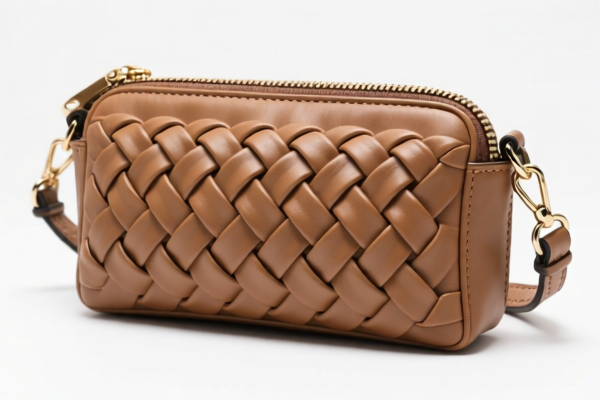
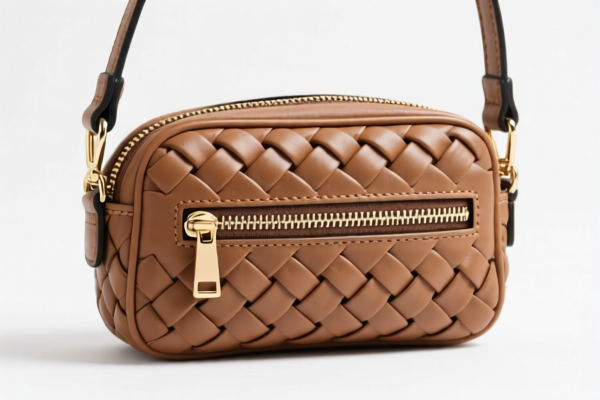
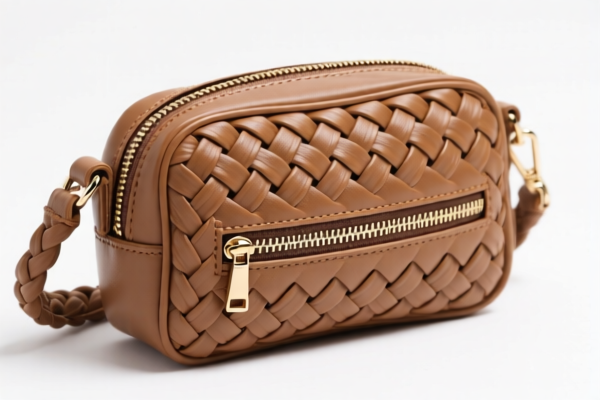
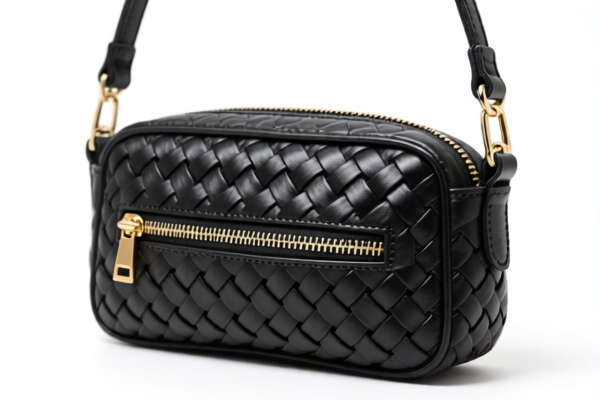
AI Analysis
👜 Woven Handbag (with Zipper)
🌐 HS Code Reference & Customs Clearance Guide | 2026 Latest Tariff Analysis | Professional Clearance Strategy
📌 1. Product Definition & Classification: Are You Sure You Know "Woven Handbags"?
A woven handbag with a zipper is a fashion accessory used for carrying personal items, characterized by its woven structure (typically made of textile fibers, plant materials, or plastic-like polymers) and a zipper closure. In international trade, classification depends heavily on the material composition of the weaving. Misclassification can lead to significant tariff discrepancies due to the varying base duties and Section 301/122 additional tariffs.
⚠️ Key Distinction Points:
- If made of textile materials (e.g., cotton, synthetic yarn): Classify under Chapter 42 (Articles of Leather; Travel Goods).
- If made of plant materials (e.g., straw, rattan, bamboo): Classify under Chapter 46 (Woven Materials of Plaiting Materials).
- If made of plastic/textile-like polymers: Classify under Chapter 39 (Articles of Plastic).
📦 2. HS Code Classification Details (2026 Latest Tariff Authority Comparison)
| HS Code | Product Description | Applicability | Material Category |
|---|---|---|---|
4202.22.89.30 |
Other handbags with outer surface of textile materials, other | Fashion woven bags using textile yarns (synthetic/natural) | ✅ Textile |
3926.90.99.89 |
Other articles of plastic and articles of other materials of headings 3901 to 3914 | Plastic-like woven materials (e.g., PVC strips, synthetic rope) | ✅ Plastic/Polymer |
4602.12.25.00 |
Handbags, handkerchief cases, etc., of vegetable plaiting materials | Plant-based woven bags (straw, rattan, bamboo, reed) | ✅ Plant Fiber |
4602.19.29.20 |
Other woven articles; handbags of other plaiting materials | Generic woven handbags not specifically listed elsewhere | ✅ Other Woven |
4202.22.40.20 |
Handbags with outer surface of textile materials, other | Textile-based woven handbags (specific sub-category) | ✅ Textile |
🔍 Important Note:
- "Woven" does not automatically mean Chapter 46. If the weaving material is textile or plastic, Chapter 42 or 39 may apply.
- Chapter 42 (4202) is the most common for fashion handbags, but the outer surface material dictates the specific subheading.
- Section 122 Tariff applies to most of these categories for goods originating in China.
💰 3. 2026 Latest Tariff Rate Breakdown (Including Surcharges & Policy Add-ons)
✅ Applicable Country: United States (US)
✅ Origin: China (CN)
✅ Effective Time: From November 10, 2025 (including subsequent imports)
🎯 1. 4202.22.89.30 — Handbags of Textile Materials (Other)
| Item | Content |
|---|---|
| Base Tariff | 17.6% (ad valorem) |
| Section 301 Surcharge | +25.0% |
| Section 122 Surcharge | +10.0% |
| Total Rate | 52.6% |
| Tax Calculation | CIF Value × 52.6% |
| De Minimis Eligibility | ❌ Not Eligible (Subject to strict scrutiny) |
| Legal Basis Path | USITC:4202.22.89.30 → Section 301: Footnote 9903.88.01 → Section 122: IEEPA |
📌 Explanation:
- This code applies to handbags with an outer surface of textile materials (e.g., woven cotton, polyester, or synthetic fibers).
- The 52.6% total rate is extremely high due to the combination of base duty, Section 301, and Section 122 tariffs.
🎯 2. 3926.90.99.89 — Other Articles of Plastic (Woven Plastic Bags)
| Item | Content |
|---|---|
| Base Tariff | 5.3% (ad valorem) |
| Section 301 Surcharge | +7.5% |
| Section 122 Surcharge | +10.0% |
| Total Rate | 22.8% |
| Tax Calculation | CIF Value × 22.8% |
| De Minimis Eligibility | ❌ Not Eligible |
| Legal Basis Path | USITC:3926.90.99.89 → Section 301: Footnote 9903.88.01 → Section 122: IEEPA |
📌 Note:
- This code applies if the "woven" material is actually plastic strips (e.g., PVC, PE) rather than textile yarn.
- The total rate is significantly lower (22.8%) compared to textile-based handbags, making this a potentially more cost-effective classification if the material allows.
🎯 3. 4602.12.25.00 — Handbags of Vegetable Plaiting Materials
| Item | Content |
|---|---|
| Base Tariff | 18.0% (ad valorem) |
| Section 301 Surcharge | +25.0% |
| Section 122 Surcharge | +10.0% |
| Total Rate | 53.0% |
| Tax Calculation | CIF Value × 53.0% |
| De Minimis Eligibility | ❌ Not Eligible |
| Legal Basis Path | USITC:4602.12.25.00 → Section 301: Footnote 9903.88.01 → Section 122: IEEPA |
📌 Note:
- This code is for natural plant fibers (straw, rattan, bamboo).
- It has the highest total tax rate (53.0%) among the options, driven by a high base duty and full Section 301/122 surcharges.
🎯 4. 4602.19.29.20 — Other Woven Articles (Handbags)
| Item | Content |
|---|---|
| Base Tariff | 5.3% (ad valorem) |
| Section 301 Surcharge | +25.0% |
| Section 122 Surcharge | +10.0% |
| Total Rate | 40.3% |
| Tax Calculation | CIF Value × 40.3% |
| De Minimis Eligibility | ❌ Not Eligible |
| Legal Basis Path | USITC:4602.19.29.20 → Section 301: Footnote 9903.88.01 → Section 122: IEEPA |
📌 Note:
- This is a residual category for woven handbags that don’t fit specific plant material descriptions.
- Lower base duty (5.3%) helps reduce the total rate compared to textile/veg-based codes, but Section 301 still applies heavily.
🎯 5. 4202.22.40.20 — Handbags of Textile Materials (Specific)
| Item | Content |
|---|---|
| Base Tariff | 7.4% (ad valorem) |
| Section 301 Surcharge | +25.0% |
| Section 122 Surcharge | +10.0% |
| Total Rate | 42.4% |
| Tax Calculation | CIF Value × 42.4% |
| De Minimis Eligibility | ❌ Not Eligible |
| Legal Basis Path | USITC:4202.22.40.20 → Section 301: Footnote 9903.88.01 → Section 122: IEEPA |
📌 Note:
- Another textile-based option, but with a lower base duty (7.4%) than4202.22.89.30.
- Total rate is 42.4%, significantly better than4202.22.89.30(52.6%) if the product qualifies.
🛠️ 4. Customs Clearance Practical Advice (Pitfall Avoidance Guide)
✅ 1. Documentation Checklist (Essential)
| Document | Required | Description |
|---|---|---|
| ✅ Product Specification Sheet | ✔️ | Must specify material composition (e.g., 100% Cotton, PVC Strips, Straw) |
| ✅ Material Sample/Photo | ✔️ | Clear images of the weaving texture and zipper mechanism |
| ✅ Commercial Invoice | ✔️ | Clearly state: "Woven Handbag with Zipper, Material: [Specific Material]" |
| ✅ Packing List | ✔️ | Include dimensions and weight per unit |
| ✅ Origin Certificate | ✔️ | If applicable for preferential treatment (though unlikely for China in this context) |
✅ 2. Declaration Strategy (Key Mnemonic)
🔥 "Material Defines Code, Don't Guess, Verify!"
| Scenario | Correct Classification | Wrong Approach |
|---|---|---|
| Textile Yarn (Cotton/Synthetic) | 4202.22.40.20 or 4202.22.89.30 |
Misclassifying as Plastic → 22.8% vs 42-52% |
| Plastic Strips (PVC/PE) | 3926.90.99.89 |
Misclassifying as Textile → 52.6% vs 22.8% |
| Plant Fiber (Straw/Rattan) | 4602.12.25.00 |
Misclassifying as Plastic → 22.8% vs 53.0% |
| Generic Woven | 4602.19.29.20 |
Vague description "Woven Bag" → Risk of reclassification |
✅ 3. Special Considerations
| Situation | Advice |
|---|---|
| Hybrid Materials (e.g., Plastic handles on Textile bag) | Declare based on primary outer surface material. If textile dominates, use Chapter 42. |
| Zipper Closure | Does not affect classification; all handbags in Chapter 42/46 are assumed to have closures. |
| Customs Audit Risk | High due to tariff disparity (22.8% vs 53.0%). Provide material test reports if challenged. |
🌍 5. Global Market Comparison (2026 Latest)
| Country/Region | Recommended HS Code | Tariff (China Origin) | Certification | Notes |
|---|---|---|---|---|
| 🇺🇸 USA | 4202.22.89.30 / 3926.90.99.89 |
22.8% – 53.0% | None specific | Section 301 & 122 apply |
| 🇨🇳 China | 4202.22.89.30 |
~7-18% | None | No Section 301/122 |
| 🇪🇺 EU | 4202.22.89 / 4602.12.25 |
0-12% | CE (if applicable) | No Section 301/122 |
| 🇬🇧 UK | 4202.22.89 / 4602.12.25 |
0-12% | UKCA | No Section 301/122 |
| 🇯🇵 Japan | 4202.22.89 / 4602.12.25 |
0-10% | None | No Section 301/122 |
📌 Conclusion:
- USA is the only major market with punitive additional tariffs (301/122) for these goods.
- Plastic-woven bags (3926.90.99.89) offer the lowest cost entry at 22.8%, while Textile/Plant-based bags face 40-53%.
- Material declaration is critical to avoid overpayment or underpayment penalties.
📌 6. Common Mistakes & Pitfall Guide (Lessons Learned)
❌ Mistake 1: Calling all "woven bags" 4602 codes
👉 Consequence: If made of textile, you pay 52.6% instead of 22.8% (if plastic) or 42.4% (if textile).
❌ Mistake 2: Not specifying material in the invoice
👉 Consequence: Customs assigns the highest possible rate based on suspicion.
❌ Mistake 3: Assuming "Handbag" = Only Chapter 42
👉 Consequence: Missing cheaper 3926 or 4602 options if the material fits.
❌ Mistake 4: Ignoring Section 122 Tariff
👉 Consequence: Underestimating total tax by 10%. Section 122 applies to ALL these codes.
✅ Correct Practice:
"Woven Handbag with Zipper, Outer Material: 100% Synthetic Fiber Textile, Model XYZ, Made in China"
🎯 7. Conclusion: Precise Classification, Maximize Profit!
🎯 Remember Mnemonic:
🔹 "Plastic is Cheap (22.8%), Textile is Mid (42-52%), Plant is Expensive (53%)!"
🔹 "Section 301 + 122 = 35% Add-on. Know your Material!"
📌 Tips:
- If your handbag uses plastic strips (e.g., PVC weaving), insist on 3926.90.99.89 for the lowest tax.
- If it’s textile, try to qualify for 4202.22.40.20 (42.4%) instead of 4202.22.89.30 (52.6%).
- Always provide material composition in the commercial invoice to prevent customs reclassification.
📣 Immediate Action:
📞 Consult your customs broker with material samples
🚀 Optimize HS Code selection to save up to 30% in duties!
✨ Professional Clearance, Starting with Accurate Classification!
💼 Every Percent Saved is Pure Profit!
Customer Reviews
About HS Code Classification
The Harmonized System (HS) is an internationally standardized nomenclature developed by the World Customs Organization (WCO) to classify traded products. Over 200 countries use the HS system as the basis for customs tariffs, trade statistics, and import/export regulations.
Each HS code follows a hierarchical structure:
- Chapter (2 digits) — Broad category of goods (e.g., Chapter 84: Machinery and Mechanical Appliances)
- Heading (4 digits) — More specific grouping within the chapter
- Subheading (6 digits) — Internationally standardized breakdown, used by all WCO member countries
- National subdivisions (8-10 digits) — Country-specific extensions for further classification, such as US HTSUS 10-digit codes
Correct HS code classification is essential for smooth customs clearance, accurate duty payment, and compliance with trade regulations. Misclassification can lead to customs delays, overpayment of duties, or penalties.
When importing from CN to US, the applicable tariff rates may include:
- Most-Favored-Nation (MFN) rate — The standard duty rate applied to WTO members
- General rate — Applied to countries without trade agreements
- Trade remedy duties — Additional tariffs such as Section 301 (anti-dumping), Section 232 (national security), or countervailing duties
The information provided on this page is for reference purposes only. For official classification, please consult with your local customs authority or a licensed customs broker.