bristle broom
CN → US| HS Code | Tariff Rate | Origin | Destination | Doc |
|---|---|---|---|---|
| 9603109000 | 27.5% | CN | US | Official Doc |
| 9603908040 | 20.3% | CN | US | Official Doc |
| 4417002000 | 17.5% | CN | US | Official Doc |
| 4417008090 | 40.1% | CN | US | Official Doc |
| 9603109000 | 27.5% | CN | US | Official Doc |
Product Images
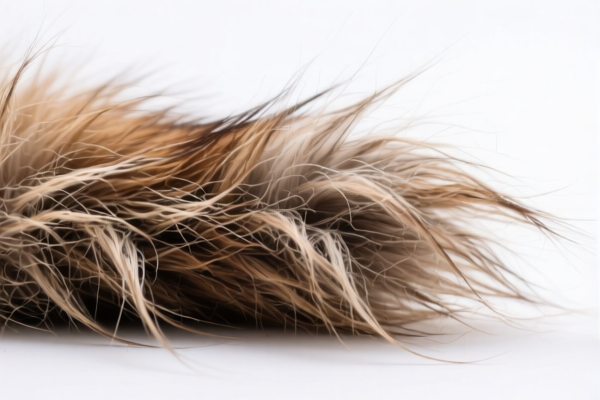
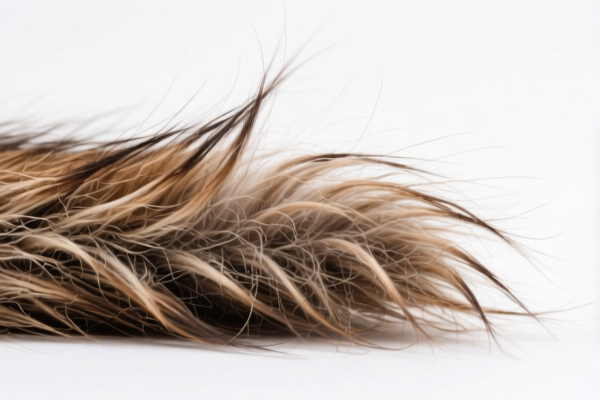
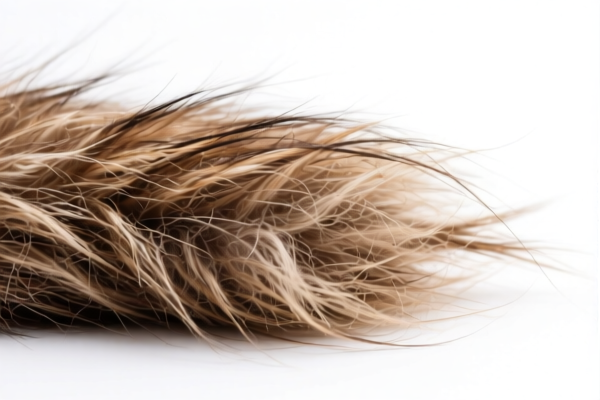
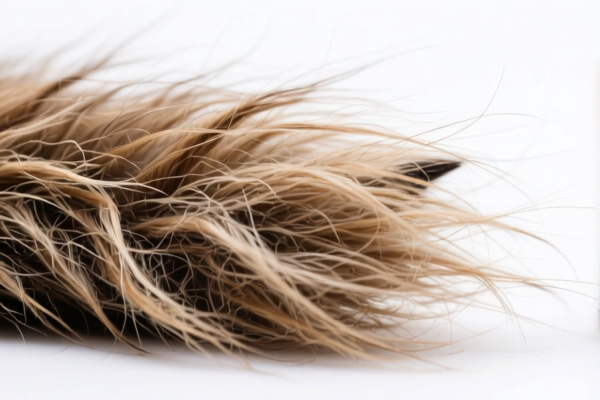
AI Analysis
🧹 Bristle Broom (鬃毛扫帚)
🌐 HS Code Reference & Customs Clearance Guide | 2026 Latest Tariff Analysis | Professional Clearance Strategy
📌 1. Product Definition: What Exactly is a "Bristle Broom"?
In international trade, "Bristle Broom" is a broad term that can refer to brooms made from natural animal bristles (such as boar or horse hair), plant fibers, or synthetic non-plant materials. The classification depends heavily on the material composition of the bristles and the handle structure.
⚠️ Key Distinction Points:
- Material: Is the bristle natural (animal/plant) or synthetic (non-plant)?
- Structure: Is the handle made of wood, or is the entire broom unit defined by its bristle material?
- Usage: General household cleaning vs. specialized industrial use.
📦 2. HS Code Classification Details (2026 Latest Tariff Authority)
Based on the provided data, here are the specific HS Codes applicable to different variations of Bristle Brooms:
| HS Code | Product Description & Summary | Total Tax Rate | Tax Breakdown |
|---|---|---|---|
9603.10.90.00 |
Synthetic/Non-Plant Bristle Broom: Brooms made of bristles, not made of vegetable materials. Classified under "Other Brooms". | 27.5% | Base Tariff: 10.0% Section 301: 7.5% Section 122: 10% |
9603.90.80.40 |
Natural Bristle Broom: Bristles made of animal hair (e.g., boar), fitting the definition of other brooms. | 20.3% | Base Tariff: 2.8% Section 301: 7.5% Section 122: 10% |
4417.00.20.00 |
Wooden-Handle Broom (Plant/Animal Bristles): Bristles made of plant fibers or animal hair, used with a wooden handle, consistent with wooden broom categories. | 17.5% | Base Tariff: 0.0% Section 301: 7.5% Section 122: 10% |
4417.00.80.90 |
Complex Wooden Broom: Bristle head and handle involve wood, fitting the general broom category but with higher wooden component complexity. | 40.1% | Base Tariff: 5.1% Section 301: 25.0% Section 122: 10% |
9603.10.90.00 |
Synthetic Broom (Inferred): Broom shape identified, material inferred as non-vegetable. | 27.5% | Base Tariff: 10.0% Section 301: 7.5% Section 122: 10% |
🔍 Critical Note:
-9603.10.90.00applies if the bristles are synthetic (nylon, plastic, etc.) or non-plant materials.
-9603.90.80.40applies if the bristles are natural animal hair (true "bristle" brooms).
-4417.00.xxxxxxcategories apply when the wooden handle/component is significant, shifting classification towards wood products. The more wood involved, the higher the base tariff and Section 301 rate.
💰 3. 2026 Latest Tariff Rate Details (Including Additional Duties & Policy Surcharges)
✅ Applicable Country: USA (US)
✅ Origin: China (CN)
✅ Effective Time: Current tariffs apply for imports from China.
🎯 1. 9603.10.90.00 – Synthetic/Non-Plant Bristle Broom
| Item | Content |
|---|---|
| Base Tariff | 10.0% (Ad Valorem) |
| Section 301 Surcharge | +7.5% |
| Section 122 Surcharge | +10.0% |
| Total Tax Rate | 27.5% |
| Tax Calculation | CIF Value × 27.5% |
| De Minimis Exemption? | ❌ No (High tariff item, unlikely to qualify for de minimis depending on specific CBP enforcement for this HTS) |
| Legal Basis Path | HTSUS:9603.10.90 → Section 301 Footnote → Section 122 Rule |
📌 Explanation:
- The 10% base tariff is standard for non-vegetable brooms.
- The 7.5% Section 301 is the standard reciprocal tariff on many Chinese goods.
- The 10% Section 122 is an additional surcharge applied to specific categories, significantly increasing the cost.
🎯 2. 9603.90.80.40 – Natural Animal Bristle Broom
| Item | Content |
|---|---|
| Base Tariff | 2.8% |
| Section 301 Surcharge | +7.5% |
| Section 122 Surcharge | +10.0% |
| Total Tax Rate | 20.3% |
| Tax Calculation | CIF Value × 20.3% |
| De Minimis Exemption? | ❌ No |
| Legal Basis Path | HTSUS:9603.90.80 → Section 301 Footnote → Section 122 Rule |
📌 Explanation:
- Natural bristle brooms have a much lower base tariff (2.8%) compared to synthetic ones.
- However, with Section 301 and Section 122 added, the total is still 20.3%, which is cheaper than the synthetic version (27.5%).
- Strategy: If you can source or manufacture with natural bristles, this HS Code offers a cost advantage.
🎯 3. 4417.00.20.00 – Wooden-Handle Broom (Plant/Animal Bristles)
| Item | Content |
|---|---|
| Base Tariff | 0.0% |
| Section 301 Surcharge | +7.5% |
| Section 122 Surcharge | +10.0% |
| Total Tax Rate | 17.5% |
| Tax Calculation | CIF Value × 17.5% |
| De Minimis Exemption? | ❌ No |
| Legal Basis Path | HTSUS:4417.00.20 → Section 301 Footnote → Section 122 Rule |
📌 Explanation:
- The base tariff is 0% because it is classified under wooden articles.
- This is the most cost-effective option if the broom is predominantly wooden with natural bristles.
- Risk: Requires proof that the wooden component is the essential character. If the bristle head is too complex, customs may reclassify to9603.
🎯 4. 4417.00.80.90 – Complex Wooden Broom
| Item | Content |
|---|---|
| Base Tariff | 5.1% |
| Section 301 Surcharge | +25.0% |
| Section 122 Surcharge | +10.0% |
| Total Tax Rate | 40.1% |
| Tax Calculation | CIF Value × 40.1% |
| De Minimis Exemption? | ❌ No |
| Legal Basis Path | HTSUS:4417.00.80 → Section 301 Footnote (Higher Rate) → Section 122 Rule |
📌 Explanation:
- This code applies to more complex wooden brooms.
- The Section 301 surcharge jumps to 25% (likely due to broader wooden product tariffs or specific policy lists).
- Avoid this code if possible, as it is the most expensive option (40.1%).
🛠️ 4. Customs Clearance Practical Advice (Pitfall Avoidance Guide)
✅ 1. Documentation Checklist (All Mandatory)
| Document | Required | Purpose |
|---|---|---|
| ✅ Product Specification Sheet | ✔️ | Must detail material: Animal Bristle vs. Synthetic Fiber vs. Wood Type. |
| ✅ Material Composition Report | ✔️ | Breakdown by weight: e.g., "80% Wood, 20% Boar Hair". |
| ✅ Product Photos | ✔️ | Clear images of the bristle texture (natural vs. synthetic) and handle construction. |
| ✅ Commercial Invoice | ✔️ | Must use precise description: "Boar Bristle Broom" or "Synthetic Nylon Broom". Avoid vague "Cleaning Tool". |
| ✅ Certificate of Origin (CO) | ✔️ | To verify Chinese origin for accurate Section 301/122 assessment. |
✅ 2. Classification Strategy (Key Mnemonic)
🔥 "Material Dictates Code, Wood Lowers Base, Synthetics High Cost!"
| Scenario | Recommended HS Code | Tax Rate | Why? |
|---|---|---|---|
| Synthetic Bristles (Nylon/Plastic) | 9603.10.90.00 |
27.5% | Base tariff is high (10%). No wood benefit. |
| Natural Animal Bristles (Boar/Horse) | 9603.90.80.40 |
20.3% | Low base tariff (2.8%). Best for pure bristle heads. |
| Wood Handle + Natural Bristles | 4417.00.20.00 |
17.5% | Lowest Total Tax! Base is 0%. Must prove wooden character. |
| Complex Wooden Construction | 4417.00.80.90 |
40.1% | Avoid! High Section 301 (25%) kills profitability. |
✅ 3. Special Cases & Handling
| Case | Handling Advice |
|---|---|
| Mixed Material Brooms | If bristles are synthetic but handle is wood, customs may still classify under 9603 if bristles are the essential character. Provide engineering drawings to argue for 4417 if wood is dominant. |
| "Bristle" vs. "Broom" | Ensure the product is not classified as a "brush" (e.g., for paint or cleaning machinery). Household brooms are 9603. Industrial brushes might be 9603.90.90.90 (different tax). |
| Origin Labeling | Clearly mark "Made in China" on packaging to avoid misdeclaration of origin, which can lead to penalties. |
🌍 5. Global Market Comparison (2026 Update)
| Country/Region | Recommended HS Code | Tariff Impact | Notes |
|---|---|---|---|
| 🇺🇸 USA | 4417.00.20.00 |
17.5% (Best) | Heavy Section 301/122 impact. Wood-based classification is key to saving costs. |
| 🇪🇺 EU | 9603.10/9603.90 | Varies (Usually 0-4.5%) | No Section 301/122. Classification depends on material. |
| 🇨🇳 China | 9603.10/9603.90 | Import Tariff ~5-10% | Lower duties. Focus on domestic distribution channels. |
| 🇬🇧 UK | 9603.10/9603.90 | Post-Brexit Tariffs | Aligns with old EU rates. Check latest UK HTS. |
📌 Conclusion:
- USA is the most challenging market for bristle brooms due to Section 301 and Section 122 surcharges.
- Strategy: Maximize wooden components (handle/head frame) to qualify for 4417.00.20.00 (17.5%) instead of 9603.10.90.00 (27.5%).
- Natural Bristles offer a middle ground (20.3%) if wooden classification is not feasible.
📌 6. Common Errors & Pitfall Guide (Blood & Tears Lessons)
❌ Error 1: Declaring a Synthetic Broom as "Natural Bristle"
👉 Consequence: Customs lab test reveals nylon → Penalty for misdeclaration + Back taxes + Possible seizure.
❌ Error 2: Declaring a Wooden Broom under 9603
👉 Consequence: You pay 27.5% instead of 17.5%. Lost Profit: 10% of value.
👉 Fix: Provide wood construction details to justify 4417.00.20.00.
❌ Error 3: Ignoring Section 122 Surcharge
👉 Consequence: Budget based on 301 tariff only, leading to cash flow issues when Section 122 (10%) is applied.
❌ Error 4: Using vague descriptions like "Household Cleaning Tool"
👉 Consequence: Customs delays for classification review. Use specific terms: "Boar Bristle Broom with Wooden Handle".
✅ Correct Approach:
"Wooden-Handle Broom, Natural Boar Bristles, for Household Use, Made in China" → Target
4417.00.20.00(17.5%)
🎯 7. Conclusion: Smart Classification, Higher Margins!
🎯 Remember the Mantra:
🔹 "Synthetic = 27.5% (Ouch!)
🔹 "Natural Bristle = 20.3% (Better)"
🔹 "Wooden Handle + Natural Bristle = 17.5% (Best Savings!)"
🔹 "Complex Wood = 40.1% (Avoid!)"🔹 "HS Code Determines Profit, 10% Difference is Life or Death!"
📌 Pro Tip:
If you are importing to the USA, consider redesigning the broom to have a prominent wooden handle and structural wood frame to qualify for 4417.00.20.00. This saves 10% in total duties compared to synthetic brooms.
Always pre-classify with a licensed customs broker and submit photos and material specs for advance ruling if the product structure is novel.
📣 Take Action Now:
📞 Contact Your Customs Broker with:
1. Product Photos (Close-up of bristles & handle)
2. Material Breakdown (Wood %, Hair %, Synthetic %)
3. Request Classification under4417.00.20.00if possible.
🚀 Clear Smarter, Save More, Export Faster!
✨ Professional Clearance Starts with Accurate Classification!
💼 Every Percent Saved is Pure Profit!
Customer Reviews
About HS Code Classification
The Harmonized System (HS) is an internationally standardized nomenclature developed by the World Customs Organization (WCO) to classify traded products. Over 200 countries use the HS system as the basis for customs tariffs, trade statistics, and import/export regulations.
Each HS code follows a hierarchical structure:
- Chapter (2 digits) — Broad category of goods (e.g., Chapter 84: Machinery and Mechanical Appliances)
- Heading (4 digits) — More specific grouping within the chapter
- Subheading (6 digits) — Internationally standardized breakdown, used by all WCO member countries
- National subdivisions (8-10 digits) — Country-specific extensions for further classification, such as US HTSUS 10-digit codes
Correct HS code classification is essential for smooth customs clearance, accurate duty payment, and compliance with trade regulations. Misclassification can lead to customs delays, overpayment of duties, or penalties.
When importing from CN to US, the applicable tariff rates may include:
- Most-Favored-Nation (MFN) rate — The standard duty rate applied to WTO members
- General rate — Applied to countries without trade agreements
- Trade remedy duties — Additional tariffs such as Section 301 (anti-dumping), Section 232 (national security), or countervailing duties
The information provided on this page is for reference purposes only. For official classification, please consult with your local customs authority or a licensed customs broker.