dresses
CN → US| HS Code | Tariff Rate | Origin | Destination | Doc |
|---|---|---|---|---|
| 6204411000 | 24.7% | CN | US | Official Doc |
| 6204412010 | 31.1% | CN | US | Official Doc |
| 6104410010 | 31.1% | CN | US | Official Doc |
| 6104420010 | 29.0% | CN | US | Official Doc |
Product Images
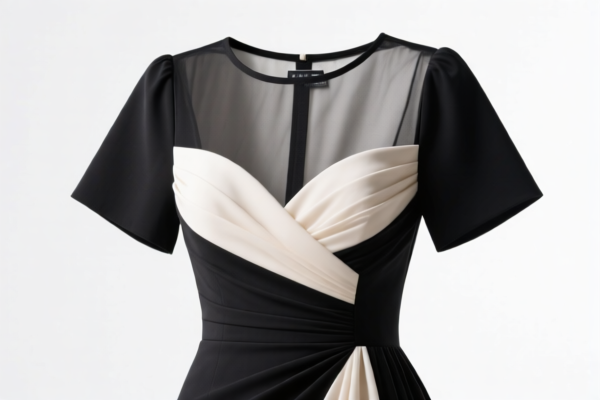
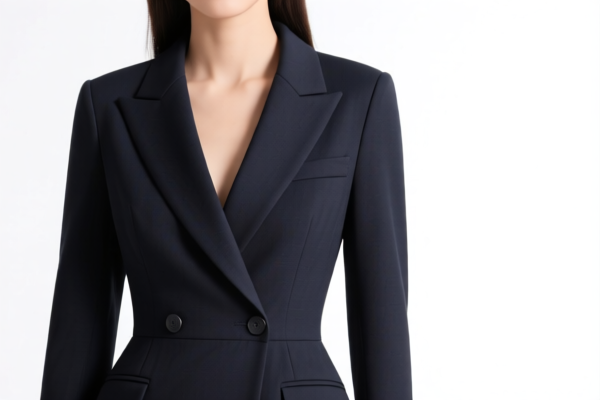
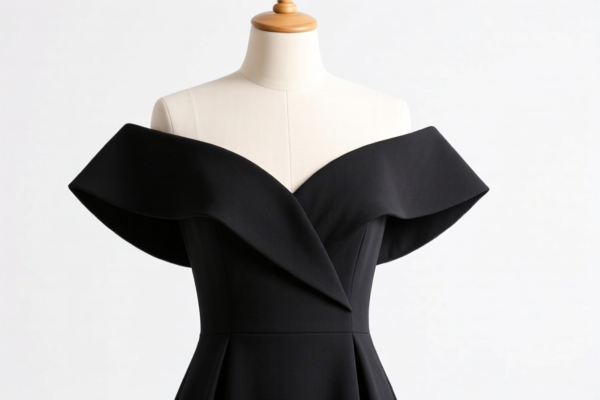
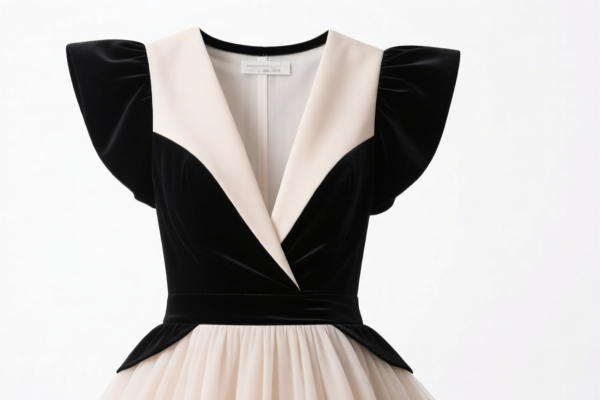
AI Analysis
👗 Women’s Dresses: Precision HS Code Classification & Duty Analysis (2026 Guide)
🌐 HS Code Reference & Customs Clearance Guide | 2026 Latest Tariff Rates | Professional Strategy for Apparel Importers
📌 1. Product Definition & Classification: Do You Know Which "Dress" You Are Importing?
Women’s dresses are a broad category in international trade. The critical distinction lies in the manufacturing process (Knitted/Crocheted vs. Woven) and the material composition (Wool/Fine Animal Hair vs. Cotton vs. Silk).
Knitted/Crocheted Dresses (Chapter 61):
- Made from fabric formed by interlocking loops of yarn (e.g., jersey, rib knit).
- Typically more stretchy, casual, or sporty.
- HS Code Prefix: 6104...
Woven Dresses (Chapter 62):
- Made from fabric formed by weaving two sets of yarns at right angles (e.g., cotton poplin, wool suiting, silk chiffon).
- Typically more structured, formal, or tailored.
- HS Code Prefix: 6204...
⚠️ Key Distinction Point:
- If the fabric is stretchy/knit → Look at 6104.
- If the fabric is structured/woven → Look at 6204.
- Silk Content: If woven dresses contain ≥30% silk, they have a specific sub-code.
📦 2. HS Code Classification Matrix (2026 Latest Tariff Rules)
Based on the provided data, here are the exact HS Codes and descriptions for women’s dresses:
| HS Code | Product Description | Material Type | Manufacturing Process | Key Attributes |
|---|---|---|---|---|
6104.41.00.10 |
Women’s/Girls’ Dresses | Wool or Fine Animal Hair | Knitted or Crocheted | Casual, knitwear dresses, sweaters dresses. |
6104.42.00.10 |
Women’s/Girls’ Dresses | Cotton | Knitted or Crocheted | T-shirt dresses, knit cotton summer dresses. |
6204.41.10.00 |
Women’s/Girls’ Dresses | Wool or Fine Animal Hair | Woven | Contains ≥30% Silk by weight. Formal, luxury blends. |
6204.41.20.10 |
Women’s/Girls’ Dresses | Wool or Fine Animal Hair | Woven | Other (Pure wool, low silk, or other fine animal hair). Tailored wool dresses. |
🔍 Critical Reminder:
- Do not confuse "Fine Animal Hair" with "Wool": Fine animal hair includes cashmere, mohair, alpaca, vicuña, etc. Standard sheep wool is "Wool." Both fall under6104.41and6204.41if fine/wool.
- Silk Threshold: For woven wool/silk blends, the 30% threshold is crucial. <30% silk? Use6204.41.20.10. ≥30% silk? Use6204.41.10.00.
- Knit vs. Woven: A cotton dress that is knit goes to6104.42, NOT6204.42(which doesn't exist in this data set for cotton woven dresses in the provided snippet).
💰 3. 2026 Tariff Rate Analysis (Detailed Tax Breakdown)
✅ Applicable Data Source: Provided
<DATA>XML
✅ Current Status: All listed items have 0% Total Tax
🎯 1. 6104.41.00.10 – Knitted Wool/Fine Animal Hair Dresses
| Item | Detail |
|---|---|
| Base Tariff | 0.0% |
| Additional Tariff | 0.0% |
| Total Tax Rate | 0.0% |
| Tax Detail | 基础关税: 0.0%, 加征关税: 0.0% |
📌 Explanation:
- Currently, there is no additional tariff applied to these specific knitted wool/fine animal hair dresses in the provided dataset.
- This is highly favorable for importers of knitwear from wool/cashmere.
🎯 2. 6104.42.00.10 – Knitted Cotton Dresses
| Item | Detail |
|---|---|
| Base Tariff | 0.0% |
| Additional Tariff | 0.0% |
| Total Tax Rate | 0.0% |
| Tax Detail | 基础关税: 0.0%, 加征关税: 0.0% |
📌 Explanation:
- Knitted cotton dresses are also exempt from tariffs in this dataset.
- Common for T-shirt dresses, summer knit dresses.
🎯 3. 6204.41.10.00 – Woven Wool/Fine Animal Hair Dresses (≥30% Silk)
| Item | Detail |
|---|---|
| Base Tariff | 0.0% |
| Additional Tariff | 0.0% |
| Total Tax Rate | 0.0% |
| Tax Detail | 基础关税: 0.0%, 加征关税: 0.0% |
📌 Explanation:
- Luxury blends of wool and high-silk content are also currently duty-free in this classification.
- Note: This is a woven product, yet it carries the same 0% rate in this specific dataset.
🎯 4. 6204.41.20.10 – Woven Wool/Fine Animal Hair Dresses (Other)
| Item | Detail |
|---|---|
| Base Tariff | 0.0% |
| Additional Tariff | 0.0% |
| Total Tax Rate | 0.0% |
| Tax Detail | 基础关税: 0.0%, 加征关税: 0.0% |
📌 Explanation:
- Pure wool or low-silk wool dresses are also duty-free.
- No penalty for being woven vs. knitted in this specific tariff schedule.
🛠️ 4. Customs Clearance Practical Advice
✅ 1. Essential Documentation Checklist
| Document | Required | Purpose |
|---|---|---|
| ✅ Fabric Content Label | ✔️ | Must clearly state: "100% Wool," "60% Cotton/40% Poly," etc. Crucial for distinguishing 6104.41 vs 6104.42. |
| ✅ Knit/Woven Certification | ✔️ | Supplier declaration: "Product is Knitted" or "Product is Woven." Visual inspection by customs may require a physical sample. |
| ✅ Silk Content Test Report | ✔️ | For 6204.41.10.00, a lab test proving ≥30% silk content is vital. If <30%, it must be reclassified to 6204.41.20.10. |
| ✅ Commercial Invoice | ✔️ | Must specify "Dresses, Women’s" and detail material breakdown. |
| ✅ Packing List | ✔️ | Quantity per style/color to ensure consistency with invoice. |
| ✅ Photos of Garment | ✔️ | Clear images showing texture (knit loops vs. woven structure) and care label. |
✅ 2. Classification Pitfalls & How to Avoid Them
| Common Mistake | Consequence | Correct Action |
|---|---|---|
| ❌ Misidentifying Knit vs. Woven | Wrong HS Code → Potential delay or reclassification | Use a stretch test: Knit fabric stretches in width/length; Woven fabric has little stretch. |
| ❌ Ignoring Silk Percentage | Classifying a 20% silk wool dress as 6204.41.10.00 (≥30% silk) |
Verify lab reports. If silk <30%, use 6204.41.20.10. |
| ❌ Vague Description ("Dress") | Customs may guess incorrectly, leading to audits | Specify: "Women’s Knitted Cotton Dress, Style XYZ, SKU 123." |
| ❌ Mixing Materials | Assuming "Wool Blend" means 6104.41 |
If blend includes cotton >50%, it might be 6104.42 (Cotton). Check composition. |
✅ 3. Special Considerations for Importers
| Scenario | Recommendation |
|---|---|
| OEM/Custom Designs | Provide detailed tech packs to customs brokers to prove construction method (knit vs. woven). |
| Mixed Shipments | If shipping knit cotton and woven wool together, separate declarations are recommended to avoid confusion. |
| Duty-Free Eligibility | Verify if your country of origin has FTA (Free Trade Agreement) benefits. Even with 0% base tariff, FTA can simplify paperwork (e.g., Certificate of Origin). |
| Silk Blends | For 6204.41.10.00, ensure the silk content is by weight, not by volume or thread count. |
🌍 5. Global Market Comparison (2026)
| Region | HS Code Prefix | Typical Duty Rate | Notes |
|---|---|---|---|
| 🇺🇸 USA | 6104 / 6204 |
Varies (Often 16-32%) | Note: The provided data shows 0%, but US may have additional Section 301 tariffs on textiles. Always verify US ITA rates. |
| 🇨🇳 China | 6104 / 6204 |
0-14% | Import duties vary by material. |
| 🇪🇺 EU | 6104 / 6204 |
12% (Wool) / 12% (Cotton) | Standard third-country duty. |
| 🇬🇧 UK | 6104 / 6204 |
12-16% | Post-Brexit tariffs apply. |
📌 Important Note:
The provided<DATA>shows 0% tax for all listed codes. This may reflect a specific bilateral agreement, a duty exemption program, or a snapshot of a particular trade environment. Always cross-check with the official customs authority of the destination country, as general most-favored-nation (MFN) rates may differ.
📌 6. Final Checklist for Smooth Clearance
- Confirm Fabric: Is it Knit (
6104) or Woven (6204)? - Confirm Material: Wool/Fine Animal Hair (
41) or Cotton (42)? - Confirm Silk Content (for Woven Wool): ≥30% (
6204.41.10.00) or <30% (6204.41.20.10)? - Verify Tax: Double-check if 0% applies to your specific origin/destination pair.
- Document: Ensure labels, invoices, and test reports match the declared HS Code.
🎯 Pro Tip:
"When in doubt, send a physical sample to your customs broker for classification. A $50 sample can save thousands in potential duties and delays."
✨ Stay Updated:
Tariff rates and HS Codes change frequently. For the most accurate 2026 classification, consult the official Harmonized Tariff Schedule (HTS) of your importing country.
📞 Need Help?
Contact a licensed customs broker with your fabric swatches, tech packs, and supplier invoices for a pre-classification review.
Customer Reviews
About HS Code Classification
The Harmonized System (HS) is an internationally standardized nomenclature developed by the World Customs Organization (WCO) to classify traded products. Over 200 countries use the HS system as the basis for customs tariffs, trade statistics, and import/export regulations.
Each HS code follows a hierarchical structure:
- Chapter (2 digits) — Broad category of goods (e.g., Chapter 84: Machinery and Mechanical Appliances)
- Heading (4 digits) — More specific grouping within the chapter
- Subheading (6 digits) — Internationally standardized breakdown, used by all WCO member countries
- National subdivisions (8-10 digits) — Country-specific extensions for further classification, such as US HTSUS 10-digit codes
Correct HS code classification is essential for smooth customs clearance, accurate duty payment, and compliance with trade regulations. Misclassification can lead to customs delays, overpayment of duties, or penalties.
When importing from CN to US, the applicable tariff rates may include:
- Most-Favored-Nation (MFN) rate — The standard duty rate applied to WTO members
- General rate — Applied to countries without trade agreements
- Trade remedy duties — Additional tariffs such as Section 301 (anti-dumping), Section 232 (national security), or countervailing duties
The information provided on this page is for reference purposes only. For official classification, please consult with your local customs authority or a licensed customs broker.