dry tanned buffalo upper leather
CN → US| HS Code | Tariff Rate | Origin | Destination | Doc |
|---|---|---|---|---|
| 4107112000 | 37.4% | CN | US | Official Doc |
| 4107192000 | 37.4% | CN | US | Official Doc |
| 4104415000 | 13.3% | CN | US | Official Doc |
| 4104495000 | 13.3% | CN | US | Official Doc |
Product Images
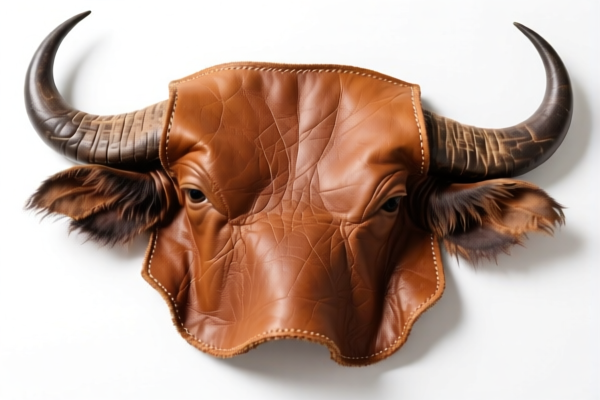
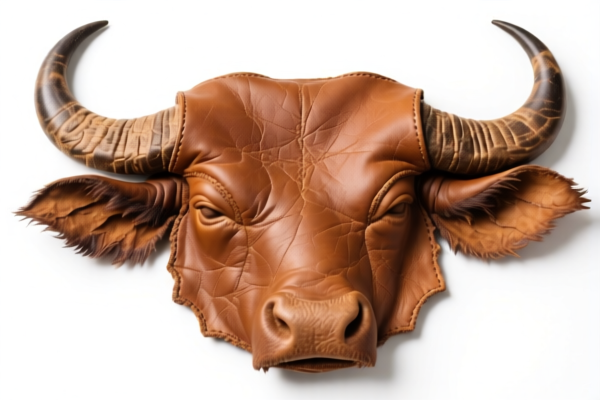
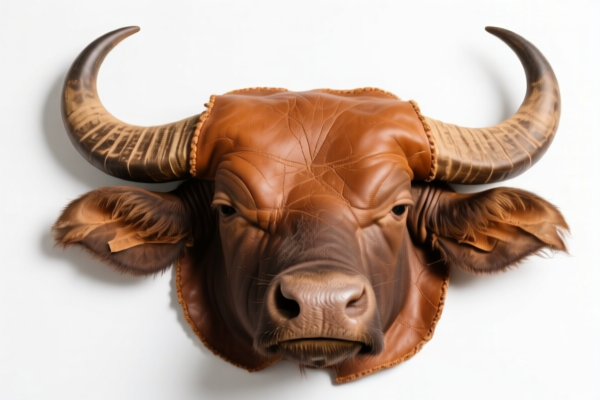
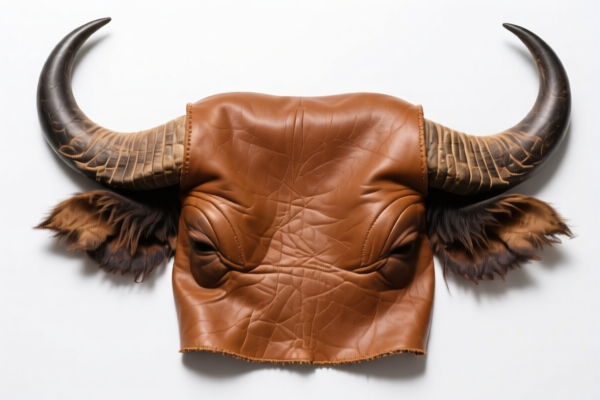
AI Analysis
🐂 Dry Tanned Buffalo Upper Leather (牛皮/水牛皮)
🌐 HS Code Reference & Customs Clearance Guide | 2026 Latest Tariff Analysis | Professional Compliance Strategy
📌 I. Product Definition & Classification: Understanding "Dry Tanned Buffalo Upper Leather"
"Dry Tanned Buffalo Upper Leather" refers to hides or skins of water buffalo that have undergone a tanning process (specifically "dry" or vegetable/chrome tanning that results in a dry finish) and are intended for use as uppers in footwear or leather goods.
In international trade, classification depends heavily on: 1. Animal Origin: Buffalo (Water Buffalo). 2. Processing State: Tanned or semi-tanned (not raw). 3. Form: Full piece/skin (not further fabricated into articles). 4. Finish: "Dry" often implies vegetable tanning or specific chrome tanning with a matte/dry hand feel, distinguishing it from wet-blue or heavily pigmented/corrected grains.
⚠️ Key Distinction:
- If it is vegetable-tanned (common for "dry" feel) → Likely falls under Chapter 41 (Raw/Hide/Skin/Tanned).
- If it is chrome-tanned but considered "dry" due to finish → Still usually Chapter 41 unless coated/fabricated beyond skin form.
- Crucial: "Upper leather" is a use case, not a classification term. The HS Code is based on material and processing, not end-use.
📦 II. HS Code Classification Details (2026 Latest Tariff Authority Mapping)
Based on the provided data, here are the matched HS Codes, their logical justification, and tax implications.
🎯 1. 4107.11.20.00 – Vegetable-Tanned Hides/Skins of Bovines
| Item | Content |
|---|---|
| Product Description | Vegetable-tanned hides and skins of bovine animals (including water buffalo), whole-body and with full grain surface, whether or not split, but not further prepared than tanned or crust. |
| Matching Logic | ✅ Match Confirmed. Material matches (Buffalo/Water Buffalo); Form matches (Tanned/semi-tanned leather); No conflict with raw/split definitions. "Dry tanned" often implies vegetable tanning, which fits this subheading perfectly. |
| Total Tax Rate | 37.4% |
| Tax Breakdown | Base Duty: 2.4%, Section 301 Tariff: 25.0%, Section 122 Tariff: 10% |
| Legal Basis | Chapter 41 (Raw Hides and Skins and Leather); Heading 41.07 (Vegetable-tanned) |
📌 Explanation:
- "4107.11" specifically covers vegetable-tanned bovine hides/skins with full grain.
- "Dry tanned" buffalo leather used for uppers is frequently vegetable-tanned for durability and structure.
- High Tax Alert: This classification incurs the highest tariff burden due to Section 301 and 122 duties.
🎯 2. 4107.19.20.00 – Other Vegetable-Tanned Hides/Skins of Bovines
| Item | Content |
|---|---|
| Product Description | Other vegetable-tanned hides and skins of bovine animals (including water buffalo), not falling within subheading 4107.11 (e.g., split, corrected grain, or different finish). |
| Matching Logic | ✅ Match Confirmed. Material matches (Buffalo); Form matches (Tanned); Even if area/specs aren't specified, the "Other" category infers no conflict. If the leather is split or has a modified grain surface, it falls here. |
| Total Tax Rate | 37.4% |
| Tax Breakdown | Base Duty: 2.4%, Section 301 Tariff: 25.0%, Section 122 Tariff: 10% |
| Legal Basis | Chapter 41; Heading 41.07; Subheading 4107.19 |
📌 Note:
- Use this code if the leather is not full-grain or is split.
- Same high tax rate as4107.11.20.00.
- "Dry tanned" can apply to split leathers too, so confirm grain status.
🎯 3. 4104.41.50.00 – Chrome-Tanned or Semi-Tanned Bovine Leather
| Item | Content |
|---|---|
| Product Description | Chrome-tanned or semi-tanned bovine leather (including buffalo), full-grain, not further prepared than tanned/crust. |
| Matching Logic | ✅ Match Confirmed. Material matches (Buffalo/Water Buffalo); Form matches (Tanned leather); Fits the "Other" category for chrome-tanned full-grain. "Dry" finish can also result from certain chrome-tanning processes with matte additives. |
| Total Tax Rate | 13.3% |
| Tax Breakdown | Base Duty: 3.3%, Section 301 Tariff: 0.0%, Section 122 Tariff: 10% |
| Legal Basis | Chapter 41; Heading 41.04 (Chrome-tanned or semi-tanned) |
📌 Explanation:
- "4104.41" covers chrome-tanned bovine leathers with full grain.
- Significant Tax Advantage: No Section 301 (25%) tariff! Only Base (3.3%) + Section 122 (10%).
- Crucial: If your "dry tanned" leather is chrome-tanned (even with a dry hand feel), this code is FAR MORE COST-EFFECTIVE.
🎯 4. 4104.49.50.00 – Other Chrome-Tanned Bovine Leather
| Item | Content |
|---|---|
| Product Description | Other chrome-tanned or semi-tanned bovine leather (e.g., split, corrected grain, different finish). |
| Matching Logic | ✅ Match Confirmed. Material matches (Buffalo); Form matches (Tanned); Logical fit for "Other" chrome-tanned leathers not in 4104.41. |
| Total Tax Rate | 13.3% |
| Tax Breakdown | Base Duty: 3.3%, Section 301 Tariff: 0.0%, Section 122 Tariff: 10% |
| Legal Basis | Chapter 41; Heading 41.04; Subheading 4104.49 |
📌 Note:
- Same low tax rate as4104.41.50.00.
- Use if the leather is split or has a corrected grain surface.
- Confirm if the "dry" finish is due to chrome tanning with matte agents → Likely qualifies here.
💰 III. 2026 Latest Tariff Rate Breakdown (Including Surcharges)
✅ Applicable Country: United States (US)
✅ Origin: China (CN)
✅ Effective Date: From November 10, 2025 (including subsequent imports)
🎯 A. High-Tax Scenarios: Vegetable-Tanned (4107.xx.xx)
| Item | Content |
|---|---|
| HS Codes | 4107.11.20.00, 4107.19.20.00 |
| Base Duty | 2.4% |
| Section 301 Tariff | +25.0% (USITC Footnote) |
| Section 122 Tariff | +10.0% (China-specific) |
| Total Effective Rate | 37.4% |
| Tax Calculation | CIF Value × 37.4% |
| De Minimis Exemption | ❌ NOT Applicable |
| Legal Path | USITC:4107.11.20.00 → FOOTNOTE:301 → IEEPA:122 |
📌 Explanation:
- Vegetable-tanned leather is heavily taxed due to Section 301 (25%) and Section 122 (10%).
- High Cost Warning: A $10,000 shipment incurs $3,740 in duties.
🎯 B. Low-Tax Scenarios: Chrome-Tanned (4104.xx.xx)
| Item | Content |
|---|---|
| HS Codes | 4104.41.50.00, 4104.49.50.00 |
| Base Duty | 3.3% |
| Section 301 Tariff | 0.0% (Exempt) |
| Section 122 Tariff | +10.0% |
| Total Effective Rate | 13.3% |
| Tax Calculation | CIF Value × 13.3% |
| De Minimis Exemption | ❌ NOT Applicable |
| Legal Path | USITC:4104.41.50.00 → IEEPA:122 |
📌 Explanation:
- Chrome-tanned leather enjoys a 25% savings in Section 301 tariffs.
- Cost Efficiency: A $10,000 shipment incurs only $1,330 in duties.
- Critical: Confirm if "dry tanned" is chrome-tanned. If yes, use 4104 codes!
🛠️ IV. Customs Clearance Practical Advice (Avoiding Pitfalls)
✅ 1. Essential Documentation Checklist
| Document | Required? | Notes |
|---|---|---|
| ✅ Product Specification Sheet | ✔️ | Must specify: Animal type (Buffalo), Tanning method (Vegetable/Chrome), Finish (Dry/Matte), Grain type (Full/Corrected/Split). |
| ✅ Tanning Process Description | ✔️ | CRITICAL: Clearly state if Vegetable or Chrome tanned. This determines HS Code and Tax Rate! |
| ✅ Product Photos | ✔️ | Show surface texture (grain), cut edge (split vs. full), and any markings. |
| ✅ Commercial Invoice | ✔️ | Accurate description: "Buffalo Leather, Chrome-Tanned, Full Grain, Dry Finish, for Upper Leather." |
| ✅ Packing List | ✔️ | Detail quantities and weights. |
| ✅ Origin Certificate | ✔️ | If applicable for other markets, but for US, origin is key for tariffs. |
✅ 2. Declaration Tips (Key Rules)
🔥 "Tanning Method Defines Tax: Veg = 37.4%, Chrome = 13.3%"
| Scenario | Correct HS Code | Incorrect Approach |
|---|---|---|
| Vegetable-Tanned, Full Grain | 4107.11.20.00 |
Misdeclaring as Chrome → Penalty + Back Taxes |
| Vegetable-Tanned, Split | 4107.19.20.00 |
Misdeclaring as Chrome → Penalty + Back Taxes |
| Chrome-Tanned, Full Grain | 4104.41.50.00 |
Misdeclaring as Vegetable → Overpay 24% |
| Chrome-Tanned, Split/Corrected | 4104.49.50.00 |
Misdeclaring as Vegetable → Overpay 24% |
📌 Pro Tip:
- "Dry Tanned" is ambiguous. In the leather industry, it often refers to vegetable tanning (traditional, dry feel) OR chrome tanning with matte/dry finish.
- ACTION: Ask your tannery for the chemical composition or tanning agent used.
- If Vegetable tannins → Use4107codes (37.4%).
- If Chrome salts → Use4104codes (13.3%).
✅ 3. Special Cases
| Situation | Handling Advice |
|---|---|
| Mixed Shipments (Veg & Chrome) | Must be declared separately with accurate HS Codes. Do not mix under one code. |
| "Upper Leather" Labeling | Do NOT use "Upper Leather" as the primary description. Use "Tanned Buffalo Leather" as the product name, and specify "For Footwear Uppers" in the remarks. |
| Sample vs. Bulk | Samples still require proper HS Code and duty payment if over de minimis. |
| Pre-Arrival Review | Strongly recommend applying for Advance Ruling if unsure about tanning method. |
🌍 V. Global Market Comparison (2026 Latest)
| Country/Region | Recommended HS Code | Tariff (China Origin) | Certification | Notes |
|---|---|---|---|---|
| 🇺🇸 USA | 4104.41.50.00 (Chrome) |
13.3% | None | Best option if Chrome-tanned. Avoid 4107 (37.4%). |
| 🇺🇸 USA | 4107.11.20.00 (Veg) |
37.4% | None | High cost due to Sec 301 + 122. |
| 🇨🇳 China | 4104.41.50.00 |
5% | None | No additional surcharges. |
| 🇪🇺 EU | 4104.41.50.00 |
6.5% | REACH | No Section 301/122 equivalents. |
| 🇬🇧 UK | 4104.41.50.00 |
6.5% | UKCA | Post-Brexit tariffs similar to EU. |
| 🇯🇵 Japan | 4104.41.50.00 |
5% | JIS | No high surcharges. |
📌 Conclusion:
- USA is the most expensive market due to Section 301 and 122 tariffs.
- Chrome-tanned leather (4104) is significantly cheaper than Vegetable-tanned (4107) in the US.
- Verify Tanning Method! This is the single biggest cost driver.
📌 VI. Common Mistakes & Pitfalls (Lessons Learned)
❌ Mistake 1: Assuming "Dry Tanned" means Vegetable-Tanned.
👉 Result: Using 4107 codes (37.4%) when the leather is actually Chrome-tanned (13.3%). You overpay 24%!
❌ Mistake 2: Using "Upper Leather" as the HS Code description.
👉 Result: Customs may reject or delay clearance. Use "Tanned Leather" and specify use in remarks.
❌ Mistake 3: Failing to distinguish between Full Grain and Split.
👉 Result: Misclassification between 4107.11/4104.41 (Full Grain) and 4107.19/4104.49 (Split/Other). Can lead to audits.
❌ Mistake 4: Ignoring Section 122 Tariff.
👉 Result: Forgetting the 10% surcharge on all Chapter 41 leather imports from China. Every shipment pays this!
✅ Correct Approach:
"Buffalo Leather, Chrome-Tanned, Full Grain, Dry Finish, for Footwear Uppers, Model BL-123, Tanning Agent: Chrome Salts, Origin: China"
🎯 VII. Conclusion: Professional Declaration, Save Costs!
🎯 Remember the Golden Rule:
🔹 "Chrome Tanned = 13.3%, Veg Tanned = 37.4%"
🔹 "Dry Finish ≠ Veg Tanned Always. Check the Chemicals!"
🔹 "Section 122 (10%) applies to ALL leather from China."
📌 Pro Tip:
If your leather is Chrome-Tanned, insist on 4104.41.50.00 or 4104.49.50.00 to save 24% in duties.
If it is Vegetable-Tanned, prepare for 37.4% and consider pricing accordingly.
📣 Immediate Action:
📞 Contact your tannery for Tanning Method Confirmation.
📄 Update Commercial Invoice with accurate HS Code and detailed product description.
🚀 Optimize your supply chain by choosing Chrome-Tanned where possible!
✨ Professional Clearance Starts with Accurate Classification!
💼 Every Percent in Duty is Money in Your Pocket!
Customer Reviews
About HS Code Classification
The Harmonized System (HS) is an internationally standardized nomenclature developed by the World Customs Organization (WCO) to classify traded products. Over 200 countries use the HS system as the basis for customs tariffs, trade statistics, and import/export regulations.
Each HS code follows a hierarchical structure:
- Chapter (2 digits) — Broad category of goods (e.g., Chapter 84: Machinery and Mechanical Appliances)
- Heading (4 digits) — More specific grouping within the chapter
- Subheading (6 digits) — Internationally standardized breakdown, used by all WCO member countries
- National subdivisions (8-10 digits) — Country-specific extensions for further classification, such as US HTSUS 10-digit codes
Correct HS code classification is essential for smooth customs clearance, accurate duty payment, and compliance with trade regulations. Misclassification can lead to customs delays, overpayment of duties, or penalties.
When importing from CN to US, the applicable tariff rates may include:
- Most-Favored-Nation (MFN) rate — The standard duty rate applied to WTO members
- General rate — Applied to countries without trade agreements
- Trade remedy duties — Additional tariffs such as Section 301 (anti-dumping), Section 232 (national security), or countervailing duties
The information provided on this page is for reference purposes only. For official classification, please consult with your local customs authority or a licensed customs broker.