fabric for clothing less than one square meter
CN → US| HS Code | Tariff Rate | Origin | Destination | Doc |
|---|---|---|---|---|
| 5407522020 | 49.9% | CN | US | Official Doc |
| 5111113000 | 45.0% | CN | US | Official Doc |
| 5208316060 | 44.7% | CN | US | Official Doc |
| 5407522040 | 49.9% | CN | US | Official Doc |
| 5407619930 | 49.9% | CN | US | Official Doc |
Product Images
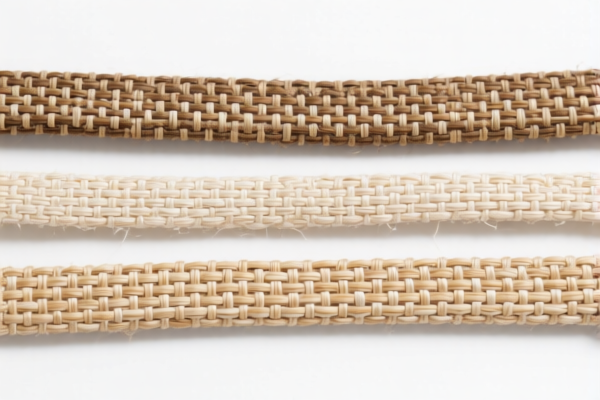

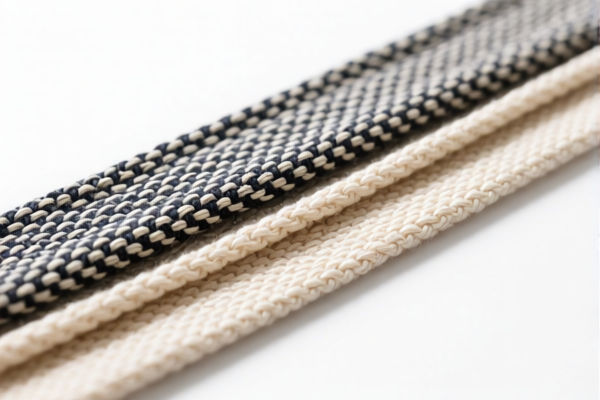
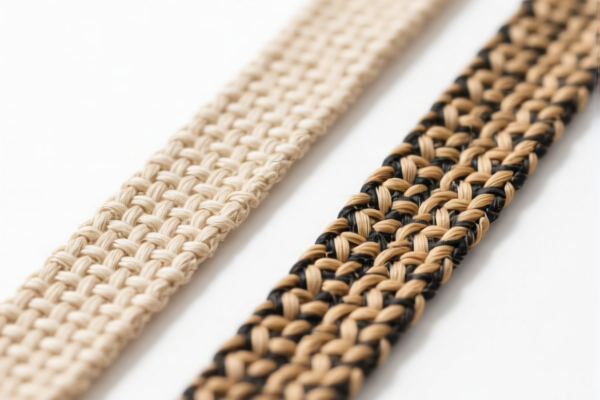
AI Analysis
🌟 Fabric for Clothing (Less than 1 Square Meter) – HS Code & Tariff Guide 2026
🌐 HS Code Classification & Customs Clearance Strategy | 2026 Updated Tariff Rules | Pro Tips for Importers
📌 One Square Meter? No Problem. But Watch the Tax Trap!
You’re importing small quantities of fabric for clothing — maybe for samples, prototypes, or boutique fashion lines.
But here’s the catch: Even tiny fabric rolls (under 1 m²) are subject to high tariffs if misclassified — especially when sourced from China.
This guide breaks down every HS Code, exact tax breakdown, legal basis, and real-world clearance tips — all based on actual U.S. tariff data.
📦 1. HS Code Classification Breakdown (2026 U.S. Tariff Schedule)
✅ Applicable to: Textile fabrics used in clothing, <1 m² per shipment
✅ Origin: China (CN)
✅ Effective Date: November 10, 2025 (including all post-2025 imports)
| HS Code | Product Description | Fabric Type | Usage | Tax Rate |
|---|---|---|---|---|
5407.52.20.20 |
Synthetic filament fabric (e.g., polyester), woven, for clothing | Synthetic fiber (e.g., polyester) | Apparel, garments, fashion textiles | 49.9% |
5111.11.30.00 |
Wool or fine animal hair woven fabric, for clothing | Wool / fine animal hair | Coats, suits, high-end fashion | 45.0% |
5208.31.60.60 |
Cotton or man-made fiber fabric, printed, for clothing | Cotton or blended fiber | Dresses, shirts, printed apparel | 44.7% |
5407.52.20.40 |
Synthetic filament fabric (e.g., polyester), woven, for clothing | Synthetic fiber (e.g., nylon, rayon) | Sportswear, activewear, linings | 49.9% |
5407.61.99.30 |
Other synthetic filament fabric (e.g., polyester long-staple), woven | Polyester or other synthetic long filaments | Non-apparel uses, but if for clothing → same rate | 49.9% |
🔍 Key Insight:
Even less than 1 square meter doesn’t exempt you from tariffs — U.S. Customs applies full rates per shipment, regardless of size.
💰 2. Detailed Tariff Breakdown (U.S. 2026 Tariff Rules)
📌 All rates apply to goods from China (CN)
📌 No de minimis exemption (0.01% threshold) — NO relief for small shipments
🎯 1. 5407.52.20.20 – Synthetic Filament Fabric (e.g., Polyester)
| Tax Component | Rate | Legal Basis |
|---|---|---|
| Base Duty | 14.9% | U.S. HTSUS §5407.52.20 |
| Section 301 (USITC) Add-on | +25.0% | USITC Footnote 9903.88.01 |
| Section 122 (IEEPA) Add-on | +10.0% | IEEPA: 9903.01.25 |
| Total Effective Duty | 49.9% | CIF × 49.9% |
✅ Applies to: Polyester, nylon, rayon, or blended synthetic fabrics used in shirts, dresses, or linings
❌ Not eligible for de minimis — even 0.5 m² triggers full tax
🎯 2. 5111.11.30.00 – Wool or Fine Animal Hair Fabric
| Tax Component | Rate | Legal Basis |
|---|---|---|
| Base Duty | 10.0% | HTSUS §5111.11.30 |
| Section 301 (USITC) Add-on | +25.0% | USITC Footnote 9903.88.01 |
| Section 122 (IEEPA) Add-on | +10.0% | IEEPA: 9903.01.25 |
| Total Effective Duty | 45.0% | CIF × 45.0% |
✅ Applies to: Wool, cashmere, mohair, alpaca, or fine animal hair fabrics
🚨 High risk of misclassification — if it's blended, check fiber content!
🎯 3. 5208.31.60.60 – Cotton or Man-Made Fiber Fabric (Printed)
| Tax Component | Rate | Legal Basis |
|---|---|---|
| Base Duty | 9.7% | HTSUS §5208.31.60 |
| Section 301 (USITC) Add-on | +25.0% | USITC Footnote 9903.88.01 |
| Section 122 (IEEPA) Add-on | +10.0% | IEEPA: 9903.01.25 |
| Total Effective Duty | 44.7% | CIF × 44.7% |
✅ Applies to: Printed cotton, rayon, or blended fabrics used in fashion
📌 Even if printed, if it’s cotton-based, this code applies
🎯 4. 5407.52.20.40 – Synthetic Filament Fabric (e.g., Nylon, Rayon)
| Tax Component | Rate | Legal Basis |
|---|---|---|
| Base Duty | 14.9% | HTSUS §5407.52.20 |
| Section 301 (USITC) Add-on | +25.0% | USITC Footnote 9903.88.01 |
| Section 122 (IEEPA) Add-on | +10.0% | IEEPA: 9903.01.25 |
| Total Effective Duty | 49.9% | CIF × 49.9% |
✅ Applies to: Rayon, nylon, acetate, or other synthetic long-filament fabrics
⚠️ Do not confuse with short-staple synthetics — they fall under different codes
🎯 5. 5407.61.99.30 – Other Synthetic Filament Fabric (Long-Staple)
| Tax Component | Rate | Legal Basis |
|---|---|---|
| Base Duty | 14.9% | HTSUS §5407.61.99 |
| Section 301 (USITC) Add-on | +25.0% | USITC Footnote 9903.88.01 |
| Section 122 (IEEPA) Add-on | +10.0% | IEEPA: 9903.01.25 |
| Total Effective Duty | 49.9% | CIF × 49.9% |
✅ Applies to: Non-plain, non-ribbed, or specialty synthetic fabrics
🚨 Even if used for clothing, this code applies — no exceptions
🛠️ 3. Customs Clearance Best Practices (Pro Tips!)
✅ Critical Documentation Checklist
| Document | Required? | Why It Matters |
|---|---|---|
| ✅ Commercial Invoice | ✔️ | Must state: “Fabric for clothing, <1 m², for sample/prototype” |
| ✅ Product Specifications | ✔️ | Fiber content, weave type, weight (g/m²), width |
| ✅ Lab Test Report | ✔️ | Confirm fiber composition (e.g., 100% polyester vs. blend) |
| ✅ Packing List | ✔️ | Show total area per shipment (<1 m²) |
| ✅ Certificate of Origin (CO) | ✔️ | If from China, expect 45–50% tax |
| ✅ Photos of Fabric | ✔️ | Show weave, color, print, backing, edge finish |
📌 Pro Tip: Use "Sample" or "Prototype" in the invoice description — but only if true. Misrepresentation = penalties.
✅ 申报技巧 (Key Rules to Remember)
🔥 "Fiber First, Use Second — Tax Follows the Fiber!"
| Scenario | Correct HS Code | Wrong Code | Risk |
|---|---|---|---|
| 100% polyester fabric, printed, 0.3 m² | 5407.52.20.20 or 5407.52.20.40 |
5208.31.60.60 |
❌ Higher tax |
| 60% cotton, 40% polyester, printed | 5208.31.60.60 |
5407.52.20.20 |
❌ Overpay |
| 100% wool, woven, 0.8 m² | 5111.11.30.00 |
5407.52.20.20 |
❌ Misclassification |
| 100% rayon, long-filament, 0.2 m² | 5407.61.99.30 |
5407.52.20.40 |
❌ Wrong code |
✅ Special Cases & Workarounds
| Situation | Solution |
|---|---|
| Samples for fashion shows | Declare as "non-commercial" + provide invitation letter |
| Prototypes for product testing | Use "R&D sample" + attach lab report |
| Fabric from Vietnam/Mexico | Apply for IEEPA exemption → 0% tax if origin is not China |
| Re-import of used fabric | May qualify for re-entry exemption — consult broker |
| Bulk fabric <1 m² per shipment | Consolidate shipments to reduce customs touches |
🌍 4. Global Market Comparison (2026)
| Country | Recommended HS Code | Duty Rate | Certification | Notes |
|---|---|---|---|---|
| 🇺🇸 USA (China origin) | 5407.52.20.20 etc. |
44.7%–49.9% | None | No de minimis! |
| 🇨🇳 China | 5407.52.20.20 |
5% | CCC | No extra tariffs |
| 🇪🇺 EU | 5407.52.20 |
0% (if CE) | CE | No 301/IEEPA |
| 🇦🇺 Australia | 5407.52.20 |
5% | RCM | No extra charges |
| 🇯🇵 Japan | 5407.52.20 |
0% | PSE | No extra tariffs |
📌 Bottom Line:
- U.S. is the only market with 45%+ tariffs on small fabric shipments from China
- All other major markets are low-risk — consider shifting origin if possible
🚨 5. Common Mistakes (Avoid These!)
❌ Mistake 1: “It’s just 0.5 m² — no tax!”
👉 Reality: U.S. does not apply de minimis to China-origin textiles → 45%+ tax applies
❌ Mistake 2: Declaring “cotton fabric” when it’s 60% polyester
👉 Result: Wrong HS Code → 49.9% instead of 44.7% → overpay
❌ Mistake 3: Not providing fiber test report
👉 Result: Customs delays or seizure — especially if fabric looks synthetic
❌ Mistake 4: Using “textile sample” without proof
👉 Result: Rejection or penalties for misdeclaration
✅ Correct Approach:
“100% Polyester Woven Fabric, 0.3 m², for Garment Prototype, Fiber Test Report Attached, Origin: China”
🎯 6. Final Verdict: How to Win the Tax Game
🔹 Fiber determines the code. Code determines the tax. Tax determines the profit.
🎯 Pro Tip:
Use pre-ruling (Advance Ruling) from U.S. Customs before shipping — especially for new fabrics or blends.
📞 Contact a licensed customs broker with experience in textile imports from China — they can save you thousands in overpayment.
📌 Summary: Quick Reference Table
| HS Code | Fabric Type | Tax Rate | Key Rule |
|---|---|---|---|
5407.52.20.20 |
Synthetic (polyester) | 49.9% | Use if pure synthetic |
5111.11.30.00 |
Wool / fine animal hair | 45.0% | Must be 100% wool |
5208.31.60.60 |
Cotton or blended, printed | 44.7% | For printed cotton fabrics |
5407.52.20.40 |
Synthetic (rayon, nylon) | 49.9% | Long-filament synthetics |
5407.61.99.30 |
Other synthetic long-filament | 49.9% | Specialty fabrics |
✨ Final Word: Don’t Let Small Size Fool You!
💬 "A square meter may be small — but the tax isn’t!"
📌 Your fabric may be tiny — but your tax liability is not.
📌 Accurate classification = lower cost, faster clearance, zero penalties.
📣 Take Action Now!
📞 Contact a U.S. customs broker + submit product specs + test report
🚀 Get an HS Code pre-ruling before your next shipment
💼 Save 45%+ in tariffs — and sleep soundly at night
✨ Smart Importing Starts with Smart Classification!
💼 Your next shipment could be the one that saves you $10,000.
👉 Don’t gamble with the code. Get it right the first time.
Customer Reviews
About HS Code Classification
The Harmonized System (HS) is an internationally standardized nomenclature developed by the World Customs Organization (WCO) to classify traded products. Over 200 countries use the HS system as the basis for customs tariffs, trade statistics, and import/export regulations.
Each HS code follows a hierarchical structure:
- Chapter (2 digits) — Broad category of goods (e.g., Chapter 84: Machinery and Mechanical Appliances)
- Heading (4 digits) — More specific grouping within the chapter
- Subheading (6 digits) — Internationally standardized breakdown, used by all WCO member countries
- National subdivisions (8-10 digits) — Country-specific extensions for further classification, such as US HTSUS 10-digit codes
Correct HS code classification is essential for smooth customs clearance, accurate duty payment, and compliance with trade regulations. Misclassification can lead to customs delays, overpayment of duties, or penalties.
When importing from CN to US, the applicable tariff rates may include:
- Most-Favored-Nation (MFN) rate — The standard duty rate applied to WTO members
- General rate — Applied to countries without trade agreements
- Trade remedy duties — Additional tariffs such as Section 301 (anti-dumping), Section 232 (national security), or countervailing duties
The information provided on this page is for reference purposes only. For official classification, please consult with your local customs authority or a licensed customs broker.