foot sole pad
CN → US| HS Code | Tariff Rate | Origin | Destination | Doc |
|---|---|---|---|---|
| 6406909000 | 17.5% | CN | US | Official Doc |
| 9021100090 | 10.0% | CN | US | Official Doc |
| 6406901580 | 32.4% | CN | US | Official Doc |
| 9021908100 | 10.0% | CN | US | Official Doc |
Product Images
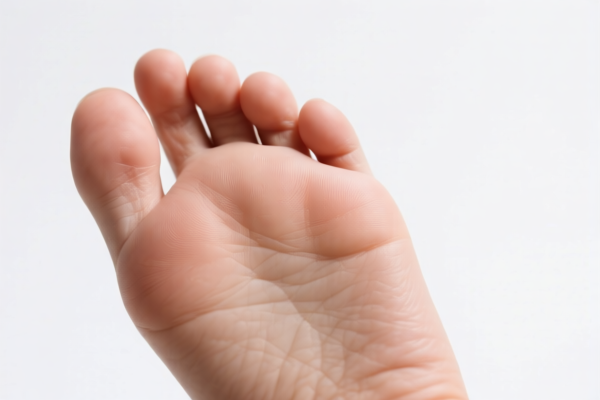
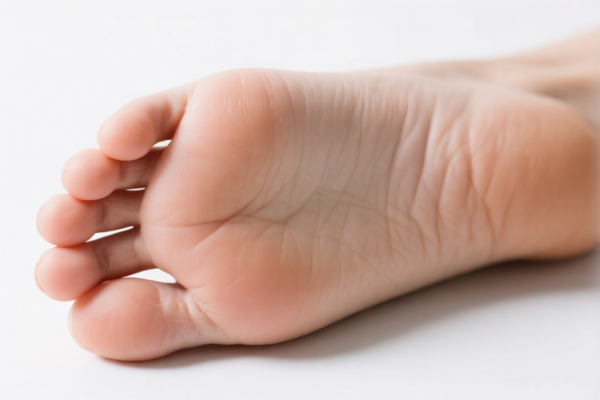
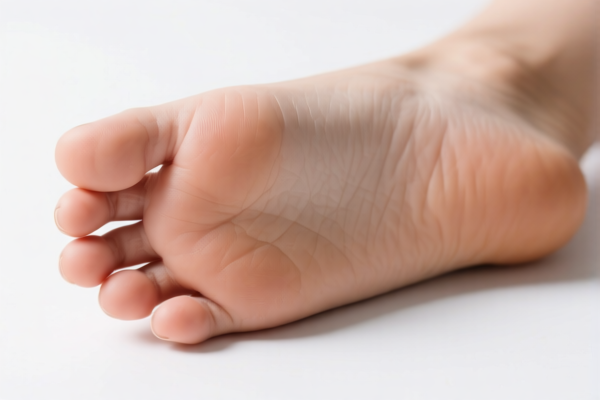
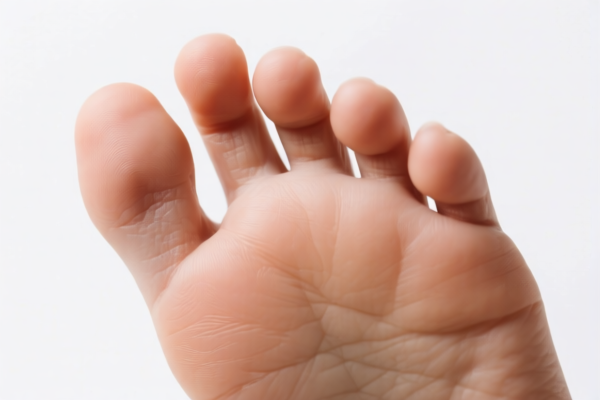
AI Analysis
👣 Foot Sole Pads: The Hidden Battle for Customs Classification | 2026 Tariff Deep Dive
🌐 HS Code Reference & Clearance Guide | 2026 Latest Tariff Analysis | Strategic Customs Strategy
📌 I. Product Definition: What Exactly Is a "Foot Sole Pad"?
The term "Foot Sole Pad" is deceptively simple. In international trade, this single term masks a complex classification dilemma. Depending on the material, function, and intended use, a foot pad can be classified as:
- Shoe Accessory: A removable insole or insert made of textile, foam, or non-metal materials, designed for comfort or minor support within footwear.
- Orthopedic Device: A rigid or semi-rigid structural support device classified as a "prosthetic or orthopedic appliance," designed to correct deformities or support specific medical conditions.
⚠️ Critical Distinction Point:
- If it is primarily a soft insert (textile, foam, rubber) for comfort → Chapter 64 (Footwear) or Chapter 90 (Medical)?
- If it is a structural orthotic device with medical purpose → Chapter 90 (Medical Apparatus).
- Material Matters: Textile-based pads face higher tariffs than non-metallic/medical-grade pads.
📦 II. HS Code Classification Details (2026 Latest Tariff Authority Comparison)
| HS Code | Product Description | Application Scenario | Key Classification Logic |
|---|---|---|---|
6406.90.90.00 |
Other footwear parts/accessories (Non-metallic) | General purpose removable insoles, foam pads, non-textile inserts | Shoe Parts: Non-metallic materials, general comfort/support |
9021.10.00.90 |
Orthopedic Appliances (External) | Rigid foot supports, arch supports, non-internal fixation devices | Medical Device: Positive shaping/suppression, no material conflict |
6406.90.15.80 |
Footwear parts (Textile Materials) | Removable insoles/pads made of textile fabrics, felt, or woven materials | Shoe Parts: Specifically textile-based insoles |
9021.90.81.00 |
Parts and Accessories of Orthopedic Appliances | Medical-grade insoles, custom orthotics, functional accessories | Medical Accessory: Functional support, consumable/accessory nature for orthotics |
🔍 Key Insight:
- Textile vs. Non-Textile: If your pad is made of textile (fabric, felt), it falls under6406.90.15.80. If it’s foam, rubber, or plastic, it may fall under6406.90.90.00OR9021depending on medical intent. - Medical Intent: If the product is designed for orthopedic correction (not just comfort), it moves to Chapter 90 (9021.10or9021.90).
💰 III. 2026 Latest Tariff Rate Breakdown (Including Additional Duties & Policy Surcharges)
✅ Applicable Country: United States (US)
✅ Country of Origin: China (CN)
✅ Effective Date: November 10, 2025 (and subsequent imports)
🎯 1. 6406.90.90.00 —— Footwear Parts (Non-Metallic, General)
| Item | Content |
|---|---|
| Base Tariff | 0.0% (ad valorem) |
| Section 301 Additional Duty | +7.5% (USITC Footnote for footwear parts) |
| 122 Section Additional Duty | +10% (Specific surcharge for certain footwear accessories) |
| Total Tax Rate | 17.5% |
| Tax Calculation | CIF Value × 17.5% |
| De Minimis Exemption | ❌ Not Applicable (Deny de minimis for Section 301/122 items) |
| Legal Basis Path | USITC:6406.90.90.00 → Section 301: 7.5% → Section 122: 10% |
📌 Explanation:
- This is the "default" classification for generic, non-textile insoles.
- While the base tariff is 0%, the Section 122 (10%) and Section 301 (7.5%) surcharges significantly increase the cost.
- Total Impact: 17.5% is moderate compared to textile alternatives.
🎯 2. 9021.10.00.90 —— Orthopedic Appliances (External, Positive Shaping)
| Item | Content |
|---|---|
| Base Tariff | 0.0% |
| Section 301 Additional Duty | 0.0% (Exempt from Section 301 surcharge) |
| 122 Section Additional Duty | +10% (Specific surcharge for certain medical accessories) |
| Total Tax Rate | 10.0% |
| Tax Calculation | CIF Value × 10.0% |
| De Minimis Exemption | ❌ Not Applicable (Medical imports under 122 often restricted from de minimis) |
| Legal Basis Path | USITC:9021.10.00.90 → Section 122: 10% |
📌 Strategic Advantage:
- Lowest Duty Rate: At 10%, this is the most tariff-efficient option IF the product qualifies as a medical orthopedic device.
- Key Requirement: Must prove medical/orthopedic function (e.g., "arch support for plantar fasciitis," "corrective device") rather than mere comfort.
- Exemption: Benefits from 0% Section 301 surcharge, saving 7.5% compared to shoe parts.
🎯 3. 6406.90.15.80 —— Footwear Parts (Textile Materials)
| Item | Content |
|---|---|
| Base Tariff | 14.9% |
| Section 301 Additional Duty | +7.5% |
| 122 Section Additional Duty | +10% |
| Total Tax Rate | 32.4% |
| Tax Calculation | CIF Value × 32.4% |
| De Minimis Exemption | ❌ Not Applicable |
| Legal Basis Path | USITC:6406.90.15.80 → Section 301: 7.5% → Section 122: 10% |
📌 Warning:
- Highest Duty Rate: 32.4% is significantly higher due to the 14.9% base tariff for textile footwear parts.
- Avoid If Possible: Unless the product is exclusively textile and cannot be reclassified as medical, this is the least cost-effective option.
🎯 4. 9021.90.81.00 —— Parts/Accessories of Orthopedic Appliances
| Item | Content |
|---|---|
| Base Tariff | 0.0% |
| Section 301 Additional Duty | 0.0% (Exempt from Section 301 surcharge) |
| 122 Section Additional Duty | +10% (Specific surcharge for certain medical accessories) |
| Total Tax Rate | 10.0% |
| Tax Calculation | CIF Value × 10.0% |
| De Minimis Exemption | ❌ Not Applicable |
| Legal Basis Path | USITC:9021.90.81.00 → Section 122: 10% |
📌 Strategic Advantage:
- Same Low Rate as Main Device: At 10%, this classification applies to consumables or accessories for orthotic devices (e.g., replacement pads for custom orthotics).
- Key Requirement: Must be marketed and used as a component/accessory of a larger orthopedic system.
- Exemption: Benefits from 0% Section 301 surcharge.
🛠️ IV. Customs Clearance Practical Advice (Pitfall Avoidance Guide)
✅ 1. Document Checklist (Non-Negotiable)
| Document | Required? | Explanation |
|---|---|---|
| ✅ Product Specification Sheet | ✔️ | Must detail material composition (Textile vs. Foam/Rubber), thickness, density. |
| ✅ Usage Statement/Instructions | ✔️ | Critical: Must state intended use. For 9021, explicitly state "Orthopedic Support," "Arch Correction," etc. |
| ✅ Product Photos (Labeled) | ✔️ | Show dimensions, material texture, and any medical claims/markings. |
| ✅ Material Certificate | ✔️ | Proof of material type (e.g., "100% EVA Foam" vs. "Cotton/Polyester Blend"). |
| ✅ Commercial Invoice | ✔️ | Accurate description: Do NOT just write "Foot Pad." Use "Orthopedic Arch Support Pad" or "Textile Insole." |
| ✅ Packing List | ✔️ | Clarify if items are sold individually or as kits with orthotic devices. |
✅ 2. Classification Strategy (Key Mantra)
🔥 “Medical Function, Zero 301. Textile Material, High Tax Hit. Generic Non-Metal, Moderate Cost.”
| Scenario | Recommended HS Code | Estimated Duty | Risk Level |
|---|---|---|---|
| Product is a generic foam insole | 6406.90.90.00 |
17.5% | 🟡 Medium |
| Product is a medical arch support | 9021.10.00.90 |
10.0% | 🟢 Low (Best Option) |
| Product is a textile/cotton insole | 6406.90.15.80 |
32.4% | 🔴 High (Avoid) |
| Pad is an accessory to an orthotic device | 9021.90.81.00 |
10.0% | 🟢 Low (Best Option) |
⚠️ Key Warning:
- Do not misclassify textile insoles as medical devices. Customs will check material composition. If it’s 100% cotton, it’s likely6406.90.15.80.
- Do not misclassify generic comfort pads as medical devices without evidence. If it’s just "soft foam," it’s6406.90.90.00.
✅ 3. Special Cases Handling
| Scenario | Handling Advice |
|---|---|
| OEM Custom Orthotics | Provide design drawings and medical indications. Classify under 9021.10 or 9021.90. |
| Packaged with Orthotic Shoes | If sold as a complete orthotic system, the entire package may be classified under 9021. Do not split. |
| "Insoles" for Sports | If marketed for "performance" not "medical correction," likely 6406.90.90.00. |
| Textile Insoles with Gel Inserts | Check dominant material. If textile dominates, 6406.90.15.80. If gel/plastic dominates, 6406.90.90.00. |
🌍 V. Global Market Clearance Comparison (2026 Latest)
| Country/Region | Recommended HS Code | Duty Rate | Certification Required | Notes |
|---|---|---|---|---|
| 🇺🇸 USA | 9021.10.00.90 / 9021.90.81.00 |
10.0% | N/A | Best rate for medical; 122 surcharge applies. |
| 🇺🇸 USA | 6406.90.15.80 |
32.4% | N/A | High cost for textile. |
| 🇨🇳 China | 6406.90 / 9021.90 |
0% - 6% | CCC (if applicable) | No Section 301/122 surcharges. |
| 🇪🇺 EU | 9021.10 / 9021.90 |
0% - 2% | CE Marking | Medical devices require CE MDR certification. |
| 🇬🇧 UK | 9021.10 / 9021.90 |
0% - 2% | UKCA Marking | Post-Brexit rules apply. |
📌 Conclusion:
- USA is the most complex market due to Section 301 and Section 122 surcharges.
- Medical Classification (9021) is the most cost-effective strategy for the US market, saving up to 17.5% compared to textile shoe parts.
📌 VI. Common Errors & Pitfall Guide (Blood Lessons)
❌ Error 1: Classifying textile insoles as medical devices (9021).
👉 Consequence: Customs audits material content. Misclassification leads to back taxes + penalties. Textile insoles are hard to classify as medical unless they have specific structural support features.
❌ Error 2: Classifying generic foam pads as orthopedic devices (9021).
👉 Consequence: Lack of medical evidence. Customs reclassifies to 6406.90.90.00 or 6406.90.15.80, increasing duty from 10% to 17.5% or 32.4%.
❌ Error 3: Ignoring Section 122 surcharges.
👉 Consequence: Even if base duty is 0%, the 10% Section 122 surcharge applies to most footwear parts and medical accessories. Failing to account for this leads to underpayment.
❌ Error 4: Using vague descriptions like "Foot Pad" on invoices.
👉 Consequence: Customs ambiguity. Delays, audits, or random reclassification. Always specify Material and Function.
✅ Correct Practice:
"Orthopedic Arch Support Pad, EVA Foam, Non-Medical Grade, For Comfort" →
6406.90.90.00
"Custom Orthotic Foot Support, Rigid Plastic, For Plantar Fasciitis" →9021.10.00.90
"Cotton Blend Removable Insole, Soft Foam Insert" →6406.90.15.80
🎯 VII. Conclusion: Strategic Classification Saves Costs!
🎯 Remember the Mantra:
🔹 "Medical = 10%. Generic Non-Metal = 17.5%. Textile = 32.4%."
🔹 "Prove Medical Function to Avoid Section 301."
🔹 "Textile Triggers High Base Duty."
📌 Pro Tip:
If your product is a generic comfort pad, consider if it can be redesigned with medical-grade materials or structural support features to qualify for 9021.10 or 9021.90. This can save 17.5% in duties.
Request an Advance Ruling from US Customs (CBP) if the classification is borderline.
📣 Immediate Action:
📞 Consult a Customs Broker + Provide Product Specs + Submit for CBP Advance Ruling
🚀 Optimize your supply chain by choosing the lowest duty HS Code that accurately reflects your product.
✨ Professional Classification, Start with Precision!
💼 Every Dollar of Duty Saved is Profit Earned!
Customer Reviews
About HS Code Classification
The Harmonized System (HS) is an internationally standardized nomenclature developed by the World Customs Organization (WCO) to classify traded products. Over 200 countries use the HS system as the basis for customs tariffs, trade statistics, and import/export regulations.
Each HS code follows a hierarchical structure:
- Chapter (2 digits) — Broad category of goods (e.g., Chapter 84: Machinery and Mechanical Appliances)
- Heading (4 digits) — More specific grouping within the chapter
- Subheading (6 digits) — Internationally standardized breakdown, used by all WCO member countries
- National subdivisions (8-10 digits) — Country-specific extensions for further classification, such as US HTSUS 10-digit codes
Correct HS code classification is essential for smooth customs clearance, accurate duty payment, and compliance with trade regulations. Misclassification can lead to customs delays, overpayment of duties, or penalties.
When importing from CN to US, the applicable tariff rates may include:
- Most-Favored-Nation (MFN) rate — The standard duty rate applied to WTO members
- General rate — Applied to countries without trade agreements
- Trade remedy duties — Additional tariffs such as Section 301 (anti-dumping), Section 232 (national security), or countervailing duties
The information provided on this page is for reference purposes only. For official classification, please consult with your local customs authority or a licensed customs broker.