iPad Stand
CN → US| HS Code | Tariff Rate | Origin | Destination | Doc |
|---|---|---|---|---|
| 8473509000 | 35.0% | CN | US | Official Doc |
| 9403708031 | 35.0% | CN | US | Official Doc |
| 9403200050 | 85.0% | CN | US | Official Doc |
| 7616995170 | 37.5% | CN | US | Official Doc |
| 8473309100 | 35.0% | CN | US | Official Doc |
Product Images
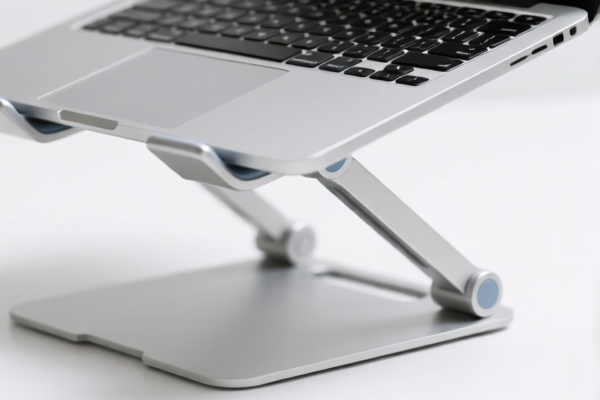

AI Analysis
🖥️ iPad Stand: The Ultimate HS Code & Duty Guide (2026 Edition)
🌐 HS Code Reference & Customs Clearance Guide | 2026 Tax Breakdown | Professional Logistics Strategy
📌 Product Definition & Classification: Is Your "iPad Stand" a Furniture or an Accessory?
An iPad Stand is a ubiquitous device in modern business, education, and home entertainment. However, in international trade, its classification depends entirely on material composition and functional design. It falls into two primary regulatory buckets:
- Electronic Accessories (Parts/Attachments): If the stand is designed specifically to hold an iPad (the "machine") and is considered a functional part of the electronic setup.
- Furniture/Article of Furniture: If the stand is primarily a piece of furniture (metal, wood, plastic) used for display or support, distinct from the electronic device itself.
⚠️ Critical Distinction: * If the stand is integrated or sold as a "part" of the computer system → Chapter 84 (Parts of machines). * If the stand is general-purpose furniture (e.g., metal/plastic shelf/stand) → Chapter 94 (Furniture). * Material Matters: Aluminum alloy vs. generic plastic or steel triggers different specific sub-headers and higher duties (especially for steel/aluminum under Section 122).
📦 II. HS Code Classification Details (2026 Latest Tariff Reference)
Based on the provided data, here is the breakdown of the 5 possible classifications for iPad Stands, ranging from generic accessories to specific metal alloys.
| HS Code | Product Description (Summary) | Material Inference | Primary Function |
|---|---|---|---|
| 8473.50.90.00 | iPad Stand as Parts/Accessories Fits under "Other Parts/Attachments" category. |
Metal or Plastic | Support for Electronic Device |
| 9403.70.80.31 | iPad Stand as Furniture Categorized as "Other Furniture and Parts." |
Plastic or Metal | Structural Support / Display |
| 9403.20.00.50 | iPad Stand (Metal Furniture) Inferred as Metal, "Other Metal Furniture Accessories." |
Metal (Steel/Aluminum/Copper) | Support or Display |
| 7616.99.51.70 | iPad Stand (Aluminum Alloy) Specifically "Other Aluminum Articles" - Stand type parts. |
Aluminum | Stand Component |
| 8473.30.91.00 | iPad Stand (Generic Accessory) Parts/Attachments, no material conflict, default match. |
Universal (No conflict) | Support for Electronic Device |
🔍 Key Observation: * 8473 Series: Generally lower base duties (0%), but the 25% "Section 301" tariff applies to almost all. * 9403 Series: Also 0% base, but 9403.20.00.50 triggers a massive 50% additional tariff for Steel/Aluminum/Copper products, pushing total duties to 85%. * 7616 Series: Has a 2.5% base duty (due to being aluminum), making the total calculation slightly different (37.5%).
💰 III. 2026 Latest Tariff Rate Breakdown (Including Surcharges & Policy Add-ons)
✅ Applicable Country: USA (US) ✅ Origin: China (CN) ✅ Effective Date: 2025/2026 (Including subsequent imports)
🎯 1. The "Accessories" Route (8473.50.90.00 & 8473.30.91.00)
Most common for specific, non-furniture stands.
| Item | Content |
|---|---|
| Base Tariff | 0.0% |
| Section 301 (Added Duty) | +25.0% |
| Section 122 (122 Clause) | +10.0% |
| Total Tariff Rate | 35.0% |
| Tax Calculation | CIF Value × 35% |
| De Minimis Exemption? | ❌ No (Section 301 applies to all) |
| Legal Path | 301:4000.00 → 122:9903.01.24 |
📌 Explanation: This is the "safer" route for plastic or generic stands. While base duty is 0%, the 25% Section 301 and 10% Section 122 (often triggered by specific trade measures) stack up to 35%.
🎯 2. The "Furniture" Route (9403.70.80.31)
For general-purpose stands sold as furniture.
| Item | Content |
|---|---|
| Base Tariff | 0.0% |
| Section 301 (Added Duty) | +25.0% |
| Section 122 (122 Clause) | +10.0% |
| Total Tariff Rate | 35.0% |
| Tax Calculation | CIF Value × 35% |
| De Minimis Exemption? | ❌ No |
| Legal Path | 301:9403 → 122:9903.01.24 |
📌 Note: Even if classified as furniture, the Section 301 and Section 122 surcharges remain consistent, resulting in the same 35% total.
🎯 3. The "Metal Furniture Trap" (9403.20.00.50) ⚠️ DANGER ZONE
High risk classification for steel, aluminum, or copper metal stands.
| Item | Content |
|---|---|
| Base Tariff | 0.0% |
| Section 301 (Added Duty) | +25.0% |
| Section 122 (122 Clause) | +10.0% |
| Section 122 (Steel/Alum/Copper) | +50.0% |
| Total Tariff Rate | 85.0% |
| Tax Calculation | CIF Value × 85% |
| De Minimis Exemption? | ❌ No |
| Legal Path | 301:9403.20 → 122:9903.01.24 → Steel/Alum: 50% |
📌 CRITICAL WARNING: If customs determines your metal stand falls under "Other Metal Furniture" (9403.20), you face a catastrophic 85% total duty rate. The 50% additional tariff is specific to steel, aluminum, and copper products in this category. Avoid this classification if possible!
🎯 4. The "Aluminum Alloy" Route (7616.99.51.70)
Specific classification for aluminum parts.
| Item | Content |
|---|---|
| Base Tariff | 2.5% |
| Section 301 (Added Duty) | +25.0% |
| Section 122 (122 Clause) | +10.0% |
| Total Tariff Rate | 37.5% |
| Tax Calculation | CIF Value × 37.5% |
| De Minimis Exemption? | ❌ No |
| Legal Path | 7616 → 301:7616 → 122:9903.01.24 |
📌 Explanation: While the base duty is 2.5% (higher than others), it does not attract the 50% metal surcharge found in 9403.20. The total is 37.5%, which is manageable but higher than the standard accessory rate (35%).
🛠️ IV. Customs Clearance Practical Advice (Actionable Strategy)
✅ 1. Material & Design Declaration Strategy
| Strategy | Action | Rationale |
|---|---|---|
| Avoid "Metal Furniture" | Do not declare as "Metal Furniture" (9403.20) if it is an electronic accessory. | Prevents the 85% tax trap. |
| Highlight "Electronic Part" | Use HS Code 8473.50.90.00 or 8473.30.91.00. | Locks in the 35% rate (lowest risk for general stands). |
| Aluminum Specifics | If the stand is 100% Aluminum Alloy, 7616.99.51.70 is an option. | Rate is 37.5%, slightly higher than 35% but avoids 9403 risks. |
| Plastic/Mixed | Best suited for 8473 or 9403.70. | Avoids the heavy metal surcharges. |
✅ 2. Required Documentation Checklist
To ensure smooth clearance and prevent re-classification by Customs:
- Product Photos: High-res images showing the stand is specifically designed for an iPad (not a generic furniture piece).
- Bill of Materials (BOM): Clear breakdown of materials (e.g., "ABS Plastic + Aluminum Alloy Base").
- Function Statement: Explicitly state: "This item is an accessory designed solely to support the iPad 2024. It does not contain electronic circuits."
- User Manual: Shows the stand is used with the iPad, reinforcing the "Part/Accessory" (8473) status.
- Commercial Invoice: Must clearly describe the item as "iPad Stand" or "Mounting Bracket for Tablet", NOT "Metal Furniture" or "Aluminum Shelf".
✅ 3. Declaration Tips (The "Golden Rules")
🔥 Rule of Thumb: "Don't let it be furniture; make it a part!"
| Scenario | Correct Classification | Risk / Wrong Classification |
|---|---|---|
| Plastic Stand | 8473.50.90.00 (35%) |
If declared as Furniture (9403.70), still 35% (Safe). |
| Aluminum Stand | 8473.50.90.00 (35%) |
⚠️ DO NOT declare as 9403.20.00.50 (85% Tax). |
| Aluminum Stand (Part) | 7616.99.51.70 (37.5%) |
Good alternative if 8473 is rejected due to material. |
| Generic Metal Shelf | 9403.20.00.50 (85%) |
High Risk: This is for furniture, not specific tech accessories. |
🌍 V. Global Market Comparison (2026)
| Market | Recommended HS Code | Duty Rate (China Origin) | Key Insight |
|---|---|---|---|
| 🇺🇸 USA | 8473.50.90.00 | 35% | Avoid 9403.20 (85% Tax). |
| 🇪🇺 EU | 8473.50.90.00 | ~0-5% + VAT | EU generally treats these as accessories, not furniture. |
| 🇯🇵 Japan | 8473.30.91.00 | ~0-3% | Low duty on electronic parts. |
| 🇨🇦 Canada | 8473.50.90.00 | ~0% (Free Trade) | Excellent market for electronic accessories. |
📌 VI. Common Pitfalls & Lessons Learned
❌ Pitfall 1: The "Furniture" Trap * Action: Declaring a metal iPad stand as "Metal Furniture" (9403.20). * Consequence: 85% Duty Rate. You lose your entire profit margin. * Fix: Re-declare as "Electronic Accessory" (8473).
❌ Pitfall 2: Material Confusion * Action: Ignoring the material composition in the description. * Consequence: Customs may re-classify based on the physical sample, leading to back-taxes. * Fix: Clearly state "Aluminum Alloy" or "Plastic" in the invoice description.
❌ Pitfall 3: Misnaming * Action: Calling it a "Stand" without context. * Consequence: Ambiguity leads to random classification. * Fix: Use "iPad Mount" or "Tablet Support Bracket".
✅ The Winning Strategy:
"Define it as an Electronic Part, not a Furniture Piece." Use 8473.50.90.00 whenever possible. If it's pure aluminum and 8473 is rejected, use 7616.99.51.70 (37.5%) rather than risking 9403.20 (85%).
🎯 VII. Conclusion: Precision is Profit
🎯 Final Advice:
"In the US market, 35% is the target. 85% is the disaster. Ensure your packaging, marketing, and invoices scream 'Electronic Accessory' not 'Furniture'. Verify the material composition before shipping."
📌 Quick Action Checklist: 1. Check Material: Is it Aluminum? (Risks higher duty if misclassified as furniture). 2. Choose Code: Prioritize 8473.50.90.00. 3. Document: Prepare photos proving it's a stand for an iPad. 4. Ship: Avoid the 9403.20.00.50 trap.
🚀 Your iPad Stand should pass customs smoothly, not cost you 85% of its value!
✨ Professional Customs Clearance Starts with the Right HS Code! 💼 Your bottom line depends on the difference between 35% and 85%.
Customer Reviews
About HS Code Classification
The Harmonized System (HS) is an internationally standardized nomenclature developed by the World Customs Organization (WCO) to classify traded products. Over 200 countries use the HS system as the basis for customs tariffs, trade statistics, and import/export regulations.
Each HS code follows a hierarchical structure:
- Chapter (2 digits) — Broad category of goods (e.g., Chapter 84: Machinery and Mechanical Appliances)
- Heading (4 digits) — More specific grouping within the chapter
- Subheading (6 digits) — Internationally standardized breakdown, used by all WCO member countries
- National subdivisions (8-10 digits) — Country-specific extensions for further classification, such as US HTSUS 10-digit codes
Correct HS code classification is essential for smooth customs clearance, accurate duty payment, and compliance with trade regulations. Misclassification can lead to customs delays, overpayment of duties, or penalties.
When importing from CN to US, the applicable tariff rates may include:
- Most-Favored-Nation (MFN) rate — The standard duty rate applied to WTO members
- General rate — Applied to countries without trade agreements
- Trade remedy duties — Additional tariffs such as Section 301 (anti-dumping), Section 232 (national security), or countervailing duties
The information provided on this page is for reference purposes only. For official classification, please consult with your local customs authority or a licensed customs broker.