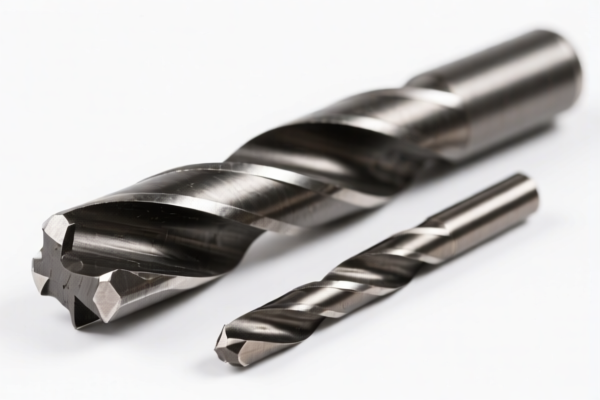
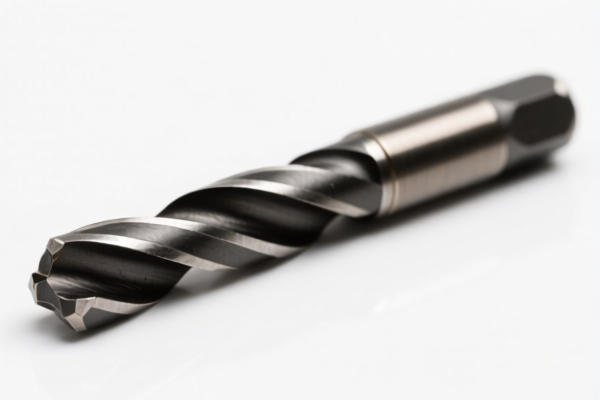
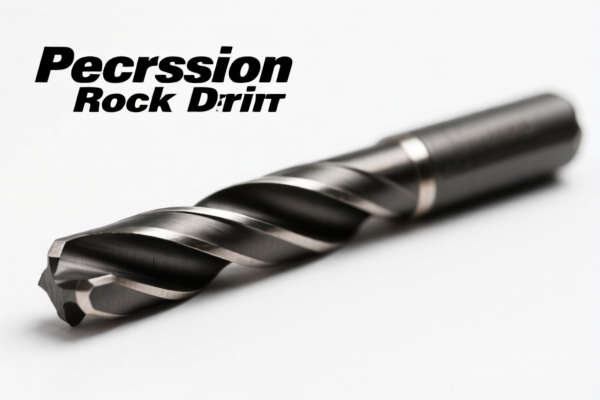
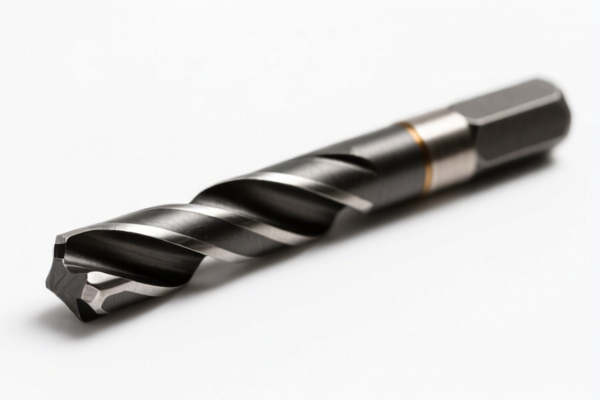
interchangeable power tool accessories impact rock drill bit
CN → USProduct Images
AI Analysis
🔨 Impact Rock Drill Bit (Interchangeable Power Tool Accessories)
🌐 HS Code Reference & Clearance Guide | 2026 Latest Tariff Analysis | Professional Customs Strategy
📌 1. Product Definition & Classification: Do You Really Understand "Impact Rock Drill Bits"?
Impact Rock Drill Bits are specialized cutting tools used in construction, mining, and civil engineering. They are designed to withstand high-frequency impacts and rotational forces to drill into hard rock, concrete, or masonry. In international trade, the classification depends heavily on whether they are viewed as standalone tools or attachments/accessories for specific machinery.
⚠️ Critical Distinction:
- If the bit is considered an interchangeable part for handheld tools (like electric pneumatic hammers) → It falls under Handheld Tool Parts.
- If the bit is considered a part of drilling or sinking machinery (large-scale rotary/percussive rigs) → It falls under Machinery Parts.
- If the bit is considered a specific type of tool for metalworking/mining (specifically shaped for impact/rock) → It may fall under Specific Tool Categories.
📦 2. HS Code Classification Details (2026 Latest Tariff Authoritative Comparison)
| HS Code | Product Description | Application Scenario | Classification Logic |
|---|---|---|---|
8467.99.01.90 |
Parts and Accessories of Hand-Held Tools (Other) | Bits for handheld electric/pneumatic impact drills | ✅ Handheld Tool Parts: Classified as interchangeable accessories for handheld power tools. |
8431.43.80.90 |
Parts of Machinery for Drilling or Sinking | Bits for large-scale rotary or percussive drilling rigs | ✅ Machinery Parts: High compatibility with drilling machinery components; impact action matches drilling characteristics. |
8207.19.60.30 |
Interchangeable Tools for Hand or Machine Tools (Specific) | Specific impact rock drill bits (metal/hard alloy) | ✅ Specific Tool Type: Exact match with "impact rock drill bits" in classification explanations based on use and tool type. |
8207.19.30.30 |
Interchangeable Tools for Hand or Machine Tools (Other) | Bits for electric tools (interchangeable) | ✅ General Interchangeable Tool: Matches form and function for electric tools; no material conflict. |
🔍 Key Reminder:
- Handheld vs. Machine: If used in a handheld jackhammer,8467is often preferred. If used in a large mining rig,8431is more accurate.
- Tool vs. Machine Part: If the bit is the primary functional component of a tool (not just a generic machine part),8207series may apply.
- Material Matters: Hard alloy (tungsten carbide) bits often lean towards8207or8467depending on the power source context.
💰 3. 2026 Latest Tariff Rate Details (Including Surcharges, Policy Add-ons)
✅ Applicable Country: United States (US)
✅ Origin: China (CN)
✅ Effective Date: From November 10, 2025 (including subsequent imports)
🎯 1. 8467.99.01.90 —— Parts & Accessories of Hand-Held Tools
| Item | Content |
|---|---|
| Base Tariff | 0% (ad valorem) |
| USITC Surcharge (Section 301) | +25% |
| IEEPA Surcharge | +10% (China-specific, from Nov 10, 2025) |
| Total Tax Rate | 35.0% |
| Tax Calculation | CIF Value × 35% |
| De Minimis Exemption | ❌ Not Eligible (deny_de_minimis) |
| Legal Path | IEEPA:9903.01.25 → USITC:8467.99.01.90 → FOOTNOTE:9903.88.01 |
📌 Explanation:
- This code is for interchangeable tools/parts for handheld tools.
- Total 35% is high due to the 25% Section 301 tariff + 10% IEEPA tariff.
- No exemption for small shipments; full tax applies.
🎯 2. 8431.43.80.90 —— Parts of Drilling/Sinking Machinery
| Item | Content |
|---|---|
| Base Tariff | 0% |
| USITC Surcharge (Section 301) | +25% |
| IEEPA Surcharge | +10% |
| Total Tax Rate | 35.0% |
| Tax Calculation | CIF × 35% |
| De Minimis Exemption | ❌ Not Eligible |
| Legal Path | IEEPA:9903.01.25 → USITC:8431.43.80.90 → FOOTNOTE:9903.88.01 |
📌 Note:
- Same rate as8467.99.01.90(35%).
- Applicable if the bit is deemed a part of a drilling machine rather than a handheld tool accessory.
- Risk: If customs officers classify it as a handheld tool part, the code might still be8467, but the rate is the same. However, misclassification can lead to audits.
🎯 3. 8207.19.60.30 —— Interchangeable Tools (Specific: Impact Rock Drill)
| Item | Content |
|---|---|
| Base Tariff | 2.9% |
| USITC Surcharge (Section 301) | +25% |
| IEEPA Surcharge | +10% |
| Total Tax Rate | 37.9% |
| Tax Calculation | CIF × 37.9% |
| De Minimis Exemption | ❌ Not Eligible |
| Legal Path | IEEPA:9903.01.25 → USITC:8207.19.60.30 → FOOTNOTE:9903.88.01 |
📌 Explanation:
- This code has a higher base rate (2.9%) compared to the 0% base of8467/8431.
- Therefore, the total rate is 37.9%, which is 2.9% higher than the other two options.
- Strategy: Prefer8467or8431if possible to save 2.9% on CIF value, provided the classification is defensible.
🎯 4. 8207.19.30.30 —— Interchangeable Tools (Other)
| Item | Content |
|---|---|
| Base Tariff | 5.0% |
| USITC Surcharge (Section 301) | +25% |
| IEEPA Surcharge | +10% |
| Total Tax Rate | 40.0% |
| Tax Calculation | CIF × 40% |
| De Minimis Exemption | ❌ Not Eligible |
| Legal Path | IEEPA:9903.01.25 → USITC:8207.19.30.30 → FOOTNOTE:9903.88.01 |
📌 Note:
- This is the most expensive option at 40%.
- Base tariff is 5%, which is the highest among the four.
- Avoid unless no other classification fits (e.g., if it’s neither for handheld tools nor large machinery, and doesn’t fit the specific "impact rock" definition).
🛠️ 4. Customs Clearance Practical Advice (Avoid Pitfalls)
✅ 1. Required Documentation Checklist
| Document | Required | Description |
|---|---|---|
| ✅ Product Specification Sheet | ✔️ | Details: Material (e.g., Tungsten Carbide), Type (e.g., SDS-Max, Hex), Usage (Rock/Concrete). |
| ✅ Product Photos (with Label) | ✔️ | Clear image of the bit, showing shank type and cutting edges. |
| ✅ Commercial Invoice | ✔️ | Must specify "Impact Rock Drill Bit" or "Interchangeable Tool for Power Tools". |
| ✅ Packing List | ✔️ | Quantity, Weight, Dimensions. |
| ✅ Origin Certificate (if applicable) | ✔️ | For proving non-China origin (to avoid IEEPA tariffs, if eligible). |
| ✅ Third-Party Test Report | ❓ | Optional but helpful if challenged (e.g., proof of hardness/material). |
✅ 2. Declaration Tips (Key Mnemonics)
🔥 “Handheld is 35%, Machine is 35%, Specific Tool is 37.9%, General is 40%!”
| Scenario | Correct HS Code | Incorrect Action |
|---|---|---|
| Used with handheld electric jackhammer | 8467.99.01.90 |
Misdeclare as "Machinery Part" → Risk of audit, but rate same. |
| Used with large drilling rig | 8431.43.80.90 |
Misdeclare as "Handheld Accessory" → Minor discrepancy. |
| Specifically marketed as "Impact Rock Drill Bit" | 8207.19.60.30 |
Use 8207.19.30.30 → Extra 2.1% cost. |
| General purpose drill bit | 8207.19.30.30 |
Use 8467 if for handheld → Under-declaration risk. |
✅ 3. Special Cases
| Case | Handling Advice |
|---|---|
| OEM Custom Bits | Provide customer design specs to justify classification as "interchangeable tool". |
| Hard Alloy vs. Steel | Hard alloy bits are more likely to be classified under 8207 or 8467 as high-value tools. |
| Set of Bits (Boxed) | Declare as a set if sold together. Use the HS Code of the principal component (the bit). |
| Spare Parts for Existing Customer | Provide invoice from original tool manufacturer to support "accessory" classification. |
🌍 5. Global Market Clearance Comparison (2026 Latest)
| Country/Region | Recommended HS Code | Tariff (China Origin) | Certification | Notes |
|---|---|---|---|---|
| 🇺🇸 USA | 8467.99.01.90 / 8431.43.80.90 |
35% | No specific tech cert | High tariff due to Section 301 + IEEPA. |
| 🇨🇳 China | 8467.99.01.90 |
5%~10% | CCC (if applicable) | Lower base rate. No surcharges. |
| 🇪🇺 EU | 8207.19.60 |
0%~2.7% | CE (if power tool) | No major surcharges. Lower risk. |
| 🇦🇺 Australia | 8467.99.01 |
5% | RCM | Moderate tariff. |
| 🇯🇵 Japan | 8467.99.01 |
0%~1.5% | PSE | Low tariff. |
📌 Conclusion:
- USA is the highest cost market for these goods due to combined tariffs.
- EU/Japan/Australia offer much better tariff advantages.
- Diversification Strategy: Consider sourcing from non-China origins (e.g., Vietnam, India) to mitigate IEEPA tariffs if exporting to the US.
📌 6. Common Mistakes & Pitfalls (Lessons Learned)
❌ Mistake 1: Declaring "Rock Drill Bit" as "Drill Bit for Wood/Metal"
👉 Consequence: Wrong HS Code (8207.11 vs 8207.19) → Potential higher base tariff or misclassification penalty.
❌ Mistake 2: Ignoring the "Handheld" vs. "Machine" distinction
👉 Consequence: While both 8467 and 8431 have 35% total tariff, misclassification can lead to customs delays and audits.
❌ Mistake 3: Assuming "De Minimis" applies for small shipments
👉 Consequence: No exemption. All shipments are subject to 35-40% tax. Do not rely on $800 de minimis rule for China-origin goods.
✅ Correct Practice:
"Impact Rock Drill Bit, Tungsten Carbide Tip, SDS-Max Shank, for Handheld Electric Pneumatic Hammer, Model XYZ"
🎯 7. Conclusion: Professional Declaration, Cost Saving, Risk Reduction
🎯 Remember the Mnemonic:
🔹 "Handheld/Machine: 35%, Specific Tool: 37.9%, General: 40%!"
🔹 "No De Minimis for China! Plan your shipment size carefully!"
🔹 "Be precise: 'Impact Rock Drill' vs. 'General Drill' matters!"
📌 Pro Tip:
If your impact rock drill bits are originating from Vietnam, India, or Thailand, you may be exempt from the 10% IEEPA tariff, reducing the total rate to 25% (for 8467/8431).
✅ Recommendation:
📞 Contact a professional customs broker + Provide product photos + Apply for Advance Ruling if unsure.
🚀 Let your drill bits clear customs smoothly, maximize your profit margin!
✨ Professional Clearance Starts with Accurate Classification!
💼 Every cent of cost deserves precise calculation!
Customer Reviews
About HS Code Classification
The Harmonized System (HS) is an internationally standardized nomenclature developed by the World Customs Organization (WCO) to classify traded products. Over 200 countries use the HS system as the basis for customs tariffs, trade statistics, and import/export regulations.
Each HS code follows a hierarchical structure:
- Chapter (2 digits) — Broad category of goods (e.g., Chapter 84: Machinery and Mechanical Appliances)
- Heading (4 digits) — More specific grouping within the chapter
- Subheading (6 digits) — Internationally standardized breakdown, used by all WCO member countries
- National subdivisions (8-10 digits) — Country-specific extensions for further classification, such as US HTSUS 10-digit codes
Correct HS code classification is essential for smooth customs clearance, accurate duty payment, and compliance with trade regulations. Misclassification can lead to customs delays, overpayment of duties, or penalties.
When importing from CN to US, the applicable tariff rates may include:
- Most-Favored-Nation (MFN) rate — The standard duty rate applied to WTO members
- General rate — Applied to countries without trade agreements
- Trade remedy duties — Additional tariffs such as Section 301 (anti-dumping), Section 232 (national security), or countervailing duties
The information provided on this page is for reference purposes only. For official classification, please consult with your local customs authority or a licensed customs broker.