kitchen utensil sets
CN → US| HS Code | Tariff Rate | Origin | Destination | Doc |
|---|---|---|---|---|
| 8215200000 | 0.0% | CN | US | Official Doc |
| 3924102000 | 24.0% | CN | US | Official Doc |
| 6911103510 | 43.5% | CN | US | Official Doc |
| 3924104000 | 13.4% | CN | US | Official Doc |
| 9503000073 | 10.0% | CN | US | Official Doc |
Product Images
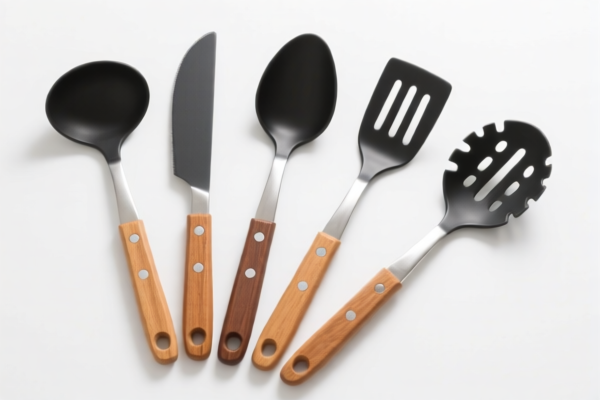
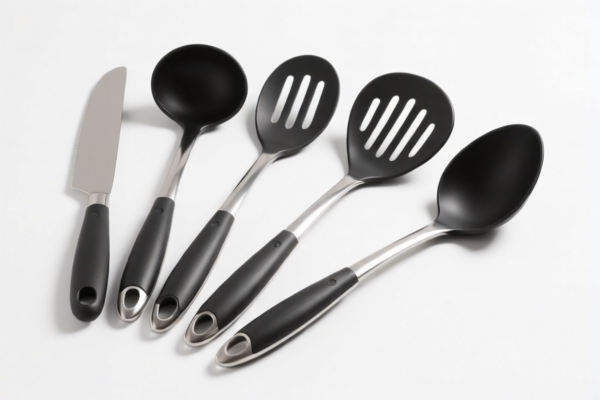
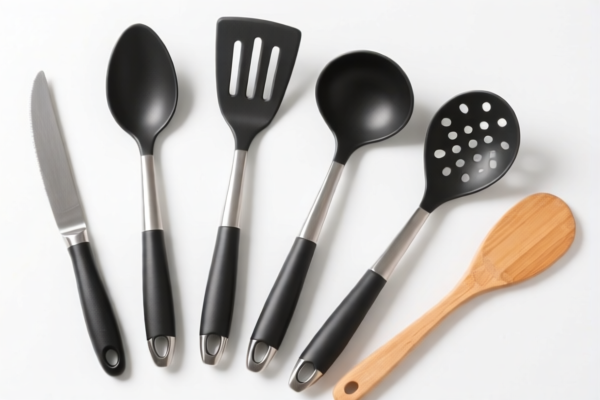

AI Analysis
🍽️ Kitchen Utensil Sets: The Ultimate HS Code & Tax Strategy Guide
🌐 HS Code Classification & Customs Clearance Strategy | 2026 Tariff Analysis | Pro-Level Import Guide
📌 Part 1: Product Definition & Classification Nuances
Kitchen Utensil Sets (厨房用具套装) are a broad category encompassing tools used for food preparation, cooking, and serving. However, in international trade, "Material" and "Usage" dictate the HS Code. A "set" is not a single commodity; it is classified based on the essential character of its components.
⚠️ Critical Distinction:
- Metal vs. Plastic vs. Ceramic: The material determines the chapter (73, 39, or 69).
- Toy vs. Functional: If marketed as a "Play Kitchen" for children, it falls under Toys (9503), drastically reducing duty.
- "Set" Definition: Must be put up in packs/packs for retail sale. Loose components are classified individually.
📦 Part 2: HS Code Classification Matrix (2026 Latest Tariff)
| HS Code | Material/Type | Summary Description | Key Classification Criteria |
|---|---|---|---|
8215.20.00.00 |
Base Metal (Stainless Steel, etc.) | Sets of table or kitchen utensils of base metal | Essential character is metal; includes spatulas, spoons, tongs, etc. |
3924.10.20.00 |
Plastic/Synthetic | Kitchen sets containing tableware/kitchenware | Plastic items (bowls, cutlery) designated for kitchen use. |
6911.10.35.10 |
Porcelain/Ceramic | Kitchen sets of porcelain or ceramic | High-value ceramic cookware/dinnerware sets. |
3924.10.40.00 |
Other Plastic | Other plastic kitchen sets (Catch-all) | Plastic sets not meeting specific "tableware" criteria. |
9503.00.00.73 |
Toy | Toy kitchen sets (Dolls/Plastic Toys) | Intended for play, not actual cooking/food prep. |
🔍 Key Insight:
- Metal Sets (8215.20) often face the highest total duties due to Section 301 tariffs.
- Toy Sets (9503.00) offer the lowest duty burden if correctly classified as toys.
- Ceramic Sets (6911.10) carry high base rates but are less impacted by some metal-specific surcharges.
💰 Part 3: 2026 Tariff Rate Breakdown (US Market)
✅ Applicable Country: United States (US)
✅ Origin: China (CN)
✅ Effective Date: 2025-11-10 onwards
🎯 1. 8215.20.00.00 —— Base Metal Kitchen Sets
The most common but most expensive category for steel utensils.
| Item | Detail |
|---|---|
| Base Duty | Applicable rate for the specific article in the set (e.g., 5-10%) |
| Section 301 Surcharge | 25.0% (Trade Act of 1974, Section 301) |
| Section 122 Tariff | 10.0% (Specific provision for certain Chinese goods) |
| Total Effective Rate | ~35.0% (Base + 25% + 10%) |
| De Minimis Exemption | ❌ Denied (deny_de_minimis) |
| Legal Path | Section 301:8215.20.00 → Section 122:10% |
📌 Explanation:
- Metal kitchenware is heavily targeted by US trade policy.
- The 25% Section 301 tariff is the primary cost driver.
- The 10% Section 122 tariff adds further burden.
- Total Load: ~35%. High risk for margins.
🎯 2. 3924.10.20.00 —— Plastic Kitchen Sets (Tableware)
Common for affordable, lightweight kitchen bundles.
| Item | Detail |
|---|---|
| Base Duty | 6.5% |
| Section 301 Surcharge | 7.5% (Reduced rate for some plastics) |
| Section 122 Tariff | 10.0% |
| Total Effective Rate | 24.0% |
| De Minimis Exemption | ❌ Denied (deny_de_minimis) |
| Legal Path | Section 301:3924.10.20 → Section 122:10% |
📌 Explanation:
- Lower base duty than metal.
- Section 301 rate is lower (7.5% vs 25%) for certain plastic products.
- Total Load: 24%. More manageable than metal, but still significant.
🎯 3. 6911.10.35.10 —— Porcelain/Ceramic Kitchen Sets
Premium dinnerware or ceramic cookware sets.
| Item | Detail |
|---|---|
| Base Duty | 26.0% |
| Section 301 Surcharge | 7.5% |
| Section 122 Tariff | 10.0% |
| Total Effective Rate | 43.5% |
| De Minimis Exemption | ❌ Denied (deny_de_minimis) |
| Legal Path | Section 301:6911.10.35 → Section 122:10% |
📌 Explanation:
- Highest Total Tax (43.5%) due to high base duty (26%).
- Ceramic goods have high base tariffs globally.
- Strategy: Avoid if possible, or absorb cost in premium pricing.
🎯 4. 3924.10.40.00 —— Other Plastic Kitchen Sets
Plastic sets not classified as "tableware" (e.g., storage organizers, non-eating utensils).
| Item | Detail |
|---|---|
| Base Duty | 3.4% |
| Section 301 Surcharge | 0.0% (Exempt/Non-applicable) |
| Section 122 Tariff | 10.0% |
| Total Effective Rate | 13.4% |
| De Minimis Exemption | ❌ Denied (deny_de_minimis) |
| Legal Path | Section 122:10% (No Section 301) |
📌 Explanation:
- Lowest Total Rate for Plastic (13.4%).
- Key: Must not be classified as "tableware" (3924.10.20).
- Example: Plastic spatulas, whisks, or storage containers that don't fit "tableware" definition.
🎯 5. 9503.00.00.73 —— Toy Kitchen Sets
Play kitchens, plastic chef sets for children.
| Item | Detail |
|---|---|
| Base Duty | 0.0% |
| Section 301 Surcharge | 0.0% |
| Section 122 Tariff | 10.0% |
| Total Effective Rate | 10.0% |
| De Minimis Exemption | ❌ Denied (deny_de_minimis) |
| Legal Path | Section 122:10% (No Section 301) |
📌 Explanation:
- Lowest Absolute Tax (10%).
- Warning: Must be clearly marketed and described as TOYS.
- Misclassifying real kitchen tools as toys leads to fraud penalties and back duties.
🛠️ Part 4: Customs Clearance Best Practices
✅ 1. Documentation Checklist
| Document | Requirement | Purpose |
|---|---|---|
| Commercial Invoice | Detailed itemization, HS Code, Country of Origin (China) | Basis for duty calculation |
| Product Photos | Clear images of the entire set and individual items | Prove classification (Toy vs. Tool vs. Material) |
| Material Declaration | Explicit statement: "100% Stainless Steel", "Food-Grade Plastic", "Porcelain" | Prevents misclassification disputes |
| Usage Description | "For cooking", "For display", "For children's play" | Crucial for Toy vs. Kitchen distinction |
| Packing List | Weight, dimensions, number of pieces | Verifies "Set" composition |
✅ 2. Strategic Classification Tips
🔥 Golden Rule: "Classify by Function, Not Just Material!"
| Scenario | Recommended HS Code | Why? |
|---|---|---|
| Stainless Steel Spoons/Knives | 8215.20.00.00 |
Metal utensils for eating/cooking. High tax (35%). |
| Plastic Spoons for Kids | 9503.00.00.73 |
If designed for play → Toy (10% tax). |
| Real Plastic Spoons for Home | 3924.10.20.00 |
Kitchen tableware (24% tax). |
| Plastic Whisk/Spreader (Non-Eating) | 3924.10.40.00 |
Not "tableware" → Lower tax (13.4%). |
| Ceramic Bowl Set | 6911.10.35.10 |
Porcelain kitchenware (43.5% tax). |
⚠️ Risk Alert:
- Do NOT label real metal knives as "Toys" to save tax. CBP will detect this via material density and marketing.
- Do NOT label "Tableware" as "Other Plastic" if it’s clearly for eating. CBP uses visual AI to detect plates/cups.
✅ 3. Special Cases & Workarounds
| Case | Strategy |
|---|---|
| Mixed Material Sets (e.g., Plastic Handle + Metal Blade) | Classified by Essential Character. If metal is dominant → 8215.20.00.00. |
| Gift Sets (Utensils + Apron + Towel) | If utensils are the main value → 8215.20.00.00. |
| Sample Kits | If sold as "promotional samples" with no retail packaging, may qualify for different treatment, but still subject to duty. |
| Pre-Cut/Pre-Assembled | Ensure "Set" is packaged together. Splitting shipment may trigger individual classification. |
🌍 Part 5: Global Comparison & Duty Optimization
| Market | HS Code Focus | Duty Estimate | Note |
|---|---|---|---|
| 🇺🇸 USA | 8215.20.00.00 (35%) / 9503.00.00.73 (10%) |
High for Metal, Low for Toys | Section 301 & 122 are critical. |
| 🇨🇳 China (Export) | Same HS Codes | 0-10% | Export duty low, but import duty in US is high. |
| 🇪🇺 EU | 8215.10 / 3924.10 |
0-5% + VAT | No Section 301. EU is cheaper for metal sets. |
| 🇨🇦 Canada | 8215.10.00 |
0-5% | CUSMA may apply if manufactured in North America. |
📌 Conclusion:
- USA is the most expensive market for kitchen utensils due to trade tariffs.
- Toy Classification is the best legal way to reduce duty.
- Material Switching (Metal → Plastic) can save ~20% in duty.
📌 Part 6: Common Pitfalls & Avoidance Guide
❌ Pitfall 1: Calling a Stainless Steel Set a "Toy"
👉 Result: Customs seizes goods, imposes penalties, and charges back duties + interest.
✅ Fix: Only use 9503 if the product is explicitly for children's play.
❌ Pitfall 2: Misclassifying Plastic Tableware as "Other Plastic" (3924.10.40)
👉 Result: CBP reclassifies to 3924.10.20 (24% vs 13.4%). Back taxes applied.
✅ Fix: If it’s a plate, bowl, or eating utensil → Use 3924.10.20.
❌ Pitfall 3: Ignoring Section 122 Tariff
👉 Result: Underpaying duties. Section 122 applies to all these categories (10%).
✅ Fix: Always include 10% in your cost model.
🎯 Part 7: Final Checklist for Importers
- Determine Material: Metal, Plastic, or Ceramic?
- Determine Use: Eating, Cooking, or Playing?
- Select HS Code:
- Metal + Eating/Cooking →
8215.20.00.00(35% Tax) - Plastic + Eating/Cooking →
3924.10.20.00(24% Tax) - Plastic + Non-Eating →
3924.10.40.00(13.4% Tax) - Toy →
9503.00.00.73(10% Tax) - Ceramic →
6911.10.35.10(43.5% Tax) - Calculate Landed Cost: CIF Value × Total Tax Rate.
- Prepare Documentation: Invoice, Photo, Material Declaration.
🚀 Pro Tip:
For high-volume imports, consider reclassifying plastic items as "kitchen organizers" (3924.10.40) if they are not used for eating. This can save 10.6% in duty compared to standard plastic tableware.
✨ Stay Compliant. Stay Competitive.
💼 Precise Classification = Maximum Profit.
Customer Reviews
About HS Code Classification
The Harmonized System (HS) is an internationally standardized nomenclature developed by the World Customs Organization (WCO) to classify traded products. Over 200 countries use the HS system as the basis for customs tariffs, trade statistics, and import/export regulations.
Each HS code follows a hierarchical structure:
- Chapter (2 digits) — Broad category of goods (e.g., Chapter 84: Machinery and Mechanical Appliances)
- Heading (4 digits) — More specific grouping within the chapter
- Subheading (6 digits) — Internationally standardized breakdown, used by all WCO member countries
- National subdivisions (8-10 digits) — Country-specific extensions for further classification, such as US HTSUS 10-digit codes
Correct HS code classification is essential for smooth customs clearance, accurate duty payment, and compliance with trade regulations. Misclassification can lead to customs delays, overpayment of duties, or penalties.
When importing from CN to US, the applicable tariff rates may include:
- Most-Favored-Nation (MFN) rate — The standard duty rate applied to WTO members
- General rate — Applied to countries without trade agreements
- Trade remedy duties — Additional tariffs such as Section 301 (anti-dumping), Section 232 (national security), or countervailing duties
The information provided on this page is for reference purposes only. For official classification, please consult with your local customs authority or a licensed customs broker.