multi use tool
CN → US| HS Code | Tariff Rate | Origin | Destination | Doc |
|---|---|---|---|---|
| 8205513060 | 38.7% | CN | US | Official Doc |
| 8205598000 | 38.7% | CN | US | Official Doc |
Product Images
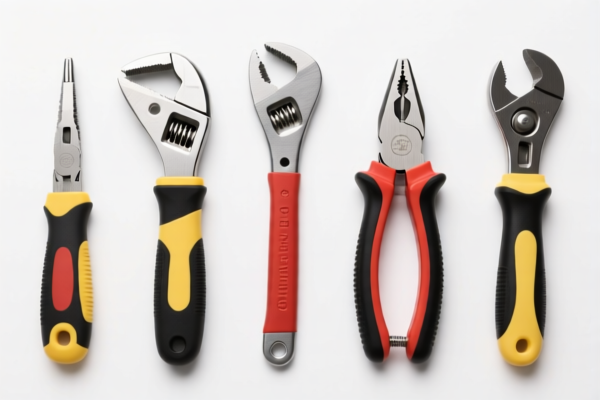
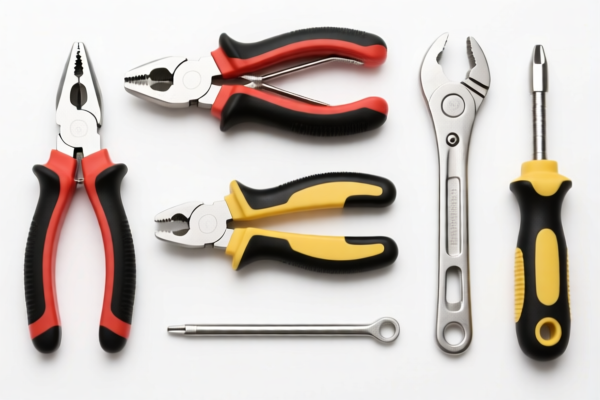
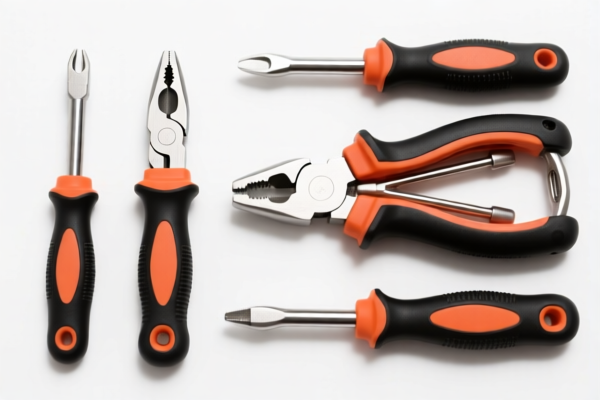
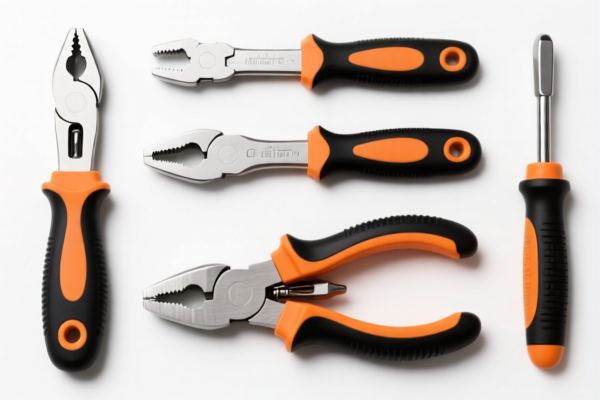
AI Analysis
🔧 Multi-Use Tools & Hand Tools (The "Swiss Army Knife" of Hardware)
🌐 HS Code Reference & Customs Clearance Guide | 2026 Latest Tariff Analysis | Professional Strategy
📌 I. Product Definition & Classification: What Exactly Is a "Multi-Use Tool"?
"Multi-use tools" in international trade are rarely a single, universal category. They fall under Chapter 82: Base Metal Tools, Implements, and Parts. Specifically, they are classified as Hand Tools or Parts of Hand Tools.
Key Distinction:
- Non-Mechanical/Manual Tools: Screwdrivers, pliers, wrenches, hammers, saws (manual), and glass cutters. These are the most common "multi-use" items found in household kits.
- Specialized Hand Tools: Vises, clamps, anvils, portable forges, and hand-operated grinding wheels with frameworks.
- Exclusions: These do NOT include parts of machine tools (e.g., CNC tool holders) or water-jet cutting machine accessories.
⚠️ Critical Classification Point:
- If the tool is household-use and made of Iron or Steel → Likely 8205.51.30.60
- If the tool is other (non-household, or non-iron/steel) → Likely 8205.59.80.00
- Never classify as "Mechanical Power Tools" (Chapter 84) unless it has a motor/engine.
📦 II. HS Code Classification Details (2026 Official Tariff Reference)
Based on the provided data, there are two primary HS Codes for these items. The distinction lies in specificity and material/usage.
| HS Code | Product Description | Applicable Scenario | Material/Type |
|---|---|---|---|
8205.51.30.60 |
Other handtools (including glass cutters) and parts thereof: Household tools, and parts thereof: Of iron or steel: Other (including parts) | Common household multi-tool kits (pliers, screwdrivers, wrenches), iron/steel construction | ✅ Iron or Steel ✅ Household Use |
8205.59.80.00 |
Other handtools (including glass cutters) and parts thereof: Other: Other: Other | Non-household tools, or tools made of non-iron/steel base metals, or other unspecified hand tools | ❌ Not Household OR ❌ Not Iron/Steel |
🔍 Key Insight:
-8205.51.30.60is the most likely code for standard household multi-tool sets (e.g., a plastic case with pliers, a screwdriver, and a knife). It specifically targets Iron or Steel household tools.
-8205.59.80.00is a "catch-all" for other hand tools that don’t fit the specific "household iron/steel" criteria (e.g., professional trade tools, or tools made of different base metals).
💰 III. 2026 Latest Tariff Rate Details (Including Surcharges)
✅ Applicable Country: United States (US)
✅ Origin: China (CN) (Note: High tariffs apply to Chinese origin due to Section 301/IEEPA)
✅ Effective Date: 2025/2026 Regime
🎯 1. 8205.51.30.60 —— Household Hand Tools (Iron/Steel)
| Item | Detail |
|---|---|
| Base Duty Rate | 3.7% (Ad Valorem) |
| Additional Duty (Section 301/IEEPA) | 25.0% |
| Total Tax Rate | 28.7% |
| Tax Calculation | CIF Value × 28.7% |
| De Minimis Eligibility | ❌ Not Eligible (High tariff rates typically exceed $800 de minimis thresholds or are excluded by specific trade remedies) |
| Legal Basis Path | HTSUS: 8205.51.30.60 → Section 301 Footnote → Total: 28.7% |
📌 Explanation:
- The 3.7% is the standard MFN (Most Favored Nation) duty for basic hand tools.
- The 25.0% is the punitive tariff imposed on Chinese goods under Section 301 of the Trade Act.
- Total Cost Impact: For every $1,000 of CIF value, you pay $287 in duties alone.
🎯 2. 8205.59.80.00 —— Other Hand Tools
| Item | Detail |
|---|---|
| Base Duty Rate | 3.7% (Ad Valorem) |
| Additional Duty (Section 301/IEEPA) | 25.0% |
| Total Tax Rate | 28.7% |
| Tax Calculation | CIF Value × 28.7% |
| De Minimis Eligibility | ❌ Not Eligible |
| Legal Basis Path | HTSUS: 8205.59.80.00 → Section 301 Footnote → Total: 28.7% |
📌 Note:
- Both codes carry the exact same tax burden (28.7%).
- The choice between them depends on accurate product description. Misclassification can lead to penalties or delays.
🛠️ IV. Customs Clearance Practical Advice (Actionable Pitfall Guide)
✅ 1. Required Documentation Checklist
| Document | Mandatory? | Notes |
|---|---|---|
| ✅ Commercial Invoice | ✔️ | Must clearly state "Hand Tools" or "Multi-Tool Kit". Avoid vague terms like "Hardware". |
| ✅ Product Photos | ✔️ | Must show the tool clearly (e.g., pliers, screwdriver blades) to prove it is manual/hand-operated. |
| ✅ Material Declaration | ✔️ | Confirm base metal (Iron/Steel vs. Aluminum/Copper). This determines if it’s 8205.51 or 8205.59. |
| ✅ Origin Certificate | ✔️ | Critical for Section 301 tariff verification. Must show Made in China (if applicable). |
| ✅ List of Contents | ✔️ | If a "kit", list each tool. Does not change HS Code but helps customs verify value. |
✅ 2. Classification Strategy (Key Tips)
🔥 “Be Specific, Be Accurate, Avoid ‘Other’ if Possible!”
| Scenario | Recommended HS Code | Reason |
|---|---|---|
| Standard Household Screwdriver/Pliers Set | 8205.51.30.60 |
It is a "Household tool" made of "Iron or Steel". |
| Professional Construction Pliers (Non-Household) | 8205.59.80.00 |
Not intended for household use; falls under "Other". |
| Aluminum Alloy Multi-Tool | 8205.59.80.00 |
Not "Iron or Steel". |
| Electric Screwdriver (Battery/Power) | ❌ NOT 8205 | Likely 8207.30 or 8467 (Power Tools). Different tariff! |
⚠️ Critical Warning:
- Do NOT classify powered tools as "Hand Tools" under 8205.
- Do NOT classify machine tool parts as "Hand Tools".
- If the item is a kit, classify the primary function. If it’s a mixed bag of different tools, the kit is often classified based on its essential character or the principal item.
✅ 3. Cost Optimization & Risk Mitigation
| Strategy | Description |
|---|---|
| Pre-Ruling Application | If unsure if your tool is "Household" or "Other", apply for a Binding Ruling with CBP before shipping. |
| Segmented Shipping | If you have both household (3.7% base) and professional tools, ensure they are not mixed in a way that creates ambiguity. |
| Value Declaration | Ensure CIF value includes freight and insurance. The 28.7% is calculated on the total landed cost, not just product cost. |
| Avoid De Minimis Reliance | Do not rely on the $800 de minimis exemption. High tariffs and specific exclusions often negate this for hardware from China. |
🌍 V. Global Market Comparison (2026 Snapshot)
| Market | HS Code (General) | Duty Rate (China Origin) | Notes |
|---|---|---|---|
| 🇺🇸 USA | 8205.51.30.60 / 8205.59.80.00 |
28.7% (3.7% Base + 25% Surtax) | High barrier due to Section 301. |
| 🇪🇺 EU | 8205.51.90 |
0% - 4% | No Section 301 equivalent. Lower barrier. |
| 🇨🇳 China | 8205.51 |
0% - 5% | Varies by exact subheading. |
| 🇬🇧 UK | 8205.51 |
0% - 4% | Post-Brexit trade agreements may offer 0% for some origins. |
📌 Conclusion:
- The US market is the most expensive for Chinese-made multi-use tools due to the 25% additional tariff.
- Consider supply chain diversification (e.g., manufacturing in Vietnam or Mexico) if targeting the US, to avoid Section 301 duties.
📌 VI. Common Mistakes & Pitfalls
❌ Mistake 1: Classifying an Electric Multi-Tool as 8205.
👉 Result: Classification error. Electric tools fall under Chapter 84. Penalties for misdeclaration.
❌ Mistake 2: Using vague terms like "Hardware Accessories" on the invoice.
👉 Result: Customs will detain the shipment and force re-classification, causing delays.
❌ Mistake 3: Assuming all tools from China are subject to 25%.
👉 Correction: All tools under 8205 from China are subject to 25% additional duty. There are no exemptions for standard hand tools in the current 2026 regime.
❌ Mistake 4: Misidentifying "Household" vs. "Industrial".
👉 Result: While the tax rate is the same (28.7%), incorrect classification can lead to audit flags and questions about product safety certifications (e.g., CPSC for household tools).
🎯 VII. Final Recommendations
🎯 Key Takeaways:
🔹 "Household Iron/Steel Tools" =
8205.51.30.60(28.7% Total)
🔹 "Other Hand Tools" =8205.59.80.00(28.7% Total)
🔹 "Power Tools" = NOT 8205 (Check Chapter 84)
🔹 "No De Minimis" for high-duty items.
✅ Best Practice:
1. Precise Naming: Use "Manual Hand Tool Set, Pliers & Screwdrivers, Iron/Steel".
2. Clear Photos: Show no power source.
3. Plan for Costs: Budget 28.7% of CIF value for duties.
4. Consider Alternatives: If margins are thin, explore non-Chinese origins to avoid the 25% surcharge.
📌 Pro Tip:
For high-volume imports, consider applying for a Section 301 Exclusion if available (though rare for basic hardware), or restructure your supply chain to include significant transformation in a third country.
📣 Immediate Action:
📞 Consult a licensed customs broker to verify if your specific "multi-use tool" qualifies for
8205.51.30.60vs8205.59.80.00based on exact composition.
🚀 Accurate classification saves thousands in unexpected duties!
✨ Professional Clearance, Started with Precision!
💼 Every percentage point of duty matters in the hardware trade.
Customer Reviews
About HS Code Classification
The Harmonized System (HS) is an internationally standardized nomenclature developed by the World Customs Organization (WCO) to classify traded products. Over 200 countries use the HS system as the basis for customs tariffs, trade statistics, and import/export regulations.
Each HS code follows a hierarchical structure:
- Chapter (2 digits) — Broad category of goods (e.g., Chapter 84: Machinery and Mechanical Appliances)
- Heading (4 digits) — More specific grouping within the chapter
- Subheading (6 digits) — Internationally standardized breakdown, used by all WCO member countries
- National subdivisions (8-10 digits) — Country-specific extensions for further classification, such as US HTSUS 10-digit codes
Correct HS code classification is essential for smooth customs clearance, accurate duty payment, and compliance with trade regulations. Misclassification can lead to customs delays, overpayment of duties, or penalties.
When importing from CN to US, the applicable tariff rates may include:
- Most-Favored-Nation (MFN) rate — The standard duty rate applied to WTO members
- General rate — Applied to countries without trade agreements
- Trade remedy duties — Additional tariffs such as Section 301 (anti-dumping), Section 232 (national security), or countervailing duties
The information provided on this page is for reference purposes only. For official classification, please consult with your local customs authority or a licensed customs broker.