phosphate ester premix for casting
CN → US| HS Code | Tariff Rate | Origin | Destination | Doc |
|---|---|---|---|---|
| 3824999361 | 40.0% | CN | US | Official Doc |
| 3824999397 | 40.0% | CN | US | Official Doc |
| 2505900000 | 35.0% | CN | US | Official Doc |
| 3824100000 | 41.0% | CN | US | Official Doc |
| 3824999361 | 40.0% | CN | US | Official Doc |
Product Images


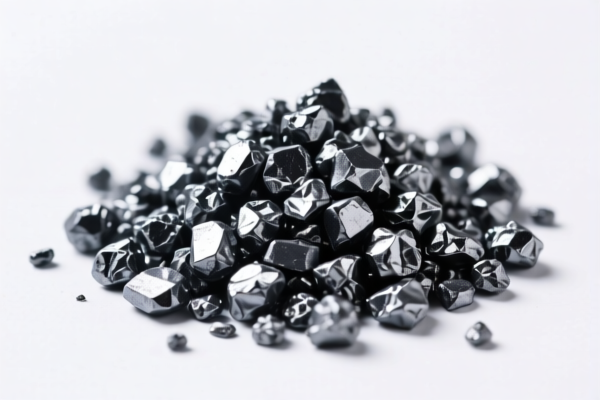
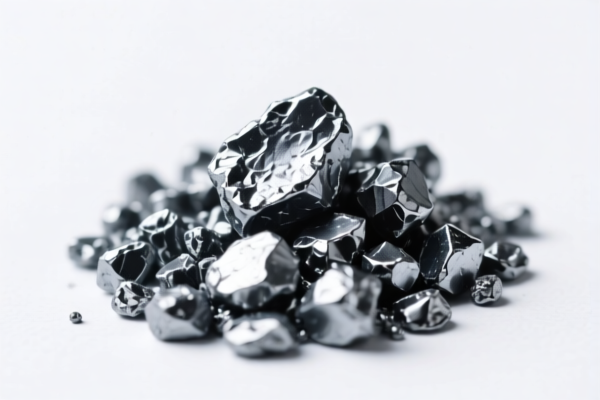
AI Analysis
🏭 Phosphate Ester Premix for Casting (Metallurgical Chemicals)
🌐 HS Code Reference & Customs Clearance Guide | 2026 Latest Tariff Analysis | Professional通关 Strategy
📌 I. Product Definition & Classification: What Exactly is "Phosphate Ester Premix"?
Phosphate Ester Premix is a specialized chemical formulation used in metal casting processes, primarily as a binding agent or additive in foundry sands. It contains phosphorus atoms and serves as a core part of the "chemical products and preparations" category. In international trade, its classification depends heavily on its physical form, chemical composition, and specific application within the casting process.
⚠️ Key Distinction Point:
- If the product is a chemically synthesized phosphate ester mixture intended as a binder/adhesive → Classified under Chapter 38 (Chemical Products).
- If the product is primarily natural sand mixed with binders → Can sometimes be misclassified or debated, but strict chemical formulations fall under Ch. 38.
- Critical Note: The presence of "Phosphate Ester" strongly points to chemical preparation, NOT raw mineral sand.
📦 II. HS Code Classification Details (2026 Latest Tariff Authority Comparison)
| HS Code | Product Description | Application Scenario | Material Conflict? |
|---|---|---|---|
3824.99.93.61 |
Phosphate Ester Premix for Casting, containing P atoms. Belongs to chemical products/preparations. Matches "Catch-all" category for chemicals. | Core binder in metal casting; highly specific chemical mix. | ❌ No conflict. |
3824.99.93.97 |
Metal Casting Phosphate Ester Premix. Belongs to chemical preparations. Fits the form of chemical products/preparations with no obvious material conflict. | General chemical binder for foundry sands. | ❌ No conflict. |
2505.90.00.00 |
Casting Premixed Sand. Fits natural sand material attributes. Belongs to "Other Natural Sand" catch-all category. | Risk: If declared as simple sand, but contains significant chemical ester. | ⚠️ Potential Conflict if chemical content is high. |
3824.10.00.00 |
Casting Premixed Sand. Fits "Modifying Binding Agents / Molding Sands" use. Premixed sand contains binding agent components. | Foundry sands pre-mixed with binders. | ✅ Yes, if it's a binder mixture. |
🔍 Key Reminder:
- "Phosphate Ester" implies a chemical synthesis. Therefore, Chapter 38 (Miscellaneous Chemical Products) is the most accurate classification.
- Chapter 25 (Salt; Sulphur; Earths and Stone) is generally for raw, unprocessed minerals. If your product is a "Premix" containing esters, it is a preparation, not raw sand.
- Avoid Classifying under 2505 unless it is strictly natural sand without significant chemical processing. The presence of "Ester" makes this risky.
💰 III. 2026 Latest Tariff Rate Breakdown (Including Surcharges, Policy Add-ons)
✅ Applicable Country: United States (US)
✅ Origin: China (CN)
✅ Effective Date: 2025 November 10 onwards (including subsequent imports)
🎯 1. 3824.99.93.61 —— Phosphate Ester Premix (Chemical Preparation)
| Item | Content |
|---|---|
| Base Tariff | 5.0% (Ad Valorem) |
| Section 301 Surcharge | +25.0% (Under US Trade Law Section 301) |
| 122 Clause Surcharge | +10.0% (Specific provision for certain chemical products) |
| Total Tariff Rate | 40.0% |
| Tax Calculation | CIF Value × 40% |
| De Minimis Exemption | ❌ Not Eligible (High value chemical imports usually exceed thresholds or are excluded) |
| Legal Basis Path | HTSUS:3824.99.93.61 → Section 301: Footnote 9903.88.01 → 122 Clause: Specific Chemical Provision |
📌 Explanation:
- "Base Tariff 5%": Standard duty for miscellaneous chemical preparations.
- "+25% Section 301": Major trade war tariff on Chinese chemical inputs.
- "+10% 122 Clause": Additional duty targeting specific industrial chemical additives.
- Total 40%: This is a high-cost item. Precise declaration of "Phosphate Ester" is crucial to avoid being classified under a higher, unspecified code.
🎯 2. 3824.99.93.97 —— Other Chemical Preparations for Casting
| Item | Content |
|---|---|
| Base Tariff | 5.0% |
| Section 301 Surcharge | +25.0% |
| 122 Clause Surcharge | +10.0% |
| Total Tariff Rate | 40.0% |
| Tax Calculation | CIF Value × 40% |
| De Minimis Exemption | ❌ Not Eligible |
| Legal Basis Path | HTSUS:3824.99.93.97 → Section 301 → 122 Clause |
📌 Note:
- This is the "catch-all" for chemical preparations not elsewhere specified.
- If your product doesn't fit the specific "Phosphate Ester" definition of 3824.99.93.61, this is the fallback.
- Same 40% rate. The distinction between 61 and 97 is technical and depends on the exact chemical formula submitted to customs.
🎯 3. 3824.10.00.00 —— Molding Sands / Binding Agents
| Item | Content |
|---|---|
| Base Tariff | 6.0% |
| Section 301 Surcharge | +25.0% |
| 122 Clause Surcharge | +10.0% |
| Total Tariff Rate | 41.0% |
| Tax Calculation | CIF Value × 41% |
| De Minimis Exemption | ❌ Not Eligible |
| Legal Basis Path | HTSUS:3824.10.00.00 → Section 301 → 122 Clause |
📌 Warning:
- If declared as "Premixed Sand for Casting" focusing on the sand/binder mixture aspect rather than the pure chemical ester, it may fall here.
- Higher Base Rate (6% vs 5%) makes this slightly more expensive than the pure chemical premix.
- Risk: Customs may challenge this if the product is >50% chemical by weight, forcing a reclassification to 3824.99.93.x.
🎯 4. 2505.90.00.00 —— Other Natural Sand (Risky Classification)
| Item | Content |
|---|---|
| Base Tariff | 0.0% |
| Section 301 Surcharge | +25.0% |
| 122 Clause Surcharge | +10.0% |
| Total Tariff Rate | 35.0% |
| Tax Calculation | CIF Value × 35% |
| De Minimis Exemption | ❌ Not Eligible (Generally, chemical mixtures are excluded from raw mineral duties) |
| Legal Basis Path | HTSUS:2505.90.00.00 → Section 301 → 122 Clause |
📌 Critical Analysis:
- Lowest Total Rate (35%).
- High Risk: Classifying a Phosphate Ester Premix as "Natural Sand" is likely incorrect because esters are chemically synthesized, not naturally occurring.
- Consequence: If audited, customs may reassess to Chapter 38 (40-41%), leading to back taxes, penalties, and interest.
- Recommendation: Only use this if the product is >95% natural sand with negligible chemical additives. For "Premix" chemicals, stick to Chapter 38.
🛠️ IV. Customs Clearance Practical Advice (Avoid Pitfalls)
✅ 1. Required Documentation Checklist (All Mandatory)
| Document | Must Provide | Description |
|---|---|---|
| ✅ MSDS (Safety Data Sheet) | ✔️ | Critical. Must clearly list "Phosphate Ester" and chemical composition. Proves it's a chemical, not raw sand. |
| ✅ Technical Data Sheet | ✔️ | Details the mixing ratio, application in casting, and function as a binder. |
| ✅ Product Photo | ✔️ | Show packaging, label, and substance appearance (liquid/paste vs granular sand). |
| ✅ Commercial Invoice | ✔️ | Clearly state "Phosphate Ester Premix for Metal Casting", NOT just "Sand" or "Chemical". |
| ✅ Certificate of Origin (CO) | ✔️ | Required for China origin verification. |
| ✅ Packing List | ✔️ | Detail net/gross weight. |
✅ 2. Declaration Tips (Key Mantra)
🔥 "Declare as Chemical, Not Sand; Ester Content Defines the Code!"
| Situation | Correct Declaration | Wrong Practice |
|---|---|---|
| Product is a liquid/paste binder | 3824.99.93.61 (Phosphate Ester Premix) |
Calling it "Sand" → Risk of 2505 classification error |
| Product is pre-mixed with sand | 3824.10.00.00 (Molding Sand Binder) |
Claiming it's "Raw Natural Sand" → Audit risk |
| High Phosphorus Content | Emphasize "P-Atom" in description | Vague "Casting Additive" → Delays |
| Low Chemical Content (<5%) | Consider 2505.90.00.00 with caution |
Over-declaring chemical content if not present |
✅ 3. Special Case Handling
| Scenario | Advice |
|---|---|
| OEM Custom Mix | Provide supplier's chemical formula. If it contains phosphoric acid derivatives, it's Chapter 38. |
| Solid Granules vs Liquid | Liquid/Paste: Strongly Chapter 38. Granules: Ensure they are chemically treated, not just natural grains. |
| Dispute with CBP | If CBP insists on 2505, provide MSDS proving the presence of synthesized esters. Argue under GRI 3(b) for mixtures of essential character. |
| Voluntary Disclosure | If previously misclassified as 2505, consider voluntary disclosure to mitigate penalties, shifting to 3824 with 40% rate. |
🌍 V. Global Main Market Customs Comparison (2026 Latest)
| Country/Region | Recommended HS Code | Tariff Rate (China Origin) | Certification Required | Note |
|---|---|---|---|---|
| 🇺🇸 USA | 3824.99.93.61 |
40% | TSCA (Toxic Substances Control Act) | High tariff, strict chemical compliance. |
| 🇨🇳 China | 3824.99.93.61 |
~5-10% | N/A | Lower import duty, but export controls may apply. |
| 🇪🇺 EU | 3824.99.93.61 |
~5.0% | REACH Registration | REACH compliance is critical for phosphates. |
| 🇲🇽 Mexico | 3824.99.93.61 |
~0-5% | N/A | USMCA may offer duty-free if rules of origin met. |
| 🇻🇳 Vietnam | 3824.99.93.61 |
~5-10% | N/A | Potential for lower tariffs if re-exported. |
📌 Conclusion:
- USA has the highest burden due to Section 301 (25%) + 122 Clause (10%).
- EU requires REACH registration for phosphates, which is a significant non-tariff barrier.
- Avoid Classifying as Natural Sand (2505) in the US to prevent severe penalties.
📌 VI. Common Errors & Pitfalls Guide (Lessons Learned)
❌ Error 1: Declaring "Phosphate Ester Premix" as "Natural Sand" to save 5%
👉 Consequence: Customs audit → Reclassification to 3824 → Back taxes + 10-20% penalty.
👉 Reality: You save 5% initially but risk 40%+ in penalties. Not worth it.
❌ Error 2: Omitting "Phosphate" from the description
👉 Consequence: Ambiguity → CBP asks for more info → Shipment delayed at port.
👉 Fix: Always include chemical family name in commercial invoice.
❌ Error 3: Ignoring REACH (EU) or TSCA (US) compliance
👉 Consequence: Goods seized or destroyed if not registered.
👉 Fix: Ensure supplier has compliance certificates before shipping.
✅ Correct Declaration Example:
"Phosphate Ester Premix for Metal Casting, Liquid Form, Chemical Binder, Contains Phosphorus Atoms, Model XYZ, MSDS Attached, US TSCA Compliant"
🎯 VII. Conclusion: Professional Declaration Saves Money!
🎯 Remember the Mantra:
🔹 "Chemical Nature, Chemical Code; Sand Code is a Trap!"
🔹 "40% is High, But 40% + Penalty is Higher!"
📌 Pro Tip:
If your company imports large volumes, consider applying for a Binding Tariff Information (BTI) or US CBP Advance Ruling. This legally binds the customs authority to your classification, protecting you from future audits.
📣 Immediate Action:
📞 Contact your freight forwarder with the MSDS and Technical Data Sheet.
🚀 Declare as 3824.99.93.61 to ensure compliance and avoid reclassification risks.
✨ Professional Customs Clearance Starts with Accurate Classification!
💼 Every percentage point matters in the chemical trade!
Customer Reviews
About HS Code Classification
The Harmonized System (HS) is an internationally standardized nomenclature developed by the World Customs Organization (WCO) to classify traded products. Over 200 countries use the HS system as the basis for customs tariffs, trade statistics, and import/export regulations.
Each HS code follows a hierarchical structure:
- Chapter (2 digits) — Broad category of goods (e.g., Chapter 84: Machinery and Mechanical Appliances)
- Heading (4 digits) — More specific grouping within the chapter
- Subheading (6 digits) — Internationally standardized breakdown, used by all WCO member countries
- National subdivisions (8-10 digits) — Country-specific extensions for further classification, such as US HTSUS 10-digit codes
Correct HS code classification is essential for smooth customs clearance, accurate duty payment, and compliance with trade regulations. Misclassification can lead to customs delays, overpayment of duties, or penalties.
When importing from CN to US, the applicable tariff rates may include:
- Most-Favored-Nation (MFN) rate — The standard duty rate applied to WTO members
- General rate — Applied to countries without trade agreements
- Trade remedy duties — Additional tariffs such as Section 301 (anti-dumping), Section 232 (national security), or countervailing duties
The information provided on this page is for reference purposes only. For official classification, please consult with your local customs authority or a licensed customs broker.