pipette plug
CN → US| HS Code | Tariff Rate | Origin | Destination | Doc |
|---|---|---|---|---|
| 7017200000 | 41.7% | CN | US | Official Doc |
| 3926909989 | 22.8% | CN | US | Official Doc |
| 7017905000 | 41.7% | CN | US | Official Doc |
| 3926909910 | 22.8% | CN | US | Official Doc |
| 3917290090 | 38.1% | CN | US | Official Doc |
Product Images
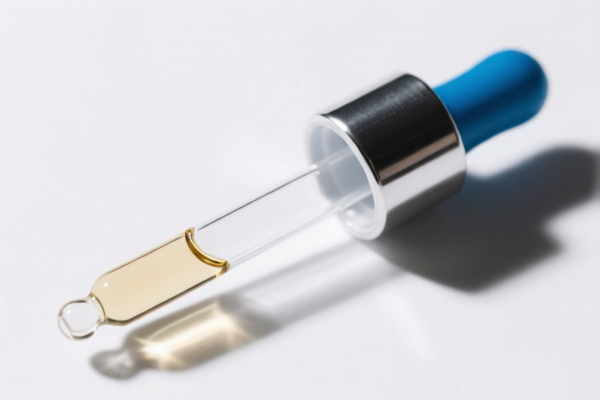
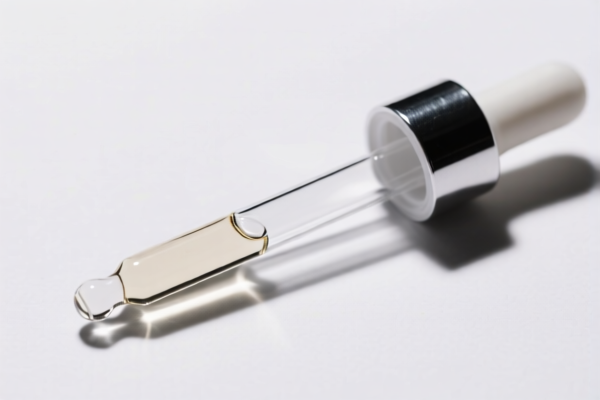
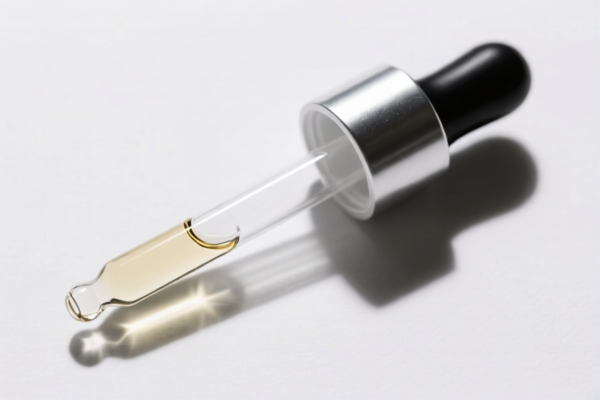
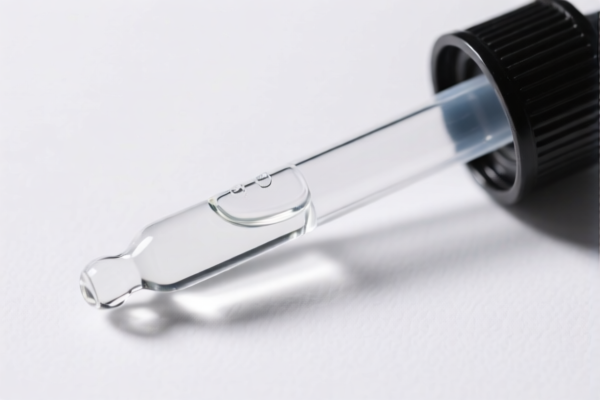
AI Analysis
💧 Pipette Plugs (Pipette Tips / Plugged Pipettes)
🌐 HS Code Reference & Customs Clearance Guide | 2026 Latest Tariff Analysis | Professional Entry Strategy
📌 I. Product Definition & Classification: Do You Really Understand "Pipette Plugs"?
Pipette plugs (often referring to plugged pipette tips or pipettes with integrated filters/plugs) are critical consumables or instruments in laboratory settings, used for precise liquid handling in chemistry, biology, and medical diagnostics. In international trade, their classification depends heavily on two factors: Material (Glass vs. Plastic) and Functionality (Laboratory Instrument vs. General Plastic Article).
Key Distinction Logic:
- Glass Pipettes: If made of glass and used for precise volumetric measurement in labs → Classified under Chapter 70 (Glassware).
- Plastic Pipettes/Tips: If made of plastic (PP, PS, PE) and used as disposable consumables or lab utensils → Classified under Chapter 39 (Plastics Articles).
⚠️ Critical Note:
- If the product is a reusable glass pipette with precision calibration →7017.20.00.00or7017.90.50.00.
- If the product is a disposable plastic pipette tip or plastic pipette body →3926.90.99.89or3926.90.99.10.
- If it is a rigid plastic tube (less common for standard pipettes but possible for specific designs) →3917.29.00.90.
📦 II. HS Code Classification Details (2026 Latest Tariff Authority)
| HS Code | Product Description | Application Scenario | Material | Tax Rate |
|---|---|---|---|---|
7017.20.00.00 |
Laboratory glassware for pipettes, made of silicate glass | Reusable glass pipettes, volumetric pipettes | Glass | 41.7% |
7017.90.50.00 |
Other laboratory glassware for pipettes | Glass pipettes (non-specific subheading) | Glass | 41.7% |
3926.90.99.89 |
Other articles of plastics: Other | Disposable plastic pipette tips, plastic lab utensils | Plastic | 22.8% |
3926.90.99.10 |
Other articles of plastics: Laboratory articles | Plastic pipettes used for laboratory measuring | Plastic | 22.8% |
3917.29.00.90 |
Rigid tubes, pipes, and hoses of plastics | Plastic pipettes classified as rigid tubes | Plastic | 38.1% |
🔍 Key Reminder:
- Glass items face significantly higher tariffs (41.7%) due to base + additional duties.
- Plastic items generally face lower tariffs (22.8% or 38.1%), but classification must be precise.
- "Pipette Plug" often implies a plastic tip for a pipette gun. If so,3926.90.99.89is the most common classification for disposable tips.
💰 III. 2026 Latest Tariff Rate Breakdown (Including Additional Duties)
✅ Applicable Country: United States (US)
✅ Origin: China (CN)
✅ Effective Date: November 10, 2025 (and subsequent imports)
🎯 1. 7017.20.00.00 & 7017.90.50.00 — Laboratory Glass Pipettes
| Item | Content |
|---|---|
| Base Tariff | 6.7% (Ad Valorem) |
| Section 301 Tariff | +25.0% (Additional Duty for Chinese Origin) |
| Section 122 Tariff | +10.0% (Specific Additional Duty) |
| Total Tariff | 41.7% |
| Calculation | CIF Value × 41.7% |
| De Minimis Exemption | ❌ Not Eligible |
| Legal Path | Base Rate (6.7%) + Section 301 (25%) + Section 122 (10%) |
📌 Explanation:
- Glass laboratory equipment from China is subject to heavy cumulative duties.
- The 25% Section 301 tariff is standard for many Chinese industrial/lab goods.
- The 10% Section 122 tariff adds further cost, making glass pipettes expensive to import.
🎯 2. 3926.90.99.89 & 3926.90.99.10 — Plastic Pipettes / Tips (Lab Articles)
| Item | Content |
|---|---|
| Base Tariff | 5.3% (Ad Valorem) |
| Section 301 Tariff | +7.5% (Reduced Additional Duty for Some Plastic Articles) |
| Section 122 Tariff | +10.0% (Specific Additional Duty) |
| Total Tariff | 22.8% |
| Calculation | CIF Value × 22.8% |
| De Minimis Exemption | ❌ Not Eligible |
| Legal Path | Base Rate (5.3%) + Section 301 (7.5%) + Section 122 (10%) |
📌 Explanation:
- Plastic lab consumables benefit from a lower Section 301 rate (7.5%) compared to glass (25%).
- However, the 10% Section 122 still applies, keeping the total at 22.8%.
- This is significantly cheaper than glass alternatives.
🎯 3. 3917.29.00.90 — Plastic Pipettes (Rigid Tubes)
| Item | Content |
|---|---|
| Base Tariff | 3.1% (Ad Valorem) |
| Section 301 Tariff | +25.0% (Standard Additional Duty) |
| Section 122 Tariff | +10.0% (Specific Additional Duty) |
| Total Tariff | 38.1% |
| Calculation | CIF Value × 38.1% |
| De Minimis Exemption | ❌ Not Eligible |
| Legal Path | Base Rate (3.1%) + Section 301 (25%) + Section 122 (10%) |
📌 Explanation:
- If classified as "rigid tubes" rather than "lab articles," the Section 301 rate jumps to 25%.
- This is much more expensive than the "lab articles" classification (22.8%).
- Avoid this classification if your product is clearly a laboratory utensil.
🛠️ IV. Customs Clearance Practical Advice (Pitfall Avoidance Guide)
✅ 1. Document Checklist (Mandatory)
| Document | Required | Notes |
|---|---|---|
| ✅ Product Specification Sheet | ✔️ | Must specify: Material (Glass/Plastic), Volume, Reusable/Disposable, Lab-use |
| ✅ Product Photos | ✔️ | Clear images showing brand, model, and any "Lab Use" labeling |
| ✅ Commercial Invoice | ✔️ | Must describe as "Laboratory Pipette" or "Pipette Tips" not generic "Plastic Tube" |
| ✅ Packaging List | ✔️ | Show quantity per box, net/gross weight |
| ✅ Certificate of Origin | ✔️ | For potential preferential treatment (if applicable) |
| ✅ FCC/CE/RoHS Reports | ✔️ | If electronic components (e.g., electronic pipettes) are involved |
✅ 2. Declaration Tips (Key Strategy)
🔥 Mnemonic:
"Glass is Expensive (41.7%), Plastic is Cheaper (22.8%), Don't Call it a Tube (38.1%)!"
| Scenario | Correct Declaration | Incorrect Action |
|---|---|---|
| Disposable Plastic Tips | 3926.90.99.89 (Other Plastic Articles) |
Declaring as 3917.29.00.90 (Tube) → +15.3% extra tax |
| Reusable Glass Pipettes | 7017.20.00.00 |
Declaring as plastic → Customs seizure & fines |
| Plastic Lab Pipettes | 3926.90.99.10 (Lab Articles) |
Declaring as generic plastic → Risk of reclassification |
| Pipette Gun (Device) | Likely 9027.80.00.00 (Not in data, but check) |
Do not mix device with consumables in one HS if different |
✅ 3. Special Cases
| Case | Recommendation |
|---|---|
| Mixed Container | Separate glass and plastic items in the declaration. Do not lump them under one HS code. |
| Plastic Tips with Filter | Still classified under 3926.90.99.89 if primarily plastic lab consumable. |
| Bulk vs. Retail | Bulk packaging does not change HS code. Focus on product nature, not packaging size. |
| Electronic Pipettes | If it has a motor/display, it may fall under 9027.80.00.00 (Instruments). Check if this data applies. |
🌍 V. Global Market Comparison (2026 Latest)
| Country/Region | Recommended HS Code | Tariff (China Origin) | Certification Required | Notes |
|---|---|---|---|---|
| 🇺🇸 USA | 3926.90.99.89 |
22.8% | FDA/CE/RoHS | Highest complexity due to Section 122 & 301 |
| 🇨🇳 China | 3926.90.99.89 |
5% | CCC (if applicable) | No additional tariffs |
| 🇪🇺 EU | 3926.90.99 |
~6% | CE/REACH | No Section 301/122 equivalents |
| 🇬🇧 UK | 3926.90.99 |
~6% | UKCA | Post-Brexit rules apply |
| 🇯🇵 Japan | 3926.90.99 |
~3-6% | PSE (if electronic) | Low tariffs, strict quality standards |
📌 Conclusion:
- USA is the most expensive market due to layered tariffs (Base + 301 + 122).
- Plastic pipettes are far more cost-effective to export to the US than glass.
- Always aim for3926.90.99.xxclassification for plastic lab items to minimize tax.
📌 VI. Common Errors & Pitfalls (Lessons Learned)
❌ Error 1: Classifying plastic pipette tips as "Rigid Tubes" (3917.29.00.90)
👉 Consequence: Tax jumps from 22.8% to 38.1% → Loss of 15.3% margin!
❌ Error 2: Declaring glass pipettes as plastic
👉 Consequence: Customs inspection reveals glass → Seizure, fines, and back taxes (41.7% vs 22.8%).
❌ Error 3: Using vague terms like "Plastic Tube"
👉 Consequence: Customs reclassifies to worst-case scenario → Delays and additional duties.
❌ Error 4: Ignoring Section 122 Tariff
👉 Consequence: Underpayment → Penalties and interest.
✅ Correct Practice:
"Laboratory Plastic Pipette Tips, Disposable, Polypropylene, Sterile, 1000pcs/Box, Model XYZ"
🎯 VII. Conclusion: Precise Classification Saves Money!
🎯 Remember:
🔹 "Glass is 41.7%, Plastic is 22.8%, Tubes are 38.1%!"
🔹 "Use 'Lab Article' for plastics, not 'Tube', to save 15%!"
🔹 "Always declare material and function clearly!"
📌 Pro Tip:
- If you export plastic pipette tips, ensure your supplier provides a Material Declaration stating "Polypropylene (PP) for Laboratory Use" to support the 3926.90.99 classification.
- Consider Advance Ruling from US CBP if you are importing large volumes to lock in the correct HS code.
📣 Immediate Action:
📞 Consult a licensed customs broker.
📄 Prepare detailed product specs (Material, Volume, Usage).
🚀 Optimize your supply chain to minimize tariff impact!
✨ Professional Clearance Starts with Accurate Classification!
💼 Every percentage point saved is profit earned!
Customer Reviews
About HS Code Classification
The Harmonized System (HS) is an internationally standardized nomenclature developed by the World Customs Organization (WCO) to classify traded products. Over 200 countries use the HS system as the basis for customs tariffs, trade statistics, and import/export regulations.
Each HS code follows a hierarchical structure:
- Chapter (2 digits) — Broad category of goods (e.g., Chapter 84: Machinery and Mechanical Appliances)
- Heading (4 digits) — More specific grouping within the chapter
- Subheading (6 digits) — Internationally standardized breakdown, used by all WCO member countries
- National subdivisions (8-10 digits) — Country-specific extensions for further classification, such as US HTSUS 10-digit codes
Correct HS code classification is essential for smooth customs clearance, accurate duty payment, and compliance with trade regulations. Misclassification can lead to customs delays, overpayment of duties, or penalties.
When importing from CN to US, the applicable tariff rates may include:
- Most-Favored-Nation (MFN) rate — The standard duty rate applied to WTO members
- General rate — Applied to countries without trade agreements
- Trade remedy duties — Additional tariffs such as Section 301 (anti-dumping), Section 232 (national security), or countervailing duties
The information provided on this page is for reference purposes only. For official classification, please consult with your local customs authority or a licensed customs broker.