plastic sheet hs 3920992000
CN → US| HS Code | Tariff Rate | Origin | Destination | Doc |
|---|---|---|---|---|
| 3921905050 | 39.8% | CN | US | Official Doc |
| 3926909989 | 22.8% | CN | US | Official Doc |
| 3920594000 | 35.0% | CN | US | Official Doc |
| 3920598000 | 41.5% | CN | US | Official Doc |
| 3921190090 | 41.5% | CN | US | Official Doc |
Product Images
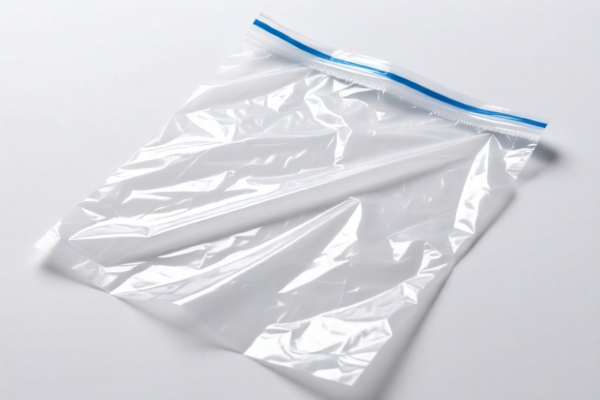
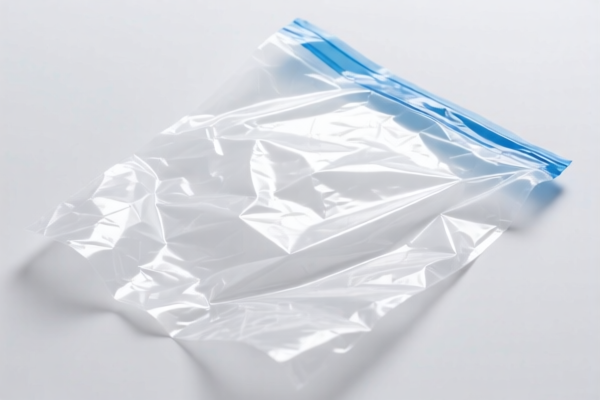
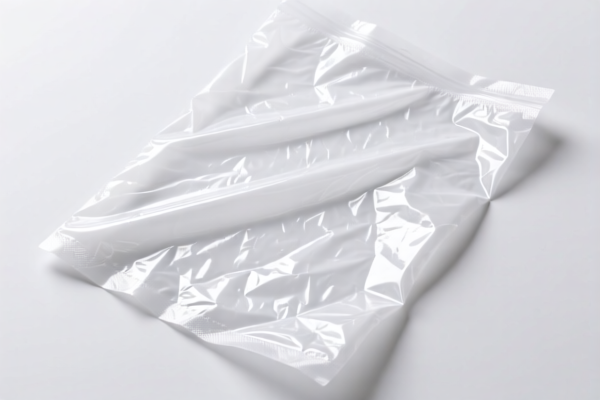
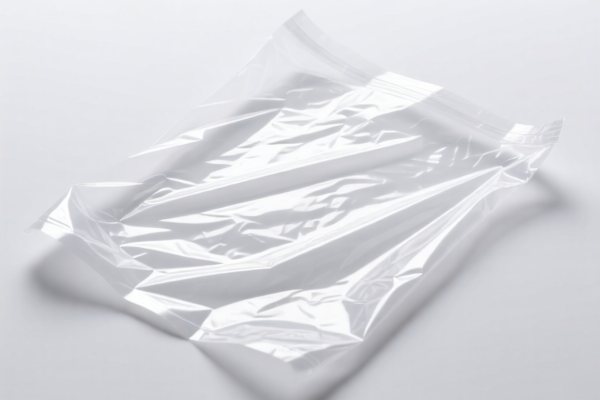
AI Analysis
🛡️ Plastic Sheets & Films (HS 3920.99.20.00)
🌐 HS Code Reference & Customs Clearance Guide | 2026 Latest Tariff Analysis | Professional Clearance Strategy
📌 I. Product Definition & Classification: What is "Plastic Sheet" really?
Plastic sheets (under HS 3920.99.20.00) are flat, flexible, or semi-rigid products made from plastics, excluding those specifically covered in headings 3901-3914 (basic polymers) or 3921 (plastic plates, sheets, etc., of other polymers not elsewhere specified).
Key Characteristics: - Form: Sheets, films, foils, strips. - Material: Typically polymers not specifically listed in 3901-3914 (e.g., certain copolymers, mixed polymers, or specific thermoplastics/thermosets not covered elsewhere). - Processing: May be plain, printed, perforated, or coated.
⚠️ Critical Distinction:
- If the plastic is polyethylene, polypropylene, PVC, polystyrene, etc., it usually falls under 3904-3911.
- If it is acrylic (polymethyl methacrylate), it falls under 3920.59.
- HS 3920.99.20.00 is often used for other plastics (e.g., certain polycarbonates, ABS, PETG, or specialized engineering plastics) not specifically listed in 3901-3914 or 3920.59.
- Do not confuse with 3921.90 (plastic plates/sheets of other polymers) – the distinction lies in the specific polymer type and whether it’s considered a “sheet” vs. a “plate” in some jurisdictions, but for USHTS, 3920.99 is a catch-all for other plastic sheets.
📦 II. HS Code Classification Details (2026 Latest Tariff Reference)
| HS Code | Product Description | Applicable Scenario | Material Example |
|---|---|---|---|
3920.99.20.00 |
Other plastic sheets, films, foils, strips, of other plastics (not elsewhere specified) | General-purpose plastic sheets, specialized engineering plastics (e.g., PC, ABS, PETG), industrial films | Polycarbonate, ABS, PETG, Polyimide (if not elsewhere classified) |
🔍 Key Reminder:
- 3920.99.20.00 is NOT for acrylic (use 3920.59), NOT for polyethylene/polypropylene (use 3904/3901/3902), and NOT for PVC (use 3904/3901/3902).
- It is for other plastics that do not fit into the specific polymer categories in 3901-3914.
- Always verify the exact polymer composition before classifying. Misclassification can lead to significant tariff differences.
💰 III. 2026 Latest Tariff Rate Details (Including Additional Taxes)
✅ Applicable Country: United States (US)
✅ Origin: China (CN)
✅ Effective Date: From November 10, 2025 (including subsequent imports)
🎯 1. 3920.99.20.00 —— Other Plastic Sheets (Not Elsewhere Specified)
| Item | Content |
|---|---|
| Basic Tariff | 5.3% (ad valorem) |
| USITC Additional Tax | +7.5% (from USITC Footnote 9903.88.01) |
| IEEPA Additional Tax | +10% (for China/HK products, effective November 10, 2025) |
| Total Tariff Rate | 41.5% |
| Tax Calculation | CIF Value × 41.5% |
| De Minimis Exemption | ❌ Not Eligible (deny_de_minimis) |
| Legal Basis Path | IEEPA:9903.01.25 → IEEPA:9903.01.24 → USITC:3920.99.20.00 → FOOTNOTE:9903.88.01 |
📌 Explanation:
- The 7.5% USITC tax is part of the Section 301 additional duties on certain Chinese products.
- The 10% IEEPA tax is the new Trump-era additional tariff on Chinese goods effective November 10, 2025.
- Total 41.5% is a very high tariff. Proper classification is critical to avoid overpayment or penalties.
📊 Comparison with Other Plastic Sheet HS Codes from Data
| HS Code | Summary | Total Tax | Tax Detail |
|---|---|---|---|
3921.90.50.50 |
Plastic sheets, plastic plates, etc. | 39.8% | Basic 4.8% + 25% (301) + 10% (122) |
3926.90.99.89 |
Plastic articles, other | 22.8% | Basic 5.3% + 7.5% (301) + 10% (122) |
3920.59.40.00 |
Plastic sheets, acrylic polymer | 35.0% | Basic 0.0% + 25% (301) + 10% (122) |
3920.59.80.00 |
Plastic sheets, acrylic polymer | 41.5% | Basic 6.5% + 25% (301) + 10% (122) |
3921.19.00.90 |
Plastic sheets, other | 41.5% | Basic 6.5% + 25% (301) + 10% (122) |
3920.99.20.00 |
Plastic sheets, other plastics | 41.5% | Basic 5.3% + 7.5% (301) + 10% (122) |
📌 Note:
- 3920.99.20.00 has a lower Section 301 tax (7.5%) compared to 3921.90 (25%) or 3920.59 (25%).
- However, the basic tariff (5.3%) is higher than 3920.59.40 (0%).
- Total rate (41.5%) is the same as 3920.59.80 and 3921.19, but different from 3921.90 (39.8%).
- Acrylic sheets (3920.59) may have 0% basic tariff if properly classified as 3920.59.40, leading to a lower total (35%).
- Always verify polymer type to ensure correct classification.
🛠️ IV. Customs Clearance Practical Advice (Real-World Pitfall Avoidance)
✅ 1. Required Documentation (All are Mandatory)
| Document | Required | Description |
|---|---|---|
| ✅ Product Specification Sheet | ✔️ | Includes dimensions, thickness, polymer type, mechanical properties |
| ✅ Material Safety Data Sheet (MSDS) | ✔️ | For chemical composition, especially if coated or treated |
| ✅ Product Photos (Including Labels) | ✔️ | Clear images of sheets, rolls, or cut pieces, showing thickness and edges |
| ✅ Third-Party Test Reports | ✔️ | FDA, RoHS, REACH, UL (if applicable) |
| ✅ Commercial Invoice | ✔️ | Clearly state “Plastic Sheet, [Polymer Type], for [Intended Use]” |
| ✅ Certificate of Origin (CO) | ✔️ | If not China-origin, apply for preferential rates |
| ✅ Packing List | ✔️ | Detail packaging, weight, and dimensions |
✅ 2. Declaration Tips (Key Rules)
🔥 “Correct Polymer, Correct HS, Tariff Saved in Half!”
| Scenario | Correct Declaration | Incorrect Practice |
|---|---|---|
| Acrylic sheets | 3920.59.40.00 or 3920.59.80.00 |
Misdeclared as 3920.99.20.00 → Overpay or Underpay |
| Polyethylene sheets | 3901.10.00.00 or 3901.20.00.00 |
Misdeclared as 3920.99.20.00 → 35-41% vs. 0-4.8% |
| Polycarbonate sheets | 3920.99.20.00 |
Misdeclared as 3921.90.50.50 → Higher Section 301 (25% vs 7.5%) |
| Plastic articles (not sheets) | 3926.90.99.89 |
Misdeclared as 3920.99.20.00 → Wrong category |
✅ 3. Special Cases
| Scenario | Handling Advice |
|---|---|
| OEM Custom Sheets | Provide customer orders + design specs to avoid “non-standard” classification |
| Printed/Coated Sheets | Still 3920.99.20.00 if polymer type doesn’t change, but declare printing/coating |
| Sheets for Medical Use | If specialized, may require FDA approval, but HS Code remains same |
| Sheets for Military/Aerospace | May require special permits, but HS Code classification unchanged |
🌍 V. Global Market Comparison (2026 Latest)
| Country/Region | Recommended HS Code | Tariff | Certification | Notes |
|---|---|---|---|---|
| 🇺🇸 US | 3920.99.20.00 |
41.5% (China) | FDA, RoHS | High additional tariffs |
| 🇨🇳 China | 3920.99.20.00 |
5% | CCC, RoHS | No additional tariffs |
| 🇪🇺 EU | 3920.99.20.00 |
0-6.5% (if CE) | CE, REACH | No additional tariffs |
| 🇦🇺 Australia | 3920.99.20.00 |
5% | RCM | No additional tariffs |
| 🇯🇵 Japan | 3920.99.20.00 |
0-6% | PSE | No additional tariffs |
📌 Conclusion:
- The US is the only market with high additional tariffs on Chinese plastic sheets.
- Consider sourcing from Vietnam, Mexico, or other non-China origins to reduce tariff burden.
- Apply for Advance Ruling (USCBP) to confirm HS Code before shipping.
📌 VI. Common Mistakes & Pitfall Avoidance (Lessons Learned)
❌ Mistake 1: Declaring “acrylic sheets” as 3920.99.20.00
👉 Result: Overpaying tariffs or facing penalties if classified as 3920.59.40.00 (35%) or 3920.59.80.00 (41.5%).
❌ Mistake 2: Declaring “polyethylene sheets” as 3920.99.20.00
👉 Result: Paying 41.5% instead of 0-4.8% (for 3901/3902 codes).
❌ Mistake 3: Not providing polymer type in declaration
👉 Result: Customs may reclassify, leading to delays, penalties, or higher tariffs.
❌ Mistake 4: Using generic terms like “plastic sheet” without specifying material
👉 Result: High risk of misclassification and disputes.
✅ Correct Practice:
“Polycarbonate Sheet, 2mm, Transparent, UV-Stabilized, for Industrial Use, FDA Compliant, HS Code: 3920.99.20.00”
🎯 VII. Conclusion: Precision in Classification Saves Money!
🎯 Remember the Rules:
🔹 “Know Your Polymer, Choose Right HS, Avoid High Tariffs!”
🔹 “HS Code Dictates Tariff, 1% Difference, Thousands Saved!”
📌 Pro Tip:
If your plastic sheets are originating from Vietnam, Mexico, Thailand, or Malaysia, you may apply for IEEPA Exemption, reducing tariffs to 0-5%.
Apply for Advance Ruling (USCBP) to avoid clearance risks.
📣 Immediate Action:
📞 Contact a Professional Customs Broker + Provide Product Photos + Apply for HS Code Advance Ruling
🚀 Ensure Smooth Clearance, Efficient Export, Maximized Profits!
✨ Professional Clearance Starts with Accurate Classification!
💼 Every Dollar You Save is Precisely Calculated!
Customer Reviews
About HS Code Classification
The Harmonized System (HS) is an internationally standardized nomenclature developed by the World Customs Organization (WCO) to classify traded products. Over 200 countries use the HS system as the basis for customs tariffs, trade statistics, and import/export regulations.
Each HS code follows a hierarchical structure:
- Chapter (2 digits) — Broad category of goods (e.g., Chapter 84: Machinery and Mechanical Appliances)
- Heading (4 digits) — More specific grouping within the chapter
- Subheading (6 digits) — Internationally standardized breakdown, used by all WCO member countries
- National subdivisions (8-10 digits) — Country-specific extensions for further classification, such as US HTSUS 10-digit codes
Correct HS code classification is essential for smooth customs clearance, accurate duty payment, and compliance with trade regulations. Misclassification can lead to customs delays, overpayment of duties, or penalties.
When importing from CN to US, the applicable tariff rates may include:
- Most-Favored-Nation (MFN) rate — The standard duty rate applied to WTO members
- General rate — Applied to countries without trade agreements
- Trade remedy duties — Additional tariffs such as Section 301 (anti-dumping), Section 232 (national security), or countervailing duties
The information provided on this page is for reference purposes only. For official classification, please consult with your local customs authority or a licensed customs broker.