powder soap
CN → US| HS Code | Tariff Rate | Origin | Destination | Doc |
|---|---|---|---|---|
| 3923900080 | 38.0% | CN | US | Official Doc |
| 3923210095 | 38.0% | CN | US | Official Doc |
| 3402501100 | 39.0% | CN | US | Official Doc |
| 3402901000 | 38.8% | CN | US | Official Doc |
Product Images
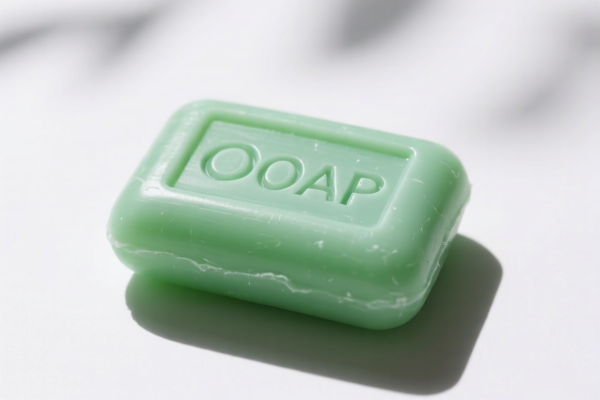
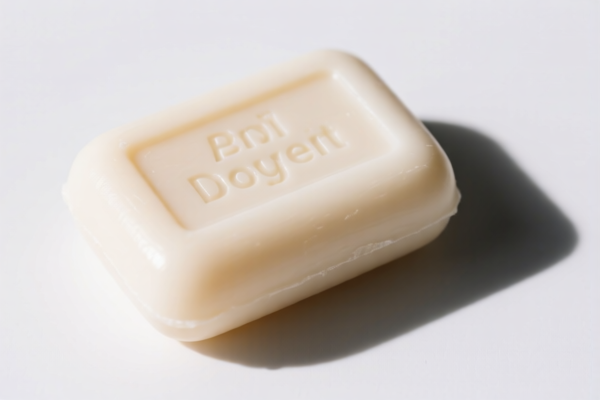
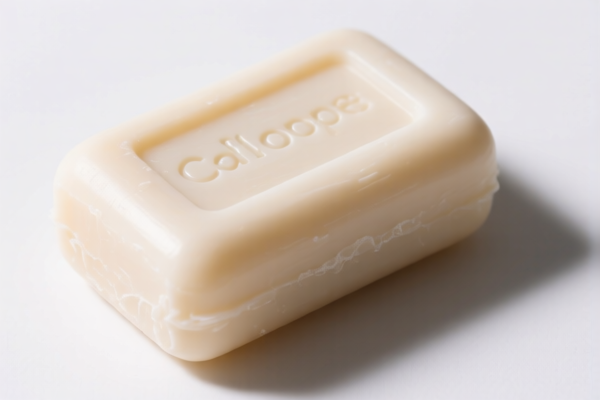

AI Analysis
🧼 Powder Soap & Cleaning Preparations: HS Code Precision & 2026 Tariff Strategy
🌐 HS Code Reference & Customs Clearance Guide | 2026 Latest Tariff Analysis | Professional Compliance Strategy
📌 Part 1: Product Definition & Classification: Do You Really Understand "Powder Soap"?
Powder Soap is a broad term in international trade, but under the Harmonized System (HS), it is not a single category. It is split based on packaging, aroma/active agents, and functional composition.
Key Distinction in 2026:
1. "Soap" (Heading 3401): If put up for retail sale (e.g., small boxes in a store), it generally falls under Heading 3401.
2. "Other Surface-Active Agents/Preparations" (Heading 3402): If it is NOT put up for retail sale (e.g., industrial bulk, large sacks) OR if it is a synthetic detergent (not true soap) put up for retail, it falls under Heading 3402.
⚠️ Critical Alert:
- "Powder Soap" for Household Retail Use: Often misclassified. If it contains aromatic/modified aromatic surface-active agents, it triggers higher tariffs.
- "Industrial Powder Detergent": Usually classified as Synthetic Detergents (3402.90).
- "Plastic Packaging": Don’t forget the packaging! If imported in plastic sacks/bags, these may be classified separately under Heading 3923.
📦 Part 2: HS Code Classification Details (2026 Official Tariff Schedule)
Based on the provided data, here are the four potential HS Codes. Each has a completely different tax implication.
| HS Code | Product Description | Applicable Scenario | Tax Rate (Total) | Key Condition |
|---|---|---|---|---|
3402.50.11.00 |
Organic surface-active agents; cleaning preparations. Put up for retail sale. Contains aromatic or modified aromatic surface-active agent. | Retail-packaged powder soaps/detergents with fragrance or special aroma modifiers. | 29.0% | ⚠️ Highest Risk: Base 4% + Additional 25%. Triggered by "Aromatic" content + Retail Pack. |
3402.90.10.00 |
Other organic surface-active agents; washing/cleaning preparations. Other: Synthetic detergents. | Bulk industrial powder detergents, non-retail synthetic powders. | 0.0% | ✅ Best Rate: Base 0% + Additional 0%. Only if NOT aromatic/retail-packaged in the restricted sense. |
3923.90.00.80 |
Articles for conveyance/packing of goods, of plastics. Other. | Plastic bags, containers, or closures used to pack the powder soap (if declared separately). | 28.0% | ⚠️ Packaging Tax: Base 3% + Additional 25%. Only for the plastic packaging itself. |
3923.21.00.95 |
Sacks and bags, of plastics. Of polymers of ethylene. Other. | Polyethylene sacks/bags (common for bulk powder soap). | 28.0% | ⚠️ Packaging Tax: Base 3% + Additional 25%. Specific to PE sacks. |
🔍 Key Insight:
- The product (powder soap) is either 29% or 0%.
- The packaging (if declared separately) is 28%.
- Misclassification Risk: Declaring a retail-packaged, aromatic powder soap as3402.90.10.00(0%) is a common error that leads to severe penalties.
💰 Part 3: 2026 Tariff Rate Breakdown (Detailed Tax Clauses)
✅ Applicable Country: USA (US)
✅ Origin: China (CN)
✅ Effective Date: 2026 Tariff Schedule
🎯 1. 3402.50.11.00 —— Aromatic/Modified Aromatic Cleaning Preparations (Retail)
| Item | Detail |
|---|---|
| Base Tariff | 4.0% (ad valorem) |
| Additional Tariff (Section 301/IEEPA) | 25.0% |
| Total Tax Rate | 29.0% |
| Calculation | CIF Value × 29.0% |
| De Minimis Exemption | ❌ Not Applicable (High-value industrial/consumer goods usually excluded) |
| Legal Basis | Heading 3402 → Subheading 3402.50 → "Aromatic or Modified Aromatic" |
📌 Explanation:
- This code applies if the powder soap is put up for retail sale AND contains aromatic agents.
- The 25% additional tariff is a significant cost driver.
- Example: A 1kg box of scented powder laundry detergent sold in supermarkets.
🎯 2. 3402.90.10.00 —— Synthetic Detergents (Other/Industrial)
| Item | Detail |
|---|---|
| Base Tariff | 0.0% |
| Additional Tariff | 0.0% |
| Total Tax Rate | 0.0% |
| Calculation | CIF Value × 0% |
| De Minimis Exemption | ✅ Potentially Applicable (if value < $800 and not restricted) |
| Legal Basis | Heading 3402 → Subheading 3402.90 → "Synthetic Detergents" |
📌 Explanation:
- This code applies to synthetic detergents that are NOT put up for retail sale in the manner described in 3402.50, or are non-aromatic industrial powders.
- Crucial: If you declare retail-scaped, scented powder soap here, you risk audit and penalty.
🎯 3. & 4. 3923.90.00.80 & 3923.21.00.95 —— Plastic Packaging (Sacks/Bags)
| Item | Detail |
|---|---|
| Base Tariff | 3.0% |
| Additional Tariff | 25.0% |
| Total Tax Rate | 28.0% |
| Applicability | Only if plastic sacks/bags are declared separately as goods. |
📌 Explanation:
- If you import 10 tons of powder soap in plastic sacks, you can either:
a) Declare together: The tariff follows the product (3402).
b) Declare separately: The sacks are taxed at 28%.
- Strategy: Usually, packaging is included in the product tariff unless specified otherwise. Do not double-tax unless required by customs ruling.
🛠️ Part 4: Customs Clearance Practical Advice
✅ 1. Documentation Checklist (Must-Have)
| Document | Required | Notes |
|---|---|---|
| ✅ Product Specification Sheet | ✔️ | Must clearly state: Chemical composition, Aromatic content?, Packaging type. |
| ✅ Retail vs. Industrial Declaration | ✔️ | Explicitly state: "Put up for retail sale" or "Industrial Bulk Use". |
| ✅ Ingredients List (INCI) | ✔️ | For 3402.50.11.00, prove presence of aromatic agents. For 3402.90.10.00, prove synthetic, non-aromatic nature. |
| ✅ Packaging Details | ✔️ | Describe sacks/bags. Are they plastic? Material (PE, PP)? |
| ✅ Commercial Invoice | ✔️ | Must match HS Code description precisely. |
| ✅ Certificate of Origin | ✔️ | Essential for origin verification (China-origin tariffs apply). |
✅ 2. Declaration Strategy (Key Formulas)
🔥 "Aroma & Retail = 29%, Bulk & Synthetic = 0%, Plastic Bags = 28%!"
| Scenario | Correct HS Code | Wrong Code | Consequence |
|---|---|---|---|
| Retail box, scented powder soap | 3402.50.11.00 (29%) |
3402.90.10.00 (0%) |
Penalty + Back Taxes + 29% vs 0% Gap |
| Industrial bulk, non-scented synthetic powder | 3402.90.10.00 (0%) |
3402.50.11.00 (29%) |
Overpayment (You pay 29% when you don't need to) |
| Plastic sacks (separately declared) | 3923.21.00.95 (28%) |
Included in product value | Double taxation or under-declaration |
| Powder soap in paper bags | 3402.50.11.00 or 3402.90.10.00 |
3923 |
Incorrect (No plastic packaging tariff) |
✅ 3. Special Cases & Pitfalls
| Situation | Advice |
|---|---|
| "Biodegradable" Powder Soap | Still subject to HS classification. If aromatic/retail, likely 3402.50.11.00. |
| "Soap" vs. "Detergent" | True soap (saponified fats) may fall under 3401. But if synthetic (surfactants), it’s 3402. Most "powder soaps" today are synthetic detergents. |
| Packaging Included in Value | If packaging is not declared separately, no extra 28% tax. If declared separately, add 28% on packaging value. |
| De Minimis (Section 321) | If value < $800 per person per day, check if 3402 goods are exempt. Caution: Many cleaning agents are not de minimis exempt due to trade policy. |
🌍 Part 5: Global Market Comparison (2026)
| Country/Region | Recommended HS Code | Tariff (China Origin) | Notes |
|---|---|---|---|
| 🇺🇸 USA | 3402.50.11.00 or 3402.90.10.00 |
29% or 0% | High scrutiny on aromatic/retail classification. |
| 🇨🇳 China | 3402.50 or 3402.90 | ~5-13% | No additional 301 tariffs. Lower entry barrier. |
| 🇪🇺 EU | 3402.50 or 3402.90 | 0-6.5% | No additional retaliatory tariffs. Ecolabel may affect marketing. |
| 🇦🇺 Australia | 3402.50 or 3402.90 | 5% | No special additional tariffs. |
📌 Conclusion:
- USA is the most complex market due to the 25% additional tariff on aromatic/retail preparations.
- Optimization Tip: If possible, formulate non-aromatic versions and declare as industrial bulk (3402.90.10.00) to achieve 0% tariff.
- Packaging Strategy: Import in bulk, package domestically if possible, to avoid 28% plastic packaging tariffs.
📌 Part 6: Common Mistakes & Avoidance Guide
❌ Mistake 1: Calling all "Powder Soap" "Synthetic Detergents" to get 0% tax.
👉 Result: Customs flags "aromatic" ingredients → Audit → 29% tax + penalties.
✅ Fix: Accurately declare based on aroma content and packaging.
❌ Mistake 2: Declaring plastic sacks as "packaging" with no value.
👉 Result: Customs assigns arbitrary value → 28% tax on unknown amount.
✅ Fix: Provide clear cost breakdown of packaging if declared separately.
❌ Mistake 3: Ignoring "Retail Sale" definition.
👉 Result: Bulk soap declared as retail → Wrong HS Code.
✅ Fix: "Retail" = ready for final consumer without re-packaging. "Industrial" = raw material for further processing.
🎯 Part 7: Conclusion: Precision Saves Money!
🎯 Remember the Formula:
🔹 Aromatic + Retail = 29% (
3402.50.11.00)
🔹 Non-Aromatic + Industrial = 0% (3402.90.10.00)
🔹 Plastic Packaging = 28% (3923series)
📌 Actionable Advice:
1. Analyze Ingredients: Is it aromatic?
2. Analyze Packaging: Is it retail-ready?
3. Choose Wisely: If you can reformulate to non-aromatic, you save 29% on the product.
4. Consult Customs: Apply for an Advance Ruling if uncertain about "aromatic" definition.
📣 Immediate Action:
📞 Contact your freight forwarder with ingredient list and packaging details.
🚀 Optimize your supply chain to avoid the 29% penalty.
✨ Smart Classification = Maximized Profit!
✨ Professional Clearance Starts with Accurate HS Codes!
💼 Every Percent Saved is Pure Profit!
Customer Reviews
About HS Code Classification
The Harmonized System (HS) is an internationally standardized nomenclature developed by the World Customs Organization (WCO) to classify traded products. Over 200 countries use the HS system as the basis for customs tariffs, trade statistics, and import/export regulations.
Each HS code follows a hierarchical structure:
- Chapter (2 digits) — Broad category of goods (e.g., Chapter 84: Machinery and Mechanical Appliances)
- Heading (4 digits) — More specific grouping within the chapter
- Subheading (6 digits) — Internationally standardized breakdown, used by all WCO member countries
- National subdivisions (8-10 digits) — Country-specific extensions for further classification, such as US HTSUS 10-digit codes
Correct HS code classification is essential for smooth customs clearance, accurate duty payment, and compliance with trade regulations. Misclassification can lead to customs delays, overpayment of duties, or penalties.
When importing from CN to US, the applicable tariff rates may include:
- Most-Favored-Nation (MFN) rate — The standard duty rate applied to WTO members
- General rate — Applied to countries without trade agreements
- Trade remedy duties — Additional tariffs such as Section 301 (anti-dumping), Section 232 (national security), or countervailing duties
The information provided on this page is for reference purposes only. For official classification, please consult with your local customs authority or a licensed customs broker.