rubber tire anti slip chain
CN → US| HS Code | Tariff Rate | Origin | Destination | Doc |
|---|---|---|---|---|
| 7315205000 | 85.0% | CN | US | Official Doc |
| 4016996050 | 37.5% | CN | US | Official Doc |
| 8708998180 | 37.5% | CN | US | Official Doc |
| 7315201000 | 85.0% | CN | US | Official Doc |
| 4016996010 | 37.5% | CN | US | Official Doc |
Product Images
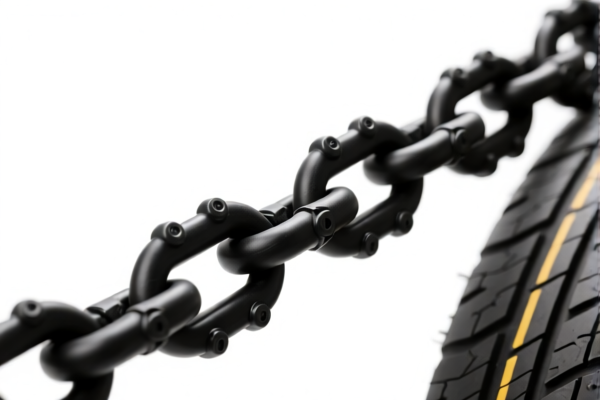
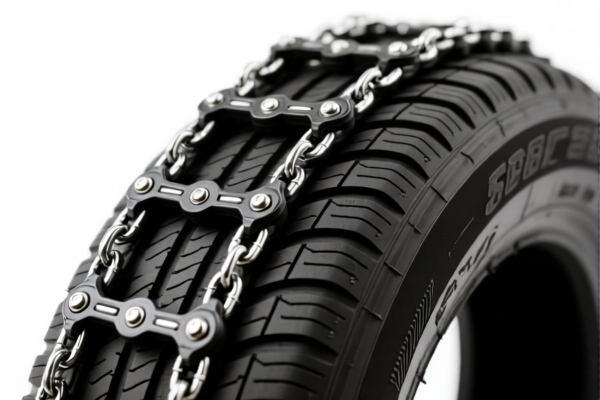
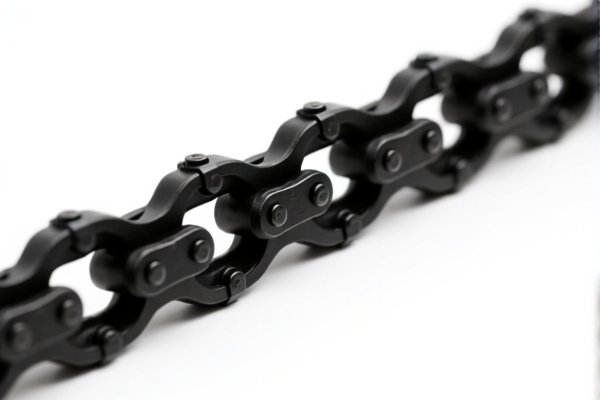
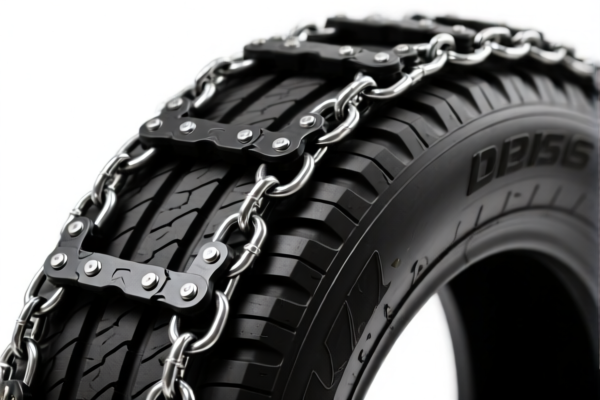
AI Analysis
🚛 Rubber Tire Anti-Slip Chains (Vehicle Safety Equipment)
🌐 HS Code Reference & Customs Clearance Guide | 2026 Latest Tariff Analysis | Professional Compliance Strategy
📌 I. Product Definition & Classification: What Exactly Are "Rubber Tire Anti-Slip Chains"?
In international trade, "Anti-slip chains" are critical safety accessories used to enhance vehicle traction on snow, ice, or mud. They are generally categorized by material and intended use:
Steel/Iron Chains (Metallic): The traditional type, made of steel links. Due to their metallic nature and specific function, they often fall under Chapter 73 (Articles of Iron or Steel). Rubber/Synthetic Chains: Modern, non-damaging alternatives made of rubber or composite materials. These are often classified under Chapter 40 (Rubber Articles) or Chapter 87 (Vehicles/Parts), depending on their specific structural design and marketing.
⚠️ Key Distinction Point:
- If the product is primarily metal (iron/steel) and functions as a chain → It is likely classified under Chapter 73.
- If the product is rubber/composite or marketed strictly as a vehicle accessory/parts → It may be classified under Chapter 40 or Chapter 87.
- Note: Misclassification can lead to massive tariff differences (from ~27.5% to 85%!).
📦 II. HS Code Classification Details (2026 Latest Tariff Authority Comparison)
Based on the provided data, here are the potential HS Codes for "Rubber Tire Anti-Slip Chains" and the logic behind their classification.
| HS Code | Product Description | Application Scenario | Material | Tax Rate |
|---|---|---|---|---|
7315.20.50.00 |
Other Chains, of Iron or Steel (Unlisted Specifics) | General metallic anti-slip chains; generic steel links | Iron/Steel | 85.0% |
7315.20.10.00 |
Chains specifically named "Anti-Slip Chains" | Explicitly labeled as snow chains; typically iron/steel | Iron/Steel | 85.0% |
4016.99.60.50 |
Other vulcanized rubber articles, for non-road vehicles | Rubber-based traction aids; synthetic material | Rubber/Synthetic | 37.5% |
4016.99.60.10 |
Other vulcanized rubber articles, for auto parts/parts | Rubber traction devices marketed as auto accessories | Rubber/Metal Mix | 37.5% |
8708.99.81.80 |
Other parts and accessories for motor vehicles | Vehicle safety accessories; metallic or rubber | Metal/Rubber | 37.5% |
🔍 Critical Analysis:
- Why 85% for Steel? Under Section XXII (Note 2), steel chains for snow/ice often attract high additional tariffs (Section 301 + IEEPA + 122 Clause). Specifically,7315.20.10.00explicitly mentions "Anti-Slip Chains," triggering the full brunt of metal-related tariffs.
- Why 37.5% for Rubber/Parts? Rubber articles (4016) and vehicle parts (8708) do not face the same "Steel/Aluminum/Copper" specific penalty (Section 232/122 Clause) as heavily as steel chains. However, they still carry significant Section 301 and IEEPA tariffs.
💰 III. 2026 Latest Tariff Rate Breakdown (Including Surtaxes & Policy Add-ons)
✅ Applicable Country: United States (US)
✅ Origin: China (CN)
✅ Effective Date: Post-November 2025 (Current Policy Framework)
🎯 1. The "High-Tariff" Metal Path: 7315.20.50.00 & 7315.20.10.00
These codes apply to steel/iron anti-slip chains. This is the most dangerous classification for profit margins due to the "122 Clause" (Steel, Aluminum, Copper).
| Item | Content |
|---|---|
| Base Tariff | 0.0% (General Ad Valorem) |
| Section 301 Surtax | +25.0% (Standard USITC Footnote) |
| Section 122/Special Surtax | +50.0% (Specific to Steel/Aluminum/Copper Articles under current enforcement) |
| IEEPA Surtax | +10.0% (For China Origin, effective Nov 2025) |
| Total Effective Rate | 85.0% |
| Tax Calculation | CIF Value × 85% |
| De Minimis Eligibility | ❌ NO (High risk of denial for formal entry) |
| Legal Basis Path | USITC:7315.20.10.00 → FOOTNOTE:232 (Steel/Alum) + IEEPA:9903.01.25 |
📌 Explanation:
- The 50% surcharge is critical here. It targets steel products specifically. Even if the base tariff is 0%, the combination of Section 301 (25%) + Section 122/Steel Penalty (50%) + IEEPA (10%) equals 85%.
- Warning: Do not assume "Anti-Slip Chains" are exempt just because they are safety gear. If they are steel, they are heavily penalized.
🎯 2. The "Mid-Tariff" Rubber/Parts Path: 4016.99.60.50, 4016.99.60.10, & 8708.99.81.80
These codes apply to rubber, synthetic, or mixed-material chains, or those classified as general vehicle parts.
| Item | Content |
|---|---|
| Base Tariff | 2.5% (General Ad Valorem for Rubber/Parts) |
| Section 301 Surtax | +25.0% (Standard USITC Footnote) |
| Special Surtax | +10.0% (122 Clause or similar specific surcharge for rubber/components) |
| IEEPA Surtax | +10.0% (For China Origin, effective Nov 2025) |
| Total Effective Rate | 37.5% |
| Tax Calculation | CIF Value × 37.5% |
| De Minimis Eligibility | ❌ NO (Likely denied due to value and origin) |
| Legal Basis Path | USITC:4016.99.60.50 → IEEPA:9903.01.24 + FOOTNOTE:301 |
📌 Explanation:
- Rubber and non-steel metal parts do not trigger the steep 50% "Steel/Aluminum" penalty.
- The total tax is 37.5%, which is significantly more manageable than 85%.
- Note:4016.99.60.10and4016.99.60.50have the same rate but may differ in specific duty preference rules or statistical tracking.8708.99.81.80(Auto Parts) also falls into this 37.5% bracket.
🛠️ IV. Customs Clearance Practical Advice (Battle-Tested Pitfall Avoidance)
✅ 1. Document Checklist (Non-Negotiable)
| Document | Required | Purpose |
|---|---|---|
| ✅ Product Specification Sheet | ✔️ | Must clearly state material composition (e.g., "80% Rubber, 20% Steel Hook"). This is the #1 factor for HS Code determination. |
| ✅ High-Res Photos | ✔️ | Show the chain links, hooks, and any branding. Prove if it is a rubber belt with metal studs vs. pure steel links. |
| ✅ Commercial Invoice | ✔️ | Must explicitly state: "Vehicle Anti-Slip Traction Aid" or "Snow Chain." Avoid vague terms like "Hardware." |
| ✅ Origin Certificate (CO) | ✔️ | Essential for calculating IEEPA surtaxes. |
| ✅ Structure Diagram | ✔️ | For mixed materials, show how the rubber and metal are integrated. |
✅ 2. Classification Strategy (The "Golden Rules")
🔥 “Material Dictates Tariff, Intent Defines Code!”
| Scenario | Recommended HS Code | Tax Rate | Why? |
|---|---|---|---|
| Pure Steel Chain | 7315.20.10.00 |
85.0% | Explicitly "Anti-Slip Chain" + Steel = Maximum Penalty. |
| Generic Steel Chain | 7315.20.50.00 |
85.0% | Still steel, still high tax. No "Anti-Slip" label doesn't save you. |
| Rubber Traction Mat/Chain | 4016.99.60.50 |
37.5% | Rubber articles are safer from steel-specific penalties. |
| Rubber Chain with Metal Hooks | 4016.99.60.10 |
37.5% | Classified as rubber article/auto part. |
| Generic Auto Accessory | 8708.99.81.80 |
37.5% | Broad "Vehicle Part" category. Useful if the product is ambiguous. |
✅ 3. Critical Customs Clearance Tips
- Avoid "Steel" if Possible: If your product can be marketed as a Rubber-Based Traction Aid or Composite Chain, aim for
4016.99.60.xor8708.99.81.80. The 47.5% tax saving (85% - 37.5%) is massive. - Be Honest About Material: If you declare rubber but send steel, Customs will audit, reclassify, and fine you. Provide a Material Composition Statement from the manufacturer.
- Check the "122 Clause" Trigger: The 50% surcharge is specific to Steel, Aluminum, and Copper. If your chain has >50% rubber by weight or value, argue for
4016classification. - Pre-Ruling Application: For high-volume shipments, apply for an Advance Ruling (CBP) with photos and specs. This locks in the 37.5% rate if defensible.
🌍 V. Global Market Comparison (2026 Perspective)
| Country/Region | Recommended HS Code | Est. Total Tax | Certification | Remarks |
|---|---|---|---|---|
| 🇺🇸 USA | 4016.99.60.50 (Rubber) |
37.5% | ASTM, DOT | Steel (7315) hits 85%. Avoid if possible. |
| 🇨🇳 China | 7315.20.10.00 (Steel) |
Low/0% | CCC | No major surtaxes for import. |
| 🇪🇺 EU | 7315.90.90 (Steel) |
5-8% | CE | No IEEPA/Section 301 equivalents. Lower burden. |
| 🇨🇦 Canada | 7315.89.90 (Steel) |
0-5% | Transport Canada | Favorable for steel chains compared to US. |
📌 Conclusion:
- The US market is brutal for steel anti-slip chains due to layered tariffs.
- Rubber/Composite alternatives offer a strategic tax advantage in the US.
- If you must ship steel, calculate if the 85% tax is absorbable in your pricing model.
📌 VI. Common Errors & Pitfalls (Lessons Learned)
❌ Error 1: Declaring Steel Chains as "General Hardware" to avoid classification.
👉 Consequence: Customs reclassifies to 7315.20.10.00 → 85% tax + penalties.
❌ Error 2: Mixing "Steel" and "Rubber" without declaring composition.
👉 Consequence: Customs may apply the highest material tariff or reject the entry for lack of info.
❌ Error 3: Using vague descriptions like "Car Accessories."
👉 Consequence: Flagged for audit. Must specify "Anti-Slip Chain" and material.
✅ Correct Declaration Example:
"Rubber Tire Traction Aid, 100% Synthetic Rubber with Steel Anchors, for SUV Tires, Model XYZ, Made in China"
→ Use4016.99.60.10(37.5% Tax)."Steel Snow Chain, 10mm Link, for 4WD Vehicles, Made in China"
→ Use7315.20.10.00(85% Tax).
🎯 VII. Conclusion: Strategic Sourcing & Compliance
🎯 Key Takeaway:
🔹 "Steel Chains = 85% Tax (US). Rubber/Parts = 37.5% Tax (US)."
🔹 "Material is King. Composition determines your survival."
📌 Action Plan:
1. Analyze Product: Is it predominantly steel or rubber?
2. Select Code:
- Steel → 7315.20.10.00 (Prepare for 85% cost).
- Rubber/Mixed → 4016.99.60.50 or 8708.99.81.80 (Target 37.5%).
3. Document: Ensure invoices and specs explicitly state material.
4. Consult: If volume is high, get a CBP Advance Ruling.
📣 Immediate Action:
📞 Review your BOM (Bill of Materials).
🚀 If possible, transition to Rubber/Composite designs for the US market to save 47.5% in tariffs.
💼 Precision in Classification is Profit in Your Pocket!
Customer Reviews
About HS Code Classification
The Harmonized System (HS) is an internationally standardized nomenclature developed by the World Customs Organization (WCO) to classify traded products. Over 200 countries use the HS system as the basis for customs tariffs, trade statistics, and import/export regulations.
Each HS code follows a hierarchical structure:
- Chapter (2 digits) — Broad category of goods (e.g., Chapter 84: Machinery and Mechanical Appliances)
- Heading (4 digits) — More specific grouping within the chapter
- Subheading (6 digits) — Internationally standardized breakdown, used by all WCO member countries
- National subdivisions (8-10 digits) — Country-specific extensions for further classification, such as US HTSUS 10-digit codes
Correct HS code classification is essential for smooth customs clearance, accurate duty payment, and compliance with trade regulations. Misclassification can lead to customs delays, overpayment of duties, or penalties.
When importing from CN to US, the applicable tariff rates may include:
- Most-Favored-Nation (MFN) rate — The standard duty rate applied to WTO members
- General rate — Applied to countries without trade agreements
- Trade remedy duties — Additional tariffs such as Section 301 (anti-dumping), Section 232 (national security), or countervailing duties
The information provided on this page is for reference purposes only. For official classification, please consult with your local customs authority or a licensed customs broker.