sheep skin dry, unprocessed
CN → US| HS Code | Tariff Rate | Origin | Destination | Doc |
|---|---|---|---|---|
| 4103901190 | 17.5% | CN | US | Official Doc |
| 4102291090 | 17.5% | CN | US | Official Doc |
| 4103901130 | 17.5% | CN | US | Official Doc |
| 4102101000 | 17.5% | CN | US | Official Doc |
| 4102291090 | 17.5% | CN | US | Official Doc |
Product Images
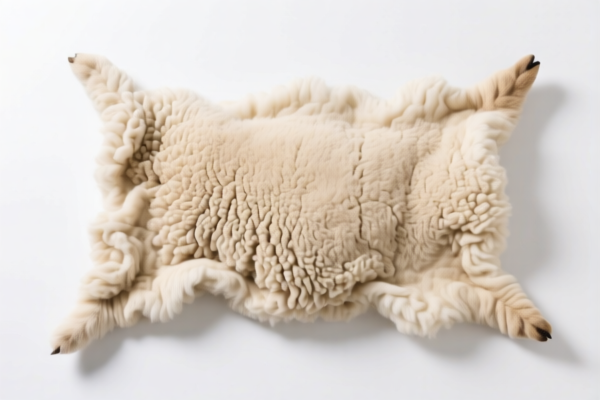
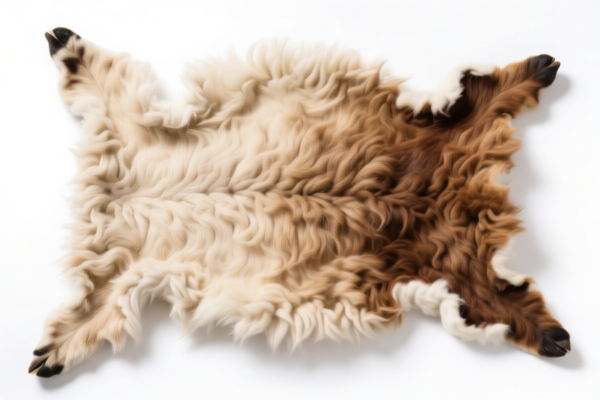
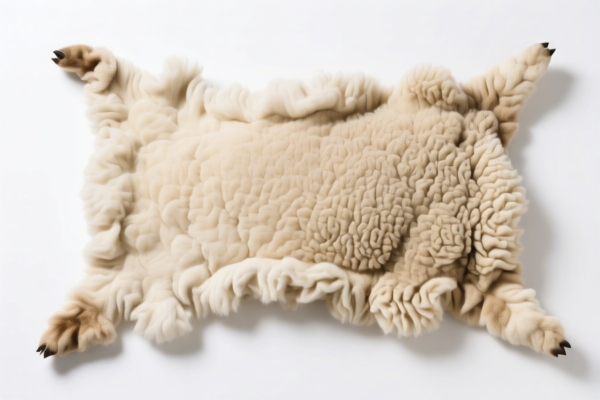
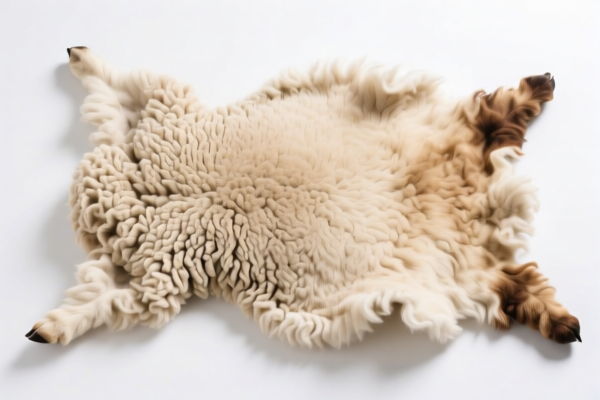
AI Analysis
🐑 Sheep Skin – Dry, Unprocessed (Unworked, Un-tanned)
🌐 HS Code Reference & Customs Clearance Guide | 2026 Latest Tariff Breakdown | Pro-Level Import Strategy
📌 One Product, Multiple HS Codes – Know the Difference to Avoid 17.5%+ Tariff Traps!
📌 一、Product Definition & Classification: What Exactly Is "Dry, Unprocessed Sheep Skin"?
When you import sheep skin in dry, unprocessed condition, it’s not just "raw leather" — it’s a highly regulated agricultural commodity under international trade law. The key distinction lies in whether it’s from lambs or adult sheep, if it’s been pre-tanned, and whether it’s preserved.
⚠️ Critical Clarification:
- Dry, unprocessed sheep skin = no chemical treatment, no tanning, no hair removal, not pre-softened
- If it has any of these — even mild preservation — it may fall under different HS codes with different tariff treatments
📦 二、HS Code Breakdown (2026 Updated Tariff Table)
✅ All codes apply to un-tanned, unprocessed sheep or lamb skins
✅ All carry a total tariff of 17.5%
✅ All are subject to the same 3-tier tax structure
| HS Code | Product Description | Applicable Animal Type | Key Feature |
|---|---|---|---|
4103.90.11.90 |
Sheep skin, dry, unprocessed, fits "other unprepared hides" category | General sheep | Not specified as lamb; may include adult sheep |
4102.29.10.90 |
Sheep skin, hair-on, un-tanned, fits "sheep or lamb raw hides" definition | Sheep or lamb | Includes both adult sheep and lambs |
4103.90.11.30 |
Sheep skin, un-tanned, fits specific animal skin (goat or kid) characteristics | Goat or kid | ⚠️ Common misclassification trap! Not sheep! |
4102.10.10.00 |
Sheep skin, un-tanned, fully meets "un-tanned sheep hide" definition | Sheep | Most precise classification for standard sheep skins |
4102.29.10.90 |
Lamb skin, un-tanned, preserved (e.g., salted, dried) | Lamb (young sheep) | Preserved = still un-tanned but treated for storage |
🔍 Red Flag Alert:
-4103.90.11.30is not for sheep — it’s for goat/kid skins!
- If you’re importing sheep, do NOT use this code — it will trigger customs audit, fines, or rejection.
💰 三、2026 Tariff Breakdown (Detailed Tax Clause Explanation)
✅ Applicable Country: United States (US)
✅ Origin: China (CN)
✅ Effective Date: November 10, 2025 (inclusive)
🎯 1. 4103.90.11.90 — Dry, Unprocessed Sheep Skin (General)
| Tax Component | Rate | Legal Basis | Notes |
|---|---|---|---|
| Base Duty | 0.0% | General Tariff (HTSUS) | No standard duty |
| Additional Duty (Section 301) | +7.5% | USITC Footnote 9903.88.01 | From Section 301 Trade Act (China-specific) |
| Section 122 Duty | +10.0% | IEEPA (International Emergency Economic Powers Act) | Applies to Chinese-origin goods under national security concerns |
| Total Effective Duty | 17.5% | Sum of all components | Non-negotiable |
📌 Legal Pathway:
IEEPA:9903.01.25→IEEPA:9903.01.24→USITC:4103.90.11.90→FOOTNOTE:9903.88.01
🎯 2. 4102.29.10.90 — Sheep or Lamb Skin, Un-tanned, Hair-on
| Tax Component | Rate | Legal Basis | Notes |
|---|---|---|---|
| Base Duty | 0.0% | HTSUS | Standard zero duty |
| Additional Duty (Section 301) | +7.5% | USITC 9903.88.01 | Same as above |
| Section 122 Duty | +10.0% | IEEPA | Applies to all Chinese-origin raw hides |
| Total Effective Duty | 17.5% | Sum of all | Same as above |
📌 Key Insight:
- This code applies to both sheep and lambs — but only if un-tanned and hair-on
- If the skin has any pre-treatment, it may be reclassified → higher risk of duty miscalculation
🎯 3. 4103.90.11.30 — ⚠️ WARNING: NOT FOR SHEEP!
| Tax Component | Rate | Legal Basis | Critical Note |
|---|---|---|---|
| Base Duty | 0.0% | HTSUS | Standard |
| Additional Duty (Section 301) | +7.5% | USITC 9903.88.01 | Applies to goat/kid skins |
| Section 122 Duty | +10.0% | IEEPA | Applies to Chinese-origin animal skins |
| Total Effective Duty | 17.5% | Same rate | But wrong product! |
🚨 Major Risk:
- This code is for goat or kid skins, not sheep
- If you misclassify sheep skin under this code → Customs will reject, impose penalties, or delay shipment
- Do not use this code unless your product is goat/kid skin
🎯 4. 4102.10.10.00 — Pure Un-tanned Sheep Skin (Most Accurate)
| Tax Component | Rate | Legal Basis | Why It’s Best |
|---|---|---|---|
| Base Duty | 0.0% | HTSUS | Zero standard duty |
| Section 301 Duty | +7.5% | USITC 9903.88.01 | Applies to China-origin goods |
| Section 122 Duty | +10.0% | IEEPA | National security-related |
| Total Duty | 17.5% | Final | Most precise for sheep skins |
✅ Best Practice: Use this code for standard sheep skins — it’s the most specific and legally defensible.
🎯 5. 4102.29.10.90 — Preserved Lamb Skin (Salted/Dried)
| Tax Component | Rate | Legal Basis | Key Point |
|---|---|---|---|
| Base Duty | 0.0% | HTSUS | Standard |
| Section 301 Duty | +7.5% | USITC 9903.88.01 | Applies to preserved hides |
| Section 122 Duty | +10.0% | IEEPA | Applies to all preserved animal skins from China |
| Total Duty | 17.5% | Final | Same rate, but only for preserved lamb skins |
📌 Important:
- If the skin has been salted, dried, or chemically preserved for storage → must use this code
- Even if it’s lamb skin, do not use4102.10.10.00— it’s not preserved
- Misclassification = risk of duty underpayment or rejection
🛠️ 四、Customs Clearance Best Practices (Real-World Pro Tips)
✅ 1. Documentation Checklist (Must-Have)
| Document | Required? | Why It Matters |
|---|---|---|
| ✅ Commercial Invoice | ✔️ | Must clearly state: "Dry, Unprocessed Sheep Skin, Un-tanned, Hair-on" |
| ✅ Packing List | ✔️ | Show weight, quantity, packaging type |
| ✅ Bill of Lading | ✔️ | Proves shipment origin & destination |
| ✅ Certificate of Origin (CO) | ✔️ | Required for tariff eligibility |
| ✅ Product Photos (with clear labeling) | ✔️ | Prove hair-on, dry, unprocessed condition |
| ✅ Technical Description (PDF) | ✔️ | Explain processing status: "No tanning, no chemical treatment, no hair removal" |
| ✅ Third-Party Lab Test (Optional) | ✔️ | Confirm absence of tanning agents |
✅ 2.申报技巧 (申报口诀)
🔥 "Hair-on, dry, no tanning — use
4102.10.10.00!
Preserved? →4102.29.10.90.
Goat/kid? →4103.90.11.30.
Sheep? → NEVER use4103.90.11.30!"
| Scenario | Correct HS Code | Wrong Code to Avoid |
|---|---|---|
| Dry, unprocessed sheep skin | 4102.10.10.00 |
4103.90.11.30 |
| Preserved lamb skin | 4102.29.10.90 |
4102.10.10.00 |
| Goat/kid skin | 4103.90.11.30 |
4102.10.10.00 |
| Adult sheep skin | 4103.90.11.90 |
4102.10.10.00 (if not lamb) |
✅ 3. Special Cases & Risk Mitigation
| Situation | Recommended Action |
|---|---|
| Mixed skins (sheep + lamb) | Use 4102.29.10.90 if preserved; 4103.90.11.90 if not |
| Skins with minor salt treatment | Still un-tanned → use 4102.29.10.90 |
| Skins with visible tanning marks | Do NOT declare as unprocessed — reclassify to tanned leather (higher tariff) |
| Import from Vietnam/Mexico | May qualify for IEEPA exemption → 0% Section 122 duty → total duty = 7.5% |
| Need to avoid 17.5%? | Consider re-export to non-US markets or relocate processing to non-China country |
🌍 五、Global Customs Comparison (2026)
| Country | Recommended HS Code | Tariff | Certification | Notes |
|---|---|---|---|---|
| 🇺🇸 USA | 4102.10.10.00 |
17.5% (China) | None (but documentation critical) | High risk of audit |
| 🇨🇳 China | 4102.10.10.00 |
0% | None | Domestic trade |
| 🇪🇺 EU | 4102.10.10.00 |
0% (if origin EU) | CE, REACH | No 301/122 duties |
| 🇦🇺 Australia | 4102.10.10.00 |
0% | RCM | No additional duties |
| 🇯🇵 Japan | 4102.10.10.00 |
0% | PSE | No extra tariffs |
📌 Insight:
- Only the US imposes the 17.5% triple-tax structure
- China-origin goods are the only ones hit by 301 + IEEPA
- Non-China origin = only 7.5% (if 301 applies) → huge savings
📌 六、Common Mistakes & How to Avoid Them (Pro Warnings)
❌ Mistake 1: Using 4103.90.11.30 for sheep skin
👉 Result: Customs rejection, penalty, delay
👉 Fix: Use 4102.10.10.00 for sheep
❌ Mistake 2: Not specifying “un-tanned” and “hair-on” in invoice
👉 Result: Customs may assume tanning occurred → higher tariff risk
👉 Fix: Use exact language in all documents
❌ Mistake 3: Shipping preserved lamb skin as “dry, unprocessed” without preservation note
👉 Result: Misclassification → audit or seizure
👉 Fix: Use 4102.29.10.90 and label clearly
❌ Mistake 4: Assuming all sheep skins are the same
👉 Result: Wrong code → duty underpayment → penalties
👉 Fix: Know sheep vs lamb, preserved vs not preserved
🎯 七、Final Verdict: Accuracy = Savings
🎯 Remember the Golden Rule:
🔹 "Sheep =
4102.10.10.00or4103.90.11.90
🔹 Lamb (preserved) =4102.29.10.90
🔹 Goat/Kid =4103.90.11.30
🔹 Never mix them!🔹 17.5% is non-negotiable in the US for China-origin unprocessed sheep skins
🔹 But you can avoid it by sourcing from Vietnam, Mexico, or EU
📣 Action Now: Protect Your Profit Margin!
📞 Contact a US Customs Broker + Provide:
- Product photos
- Processing description
- Origin proof
- Request Advance Ruling (Pre-Approval) for your HS Code🚀 Your skin is raw, but your strategy must be refined!
✨ Professional Customs, Precise Classification, Maximum Savings!
💼 One wrong code → 17.5% extra cost. One right code → peace of mind.
Customer Reviews
About HS Code Classification
The Harmonized System (HS) is an internationally standardized nomenclature developed by the World Customs Organization (WCO) to classify traded products. Over 200 countries use the HS system as the basis for customs tariffs, trade statistics, and import/export regulations.
Each HS code follows a hierarchical structure:
- Chapter (2 digits) — Broad category of goods (e.g., Chapter 84: Machinery and Mechanical Appliances)
- Heading (4 digits) — More specific grouping within the chapter
- Subheading (6 digits) — Internationally standardized breakdown, used by all WCO member countries
- National subdivisions (8-10 digits) — Country-specific extensions for further classification, such as US HTSUS 10-digit codes
Correct HS code classification is essential for smooth customs clearance, accurate duty payment, and compliance with trade regulations. Misclassification can lead to customs delays, overpayment of duties, or penalties.
When importing from CN to US, the applicable tariff rates may include:
- Most-Favored-Nation (MFN) rate — The standard duty rate applied to WTO members
- General rate — Applied to countries without trade agreements
- Trade remedy duties — Additional tariffs such as Section 301 (anti-dumping), Section 232 (national security), or countervailing duties
The information provided on this page is for reference purposes only. For official classification, please consult with your local customs authority or a licensed customs broker.