steaming basket
CN → US| HS Code | Tariff Rate | Origin | Destination | Doc |
|---|---|---|---|---|
| 7615107180 | 63.1% | CN | US | Official Doc |
| 6912004810 | 19.8% | CN | US | Official Doc |
| 6912002000 | 38.0% | CN | US | Official Doc |
| 7615103025 | 70.6% | CN | US | Official Doc |
| 6911108090 | 38.3% | CN | US | Official Doc |
Product Images
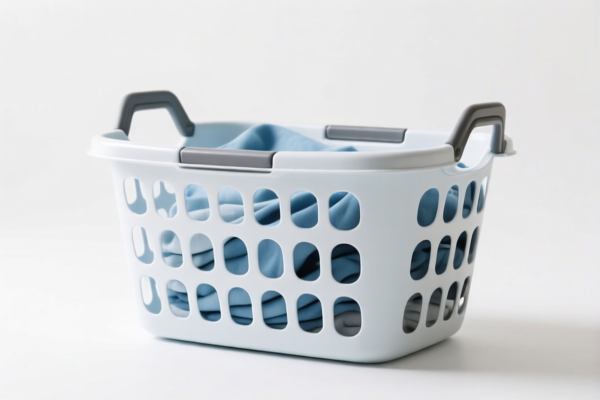
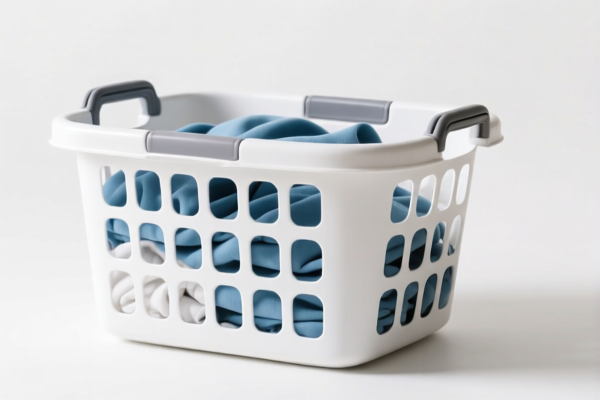
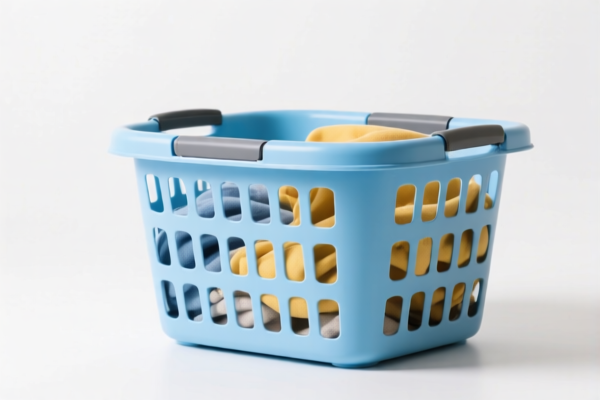
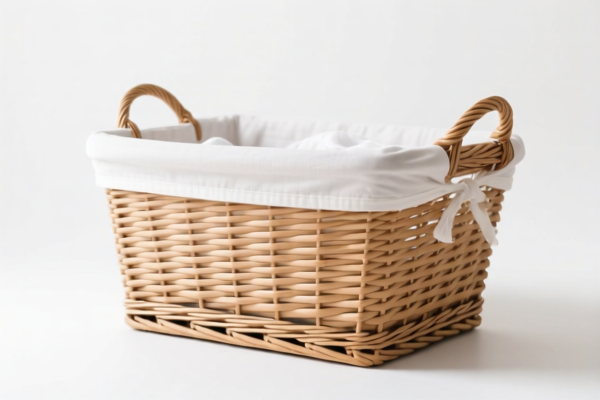
AI Analysis
🥘 Steaming Basket (Kitchen Cookware)
🌐 HS Code Reference & Clearance Guide | 2026 Latest Tariff Analysis | Professional Customs Strategy
📌 I. Product Definition & Classification: What is a "Steaming Basket"?
A Steaming Basket is a kitchen utensil specifically designed for steaming food. In international trade, its classification depends heavily on the material and specific design. The core debate lies between: 1. Metal/Material-based Classification (Chapter 76): If made of aluminum or metal, it falls under kitchen ware of aluminum. 2. Ceramic/Porcelain-based Classification (Chapter 69): If made of ceramic, it falls under ceramic tableware/kitchenware.
⚠️ Key Distinction Point:
- Material is King: Aluminum/Metal → Chapter 76. Ceramic/Porcelain → Chapter 69.
- Function: It is strictly for cooking/steaming, not baking (which might trigger different headings).
📦 II. HS Code Classification Details (2026 Latest Tariff Authority Comparison)
Based on the provided data, here are the 5 possible HS Codes for a "Steaming Basket," categorized by material and specific duty implications.
| HS Code | Product Description | Material Inference | Total Tax Rate | Key Tariff Component |
|---|---|---|---|---|
| 7615.10.71.80 | Aluminum/Metal Kitchen Cookware | Aluminum or Metal | 63.1% | Base 3.1% + 122 Sec: 50% (Al/Steel/Cu) |
| 7615.10.30.25 | Aluminum/Metal Steaming Basket | Aluminum or Metal | 70.6% | Base 3.1% + Sec 301: 7.5% + 122 Sec: 50% |
| 6912.00.48.10 | Ceramic Kitchen Utensil | Ceramic | 19.8% | Base 9.8% + 122 Sec: 10% |
| 6912.00.20.00 | Ceramic Tableware/Hospitality Ware | Ceramic | 38.0% | Base 28.0% + 122 Sec: 10% |
| 6911.10.80.90 | Ceramic Kitchen/Cutlery Item | Porcelain/Ceramic | 38.3% | Base 20.8% + Sec 301: 7.5% + 122 Sec: 10% |
🔍 Critical Observation:
- Metal (Aluminum) baskets face MUCH higher tariffs due to Section 232 (Steel/Aluminum) tariffs.
- Ceramic baskets are significantly cheaper to import but require precise classification between "Tableware" (6912.20) and "Other Kitchenware" (6912.48/6911.10).
💰 III. 2026 Latest Tariff Rate Breakdown (Detailed Clauses)
✅ Applicable Country: United States (US)
✅ Origin: China (CN)
✅ Effective Date: 2025-11-10 onwards (Includes subsequent imports)
🎯 1. Aluminum/Metal Steaming Baskets (Chapter 76)
A. 7615.10.71.80 – Other Aluminum Kitchen Ware
- Inference: General aluminum cookware, not specifically identified as a steamer in the sub-heading, or classified broadly.
- Tax Breakdown:
- Base Rate: 3.1%
- Section 301 (122): 0.0% (Not explicitly listed in this specific bin for 301, but see below)
- Section 232 (Steel/Aluminum/Copper): 50%
- Total: 63.1%
- Formula: CIF Value × 63.1%
B. 7615.10.30.25 – Aluminum Steaming Baskets (Specific)
- Inference: Specifically identified as a steaming basket (蒸笼篮).
- Tax Breakdown:
- Base Rate: 3.1%
- Section 301: 7.5%
- Section 232 (Steel/Aluminum/Copper): 50%
- Total: 70.6%
- Formula: CIF Value × 70.6%
- Warning: This is the highest tax burden. The combination of Section 301 and Section 232 is devastating for aluminum products.
📌 Explanation:
- Section 232 (50%): Applies to aluminum products under HTS 7615 due to national security tariffs.
- Section 301 (7.5%): Applies to Chinese goods.
- Result: Metal steaming baskets are extremely expensive to clear. Avoid if possible, or source from non-China origins.
🎯 2. Ceramic/Porcelain Steaming Baskets (Chapter 69)
A. 6912.00.48.10 – Ceramic Kitchen Utensils (Other)
- Inference: Ceramic material, shaped for kitchen use (food contact), not specifically tableware.
- Tax Breakdown:
- Base Rate: 9.8%
- Section 301: 0.0%
- Section 232: Not applicable (Ceramic).
- Section 122 (New Clause): 10%
- Total: 19.8%
- Formula: CIF Value × 19.8%
- Recommendation: Lowest Tax Rate Option. Best for cost optimization.
B. 6912.00.20.00 – Ceramic Tableware/Hospitality Ware
- Inference: Classified as "Other" hotel/restaurant ware, potentially implying tableware characteristics.
- Tax Breakdown:
- Base Rate: 28.0%
- Section 301: 0.0%
- Section 122: 10%
- Total: 38.0%
- Formula: CIF Value × 38.0%
C. 6911.10.80.90 – Porcelain Kitchen Ware
- Inference: Specifically Porcelain (higher grade than general ceramic), used in kitchen/dining.
- Tax Breakdown:
- Base Rate: 20.8%
- Section 301: 7.5%
- Section 122: 10%
- Total: 38.3%
- Formula: CIF Value × 38.3%
📌 Note on Section 122:
- This appears to be a new or specific duty clause referenced in the data ("122条款关税10%"). It applies to both ceramic and metal goods in this dataset.
- Ceramic avoids Section 232 (50%), making it vastly superior to aluminum in terms of duty.
🛠️ IV. Customs Clearance Practical Advice (Pitfall Avoidance Guide)
✅ 1. Material Verification is Critical
| Scenario | Correct HS Code | Risk if Misclassified |
|---|---|---|
| Aluminum Basket | 7615.10.30.25 or 7615.10.71.80 |
Risk of 70.6% tax. High Risk. |
| Ceramic Basket | 6912.00.48.10 |
Aim for 19.8%. Optimal. |
| Porcelain Basket | 6911.10.80.90 |
Expect 38.3%. Moderate cost. |
| Mixed Material (e.g., Ceramic with Metal Rim) | Likely 7615... or 6912... depending on principal material |
Customs may reclassify as Metal → 63-70% tax! |
✅ 2. Documentation Checklist (Must-Haves)
| Document | Required? | Purpose |
|---|---|---|
| ✅ Product Material Composition Sheet | ✔️ | Critical. Proves if it is Ceramic vs. Aluminum. Must specify "100% Ceramic" or "Aluminum Alloy 6061". |
| ✅ Product Photos | ✔️ | Show the steaming function (perforated bottom, stackable design). |
| ✅ Commercial Invoice | ✔️ | Clearly state "Ceramic Steaming Basket" or "Aluminum Steaming Basket". |
| ✅ Material Test Report | ✔️ | Optional but recommended for mixed materials to prove ceramic content > 50%. |
✅ 3. Classification Strategy (Pro Tips)
🔥 "Material First, Function Second!"
| Strategy | Action | Outcome |
|---|---|---|
| Cost Optimization | Use Ceramic baskets. Classify under 6912.00.48.10. |
19.8% Tax. Lowest duty. |
| Avoid Aluminum | Do NOT ship Aluminum steaming baskets from China. | Tax jumps to 63-70% due to Sec 232. |
| Precise Description | Use "Ceramic Kitchen Steamer" not just "Steaming Basket". | Helps customs officer choose 6912 over generic categories. |
| Mixed Materials | If handle is wood/bamboo and body is ceramic, ensure ceramic is principal material. | Keeps it in Chapter 69. If metal handle dominates, risk Chapter 76. |
🌍 V. Global Market Comparison (2026 Update)
| Region | Recommended HS Code | Est. Tax Rate | Notes |
|---|---|---|---|
| 🇺🇸 USA | 6912.00.48.10 (Ceramic) |
19.8% | Best Option. Avoid Aluminum (7615) due to 50% Sec 232. |
| 🇺🇸 USA | 7615.10.30.25 (Aluminum) |
70.6% | Punitive. Only consider if no ceramic alternative. |
| 🇪🇺 EU | 6912 or 7615 |
Varies (0-7.5%) | EU has lower steel/aluminum tariffs but may have VAT. |
| 🇨🇳 China | Same HS Codes | Lower Base Rates | No Section 232/301. |
📌 VI. Common Errors & Pitfalls (Lessons Learned)
❌ Error 1: Shipping Aluminum Steaming Baskets without checking Section 232.
👉 Consequence: Surprised by 50% additional duty. Total cost increases by nearly half.
❌ Error 2: Declaring Ceramic baskets as "Kitchen Utensils" broadly.
👉 Consequence: Customs may apply higher base rates (28% vs 9.8%). Always specify "Ceramic".
❌ Error 3: Mixing Metal and Ceramic without clear description.
👉 Consequence: Customs may rule "Principal Material is Metal" → Apply 63-70% tax.
✅ Correct Approach:
"Ceramic Steaming Basket, 100% Porcelain, Stackable Design, Food Grade, Model XYZ"
🎯 VII. Conclusion: Professional Clearance, Cost Savings!
🎯 Key Takeaway:
🔹 Ceramic is King:
6912.00.48.10at 19.8% is the optimal choice.
🔹 Aluminum is Enemy:7615codes incur 63-70% due to Section 232.
🔹 Material Proof is Key: Provide a material certificate to lock in the lower ceramic classification.
📌 Pro Tip:
If you must use aluminum for durability, consider sourcing from Vietnam, Mexico, or Thailand to avoid Section 232/301 tariffs (if applicable rules allow).
For ceramic, ensure the product is clearly non-tableware (kitchen use) to avoid the 28% base rate of 6912.20.
📣 Immediate Action:
📞 Contact your customs broker with material composition certificates.
🚀 Switch to Ceramic if possible to save ~50% in duties.
✨ Precision in Classification Saves Thousands!
Customer Reviews
About HS Code Classification
The Harmonized System (HS) is an internationally standardized nomenclature developed by the World Customs Organization (WCO) to classify traded products. Over 200 countries use the HS system as the basis for customs tariffs, trade statistics, and import/export regulations.
Each HS code follows a hierarchical structure:
- Chapter (2 digits) — Broad category of goods (e.g., Chapter 84: Machinery and Mechanical Appliances)
- Heading (4 digits) — More specific grouping within the chapter
- Subheading (6 digits) — Internationally standardized breakdown, used by all WCO member countries
- National subdivisions (8-10 digits) — Country-specific extensions for further classification, such as US HTSUS 10-digit codes
Correct HS code classification is essential for smooth customs clearance, accurate duty payment, and compliance with trade regulations. Misclassification can lead to customs delays, overpayment of duties, or penalties.
When importing from CN to US, the applicable tariff rates may include:
- Most-Favored-Nation (MFN) rate — The standard duty rate applied to WTO members
- General rate — Applied to countries without trade agreements
- Trade remedy duties — Additional tariffs such as Section 301 (anti-dumping), Section 232 (national security), or countervailing duties
The information provided on this page is for reference purposes only. For official classification, please consult with your local customs authority or a licensed customs broker.