unsheared wool
CN → US| HS Code | Tariff Rate | Origin | Destination | Doc |
|---|---|---|---|---|
| 5101307000 | 0.0% | CN | US | Official Doc |
| 5105100000 | 0.0% | CN | US | Official Doc |
| 5103200000 | 0.0% | CN | US | Official Doc |
| 5101111000 | 35.0% | CN | US | Official Doc |
| 5101191000 | 35.0% | CN | US | Official Doc |
Product Images
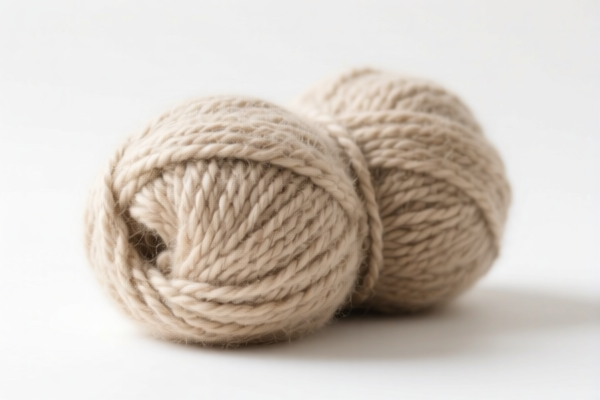
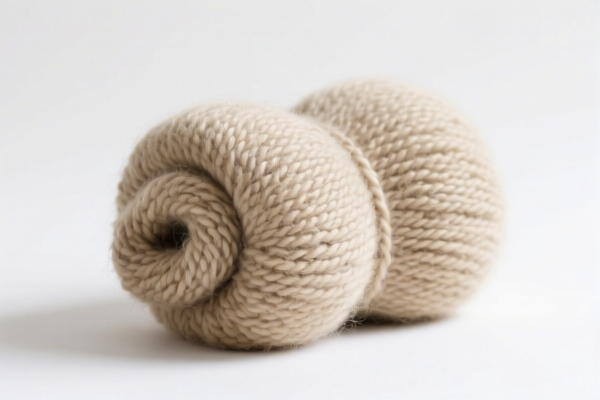
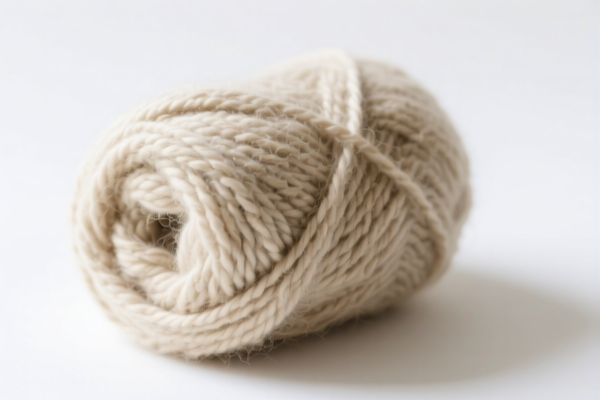
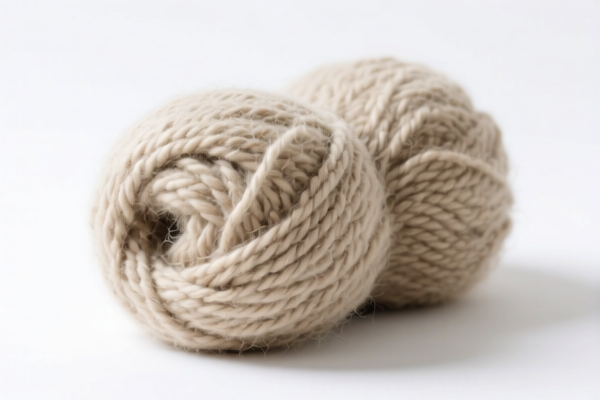
AI Analysis
🐑 Unsheared Wool (Raw Wool)
🌐 HS Code Reference & Customs Clearance Guide | 2026 Latest Tariff Analysis | Professional Clearance Strategy
📌 I. Product Definition & Classification: Do You Really Understand "Unsheared Wool"?
"Unsheared Wool" generally refers to raw wool that has not been washed, scoured, or chemically treated, often containing natural impurities like lanolin, suint (dried sweat), dirt, and vegetable matter. In international trade, its classification is strictly determined by its physical form (scoured, carded, combed) and processing status.
⚠️ Critical Distinction:
- If the wool is scoured, cleaned, or chemically treated (removing lanolin/dirt) → It is no longer "unsheared/raw" in the strictest sense but falls under Carded/Combed Wool (HS 5105) or Wool Tops.
- If the wool is raw, dirty, or minimally processed (only dried or loosely cleaned) → It falls under Raw Wool (HS 5101/5102).
- Key Rule: The term "Unsheared" in customs data often implies "Raw" or "Not Scoured." However, if the description mentions "Carded" or "Combed," it may shift to HS 5105.
📦 II. HS Code Classification Details (2026 Latest Tariff Authority Comparison)
Based on the provided data, here are the specific HS Codes for Raw/Unsheared Wool variants:
| HS Code | Product Description | Application Scenario | Processing Status |
|---|---|---|---|
5101.30.70.00 |
Wool, not carded or combed; Other Raw Wool | Raw wool with high impurity levels; unsorted; bulk raw material | ❌ Not Carded/Combed |
5105.10.00.00 |
Wool Tops / Carded Wool | Wool that has been carded or combed; cleaned but not spun | ✅ Carded/Combed |
5103.20.00.00 |
Wool Waste | Slivers, noils, garnetted wool, or waste from processing raw wool | ⚠️ By-product/Waste |
5101.11.10.00 |
Wool, Not Scoured, Not Carded/Combed | Raw sheep shearing; directly shorn; unsorted | ❌ Raw & Unprocessed |
5101.19.10.00 |
Other Raw Wool, Not Scoured | Raw wool, unsorted, or partially cleaned; excludes tops/waste | ❌ Raw & Unprocessed |
🔍 Key Reminder:
- "Unsheared" in commercial invoices must match the physical state. If it’s dirty/raw → HS 5101.
- If it’s cleaned/scoured but still raw (not spun) → It might still fall under HS 5101 or shift to HS 5105 depending on refinement.
- Wool Waste (HS 5103) applies only to by-products, not primary raw wool.
💰 III. 2026 Latest Tariff Rate Breakdown (Including Surtaxes & Policy Add-ons)
✅ Applicable Country: United States (US)
✅ Origin: China (CN)
✅ Effective Date: November 10, 2025 (and subsequent imports)
🎯 1. 5101.30.70.00 — Raw Wool, Not Carded/Combed (High Impurity)
| Item | Content |
|---|---|
| Base Duty | 6.5¢/kg + 5.3% (Specific + Ad Valorem) |
| Section 301 Surtax | +25.0% |
| Section 122 Tariff | +10.0% |
| Total Effective Rate | ~35.0% + 6.5¢/kg + 5.3% (Combined) |
| Tax Calculation | (CIF Value × 35%) + (Weight × 6.5¢/kg) + (CIF Value × 5.3%) |
| De Minimis Eligibility | ❌ Not Eligible (Declarant: High-value raw material) |
| Legal Basis Path | Section 301:9903.01.24 → Section 122:9903.01.25 → USITC:5101.30.70.00 |
📌 Explanation:
- Section 301 (25%): Trump-era tariffs on Chinese raw materials; still in effect.
- Section 122 (10%): National security tariffs on wool (Bipartisan Support); active since 2024.
- Base Duty (6.5¢/kg + 5.3%): Specific duty per kg + ad valorem.
- Total Burden: High. Raw wool imports from China face cumulative taxes.
🎯 2. 5105.10.00.00 — Carded/Combed Wool (Processed Raw Wool)
| Item | Content |
|---|---|
| Base Duty | 6.5¢/kg + 5.3% |
| Section 301 Surtax | +25.0% |
| Section 122 Tariff | +10.0% |
| Total Effective Rate | ~35.0% + 6.5¢/kg + 5.3% |
| De Minimis Eligibility | ❌ Not Eligible |
| Legal Basis Path | Section 301:9903.01.24 → Section 122:9903.01.25 → USITC:5105.10.00.00 |
📌 Note:
- Even if "carded," if it’s still considered "raw wool" variant, it retains similar tax structure.
- Crucial: Misdeclaring as "carded" to avoid Section 122? Risk of Audit. Section 122 often covers all wool products.
🎯 3. 5103.20.00.00 — Wool Waste
| Item | Content |
|---|---|
| Base Duty | 2.6¢/kg |
| Section 301 Surtax | +25.0% |
| Section 122 Tariff | +10.0% |
| Total Effective Rate | ~35.0% + 2.6¢/kg |
| De Minimis Eligibility | ❌ Not Eligible |
| Legal Basis Path | Section 301:9903.01.24 → Section 122:9903.01.25 → USITC:5103.20.00.00 |
📌 Explanation:
- Lower base duty (2.6¢/kg) due to "waste" status.
- Still subject to 35% combined surtaxes.
🎯 4. 5101.11.10.00 & 5101.19.10.00 — Raw Wool, Not Scoured
| Item | Content |
|---|---|
| Base Duty | 0.0% |
| Section 301 Surtax | +25.0% |
| Section 122 Tariff | +10.0% |
| Total Effective Rate | 35.0% |
| De Minimis Eligibility | ❌ Not Eligible |
| Legal Basis Path | Section 301:9903.01.24 → Section 122:9903.01.25 → USITC:5101.11.10.00 / 5101.19.10.00 |
📌 Critical Point:
- No base duty, but 35% total surtax makes it expensive.
- Section 122 is the killer here: It imposes a 10% tariff on all wool imports from China, regardless of base rate.
🛠️ IV. Customs Clearance Practical Advice (Avoid Pitfalls)
✅ 1. Required Documents (Non-Negotiable)
| Document | Must Provide | Explanation |
|---|---|---|
| ✅ Commercial Invoice | ✔️ | Must specify "Raw Wool," "Not Scoured," "Origin: China" |
| ✅ Packing List | ✔️ | Weight details (Gross/Net) are critical for Specific Duty (¢/kg) |
| ✅ Certificate of Origin | ✔️ | Proof of Chinese origin triggers Section 301 & 122 |
| ✅ Lab Test Report | ✔️ | Prove wool content (%), impurity levels, lanolin content |
| ✅ Bill of Lading | ✔️ | Clean title, no liens |
| ✅ Import License | ❓ | Check if wool requires special USDA/FDA clearance |
✅ 2. Declaration Tips (Key Mantra)
🔥 "State Raw, Not Scoured; Specify Weight, Avoid Penalty!"
| Scenario | Correct Declaration | Wrong Practice |
|---|---|---|
| Raw, dirty wool | 5101.11.10.00 (Raw, Not Scoured) |
Declare as "Carded" → Audit Risk |
| Cleaned but not spun | 5105.10.00.00 (Carded Wool) |
Declare as "Raw" → Misclassification |
| Wool waste/slivers | 5103.20.00.00 (Wool Waste) |
Declare as "Raw Wool" → Higher Duty |
| Mixed Origin | Clearly split by HS Code | Blended declaration → Seizure |
✅ 3. Special Handling
| Situation | Handling Advice |
|---|---|
| High Impurity Wool | Provide impurity % data to justify base duty calculations |
| Section 122 Exemption? | ❌ No Exemption for China-origin wool under Section 122 |
| De Minimis (800 USD)? | ❌ Not Eligible for wool products (High-risk category) |
| Wool from Vietnam/Mexico? | ✅ Check FTA/Trade Agreements for lower tariffs (Section 122 may still apply) |
🌍 V. Global Market Comparison (2026 Latest)
| Country/Region | Recommended HS Code | Tariff (China Origin) | Notes |
|---|---|---|---|
| 🇺🇸 USA | 5101.11.10.00 / 5101.30.70.00 |
35% + Specific Duty | Section 122 & 301 apply |
| 🇨🇳 China | 5101.11.10.00 |
0% (Import Duty) | No Section 122 equivalent |
| 🇪🇺 EU | 5101.11.10.00 |
0-4% (MFN) | No Section 122; Check Anti-Dumping |
| 🇬🇧 UK | 5101.11.10.00 |
0-4% | Post-Brexit Tariffs |
| 🇦🇺 Australia | 5101.11.10.00 |
5% | No Section 122 |
📌 Conclusion:
- USA is the most expensive market for Chinese raw wool due to Section 122 (10%) and Section 301 (25%).
- EU/UK have lower tariffs but may have anti-dumping duties or environmental regulations.
- Strategy: Consider sourcing from New Zealand/Australia (better quality, no Section 122) if targeting US market.
📌 VI. Common Mistakes & Pitfalls (Blood Lessons)
❌ Mistake 1: Declaring "Raw Wool" as "Carded Wool" to avoid Section 122
👉 Consequence: If lab test shows high impurity → Seizure + Fine
❌ Mistake 2: Ignoring Specific Duty (¢/kg)
👉 Consequence: Underpayment → Back Taxes + Interest (HS 5101.30.70.00 has 6.5¢/kg)
❌ Mistake 3: Using De Minimis (800 USD) for Wool
👉 Consequence: Shipment Blocked (Wool is excluded from de minimis)
❌ Mistake 4: Not Specifying "Not Scoured" on Invoice
👉 Consequence: Customs may classify as "Scoured Wool" → Higher Base Duty
✅ Correct Practice:
"Raw Sheep Wool, Not Scoured, Not Carded, Origin: China, Weight: 10,000 KG, HS: 5101.11.10.00"
🎯 VII. Conclusion: Precise Declaration, Lower Risk, Higher Profit!
🎯 Remember the Mantra:
🔹 "Raw Wool: 35% Total Tax (Section 122+301)"
🔹 "Wool Waste: 35% + Lower Base Duty"
🔹 "No De Minimis for Wool – Declare Everything!"
📌 Pro Tip:
If your wool is not from China, check USMCA (Canada/Mexico) or NZ-USA agreements for potential exemptions.
Always request a Pre-Ruling from CBP for large wool shipments.
📣 Immediate Action:
📞 Contact a Licensed Customs Broker + Provide Lab Test Report + Apply for CBP Pre-Ruling
🚀 Ensure your wool clears smoothly, avoids penalties, and maximizes profit!
✨ Professional Clearance Starts with Accurate Classification!
💼 Every Cent Saved Counts in the Wool Trade!
Customer Reviews
About HS Code Classification
The Harmonized System (HS) is an internationally standardized nomenclature developed by the World Customs Organization (WCO) to classify traded products. Over 200 countries use the HS system as the basis for customs tariffs, trade statistics, and import/export regulations.
Each HS code follows a hierarchical structure:
- Chapter (2 digits) — Broad category of goods (e.g., Chapter 84: Machinery and Mechanical Appliances)
- Heading (4 digits) — More specific grouping within the chapter
- Subheading (6 digits) — Internationally standardized breakdown, used by all WCO member countries
- National subdivisions (8-10 digits) — Country-specific extensions for further classification, such as US HTSUS 10-digit codes
Correct HS code classification is essential for smooth customs clearance, accurate duty payment, and compliance with trade regulations. Misclassification can lead to customs delays, overpayment of duties, or penalties.
When importing from CN to US, the applicable tariff rates may include:
- Most-Favored-Nation (MFN) rate — The standard duty rate applied to WTO members
- General rate — Applied to countries without trade agreements
- Trade remedy duties — Additional tariffs such as Section 301 (anti-dumping), Section 232 (national security), or countervailing duties
The information provided on this page is for reference purposes only. For official classification, please consult with your local customs authority or a licensed customs broker.