Herringbone Tread Pneumatic Tires (Rim Size Exceeding 61 cm)
CN → US| HS Code | Tariff Rate | Origin | Destination | Doc |
|---|---|---|---|---|
| 4011801020 | 35.0% | CN | US | Official Doc |
| 4011808020 | 38.4% | CN | US | Official Doc |
Product Images
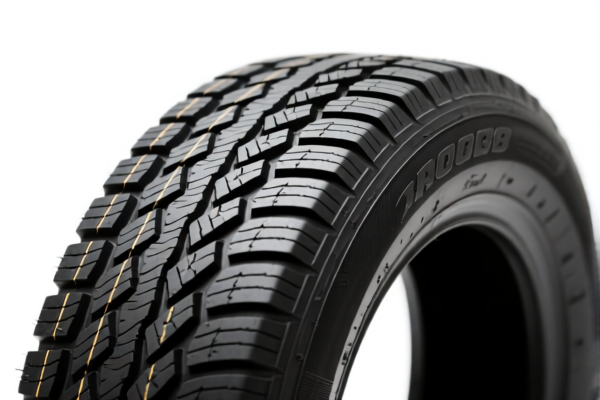
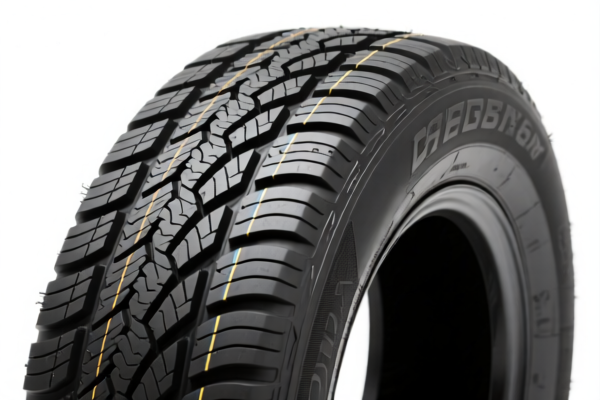
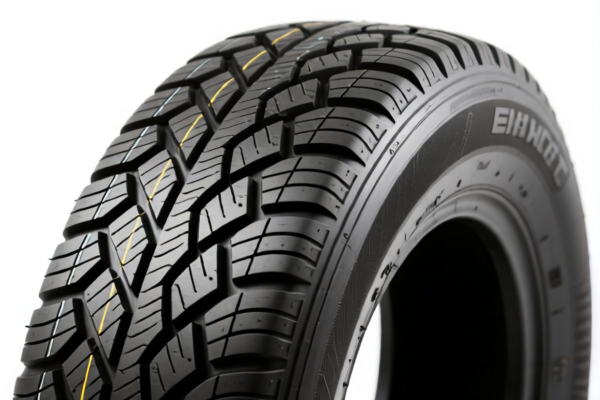
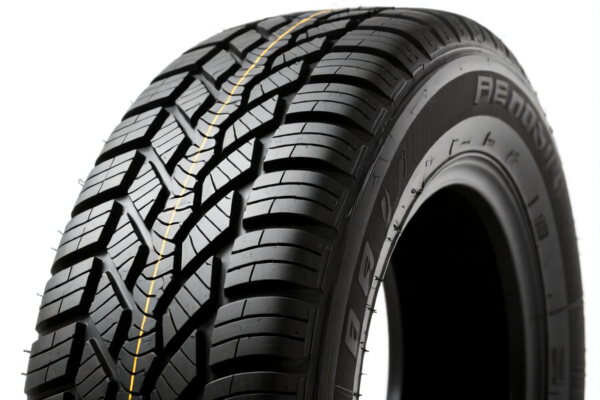
AI Analysis
🚛 Heavy-Duty Herringbone Pneumatic Tires (Rim Size > 61 cm)
🌐 HS Code Reference & Customs Clearance Guide | 2026 Latest Tariff Analysis | Professional通关 Strategy
📌 1. Product Definition: What Exactly Are "Herringbone Tires"?
Herringbone tread tires are specialized new pneumatic rubber tires designed specifically for construction, mining, and industrial handling vehicles and machines (e.g., excavators, wheel loaders, heavy-duty forklifts).
⚠️ Key Distinction:
- These are NOT standard road vehicle tires (cars/trucks); they belong to HS Chapter 40 (Rubber and Articles Thereof).
- The "Herring-bone" or similar tread is a critical identifier for specific sub-categories, often chosen for superior traction in soft/muddy terrains (mining/construction sites).
- Rim Size > 61 cm is a major threshold that separates these from smaller industrial tires.
📦 2. HS Code Classification Details (2026 Latest Tariff Authority)
Based on the provided data, there are two specific HS Codes for this product, depending on the exact tread pattern classification:
| HS Code | Product Description | Key Feature | Tax Rate (US Import from China) |
|---|---|---|---|
| 4011.80.10.20 | New pneumatic tires, of rubber: Of a kind used on construction, mining or industrial handling vehicles and machines: Having a "herring-bone" or similar tread: Having a rim size exceeding 61 cm | ✅ Herringbone Tread | 25.0% |
| 4011.80.80.20 | New pneumatic tires, of rubber: Of a kind used on construction, mining or industrial handling vehicles and machines: Other: Other: Having a rim size exceeding 61 cm | ❌ Non-Herringbone (Other tread) | 28.4% |
🔍 Critical Note:
- HS 4011.80.10.20 is for tires with "herring-bone" or similar tread.
- HS 4011.80.80.20 is for "Other" tread patterns (e.g., block, lug, or other non-herringbone designs).
- Both apply to tires with rim size > 61 cm.
- Do NOT confuse with smaller tires (≤ 61 cm) or older/retreaded tires.
💰 3. 2026 Latest Tariff Rate Breakdown (Detailed Tax Clause)
✅ Applicable Country: United States (US)
✅ Origin: China (CN)
✅ Effective Date: 2025 onwards (Current trade policy)
🎯 1. 4011.80.10.20 —— Herringbone Tread Tires (Rim > 61 cm)
| Item | Content |
|---|---|
| Base Tariff | 0.0% (ad valorem) |
| Additional Tariff (Section 301) | +25.0% |
| Total Effective Tax Rate | 25.0% |
| Tax Calculation | CIF Value × 25.0% |
| De Minimis Exemption? | ❌ No (High-value industrial goods) |
| Legal Basis | USITC HTS 4011.80.10.20 + Section 301 Footnote |
📌 Explanation:
- The base duty is 0%, which might seem attractive, but the 25% Section 301 tariff applies specifically to Chinese-origin goods in this category.
- This is a flat 25% surcharge on top of the 0% base.
- Total Cost Impact: 25% of the CIF value.
🎯 2. 4011.80.80.20 —— Other Tread Tires (Rim > 61 cm)
| Item | Content |
|---|---|
| Base Tariff | 3.4% (ad valorem) |
| Additional Tariff (Section 301) | +25.0% |
| Total Effective Tax Rate | 28.4% |
| Tax Calculation | CIF Value × 28.4% |
| De Minimis Exemption? | ❌ No |
| Legal Basis | USITC HTS 4011.80.80.20 + Section 301 Footnote |
📌 Explanation:
- The base duty is 3.4%, which is higher than herringbone tires.
- The 25% Section 301 tariff is added on top of the base duty.
- Total Cost Impact: 28.4% of the CIF value.
- ⚠️ Higher Cost: Choosing the wrong HS code (e.g., misclassifying herringbone as "other") results in a 3.4% higher tax burden.
🛠️ 4. Customs Clearance Practical Advice (Pitfall Avoidance)
✅ 1. Documentation Checklist (Mandatory)
| Document | Required | Description |
|---|---|---|
| ✅ Commercial Invoice | ✔️ | Must clearly state: "New Pneumatic Rubber Tires, Herringbone Tread, Rim Size > 61 cm, For Mining/Construction Use" |
| ✅ Packing List | ✔️ | List quantity, weight, dimensions per tire |
| ✅ Product Photographs | ✔️ | Clear images showing tread pattern (to prove herringbone vs. other) and rim size |
| ✅ Technical Specification Sheet | ✔️ | Confirm rim size, load index, speed rating, and intended use (construction/mining) |
| ✅ Certificate of Origin | ✔️ | Essential for proving Chinese origin (triggers 301 tariffs) |
| ✅ USDA/APHIS Form (if wooden packaging) | ✔️ | If tires are shipped on wooden pallets, phytosanitary cert is required |
✅ 2. Classification Tips (Crucial!)
🔥 “Know Your Tread, Save Your Money!”
| Scenario | Correct HS Code | Tax Rate | Risk if Wrong |
|---|---|---|---|
| Tread is Herringbone or Similar | 4011.80.10.20 |
25.0% | If misclassified as "Other" → Pay 28.4% (Overpayment) |
| Tread is Block/Lug/Other | 4011.80.80.20 |
28.4% | If misclassified as "Herringbone" → Underpayment → Penalties + Back Taxes |
| Rim Size ≤ 61 cm | Different HS Code (e.g., 4011.80.10.10/80.10) | Different Rates | Do NOT use >61 cm codes → Classification Error |
| Used/Retreaded Tires | Different HS Code (4012.xx) | Different Rates | Must declare as "New" if not, or face fraud charges |
✅ 3. Special Cases & Handling
| Situation | Recommendation |
|---|---|
| OEM Tires for Specific Machines | Provide machine manufacturer’s spec sheet to prove intended use (construction/mining) |
| Mixed Shipments | Separate herringbone and non-herringbone tires into different lines on the commercial invoice for clear classification |
| Rim Size Verification | Measure the rim diameter accurately. >61 cm is the cutoff. If in doubt, use the higher tax code to avoid penalties |
| Anti-Dumping/Countervailing Duties | Check if specific Chinese tire manufacturers are subject to AD/CVD. Generally, construction tires have fewer AD/CVD cases than truck tires, but verify |
🌍 5. Global Market Comparison (2026)
| Country/Region | Recommended HS Code | Tax Rate (China Origin) | Notes |
|---|---|---|---|
| 🇺🇸 USA | 4011.80.10.20 / 4011.80.80.20 |
25.0% / 28.4% | High tariffs due to Section 301 |
| 🇨🇳 China | 4011.80.10.20 / 4011.80.80.20 |
5% - 8% | Lower base tariffs, no Section 301 |
| 🇪🇺 EU | 4011.80.10 / 4011.80.80 |
0% - 2.5% | No major additional tariffs on industrial tires |
| 🇦🇺 Australia | 4011.80.10 / 4011.80.80 |
5% | No additional duties |
| 🇯🇵 Japan | 4011.80.10 / 4011.80.80 |
0% - 3% | Favorable for industrial goods |
📌 Conclusion:
- USA is the most expensive market for these tires due to the 25% Section 301 tariff.
- EU, Japan, and Australia offer significantly lower duty costs.
- Strategy: If targeting the US market, accurate classification is critical to avoid overpaying 3.4% by misidentifying the tread pattern.
📌 6. Common Mistakes & Pitfall Guide (Lessons Learned)
❌ Mistake 1: Calling all large industrial tires "Herringbone"
👉 Result: Paying 25% when you should pay 28.4%? No, the reverse! If you claim "Herringbone" but it’s "Other", you underpay 3.4%, leading to penalties and back taxes + interest.
❌ Mistake 2: Ignoring Rim Size
👉 Result: Using HS codes for ≤61 cm tires. This is a major classification error and can lead to shipment detention or refusal.
❌ Mistake 3: Not specifying "Construction/Mining" Use
👉 Result: Customs may reclassify as "Truck/Bus Tires" (HS 4011.20), which have different tax rates (often higher or subject to different anti-dumping duties).
✅ Correct Declaration Example:
"NEW PNEUMATIC RUBBER TIRES, HERRINGBONE TREAD, RIM SIZE 25 INCHES (>61 CM), FOR WHEEL LOADERS, MODEL XYZ, CHINA ORIGIN"
🎯 7. Conclusion: Precise Classification Saves Money!
🎯 Remember the Golden Rule:
🔹 "Herringbone = 25%, Other = 28.4%."
🔹 "Rim > 61 cm is mandatory for these codes."
🔹 "Prove the tread pattern with photos!"
📌 Pro Tip:
- Always photograph the tire tread clearly to prove it is "Herringbone" or "Similar" if claiming the lower 25% rate.
- If the tread is ambiguous, consult a customs broker to avoid 28.4% or penalties.
- For high-volume imports, consider applying for a Binding Ruling from US Customs to lock in the correct HS code.
📣 Immediate Action:
📞 Contact a licensed customs broker + Provide Tire Photos + Verify Rim Size
🚀 Ensure smooth US customs clearance and optimize your duty costs!
✨ Precision in Classification, Profit in Clearance!
💼 Every percentage point matters in global trade!
Customer Reviews
About HS Code Classification
The Harmonized System (HS) is an internationally standardized nomenclature developed by the World Customs Organization (WCO) to classify traded products. Over 200 countries use the HS system as the basis for customs tariffs, trade statistics, and import/export regulations.
Each HS code follows a hierarchical structure:
- Chapter (2 digits) — Broad category of goods (e.g., Chapter 84: Machinery and Mechanical Appliances)
- Heading (4 digits) — More specific grouping within the chapter
- Subheading (6 digits) — Internationally standardized breakdown, used by all WCO member countries
- National subdivisions (8-10 digits) — Country-specific extensions for further classification, such as US HTSUS 10-digit codes
Correct HS code classification is essential for smooth customs clearance, accurate duty payment, and compliance with trade regulations. Misclassification can lead to customs delays, overpayment of duties, or penalties.
When importing from CN to US, the applicable tariff rates may include:
- Most-Favored-Nation (MFN) rate — The standard duty rate applied to WTO members
- General rate — Applied to countries without trade agreements
- Trade remedy duties — Additional tariffs such as Section 301 (anti-dumping), Section 232 (national security), or countervailing duties
The information provided on this page is for reference purposes only. For official classification, please consult with your local customs authority or a licensed customs broker.