Printed Satin Fabric (Dyed)
CN → US| HS Code | Tariff Rate | Origin | Destination | Doc |
|---|---|---|---|---|
| 5407820040 | 49.9% | CN | US | Official Doc |
| 5407922050 | 49.9% | CN | US | Official Doc |
| 5512990040 | 47.0% | CN | US | Official Doc |
| 5408349050 | 47.0% | CN | US | Official Doc |
| 6006340080 | 45.0% | CN | US | Official Doc |
Product Images
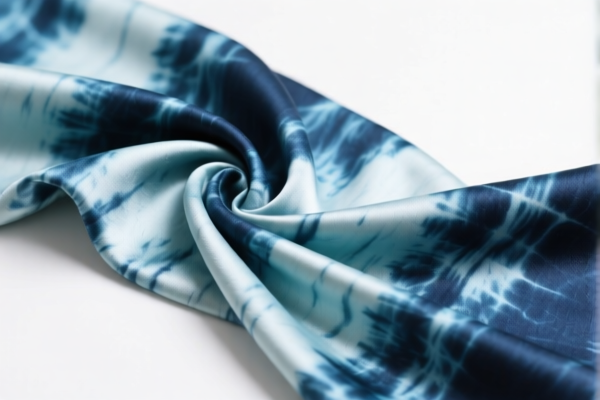
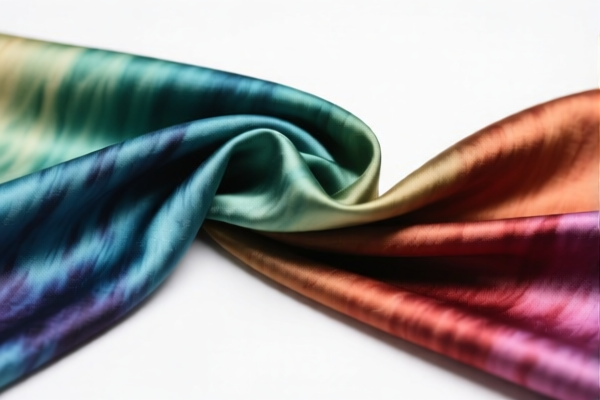
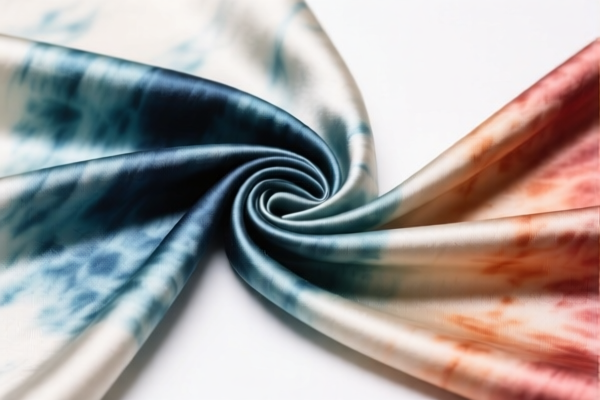

AI Analysis
🧵 Printed Satin Fabric (Dyed) | Textile Import Intelligence Report
🌐 HS Code Classification & Customs Clearance Guide | 2026 Tariff Analysis | Strategic Entry Strategy for US Imports
📌 I. Product Definition & Classification Logic: Decoding "Satin"
"Printed Satin Fabric (Dyed)" is a versatile textile widely used in apparel, home textiles, and linings. In international trade, the classification hinges on three critical factors: 1. Fiber Content: Is it synthetic (polyester, nylon) or natural (silk, rayon)? Satin is a weave structure, not a fiber. However, commercial "satin" is predominantly made from synthetic filaments (Polyester) due to cost and durability. 2. Weave Structure: Satin refers to the weaving pattern (long floats). 3. Processing Method: Printed (印花) vs. Dyed (染色).
⚠️ Critical Distinction:
- If the fabric is made of Synthetic Filament Yarns (e.g., Polyester), it falls under Chapter 54.
- If the fabric is made of Staple Fibers (e.g., Polyester staple fiber, Acrylic), it falls under Chapter 55.
- If it is a Knitted fabric (rare for traditional satin, but possible for stretch satin), it falls under Chapter 60.
📦 II. HS Code Classification Details (2026 Latest Tariff Alignment)
Based on the provided data, here are the most likely HS Codes depending on the precise fiber composition and structure.
| HS Code | Product Description | Application Scenario | Key Classification Logic |
|---|---|---|---|
5407.82.00.40 |
Woven fabrics of synthetic filaments, containing ≥85% synthetic filament by weight, Dyed, Other (Satin/Lining) | Synthetic satin lining, apparel fabric, high-volume commercial use | ✅ Match: Matches "Synthetic Filament", "Dyed", "Satin/Lining". |
5407.92.20.50 |
Woven fabrics of synthetic filaments, Dyed, Other (Satin/Fabric) | General synthetic satin fabric, not specifically categorized as lining | ✅ Match: Matches "Synthetic Filament", "Dyed", "Satin Fabric". |
5512.99.00.40 |
Woven fabrics of synthetic staple fibers, Dyed, Other | If the "Satin" is made from Polyester Staple Fiber (not filament) | ✅ Match: Matches "Synthetic Staple", "Dyed/Printed" logic, "Satin Weave". |
5408.34.90.50 |
Woven fabrics of synthetic filaments, Printed, Other | If the fabric is Printed rather than just Dyed | ✅ Match: Matches "Synthetic Filament", "Printed", "Satin". |
6006.34.00.80 |
Knitted or crocheted fabrics of synthetic fibers, Printed, Other | If the "Satin" is actually a Knitted Stretch Satin | ✅ Match: Matches "Synthetic", "Printed", "Knitted" structure. |
🔍 Key Insight:
- Chapter 54 (5407/5408) is the most common for standard Polyester Satin Fabric (Filament).
- Chapter 55 (5512) applies if the fabric is made from spun yarn (staple fibers).
- Chapter 60 (6006) applies only if the fabric is Knitted, not woven.
- The presence of "Printed" vs "Dyed" changes the specific subheading within the chapter.
💰 III. 2026 Latest Tariff Rate Breakdown (Including Surcharges & Policy Add-ons)
✅ Applicable Country: United States (US)
✅ Country of Origin: China (CN)
✅ Effective Date: Tariffs apply to imports from China (Subject to Section 301 & IEEPA rules).
🎯 1. 5407.82.00.40 & 5407.92.20.50 – Synthetic Filament Satin (Dyed)
| Item | Detail |
|---|---|
| Base Tariff Rate | 14.9% (ad valorem) |
| Section 301 Surcharge | +25.0% (USITC Footnote 9903.88.01) |
| IEEPA Surcharge | +10.0% (China-specific, effective Nov 10, 2025) |
| Total Tariff Rate | 49.9% |
| Tax Calculation | CIF Value × 49.9% |
| De Minimis Eligibility | ❌ Not Eligible (High tariff rates exceed thresholds; often denied) |
| Legal Basis | USITC:5407.82.00.40 → FOOTNOTE:9903.88.01 + IEEPA:9903.01.25 |
📌 Explanation:
- The 14.9% is the standard Most Favored Nation (MFN) rate for synthetic woven fabrics.
- The 25% is the Section 301 tariff for textile articles from China.
- The 10% is the new IEEPA surcharge targeting specific Chinese goods.
- Total Burden: ~50% – This is a high-cost item for importers.
🎯 2. 5408.34.90.50 – Synthetic Filament Satin (Printed)
| Item | Detail |
|---|---|
| Base Tariff Rate | 12.0% (ad valorem) |
| Section 301 Surcharge | +25.0% |
| IEEPA Surcharge | +10.0% |
| Total Tariff Rate | 47.0% |
| Tax Calculation | CIF Value × 47.0% |
| De Minimis Eligibility | ❌ Not Eligible |
| Legal Basis | USITC:5408.34.90.50 → FOOTNOTE:9903.88.01 + IEEPA:9903.01.24 |
📌 Note:
- Printed fabrics sometimes have slightly lower base rates than dyed ones, but the surcharges remain the same.
- Total Burden: ~47%.
🎯 3. 5512.99.00.40 – Synthetic Staple Fiber Satin
| Item | Detail |
|---|---|
| Base Tariff Rate | 12.0% (ad valorem) |
| Section 301 Surcharge | +25.0% |
| IEEPA Surcharge | +10.0% |
| Total Tariff Rate | 47.0% |
| Tax Calculation | CIF Value × 47.0% |
| De Minimis Eligibility | ❌ Not Eligible |
| Legal Basis | USITC:5512.99.00.40 → FOOTNOTE:9903.88.01 + IEEPA:9903.01.24 |
📌 Note:
- If your fabric is made from staple fibers (e.g., spun polyester), this code applies.
- Total Burden: ~47%.
🎯 4. 6006.34.00.80 – Knitted Printed Synthetic Fabric
| Item | Detail |
|---|---|
| Base Tariff Rate | 10.0% (ad valorem) |
| Section 301 Surcharge | +25.0% |
| IEEPA Surcharge | +10.0% |
| Total Tariff Rate | 45.0% |
| Tax Calculation | CIF Value × 45.0% |
| De Minimis Eligibility | ❌ Not Eligible |
| Legal Basis | USITC:6006.34.00.80 → FOOTNOTE:9903.88.01 + IEEPA:9903.01.24 |
📌 Note:
- Only applies if the fabric is Knitted (e.g., stretch satin).
- Total Burden: ~45% (Lowest among the options, but structurally different).
🛠️ IV. Customs Clearance Practical Advice (Actionable Pitfalls)
✅ 1. Documentation Checklist (Mandatory)
| Document | Required | Notes |
|---|---|---|
| ✅ Product Spec Sheet | ✔️ | Must specify: Fiber Content (% Polyester, etc.), Weave Type (Woven/Knitted), Weight (GSM), Width. |
| ✅ Fabric Composition Label | ✔️ | Clear statement: "100% Polyester, Woven, Satin Weave, Printed". |
| ✅ Commercial Invoice | ✔️ | Describe as "Synthetic Filament Woven Fabric, Printed/Dyed, for Apparel Use". Avoid vague terms like "Cloth". |
| ✅ Packing List | ✔️ | Include gross/net weight. |
| ✅ Origin Certificate (CO) | ✔️ | Essential for verifying China origin (triggers 301/IEEPA). |
| ✅ Photo of Fabric | ✔️ | Show texture, print pattern, and label. |
📌 Critical Tip:
- Fiber Content is King: If you misdeclare "Polyester Filament" as "Polyester Staple," you risk a reclassification penalty.
- Weave Type: If it's woven, do NOT use Chapter 60 (Knitted). If it's knitted, do NOT use Chapter 54.
✅ 2. Declaration Strategy (Key Rules)
| Scenario | Correct Declaration | Incorrect Declaration | Consequence |
|---|---|---|---|
| Standard Polyester Satin (Woven, Dyed) | 5407.82.00.40 |
5407.92.20.50 |
Minor difference, but be consistent. |
| Polyester Satin (Woven, Printed) | 5408.34.90.50 |
5407.82.00.40 (Dyed) |
Error: Print vs. Dyed changes code. |
| Stretch Satin (Knitted) | 6006.34.00.80 |
5407... (Woven) |
Major Error: Woven vs. Knitted is fundamental. |
| Silk Satin (Natural Fiber) | Not in Data | 5407... (Synthetic) |
Severe Error: Silk is Chapter 50. High risk of penalty. |
🔥 Golden Rule:
"Fiber First, Weave Second, Process Third!"
1. Identify Fiber (Synthetic vs. Natural).
2. Identify Structure (Woven vs. Knitted).
3. Identify Finish (Printed vs. Dyed).
✅ 3. Special Handling Cases
| Case | Recommendation |
|---|---|
| Blended Fabric | If >50% synthetic filament, use Chapter 54. If >50% staple, use Chapter 55. |
| Sample Shipment | Even samples are subject to full tariffs. Declare accurately. |
| Transshipment | Do NOT relabel as "Made in Vietnam" if originally from China. This is fraud. |
| Lining Fabric | If explicitly for "lining," 5407.82.00.40 may be more precise, but 5407.92.20.50 is also acceptable if not exclusively lining. |
🌍 V. Global Market Comparison (2026)
| Market | Recommended HS Code | Base Tariff | Surcharges | Total Tariff (China Origin) | Notes |
|---|---|---|---|---|---|
| 🇺🇸 USA | 5407.82.00.40 |
14.9% | +35% (301+IEEPA) | 49.9% | Highest cost. Plan pricing accordingly. |
| 🇨🇳 China | 5407.82.00.40 |
14.9% | 0% | 14.9% | Domestic trade or re-export. |
| 🇪🇺 EU | 5407.82.00.00 |
9.0% | 0% | 9.0% | No Section 301. Much lower cost. |
| 🇬🇧 UK | 5407.82.00.00 |
9.0% | 0% | 9.0% | Similar to EU. |
| 🇻🇳 Vietnam | 5407.82.00.00 |
0-15% | Varies | 0-25% | Potential for lower tariffs if processed in Vietnam (substantial transformation). |
📌 Conclusion:
- US Market: High tariff barrier (45-50%).
- EU/UK Market: Significantly lower tariffs (~9-12%).
- Strategy: Consider Vietnam or Cambodia manufacturing to avoid US surcharges, provided the substantial transformation rule is met.
📌 VI. Common Mistakes & Pitfalls (Lessons Learned)
❌ Mistake 1: Calling it "Silk Satin" when it's Polyester.
👉 Result: Misclassification (Chapter 50 vs 54). Penalty + Back Duties.
❌ Mistake 2: Ignoring "Printed" vs "Dyed".
👉 Result: Wrong subheading. May not trigger the exact duty breakdown correctly.
❌ Mistake 3: Assuming "Satin" is a fiber.
👉 Result:海关 will ask for fiber composition. If not provided, delayed clearance.
✅ Correct Declaration Example:
"Woven Fabric, 100% Polyester Filament, Satin Weave, Printed, for Apparel Lining, Width 60", HS Code 5408.34.90.50"
🎯 VII. Conclusion: Professional Clearance, Cost Efficiency
🎯 Key Takeaway:
🔹 "Satin is a Weave, Not a Fiber!"
🔹 "Check if Woven or Knitted First."
🔹 "Expect ~50% Total Tariff for China-origin Synthetics in the US."
🔹 "Prepare Spec Sheets with Fiber %, Weave Type, and Finish (Print/Dyed)."
📌 Pro Tip:
If your business volume is high, consider Advance Ruling from US Customs and Border Protection (CBP) to secure the correct HS Code and tariff rate in advance. This reduces audit risk.
📣 Immediate Action:
📞 Verify Fiber Content with your supplier.
📑 Confirm Weave Type (Woven vs. Knitted).
📄 Prepare Detailed Spec Sheet for customs broker.
🚀 Optimize Supply Chain – Consider non-China origins to mitigate 301/IEEPA tariffs.
✨ Precision in Classification, Profit in Clearance!
💼 Every percent of duty saved is profit earned!
Customer Reviews
About HS Code Classification
The Harmonized System (HS) is an internationally standardized nomenclature developed by the World Customs Organization (WCO) to classify traded products. Over 200 countries use the HS system as the basis for customs tariffs, trade statistics, and import/export regulations.
Each HS code follows a hierarchical structure:
- Chapter (2 digits) — Broad category of goods (e.g., Chapter 84: Machinery and Mechanical Appliances)
- Heading (4 digits) — More specific grouping within the chapter
- Subheading (6 digits) — Internationally standardized breakdown, used by all WCO member countries
- National subdivisions (8-10 digits) — Country-specific extensions for further classification, such as US HTSUS 10-digit codes
Correct HS code classification is essential for smooth customs clearance, accurate duty payment, and compliance with trade regulations. Misclassification can lead to customs delays, overpayment of duties, or penalties.
When importing from CN to US, the applicable tariff rates may include:
- Most-Favored-Nation (MFN) rate — The standard duty rate applied to WTO members
- General rate — Applied to countries without trade agreements
- Trade remedy duties — Additional tariffs such as Section 301 (anti-dumping), Section 232 (national security), or countervailing duties
The information provided on this page is for reference purposes only. For official classification, please consult with your local customs authority or a licensed customs broker.