Tire (HS Code 4011300010)
CN → US| HS Code | Tariff Rate | Origin | Destination | Doc |
|---|---|---|---|---|
| 4011801010 | 35.0% | CN | US | Official Doc |
| 4011300050 | 35.0% | CN | US | Official Doc |
| 4011300010 | 35.0% | CN | US | Official Doc |
| 4011300050 | 35.0% | CN | US | Official Doc |
| 4011300050 | 35.0% | CN | US | Official Doc |
Product Images
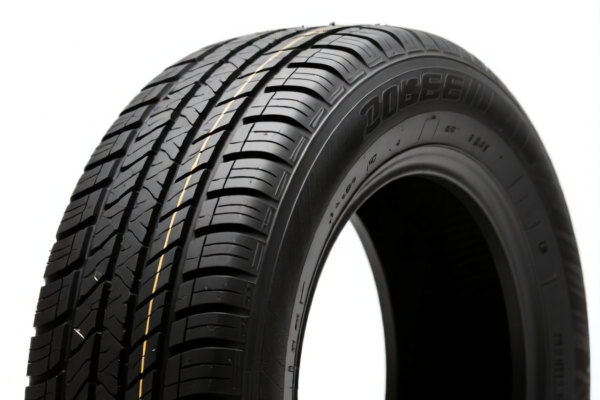
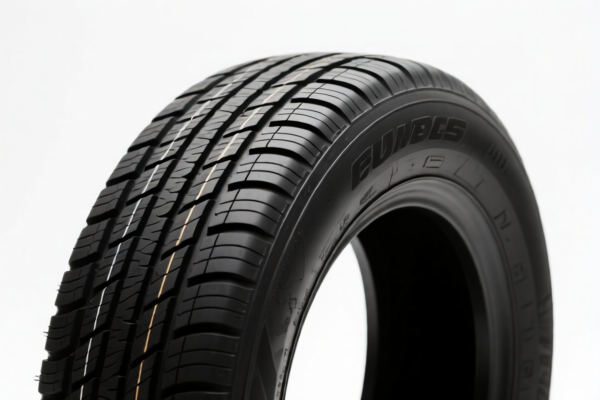
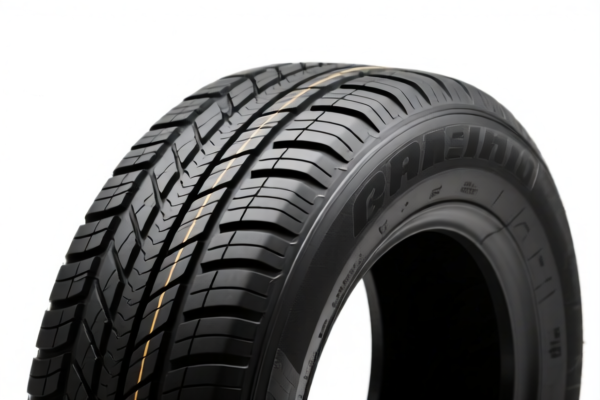
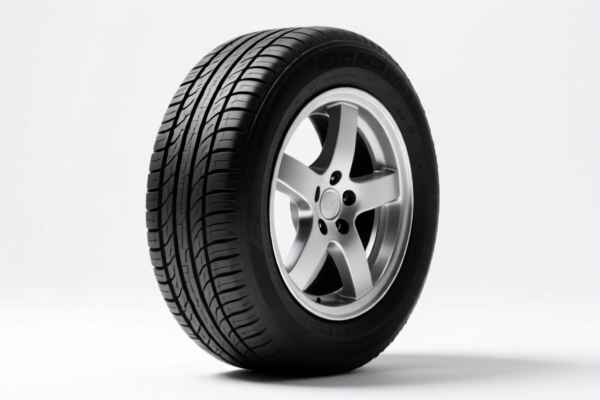
AI Analysis
🛞 Tires (Rubber Pneumatic Tires)
🌐 HS Code Reference & Customs Clearance Guide | 2026 Latest Tariff Analysis | Professional Entry Strategy
📌 I. Product Definition & Classification: Do You Know "Tires" Well?
In international trade, "Tires" are primarily classified under Chapter 40, specifically heading 4011. However, the specific HS Code depends entirely on the vehicle type and specific application. Based on the provided data for HS Code 4011.30.00.10, we are looking at a specific sub-category: Tires for民用航空器 (Civil Aircraft) or broadly Aviation/Aircraft Tires.
⚠️ Key Distinction Point:
- If the tire is for Aircraft (Aviation/Military/Civil) → Likely 4011.30.00.10 (as per provided data).
- If the tire is for Vehicles other than those of heading 4011.30 or 4011.40 (e.g., cars, buses, trucks) → Usually 4011.20.
- If the tire is for Motorcycles → Usually 4011.10.
Based strictly on the <DATA> provided, all entries relate to HS Code 4011.30 variants, indicating a focus on Aircraft/Airport/Tire specific categories with high tariff implications.
📦 II. HS Code Classification Details (Based on Provided Data)
| HS Code | Product Description | Application/Usage | Tax Rate (Total) |
|---|---|---|---|
| 4011.30.00.10 | Rubber pneumatic tires, for civil aircraft | Civil Aviation, Passenger Aircraft Tires | 35.0% |
| 4011.30.00.50 | Rubber pneumatic tires, for other / aircraft use | General Aircraft, Non-Civil Specific, or Other Rubber Tires | 35.0% |
| 4011.80.10.10 | Rubber tires, for tire (General/Other) | General purpose rubber tires, potentially non-pneumatic or specific industrial use | 35.0% |
🔍 Important Note:
The provided data contains multiple entries with the same total tax rate but different HS Codes based on specific usage descriptors (e.g., "Civil Aircraft" vs. "Other").
- 4011.30.00.10: Specifically designated for Civil Aviation.
- 4011.30.00.50: A broader category for Aircraft Tires or Other Pneumatic Tires.
- 4011.80.10.10: Likely refers to other rubber tires not specifically pneumatic or falling under the 4011.30/40 classification strictly, but still subject to the same high tariffs in this dataset.
💰 III. 2026 Latest Tariff Rate Breakdown (Detailed)
✅ Applicable Country: United States (US)
✅ Origin: China (CN) (Implied by the specific tariff structure)
✅ Effective Date: Ongoing (Post-2025 adjustments)
🎯 1. All Listed HS Codes (4011.30.00.10, 4011.30.00.50, 4011.80.10.10)
| Item | Content |
|---|---|
| Base Tariff | 0.0% (Ad valorem) |
| Section 301 Additional Tariff | +25.0% |
| Section 122 Tariff (122 Clause) | +10.0% |
| Total Tariff Rate | 35.0% |
| Tax Calculation | CIF Value × 35% |
| De Minimis Exemption | ❌ Not Applicable (High tariff goods typically excluded or subject to strict scrutiny) |
| Legal Basis Path | Section 301: 8411.10, 8411.91, 8411.99 (Cross-reference pattern) → Section 122 → HTSUS: 4011.30.00.xx |
📌 Explanation:
- The 0% base rate is standard for many rubber tires under USHTS.
- The +25% Section 301 tariff is a major hurdle for Chinese-origin rubber products.
- The +10% Section 122 tariff is an additional levy often applied to specific industrial goods.
- Combined Total: 35%. This is a very high import duty, significantly impacting cost competitiveness.
🛠️ IV. Customs Clearance Practical Advice (Pitfall Avoidance)
✅ 1. Essential Documentation Checklist
| Document | Required | Explanation |
|---|---|---|
| ✅ Commercial Invoice | ✔️ | Must clearly state: "Rubber Pneumatic Tire", HS Code, Origin (China), and Value. |
| ✅ Packing List | ✔️ | Detail dimensions, weight, and quantity. Tires are bulky; volumetric weight may apply. |
| ✅ Certificate of Origin (CO) | ✔️ | Critical for verifying origin. If not Chinese, potential for lower tariffs (though 35% is high). |
| ✅ Product Specification Sheet | ✔️ | Must specify: Aircraft type (if 4011.30.00.10), size, load index, speed rating. |
| ✅ Bill of Lading/Air Waybill | ✔️ | Ensure goods description matches invoice exactly. |
| ✅ Import License/Permit | ❓ | Check if specific aviation safety approvals are needed for aircraft tires. |
✅ 2. Declaration Tips (Key Mnemonics)
🔥 "Exact Use, Exact Code. 35% is the Price."
| Scenario | Correct Declaration | Wrong Action |
|---|---|---|
| Civil Aircraft Tire | 4011.30.00.10 + "For Civil Aircraft" |
Misdeclaring as "Auto Tire" → Risk of penalty. |
| Other Aircraft Tire | 4011.30.00.50 |
Vague description → Customs hold. |
| General Rubber Tire | 4011.80.10.10 |
Using wrong subheading → Delayed clearance. |
✅ 3. Special Situations
| Situation | Handling Advice |
|---|---|
| Re-treaded Tires | Different HS Code (4012.x.x). Ensure you are not misdeclaring re-treads as new tires. |
| Non-Pneumatic Tires | May fall under 4011.90. Check specific subheadings. |
| Aviation Safety Certification | For 4011.30.00.10, ensure the tire meets FAA/EASA standards. Customs may request proof of aviation compliance. |
🌍 V. Global Market Customs Comparison (2026)
| Country/Region | Recommended HS Code | Tariff (China Origin) | Certification | Notes |
|---|---|---|---|---|
| 🇺🇸 USA | 4011.30.00.10 / 4011.30.00.50 |
35% (0% Base + 25% Sec 301 + 10% Sec 122) | FAA/EASA Approval | High Cost Market |
| 🇨🇳 China | 4011.30.00.10 |
~10-15% | CCC (if applicable) | Lower entry barrier |
| 🇪🇺 EU | 4011.30.00 |
0-3% (varies) | EASA Certification | Favorable for aviation parts |
| 🇦🇺 Australia | 4011.30.00 |
5% | ACMA/CAAC | Moderate cost |
| 🇯🇵 Japan | 4011.30.00 |
0% | JAA Certification | Low tariff |
📌 Conclusion:
- The US market imposes a 35% total tariff on these goods, making it the most expensive entry point.
- EU, Japan, and Australia offer significantly lower tariffs, suggesting potential supply chain diversification.
📌 VI. Common Errors & Pitfalls (Lessons Learned)
❌ Error 1: Misdeclaring Aircraft Tires as Auto Tires
👉 Consequence: Wrong HS Code (e.g., 4011.20) → Potential 25% tariff (Sec 301 only) vs 35%. However, if caught, penalties + back taxes apply.
❌ Error 2: Ignoring Section 122 Tariff
👉 Consequence: Assuming only 25% tax → Unexpected 10% additional cost → Margin erosion.
❌ Error 3: Incomplete Product Description
👉 Consequence: Customs cannot determine "Civil" vs "Other" aircraft use → Delay + Inspection → Missed flight schedules.
❌ Error 4: Wrong Origin Declaration
👉 Consequence: Claiming non-Chinese origin without proof → Fraud risk + Seizure.
✅ Correct Practice:
"Pneumatic Rubber Tire, Model XYZ, For Boeing 737 Civil Aircraft, HS Code 4011.30.00.10, Origin: China, FCC/FAA Compliant"
🎯 VII. Conclusion: Precise Classification Saves Money!
🎯 Remember:
🔹 "Aircraft Tire = 35% in US. 0% Base, but 35% Total."
🔹 "Check Sec 301 AND Sec 122. Don't forget the extra 10%."
🔹 "Civil vs. Other? Use the Right Subheading."
📌 Pro Tip:
If your tires are not for aircraft but for trucks/buses, verify if they fall under 4011.20 or 4011.10. The tariffs might differ.
Always apply for a Pre-Ruling (Isotope Ruling) if the usage is ambiguous.
📣 Immediate Action:
📞 Consult a licensed customs broker.
📄 Prepare FAA/EASA certification docs.
💰 Budget for 35% import duty for US shipments.
✨ Professional clearance starts with accurate classification!
💼 Every percentage point counts in international trade!
Customer Reviews
About HS Code Classification
The Harmonized System (HS) is an internationally standardized nomenclature developed by the World Customs Organization (WCO) to classify traded products. Over 200 countries use the HS system as the basis for customs tariffs, trade statistics, and import/export regulations.
Each HS code follows a hierarchical structure:
- Chapter (2 digits) — Broad category of goods (e.g., Chapter 84: Machinery and Mechanical Appliances)
- Heading (4 digits) — More specific grouping within the chapter
- Subheading (6 digits) — Internationally standardized breakdown, used by all WCO member countries
- National subdivisions (8-10 digits) — Country-specific extensions for further classification, such as US HTSUS 10-digit codes
Correct HS code classification is essential for smooth customs clearance, accurate duty payment, and compliance with trade regulations. Misclassification can lead to customs delays, overpayment of duties, or penalties.
When importing from CN to US, the applicable tariff rates may include:
- Most-Favored-Nation (MFN) rate — The standard duty rate applied to WTO members
- General rate — Applied to countries without trade agreements
- Trade remedy duties — Additional tariffs such as Section 301 (anti-dumping), Section 232 (national security), or countervailing duties
The information provided on this page is for reference purposes only. For official classification, please consult with your local customs authority or a licensed customs broker.