Tire (HS Code 4011808010)
CN → US| HS Code | Tariff Rate | Origin | Destination | Doc |
|---|---|---|---|---|
| 4011801010 | 35.0% | CN | US | Official Doc |
| 4011205030 | 38.4% | CN | US | Official Doc |
| 4011205050 | 38.4% | CN | US | Official Doc |
Product Images
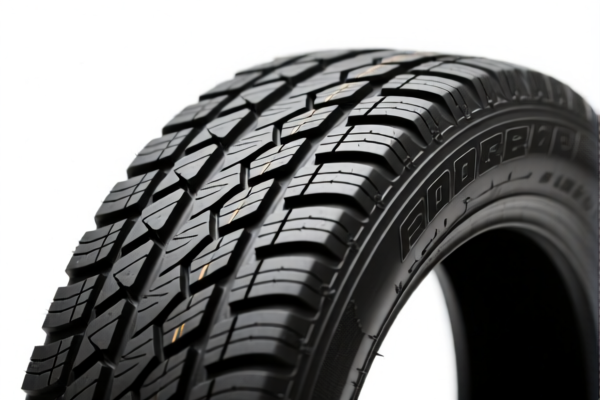
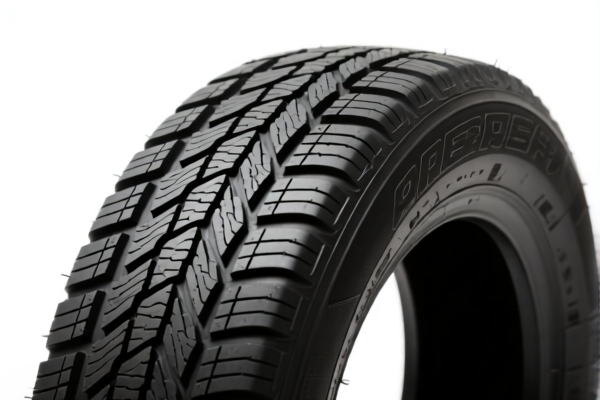
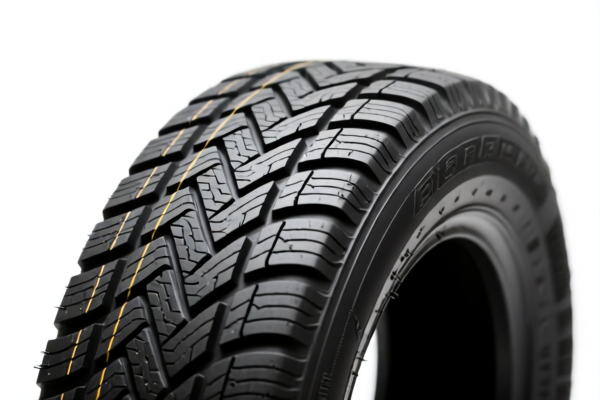
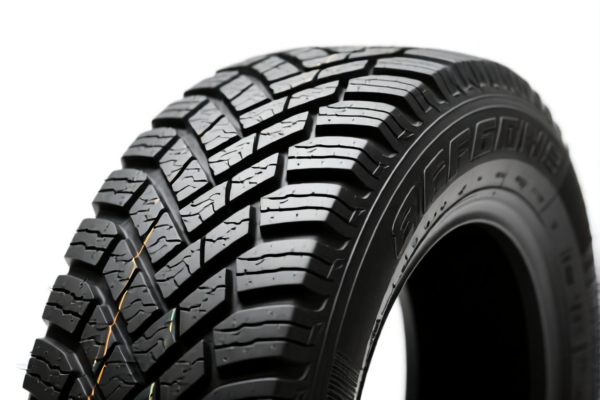
AI Analysis
🛞 Tires (Truck/Bus & General Purpose Rubber Tires)
🌐 HS Code Reference & Customs Clearance Guide | 2026 Latest Tariff Analysis | Professional Clearance Strategy
📌 Part I: Product Definition & Classification: Do You Really Understand "Tires"?
In international trade, tires are categorized primarily by material, structure, and intended use. The most critical distinction lies between pneumatic tires (air-filled) and non-pneumatic tires, as well as their specific applications (e.g., trucks/buses vs. passenger cars vs. industrial equipment).
- Pneumatic Tires for Trucks/Buses: These are high-load, large-diameter tires designed for commercial vehicles. They fall under HS heading 4011.20.
- Other Pneumatic Tires (Non-Passenger Car): This category includes tires for motorcycles, agricultural machinery, or general-purpose vehicles that do not fit the strict "passenger car" or "truck/bus" definitions. These often fall under 4011.80.
⚠️ Key Distinction Point:
- If the tire is for trucks, buses, or heavy commercial vehicles and is pneumatic → It typically falls under 4011.20 series.
- If the tire is for other applications (e.g., industrial, agricultural, or unspecified non-passenger use) and is pneumatic → It typically falls under 4011.80 series.
- Material Check: All relevant codes require the core material to be Rubber.
📦 Part II: HS Code Classification Details (2026 Latest Tariff Authority Comparison)
Based on the provided data, here are the specific HS Codes and their matching criteria:
| HS Code | Product Description | Matching Logic & Summary | Target Application |
|---|---|---|---|
4011.80.10.10 |
Other Pneumatic Tires (Rubber) | Match Confirmed: The product name "Tire" aligns with the material (Rubber) and usage (Tire). It covers the core elements of the classification explanation for "Other" tires. | General/Non-Specific Rubber Tires |
4011.20.50.30 |
Pneumatic Tires for Trucks/Buses | Match Confirmed: The product name directly corresponds to the classification definition for 4011205030. The material (Rubber Pneumatic Tire) and usage (Bus/Truck related) are a perfect match. | Trucks, Buses, Commercial Vehicles |
4011.20.50.50 |
Other Pneumatic Tires for Trucks/Buses (or Non-Road) | Match Confirmed: The product is a Tire (Rubber, Pneumatic). The code 4011.20 requires rubber pneumatic tires. Since the specific use wasn't clearly distinguished in the basic name, it is reasonably inferred as a sub-category under non-road or other specific non-passenger uses. No material/shape conflict. | Trucks, Buses, or Specific Non-Road Applications |
🔍 Important Note:
- All three codes listed above pertain to Rubber Pneumatic Tires.
- The primary differentiator is the Specific Use Case (Truck/Bus vs. General/Other).
- Misclassification Risk: Declaring a Truck Tire under4011.80(Other) instead of4011.20(Truck/Bus) or vice versa can lead to customs delays or penalties, as the tariff rates and trade remedies (like Section 301/122) apply differently based on precise classification.
💰 Part III: 2026 Latest Tariff Rate Breakdown (Including Additional Duties & Policy Add-ons)
✅ Applicable Country: United States (US)
✅ Origin: China (CN)
✅ Effective Time: Current rates apply (including Section 301 and Section 122 duties)
🎯 1. 4011.80.10.10 — Other Pneumatic Tires (Rubber)
| Item | Detail |
|---|---|
| Base Duty Rate | 0.0% |
| Section 301 Additional Duty | +25.0% |
| Section 122 Duty | +10.0% |
| Total Tax Rate | 35.0% |
| Tax Calculation | CIF Value × 35% |
| De Minimis Eligibility | ❌ Not Eligible (High-risk category for de minimis exemptions) |
| Legal Basis Path | Base Tariff 0% → Section 301 (25%) → Section 122 (10%) |
📌 Explanation:
- "Section 301 Additional Duty 25%": Imposed under U.S. Trade Act Section 301 on specified Chinese products.
- "Section 122 Duty 10%": Additional tariff imposed under Section 122 of the Trade Expansion Act (often related to national security or balance of payments).
- Total 35%: This is a significant cost factor. Importers must factor this into landed cost calculations.
🎯 2. 4011.20.50.30 — Pneumatic Tires for Trucks/Buses
| Item | Detail |
|---|---|
| Base Duty Rate | 3.4% |
| Section 301 Additional Duty | +25.0% |
| Section 122 Duty | +10.0% |
| Total Tax Rate | 38.4% |
| Tax Calculation | CIF Value × 38.4% |
| De Minimis Eligibility | ❌ Not Eligible |
| Legal Basis Path | Base Tariff 3.4% → Section 301 (25%) → Section 122 (10%) |
📌 Note:
- Unlike4011.80.10.10, this code has a base duty of 3.4% because it is specifically categorized for trucks/buses.
- The additional duties remain the same (25% + 10%).
- Total 38.4%: Higher than the "Other" category due to the base rate, but still predictable.
🎯 3. 4011.20.50.50 — Other Sub-category of Truck/Bus Tires
| Item | Detail |
|---|---|
| Base Duty Rate | 3.4% |
| Section 301 Additional Duty | +25.0% |
| Section 122 Duty | +10.0% |
| Total Tax Rate | 38.4% |
| Tax Calculation | CIF Value × 38.4% |
| De Minimis Eligibility | ❌ Not Eligible |
| Legal Basis Path | Base Tariff 3.4% → Section 301 (25%) → Section 122 (10%) |
📌 Attention:
- This code shares the same total tax rate (38.4%) as4011.20.50.30.
- The distinction between...30and...50is often based on specific tire specifications (e.g., size, type, or specific sub-use within trucks/buses).
- Crucial: Ensure your product description matches the precise sub-code to avoid customs queries. If the use is ambiguous, customs may default to the more general or higher-risk interpretation.
🛠️ Part IV: Customs Clearance Practical Advice (Combat Pitfall Guide)
✅ 1. Document Preparation Checklist (All Mandatory)
| Document | Required? | Explanation |
|---|---|---|
| ✅ Product Specification Sheet | ✔️ | Must include tire size, load index, speed rating, ply rating, and material composition (Rubber). |
| ✅ Technical Drawing/Structure Diagram | ✔️ | To prove it is a Pneumatic tire (has air chamber) vs. Solid/Non-pneumatic. |
| ✅ Product Photos (Clear) | ✔️ | Show the sidewall markings (DOT number, size, brand) and tread pattern. |
| ✅ Commercial Invoice | ✔️ | Must clearly state: "Rubber Pneumatic Tire," specify vehicle type (Truck/Bus/Other), and unit price. |
| ✅ Packing List | ✔️ | Detail quantity per carton/pallet. Avoid mixing different tire types in one shipment if possible. |
| ✅ Certificate of Origin (CO) | ✔️ | If claiming any potential exemptions (though rare for these HS codes from China), this is essential. |
✅ 2. Declaration Techniques (Key Mantras)
🔥 “Specify Vehicle Type, Define Structure, Avoid Ambiguity, Prevent Delays!”
| Scenario | Correct Declaration | Wrong Practice | Consequence |
|---|---|---|---|
| Truck/Bus Tire | Declare as 4011.20.xx.xx with specific use "For Trucks/Buses" |
Declare as 4011.80 (Other) |
Underpayment risk (if base rate is higher) or audit flag |
| General Tire | Declare as 4011.80.xx.xx with "Other Pneumatic Tire" |
Declare as 4011.20 |
Overpayment risk or mismatch with physical goods |
| Ambiguous Use | Provide detailed invoice description: "Tire, Rubber, Pneumatic, for [Specific Equipment]" | Simply write "Tire" | Customs may classify under the highest duty or hold shipment for inspection |
| Solid Tires | Declare under different HS Code (e.g., 4011.99) |
Declare as Pneumatic Tire | Major Error: Solid tires are NOT pneumatic. Wrong classification leads to penalties. |
✅ 3. Special Handling for Section 301 & 122
| Situation | Handling Advice |
|---|---|
| Origin Marking | Ensure products are clearly marked "Made in China." Failure to mark can lead to additional penalties. |
| Supply Chain Diversification | Given the 35%-38.4% total duty, consider sourcing from Vietnam, Thailand, or Mexico if possible. Non-China origin may avoid Section 301/122 duties. |
| Exclusion Applications | Historically, some tire exclusions existed, but most have expired. Do not assume eligibility without checking the latest USTR exclusion lists. |
| Section 122 Awareness | Section 122 duties are often temporary or policy-driven. Monitor U.S. Trade Representative announcements for potential changes or expirations. |
🌍 Part V: Global Market Comparison (2026 Latest)
| Country/Region | Recommended HS Code | Duty Rate (China Origin) | Certification Requirements | Remarks |
|---|---|---|---|---|
| 🇺🇸 USA | 4011.20.xx or 4011.80.xx |
35.0% - 38.4% | DOT (Department of Transportation) Label Required | High Tariff: Section 301 + 122 apply. DOT label is mandatory for street use. |
| 🇨🇳 China | 4011.20.xx or 4011.80.xx |
~3.4% - 10% (Varies) | CCC (if applicable) | No additional punitive duties. |
| 🇪🇺 EU | 4011.20.xx or 4011.80.xx |
~4.5% - 8% | E-Mark (ECE Regulation) | No Section 301/122. E-Mark certification is critical for road legality. |
| 🇦🇺 Australia | 4011.20.xx or 4011.80.xx |
~5% | RCM (Regulatory Compliance Mark) | Moderate duty, strong safety standards. |
| 🇯🇵 Japan | 4011.20.xx or 4011.80.xx |
~5% - 7.5% | JIS Standard | Strict size and performance testing requirements. |
📌 Conclusion:
- USA is the most expensive market due to layered punitive tariffs (301 + 122).
- DOT Labeling is non-negotiable for tires imported into the US. Every tire must have a DOT code indicating the manufacturer, plant, size, and week/year of production.
- Compliance Tip: Ensure the DOT code on the tire matches the invoice and packing list details. Mismatches cause immediate customs holds.
📌 Part VI: Common Errors & Pitfalls (Blood & Tears Lessons)
❌ Error 1: Declaring a Truck Tire as a Passenger Car Tire (4011.11)
👉 Consequence: Wrong HS Code, potential fraud suspicion, high penalty.
👉 Correction: Always distinguish between Passenger (4011.10), Truck/Bus (4011.20), and Other (4011.80/90).
❌ Error 2: Forgetting the DOT Label Requirement
👉 Consequence: Customs may seize or destroy the shipment if the tires lack proper DOT markings.
👉 Correction: Verify DOT codes on a sample batch before full shipment.
❌ Error 3: Under-declaring Value to Avoid Duties
👉 Consequence: Audits, fines, and blacklisting. With 35-38% duty, the risk is high.
👉 Correction: Use accurate CIF values. Consider legal tariff engineering (e.g., sourcing from non-China origins) instead of under-declaring.
❌ Error 4: Confusing Pneumatic with Solid Tires
👉 Consequence: Solid tires have different HS codes and duty rates. Misdeclaration leads to classification errors.
👉 Correction: Clearly state "Pneumatic" in the description. If solid, use 4011.99.
✅ Correct Practice:
"Rubber Pneumatic Tire, Size 11R22.5, For Truck, DOT: ABC123456789, Made in China"
🎯 Part VII: Conclusion: Professional Declaration Saves Money!
🎯 Remember the Mantra:
🔹 "Pneumatic or Solid? Truck, Bus, or Other? Specify Clearly!"
🔹 "DOT Label is Mandatory in the US. No Label, No Entry."
🔹 "35-38% Duty in the US. Plan Your Supply Chain Accordingly."
📌 Pro Tip:
If your tires are solid (non-pneumatic), the HS Code will be different (e.g., 4011.99), and the duty structure may vary. Ensure your product is correctly identified as Pneumatic to use the codes above.
Consider applying for a USITC Exclusion if available for your specific tire type (check latest USTR notices), though most general truck/bus tire exclusions have expired.
📣 Immediate Action:
📞 Engage a licensed US Customs Broker.
📦 Provide DOT-compliant tires with accurate invoices.
🚀 Clear customs smoothly, avoid costly penalties, and protect your margin!
✨ Professional Clearance Starts with Accurate Classification!
💼 Every cent saved on duty is a cent added to your profit!
Customer Reviews
About HS Code Classification
The Harmonized System (HS) is an internationally standardized nomenclature developed by the World Customs Organization (WCO) to classify traded products. Over 200 countries use the HS system as the basis for customs tariffs, trade statistics, and import/export regulations.
Each HS code follows a hierarchical structure:
- Chapter (2 digits) — Broad category of goods (e.g., Chapter 84: Machinery and Mechanical Appliances)
- Heading (4 digits) — More specific grouping within the chapter
- Subheading (6 digits) — Internationally standardized breakdown, used by all WCO member countries
- National subdivisions (8-10 digits) — Country-specific extensions for further classification, such as US HTSUS 10-digit codes
Correct HS code classification is essential for smooth customs clearance, accurate duty payment, and compliance with trade regulations. Misclassification can lead to customs delays, overpayment of duties, or penalties.
When importing from CN to US, the applicable tariff rates may include:
- Most-Favored-Nation (MFN) rate — The standard duty rate applied to WTO members
- General rate — Applied to countries without trade agreements
- Trade remedy duties — Additional tariffs such as Section 301 (anti-dumping), Section 232 (national security), or countervailing duties
The information provided on this page is for reference purposes only. For official classification, please consult with your local customs authority or a licensed customs broker.